REVIEW · KYOTO
Kyoto Customized Guided, Private Tour
Book on GetYourGuide →Operated by Japan Travel and Tour · Bookable on GetYourGuide
Ten hours, seven stops, big Kyoto energy. I like how this plan hits UNESCO World Heritage highlights efficiently, then finishes with the red Fushimi Inari torii walk. The one drawback to keep in mind is that the guide experience can be hit-or-miss for story time, with some days feeling more like chauffeuring than real guiding.
I also appreciate the convenience: a private air-conditioned luxury van with hotel pickup and drop-off. You’ll get live commentary plus a multilingual mobile audio guide, which helps when you want extra context without slowing the day down.
In This Review
- Key Highlights You’ll Actually Feel on the Day
- Ten Hours, Seven Stops: How This Kyoto Day Plan Works
- UNESCO World Heritage Coverage Without the Planning Headache
- Kiyomizudera: Terrace Views and the Classic Kyoto Temple Walk
- Arashiyama’s Arc: Togetsukyo Bridge, Bamboo Forest, and Garden Time
- The Togetsukyo Bridge area
- Sagano Bamboo Forest
- Tenryu-ji Temple
- Kinkaku-ji Golden Pavilion: The Icon That Needs Time to Breathe
- Fushimi Inari Taisha: Torii Gates Where the Walk Becomes the Attraction
- Sanjusangen-do: Long Hall Focus and Kannon Statues
- Guide and Photo Style: What You Should Watch For
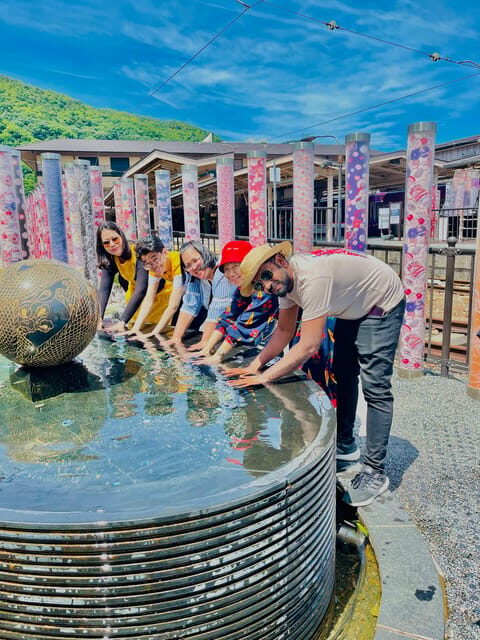
- Kimono Forest: A Highlight Worth Confirming
- Pricing and Value at $102: When It’s a Smart Buy
- Timing, Comfort, and What the Day Feels Like
- Should You Book This Kyoto Private Tour?
- FAQ
- What’s the duration of the Kyoto customized guided private tour?
- Where does pickup happen?
- What’s included in the price?
- Are entry tickets included?
- Is food included?
- Does the tour skip ticket lines?
- What places are visited during the day?
- What languages are available?
- Is this tour private?
- Is the tour wheelchair accessible?
Key Highlights You’ll Actually Feel on the Day
UNESCO-focused route: Three UNESCO World Heritage stops are built into the schedule, so you’re not guessing what to prioritize.
Fushimi Inari’s torii momentum: The day ends with the walking rhythm through thousands of gates.
Arashiyama’s photo stops: Bamboo, the Togetsukyo Bridge area, and garden time are scheduled in the same arc.
Temple layouts that reward slow minutes: Kiyomizudera, Tenryu-ji, and the hall at Sanjusangen-do each give you different pacing than street wandering.
Private van comfort: Hotel pickup, drop-off, and smooth transfers matter when you’re crisscrossing Kyoto.
Photography-friendly vibe: One guide (Nomi) was praised for helping people get great shots, even if historical talk wasn’t always front and center.
Ten Hours, Seven Stops: How This Kyoto Day Plan Works
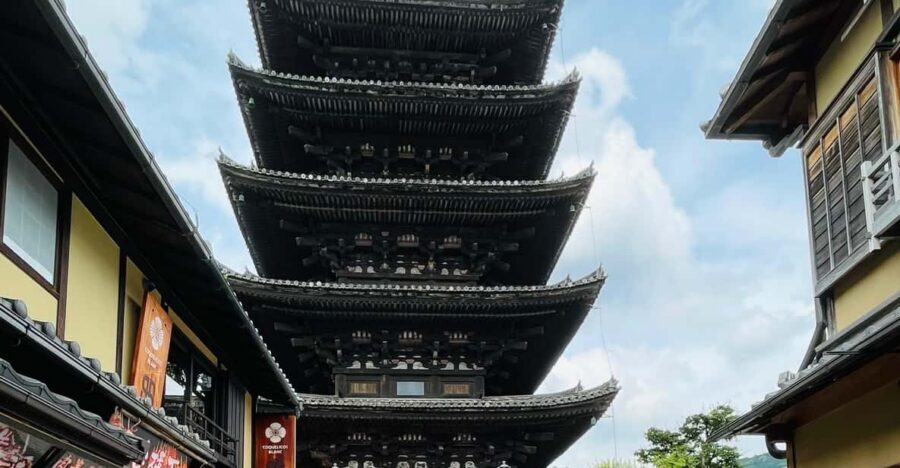
This is a full-day “greatest hits” tour done in a smart order. You start in Kyoto in the morning, bounce between major neighborhoods by van, and then string together the big sights without long backtracking. If you’re short on days, that compression is the whole point.
The tour is private, so it’s less about keeping a crowd moving and more about matching the pace of your group. You’ll also have a live English-speaking guide, and a mobile audio guide option in multiple languages for extra background while you’re walking.
One more thing to know up front: the schedule includes several photo stops and shopping/sightseeing time. That can be great if you want flexibility, but it also means you should be ready to move on quickly when the van is waiting.
You can also read our reviews of more guided tours in Kyoto

UNESCO World Heritage Coverage Without the Planning Headache
Kyoto is famous for having more “must-sees” than you can fit. This tour’s value is that it organizes your day around UNESCO World Heritage time windows instead of letting you guess what matters most.
Two of the UNESCO World Heritage stops are made very clear in the plan: Kiyomizudera and Tenryu-ji. The day also includes major temple icons that pair naturally with those UNESCO hits, so even if you’re not chasing a checklist, the tour still feels coherent.
Here’s why I think this matters for you: when you’re traveling in Japan, the biggest time drain isn’t just travel. It’s deciding what to do when you arrive. A fixed route saves you from the mental load of figuring it all out mid-day.
Kiyomizudera: Terrace Views and the Classic Kyoto Temple Walk
Kiyomizudera is the kind of place you can’t really “see later.” Your morning starts here with a mix of photo time, a guided visit, and time to stroll. The highlight is the terrace area with its panoramic views, plus the temple’s long-standing presence in Kyoto going back many centuries.
You’ll also get a shopping and sightseeing window nearby. That’s useful because Kiyomizudera is surrounded by the kind of street atmosphere where you can actually find small souvenirs without derailing your whole schedule.
Practical tip: go in with shoes you can walk in for a while. Even on a guided route, Kyoto temples come with stairs, uneven paving in spots, and crowd flow that you follow more than you fight.
Arashiyama’s Arc: Togetsukyo Bridge, Bamboo Forest, and Garden Time
After Kiyomizudera, the tour shifts west to Arashiyama. This is where Kyoto changes gears: you trade dense city streets for river views, garden paths, and those bamboo “photo corridors.”
The Togetsukyo Bridge area
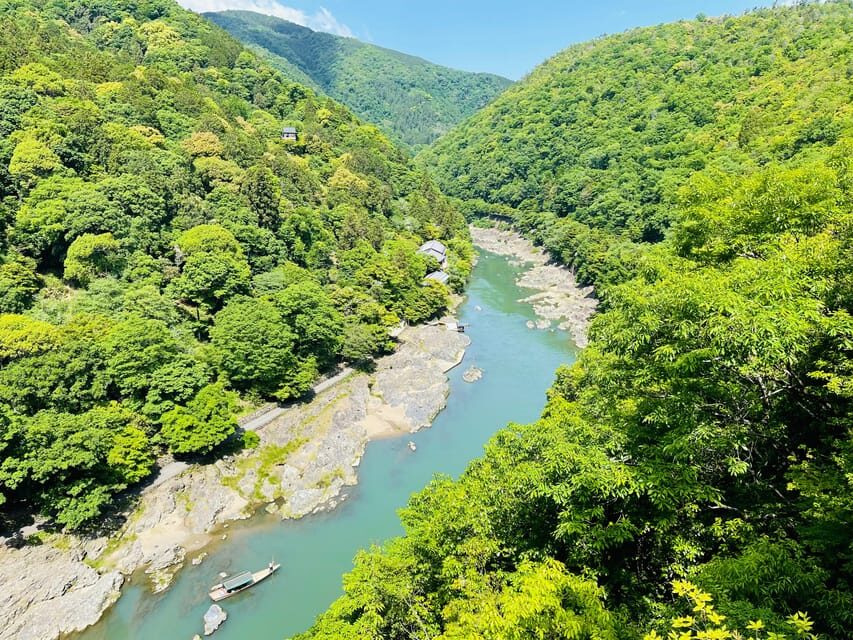
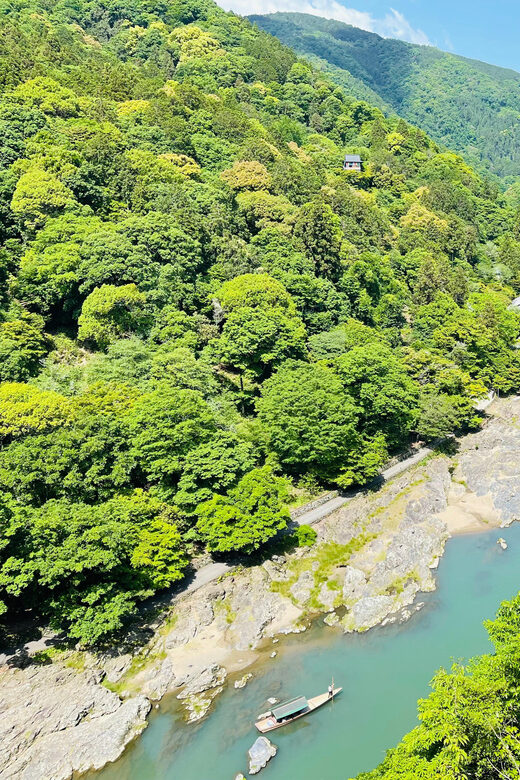
The plan includes time around Togetsukyo Bridge, with photo opportunities and walking time. This is ideal if you like capturing Kyoto from angles that feel like postcards, especially with the river and surrounding hills as framing.
You can also read our reviews of more private tours in Kyoto


Sagano Bamboo Forest
Then comes the bamboo. The tour includes time specifically for the Sagano Bamboo Forest, with a guided component plus time to wander. This place works in different ways depending on what you want:
- If you want a serene walk and quiet pictures, you can slow down in the green corridors.
- If you want the famous angles fast, the guided pacing helps you hit the best spots without zigzagging.
The schedule also lists time for a panoramic train ride and even a segway ride at points in the Arashiyama/Sagano area. Those sound fun, but the tour details don’t specify whether those rides are included in your price. If that matters to you, ask before you arrive so you’re not surprised by add-on costs.
Tenryu-ji Temple
Next you go to Tenryu-ji, another UNESCO World Heritage stop in the plan. What I like here is the garden time: Japanese gardens are designed for multiple viewpoints, so you get variety even when you’re staying on the same grounds. Even if you don’t know the technical names of plants and paths, the layout gives you plenty to look at.
If you’re a garden person, this is one of the best “slow down” moments of the day.
Kinkaku-ji Golden Pavilion: The Icon That Needs Time to Breathe
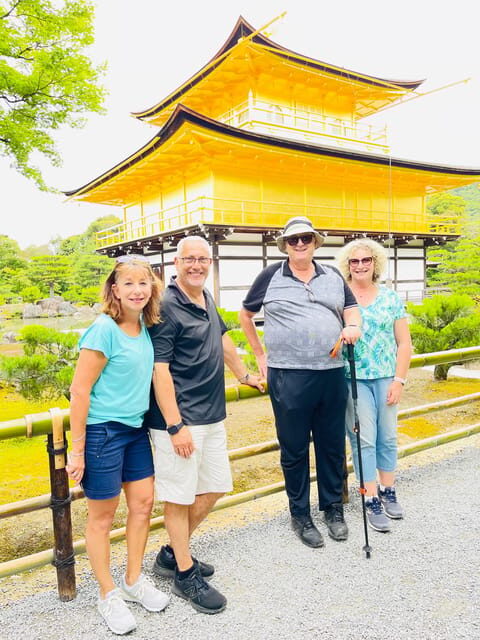
After Arashiyama, the tour heads to Kinkaku-ji (Rokuon-ji), the Golden Pavilion. This stop is built for photos and a guided visit, with time to walk around under your own power too.
The pavilion’s appeal is more than color. You’re seeing how the building sits in relation to its surroundings, water, and viewing points. Even if you’ve seen pictures before, the real thing has a “sharper edges” look because of the scale and the way people naturally orbit the viewpoints.
If crowds are intense when you arrive, you’ll still get value. The tour’s structure means you’re not left standing there for hours with no plan.
Fushimi Inari Taisha: Torii Gates Where the Walk Becomes the Attraction
The finale is Fushimi Inari Taisha, and it’s a great way to end a packed day. The tour gives you a break and shopping/photo time, then a guided visit and a longer block of walking.
The famous part is the thousands of red torii gates. What makes this experience work isn’t just seeing them once. It’s the momentum of walking through repeating shapes. Even if you’re not chasing the highest point, just moving through gate after gate can feel surprisingly calming.
Practical tip: wear layers. You’ll likely spend time both outdoors and in crowd pockets, and Kyoto weather changes fast.
Sanjusangen-do: Long Hall Focus and Kannon Statues
One of the most interesting late-day additions is Sanjusangen-do. The plan includes a guided visit plus time for your own pace, and it even notes a sunset timing window on the schedule.
This temple is known for a long hall filled with many Kannon statues. That matters because the experience is different from the other sites on your list. Here you aren’t chasing one iconic structure or one view. You’re taking in a repeating visual field, and the scale is what lands.
Even when you’re tired from the day, Sanjusangen-do has a way of pulling you back in because you keep noticing details as you look down the hall.
Guide and Photo Style: What You Should Watch For
This is the part where your expectations should be realistic.
The tour is designed around an English-speaking guide and includes commentary, but mixed feedback suggests the depth of historical storytelling can vary. In one review, the guide (called himself Nomi) was praised for photography skills, and he helped people come away with better captures. In another review, the guide was described as being more like a driver than a storyteller.
So what should you do?
- If you care mainly about efficient logistics and great photo angles, this tour style can work well.
- If you want detailed city history at every stop, I’d recommend arriving with 3 to 5 specific questions (about what you’re seeing at each temple) so you can steer the conversation during walking time.
You also get a multilingual mobile audio guide, which is useful if your live guide’s commentary is lighter on the day you book.
Kimono Forest: A Highlight Worth Confirming
The tour highlights mention Kimono Forest, but it isn’t clearly spelled out in the stop-by-stop descriptions. That doesn’t mean you won’t see it. It means you should treat it as a “ask where and when” item.
If this is high on your list for photos or the look you’re chasing, ask your guide early in the day:
- where Kimono Forest fits into the schedule
- how much time you’ll have there
- whether it’s the kind of spot where you can take photos freely
It’s a small question that can make a big difference if you’re planning your day around visuals.
Pricing and Value at $102: When It’s a Smart Buy
At about $102 per person for a 10-hour private day, you’re paying for three things:
- Time saved by using a van route across multiple neighborhoods
- A guide on the ground so you’re not learning as you go
- Built-in structure for UNESCO sights and Kyoto icons
Entry tickets and food aren’t included, so you should budget for those separately. The tour does say it includes skipping the ticket line, but your ticket cost still likely comes from you since entry fees aren’t listed as included. If line-skipping is important to your plan, confirm how that works on the day you book.
Who this tour fits best:
- First-time Kyoto visitors who want major sights without puzzle-solving transport
- People who like photos and want help timing viewpoints
- Travelers who prefer comfort and smooth transfers over public-transit juggling
Who might want a different option:
- Travelers who want deep, stop-by-stop history delivered consistently by the guide
- People who want lots of free time at one place instead of moving every few hours
Timing, Comfort, and What the Day Feels Like
The day is set up around morning departure (with pickup options from Kyoto, Osaka, or Nara) and hotel drop-off afterward. The itinerary shows van transfers between zones, and a final finish back at Kyoto Station.
That matters because Kyoto traffic and walking crowds can be unpredictable. A scheduled route helps you avoid the spiral where one delayed stop wrecks the rest of your day. The private van approach also helps you regroup faster when the crowd flow gets messy.
Also note: pickup is available outside Kyoto, but additional charges may apply. If you’re staying farther out, it’s worth checking so the day starts without surprise fees.
Should You Book This Kyoto Private Tour?
I’d book it if you want a dependable one-day hit list with a comfortable van plan and you’re happy to use the mobile audio guide as your history backup. The combination of Kiyomizudera, Tenryu-ji, Fushimi Inari, and the Arashiyama arc gives you a Kyoto “shape” that’s hard to get by yourself in one day.
I’d think twice if you’re specifically hunting for a guide who gives consistently deep storytelling at every stop. The guidance style seems to vary, and at least some days may focus more on pictures and movement than on teaching details.
If you do book, go in ready to steer: ask your guide what to look for at each temple, and ask where Kimono Forest fits. That one bit of ownership turns a good day into a great one.
FAQ
What’s the duration of the Kyoto customized guided private tour?
The tour runs for 10 hours.
Where does pickup happen?
Pickup options include Kyoto, Osaka, and Nara, with hotel pickup included. Pickup outside Kyoto may have additional charges.
What’s included in the price?
Included are an English-speaking tour guide, air-conditioned luxury van transportation, and hotel pickup and drop-off. The tour is customizable.
Are entry tickets included?
No. Entry tickets are not included.
Is food included?
Food is not included.
Does the tour skip ticket lines?
The activity information says it includes skip-the-ticket-line support.
What places are visited during the day?
The plan includes Kiyomizudera, Arashiyama, Sagano Bamboo Forest, Togetsukyo Bridge area, Tenryu-ji, Kinkaku-ji, Fushimi Inari Taisha, and Sanjusangen-do.
What languages are available?
The live tour languages listed are English, Hindi, Japanese, and Arabic. There is also a mobile audio guide available in multiple languages including English, French, Italian, Spanish, German, Portuguese, and Ukrainian.
Is this tour private?
Yes, it’s a private group tour.
Is the tour wheelchair accessible?
Yes, it is listed as wheelchair accessible.