REVIEW · TOKYO
Samurai Experience in Tokyo / SAMURAI’ve
Book on Viator →Operated by SAMURAI EXPERIENCE in Tokyo【SAMURAI've】 · Bookable on Viator
A sword class in kimono sounds fun. This Samurai’ve session turns Tokyo sightseeing into a real, hands-on routine: you dress in samurai costume, learn basic etiquette and sword moves, then finish with a photo shoot.
I really like that the instruction is led by professional samurai performers, not a side hobby.
Another thing I like is the built-in chance to practice the movement itself, using a metal training katana that’s designed for safety.
One thing to watch: the class runs at fixed time slots, and a start-time mix-up can ruin your whole session—so double-check your ticket time before you head over.
In This Review
- Key things to know before you go
- Suit Up in Shibuya: Kitsuke and the Kimono Fit
- Samurai Manners First: Reigi-sahou in Plain English
- Practice Katana Basics: Real Weight, Safer Handling
- Tachimawari: Experiencing the Sword Sequence Up Close
- Photo Shoot Finish and the Optional Samurai Performance
- Group Size, Timing, and How to Plan Your Day in Tokyo
- Price Value: What $71.85 Buys You (and What It Doesn’t)
- Who Should Book Samurai’ve (and Who Might Skip It)
- Should you book this samurai sword class in Tokyo?
- FAQ
- How long is the Samurai’ve samurai experience?
- What’s included in the class?
- Do I get to wear a kimono?
- Is there instruction, or is it just a show?
- Are there options beyond the sword class?
- Where is the meeting point?
- What size group is this?
- Is a mobile ticket used?
- Is the location near public transportation?
- What’s the cancellation policy?
Key things to know before you go
- Kimono dressing (kitsuke): You’re guided through suiting up, not left to figure it out.
- Samurai etiquette first (reigi sahou): The class starts with respect and manners, then moves to technique.
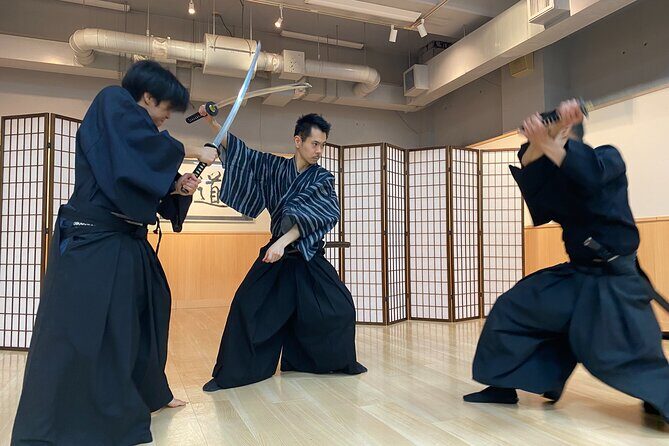
- Practice katana training: You’ll use a metal fake sword for real weight and realistic handling.
- Tachimawari experience: You practice a sword-fighting sequence under instructor control.
- Photoshoot at the end: Costume + training = a souvenir you can actually keep.
- Optional performance add-on: You may be able to incorporate a samurai show for extra fees.
Suit Up in Shibuya: Kitsuke and the Kimono Fit
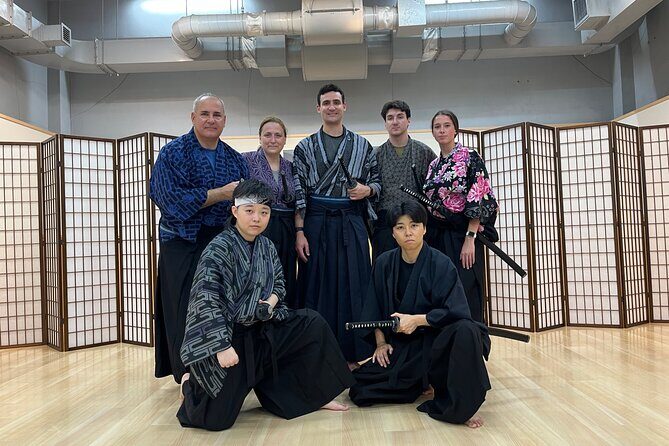
The experience begins with kitsuke, the dressing portion. You show up and get guided into a samurai-themed costume and kimono-style outfit, which matters more than you’d think. If you’ve ever tried to borrow kimono rules from YouTube, you know how fast that turns into frustration. Here, the goal is simple: get you dressed correctly and comfortably enough to move safely for the training parts.
This early step also sets the tone. Once you’re in the outfit, the rest of the session clicks into place. The class isn’t only about sword movement; it’s about behavior, posture, and the mindset that comes with wearing the costume and following a structured routine.
A practical note: you’ll be in a costume for about the whole hour. If you’re sensitive to tight fabric or need to move carefully, keep an eye on comfort and tell your instructor right away.
You can also read our reviews of more tours and experiences in Tokyo.



Samurai Manners First: Reigi-sahou in Plain English
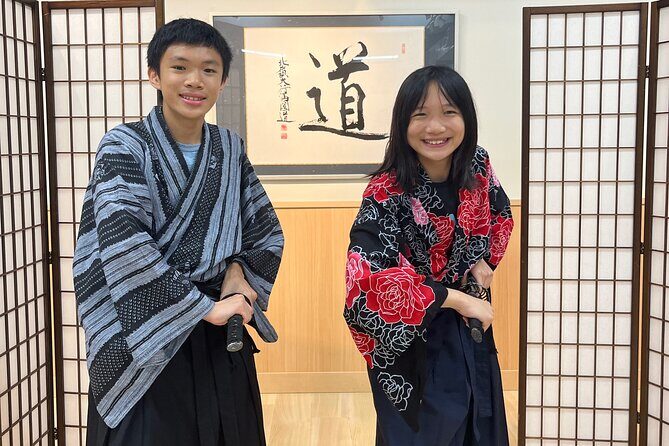
Before you touch anything sword-related, the program covers reigi sahou, basics of samurai etiquette and manners. Don’t expect a lecture that puts you to sleep. Think of it as the class giving you the “rules of the room” first: how to approach training, how to hold yourself, and why respect comes before technique.
In other words, you’re being trained in how to be a participant, not just how to wave a stick. That matters because sword practice is physical and precise. When your instructor keeps bringing it back to etiquette, it’s usually to reinforce control, attention, and safety.
One reason this part gets such good energy is that you’re dealing with real professionals. In some reviews, instructors (including Master Shin, mentioned by name) are described as fun, patient, and good at working with younger participants. That combination helps the etiquette portion land as something you can understand quickly, not something you have to memorize.
Practice Katana Basics: Real Weight, Safer Handling
Now the class gets into basic lesson time: learning fundamental moves of samurai sword fighting. You use a katana that’s a metal fake sword. Reviews mention it’s heavy, but not sharp on the side. That’s a big deal for first-timers. Heavy gives you the right “feel” so your movements make sense. Not sharp means you’re less likely to get hurt while you learn the basics.
What you should expect here:
- You’ll start with simpler motions and hand positioning.
- You’ll be guided on how to move your body so the blade movement looks controlled, not random.
- You’ll practice enough to get the pattern in your muscles before you go further.
This is one of the best value parts of the experience because it’s hands-on. Plenty of Tokyo activities show you costumes or performances. Here, you’re actually doing something physical while an instructor watches what you’re doing and corrects it.
Tachimawari: Experiencing the Sword Sequence Up Close
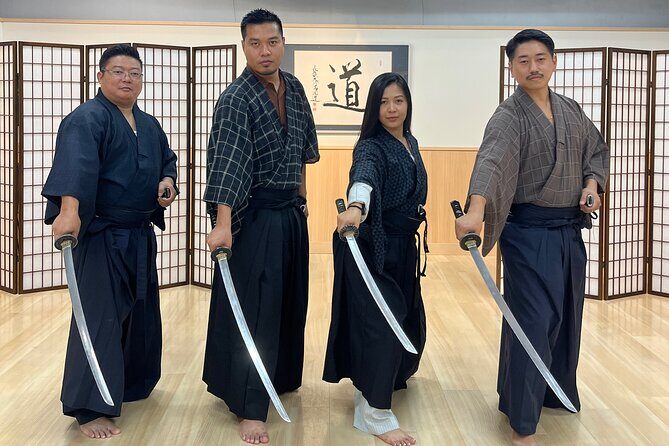
The centerpiece is tachimawari, described as experiencing samurai sword fighting first-hand. This is where your training turns into a coordinated sequence. Instead of only learning one move, you’re guided into doing a fuller movement pattern.
For safety and realism, you should expect a controlled environment:
- You’re likely practicing with space and pacing directed by the instructors.
- The sword’s metal weight helps you learn control without needing dangerous sharpness.
- You’ll probably repeat parts so the sequence clicks.
This part is also where the class often feels most memorable. Even if you’re not a “sports person,” you’ll still feel a change after you learn the basics and then try a connected sequence. It’s the kind of moment that makes photos look more alive, because you’re doing something that feels like the tradition rather than posing in a still outfit.
If you’re traveling with kids or teens, this is frequently a highlight. One review notes great interaction for a 10-year-old and 14-year-old, with humor and patience from the instructor. Still, use your common sense: if someone has balance issues or mobility limits, let the team know early.
Photo Shoot Finish and the Optional Samurai Performance
The session ends with a photo shoot. This is your payoff: costume + practiced motions = pictures that feel earned. Reviews specifically mention instructors and assistants taking many photos you can use afterward, which is smart. When you’re in training gear, you’re often too busy to ask someone to photograph every step. Having the team manage it saves time and stress.
There’s also an option to add a samurai performance show for an additional expense. The operator notes that instructors who run your class also perform in various events and that they can arrange a performance to incorporate during your session if you’re interested.
Two ways to think about this:
- If you want more action and storytelling, adding the performance can turn your training into a full evening-style experience.
- If you’re mainly after hands-on learning and photos, skip the add-on and keep your day flexible.
Either choice works. The key is matching your time and budget to what you want most: practice, performance, or both.






Group Size, Timing, and How to Plan Your Day in Tokyo
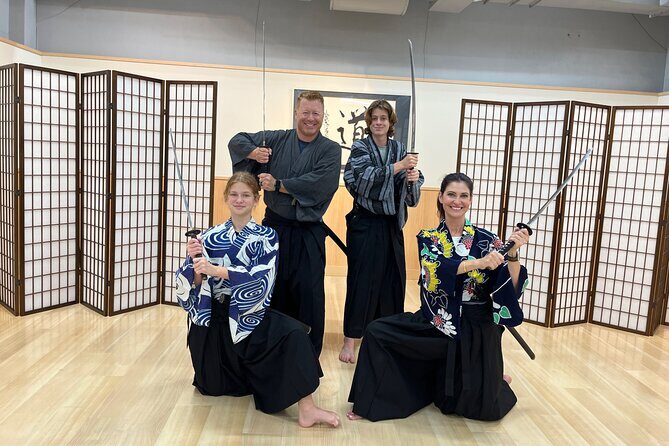
This is a group class with a maximum of 19 travelers. For a sword lesson, that’s a sensible size. Large enough to feel social, small enough for instructors to still correct technique. You’ll meet like-minded people, and you’ll probably find it easier to relax because everyone is learning from scratch.
Timing matters. The experience runs in set windows (shown as 10:30A.M.~11:30A.M. and 3:00P.M~4:00P.M.). That means you should plan around it like you would any appointment.
One practical caution from experience-based feedback: start time confusion can happen if the time on the ticket doesn’t match what you expected. Before you leave your hotel, confirm the start time displayed for your specific booking slot. It’s a small step that prevents a big disappointment.
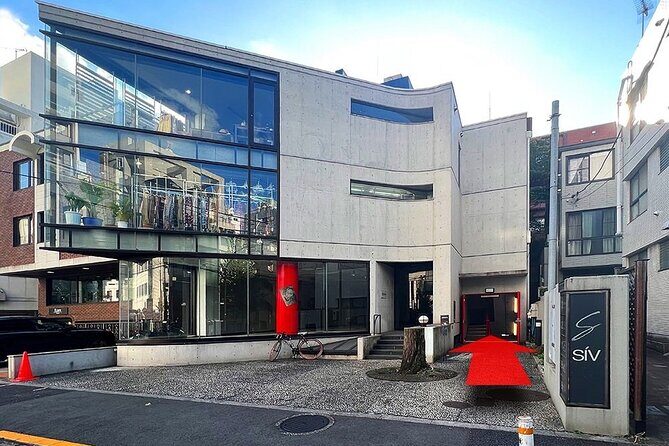
Logistics are relatively easy because the meeting point is near public transportation, and you end back at the same meeting point. You’ll find it at Samurai Experience in Tokyo / 侍体験 / Sword Fighting Class Samurai’ve, in Shibuya, Sendagaya, Shibata Building B2 (151-0051). If you use transit, aim to arrive a little early so the dressing portion doesn’t feel rushed.
Price Value: What $71.85 Buys You (and What It Doesn’t)
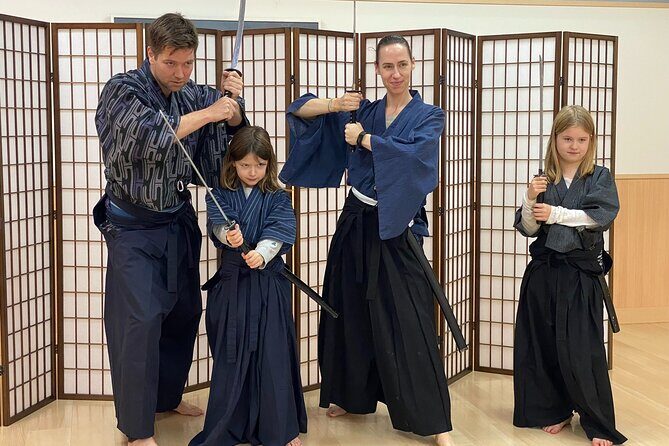
At $71.85 per person, the value depends on your priorities. Here’s what that price includes:
- Samurai costumes for the session
- A metal fake katana (training sword)
- A full class structure: kitsuke, reigi sahou, basic sword lesson, tachimawari experience, and photo shoot
- Mobile ticket convenience
- Group discount potential (as noted in the overview)
So you’re paying for guided instruction, not just a photo-op. You’re also paying for pro-run safety and structure. And because the instructors are described as professional samurai performers, the class has a performance-level seriousness while still feeling fun and beginner-friendly (especially in reviews that mention humor and patience).
What the price doesn’t include (unless you upgrade):
- The optional samurai performance show has additional fees.
How to decide if it’s worth it for you:
- If you want hands-on learning plus costumes plus photos, this is strong value.
- If you only want entertainment and don’t care about learning movements, you might prefer a pure show.
- If you’re budget-focused, book the time slot you can actually use. Missing the session is what turns value into regret.
Who Should Book Samurai’ve (and Who Might Skip It)
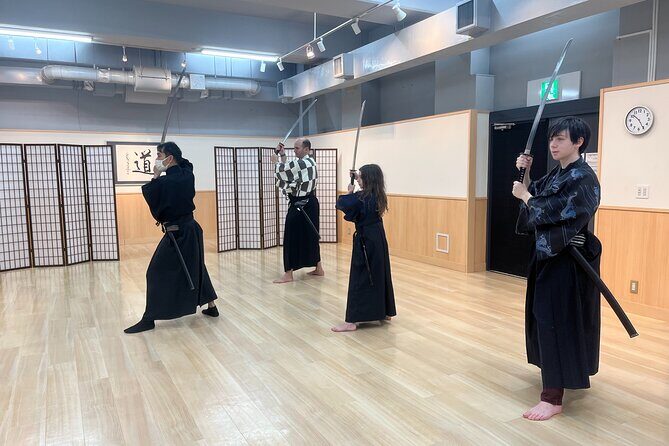
You’ll probably love this if you:
- Want an active, hands-on activity in Tokyo instead of another museum stop
- Like the idea of learning etiquette and posture, not just swinging a sword
- Want photos that look more convincing because you’ll be practicing real moves
- Are traveling as a family or with friends who enjoy shared “do something together” experiences
You might want to reconsider if you:
- Hate tight timing and need very flexible plans
- Have health or mobility concerns that could be affected by costume dressing and physical movement (even with a safe training sword)
- Really only care about watching performances rather than practicing technique
For most people, the “most travelers can participate” note is a good sign. Just remember: sword training still requires listening, focus, and following instructor cues.
Should you book this samurai sword class in Tokyo?
If you’re looking for one memorable, authentic-style experience that mixes culture with physical practice, I think Samurai’ve is a solid choice. The combination of kimono dressing, etiquette basics, real-feeling practice with a metal training katana, and a final photo shoot is a complete package for a little over an hour.
Book it if:
- You want a beginner-friendly path into sword basics
- You value professional instructors and clear guidance
- You like the idea of costume photos that come with real movement
Skip or shop alternatives if:
- You don’t want anything physical or you’re unsure about timing
- You’re only interested in a performance and not hands-on practice
FAQ
How long is the Samurai’ve samurai experience?
It runs for about 1 hour. The listed time windows are 10:30A.M.~11:30A.M. and 3:00P.M~4:00P.M.
What’s included in the class?
The experience includes samurai costumes and a katana (metal fake sword). It also includes the structured program steps and a photo shoot at the end.
Do I get to wear a kimono?
Yes. The program includes kitsuke, which teaches you how to wear the samurai costume and kimono.
Is there instruction, or is it just a show?
It’s hands-on instruction. You’ll learn basic moves of samurai sword fighting and then experience a sequence during tachimawari.
Are there options beyond the sword class?
Yes. The team can arrange a samurai performance show by the instructors, but it requires an additional fee.
Where is the meeting point?
The meeting point is Samurai Experience in Tokyo / 侍体験 / Sword Fighting Class Samurai’ve, 151-0051 Tokyo, Shibuya, Sendagaya, 3-chōme 312 Shibata Building B2.
What size group is this?
The group has a maximum of 19 travelers.
Is a mobile ticket used?
Yes, it’s listed as a mobile ticket.
Is the location near public transportation?
Yes, it’s near public transportation.
What’s the cancellation policy?
You can cancel for free up to 24 hours in advance of the experience for a full refund.