REVIEW · FUJIYOSHIDA
From Tokyo:private Mount Fuji tour with guide
Book on GetYourGuide →Operated by SADIQ TRADING CO, LTD. · Bookable on GetYourGuide
One day. One car. Plenty of Fuji magic. I like the private chartered vehicle for keeping the pace yours, and I especially love the photo lineup around Chureito Pagoda and the lakes for that classic, postcard-style view. It’s also a long day with a lot of ground covered, so if you hate driving time, you’ll want to plan on enjoying the ride and not treating this like a slow walk in a park.
What makes this outing work for most people is simple: you get a live English-speaking driver/guide setup, hotel pickup and drop-off, plus enough time at each stop to actually look around instead of just snapping pictures and sprinting. And one more thing I noticed in the feedback: a guide named Rana is specifically praised for being on time, comfortable, and well organized.
In This Review
- Key reasons this private Mount Fuji day trip feels good
- How the private charter works: comfort, flexibility, and real pacing
- Leaving Tokyo behind: the rhythm of a long-but-easy day
- Oshino Hakkai: Fuji water you can actually see
- Mount Fuji viewpoints: make time for “seeing, not just photographing”
- Lake Kawaguchiko and Oishi Park: easy lakeside Fuji
- Kitaguchi-hongu Fuji Sengen Shrine: the calm break in the cedars
- Chureito Pagoda: the classic Fuji postcard
- Gotemba Premium Outlets: smart downtime, not just shopping
- Lake Ashi, Hakone Ropeway, and Owakudani: the day’s more dramatic side
- Lake Ashi
- Hakone Ropeway
- Owakudani Valley
- Glass Forest Museum (Hakone Venetian Glass Museum) and Hakone Shrine: add-ons that keep the day interesting
- Hakone Venetian Glass Museum (Glass Forest)
- Hakone Shrine
- Logistics that actually matter: tickets, timing, and what to pack
- Tickets not included
- 5th station access is seasonal
- What to bring
- Not allowed
- Age limit
- Price and value: $332 for up to 6 people can be a good deal
- Who this private Mount Fuji day trip suits best
- Should you book this private Mount Fuji tour?
- FAQ
- How long is the tour?
- What is the price and group size?
- Where does pickup happen?
- Which languages are available for the guide?
- Are tickets for the ropeway and other attractions included?
- Can we visit Mount Fuji 5th station?
- What should we bring for the day?
- Is it suitable for everyone?
Key reasons this private Mount Fuji day trip feels good
- Flexible timing in a private vehicle so you’re not stuck watching a ticking clock
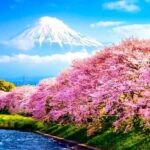
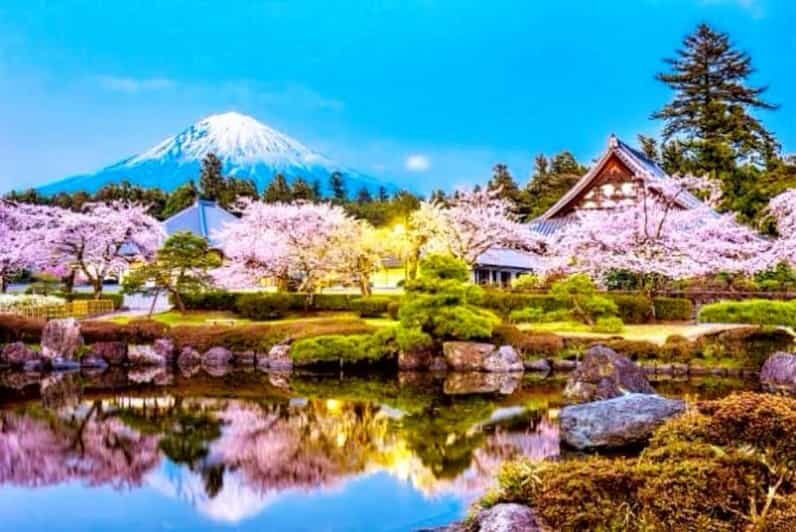
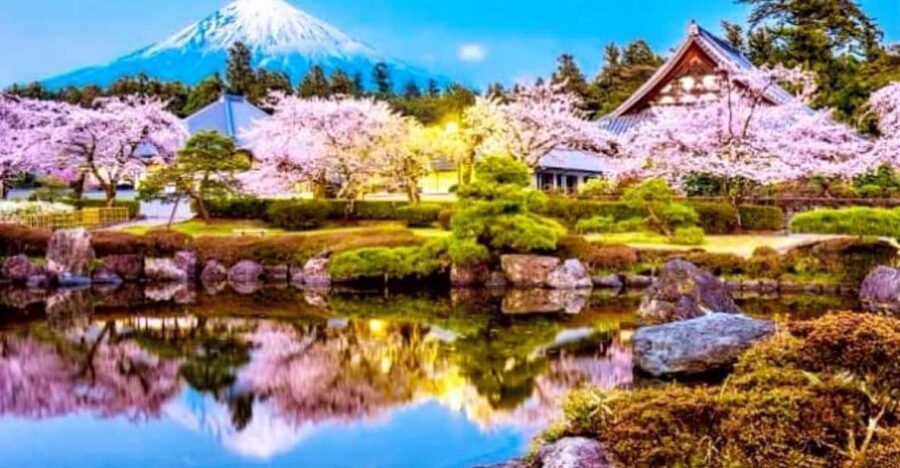
- Chureito Pagoda for the Fuji-in-frame view (and seasonal color options like cherry blossoms or autumn leaves)
- Oshino Hakkai ponds fed by Mount Fuji’s snowmelt for calm, clear reflections
- Lake Kawaguchiko plus Oishi Park for lakeside pacing and easy walking
- Hakone add-ons like Lake Ashi, the Hakone Ropeway, Owakudani Valley, and a glass museum
- One price for up to 6 people which can make it cheaper per person than group tours
How the private charter works: comfort, flexibility, and real pacing
This is a 10-hour Tokyo-based day trip designed around a private group and a chartered car. The biggest advantage is not just comfort (air-conditioning and WiFi when needed, plus bottled water). It’s control. You decide what you want to prioritize and how long you want to linger.
That matters because Fuji views are all about timing. Some days are clear, some days are not, and even on clear days the light changes fast. With a private setup, you’re less likely to feel trapped by a group schedule. You can take photos, step back from crowds, and spend the right amount of time at the stops that actually hit for you.
The main trade-off: you’re still moving a lot. The day includes multiple Fuji-area sites and then swings into Hakone. So think of it as a “best-of” day with stops, not one single slow scenic hike.
You can also read our reviews of more guided tours in Fujiyoshida
Leaving Tokyo behind: the rhythm of a long-but-easy day
Your day starts with free pickup from your hotel or apartment in Tokyo’s 23 wards. You wait about 10 minutes in the hotel lobby before departure. If you’re late, the driver may wait up to 60 minutes depending on timing—after that, plans can shift—so it’s worth being ready.
Travel time can be affected by highway traffic, and delays of up to 30 minutes can happen. That’s normal in the Tokyo region, especially on busier days. The good part is your guide handles the route and stop timing, so you’re not navigating trains, transfers, and confusing bus connections while trying to keep Fuji dreams intact.
Inside the vehicle, you’ll have an English-speaking driver and the tour guide language options listed for English, Japanese, Urdu, and Hindi. That language range helps if your group includes friends who prefer something other than English.
Oshino Hakkai: Fuji water you can actually see
Oshino Hakkai is one of my favorite parts of the day because it’s not just views—it’s water. You’ll spend about an hour here with guided context and then a bit of free time to shop and stroll.
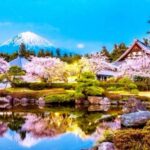
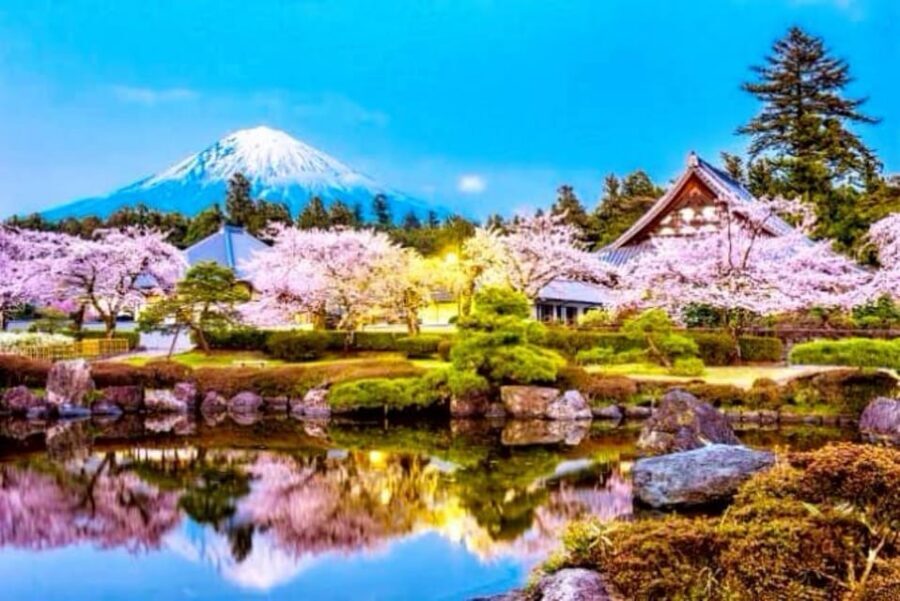
The key detail: the ponds are fed by snowmelt from Mount Fuji. The water tends to be clear and still, which is why the reflections work so well. It’s a calm stop compared to the busier photo points, and it gives your brain a breather between viewpoints.
What to expect on the ground:
- Traditional-style streets and thatched-roof vibes
- Clear ponds that make for easy, not-too-rushed photos
- A slower pace than some “big sight” stops
If you’re the type who likes understanding where a photo comes from (not just taking the photo), Oshino Hakkai is a strong choice.
Mount Fuji viewpoints: make time for “seeing, not just photographing”
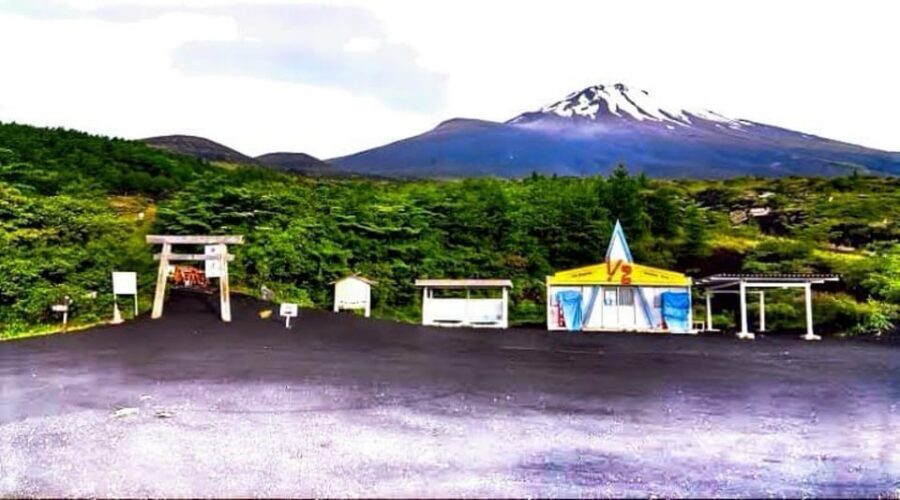
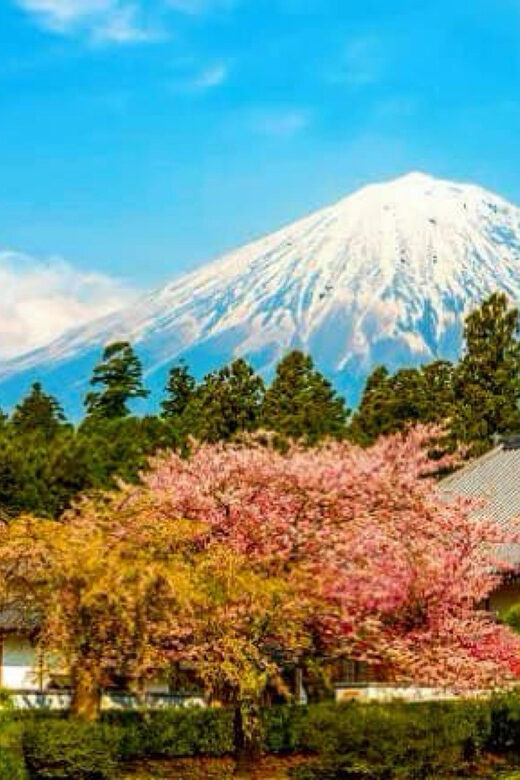
Next you’ll have time at Mount Fuji itself (about an hour, guided plus free time). This is where you should slow down a bit and do the simplest thing well: look at the mountain from different angles and notice how clouds and light change the look.
Because the tour is private, you can ask the guide what they think will be most worth your time based on current conditions. If visibility isn’t great, this is also a good moment to focus on atmosphere—forested slopes, weather changes, and the way Fuji can fade in and out.
Quick practical tip: if you want a “clean shot,” step back from the busiest spots. Even a few steps can improve your composition.
Lake Kawaguchiko and Oishi Park: easy lakeside Fuji
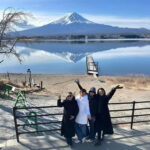
Lake Kawaguchiko is one of the Fuji Five Lakes, and this stop is built for that signature reflective look. You’ll have about 1.5 hours here, with guided time plus free time.
Then the day includes Oishi Park (about an hour). Together, these stops give you a choice: stroll around the lake area for relaxed views, or focus on the best angles for photos.
Why I like this pairing:
- Lake Kawaguchiko gives you the mirror effect potential
- Oishi Park tends to feel more like a viewpoint stop where you can slow down and frame the mountain
If you’re visiting in a season with strong color, the mountain-and-season combo can look amazing. If clouds move through, lakes can still deliver something beautiful—lighter, softer outlines instead of hard contrast.
You can also read our reviews of more private tours in Fujiyoshida

Kitaguchi-hongu Fuji Sengen Shrine: the calm break in the cedars
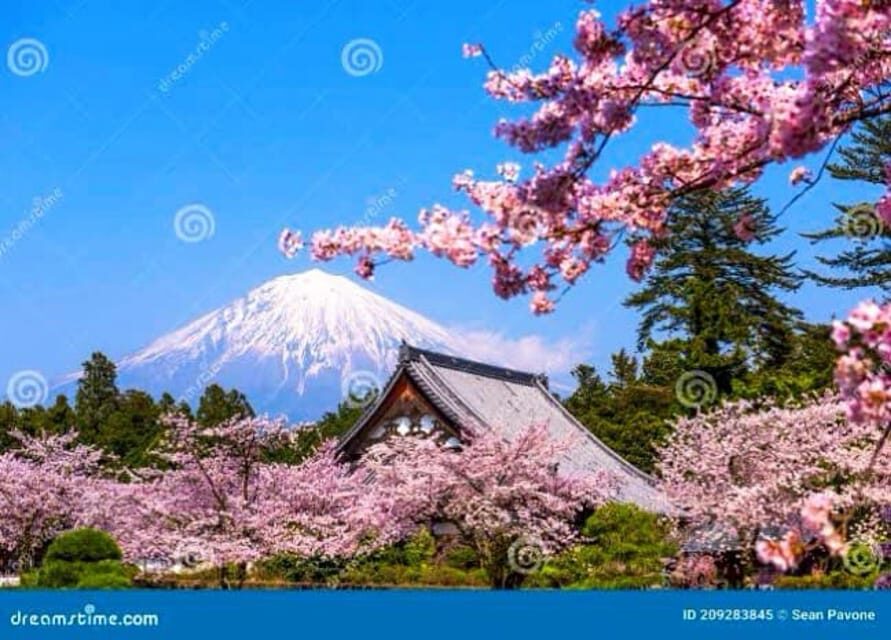
Next up is Kitaguchi-hongu Fuji Sengen Shrine. Expect about an hour with guided context and time to wander.
This isn’t a “mountain view only” stop. It’s about atmosphere and meaning. The shrine sits in a forest setting with towering cedar trees, and it’s described as a sacred pilgrimage site tied to people who sought to ascend Mount Fuji.
Even if you don’t have deep background in the religion, the physical environment helps. It’s cooler under the trees, quieter than the photo-heavy locations, and you can reset before the day turns more scenic-adventure and stops getting busier again.
Chureito Pagoda: the classic Fuji postcard
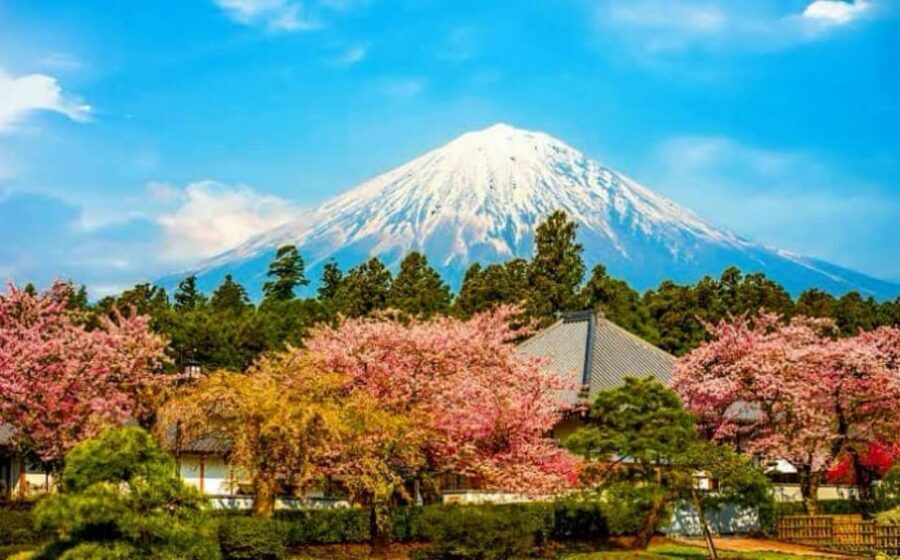
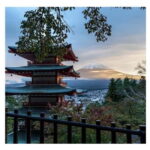
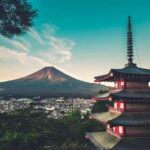
If Chureito Pagoda is your priority, this is the stop you’ll most likely remember. You’ll visit it with guided time plus about an hour of time overall for photos and wandering.
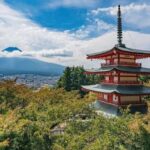
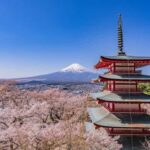
The pagoda is a five-story structure on a hillside, and it’s famous for the way Mount Fuji rises behind it. The tour info also points out that depending on season you may get cherry blossoms or autumn leaves framing the scene, which is one reason this spot is so repeatable across different travel months.
How to make the most of it:
- Give yourself a little time to reposition for better angles
- Don’t assume the first view is the best view
- Bring a camera and don’t be shy about stepping away from the busiest lanes
This is the type of place where the guide’s timing can matter. Even a short change in cloud cover can make the Fuji look crisp instead of hazy.
Gotemba Premium Outlets: smart downtime, not just shopping
After the main Fuji sights, you’ll have a longer break at Gotemba Premium Outlets—about 3 hours. This is the part of the day that’s less about nature and more about practicality: snacks, stretching, and shopping.
It can be a good choice if:
- You want a big rest stop between viewing areas
- Your group has different interests (some care about Fuji views, others care about shopping)
- You need a clean bathroom break and a chance to reset
Bring cash since cash is listed as something to have. You’ll find plenty of places to buy small essentials if you forgot something for the day.
Lake Ashi, Hakone Ropeway, and Owakudani: the day’s more dramatic side
Once you move into Hakone, the tour includes several photo stops and guided segments, with some built-in adventure options.
Lake Ashi
You get photo stops and a visit with guided time at Lake Ashi, plus time that includes hiking. This is another Fuji reflection opportunity, with the mountain appearing across the water.
Lake Ashi tends to feel a little more “movie scene” than the Fuji lakes near Kawaguchiko. Even if you’re not a hardcore hiker, the gentle walking and photo viewpoints usually make sense for most ages.
Hakone Ropeway
The Hakone Ropeway ride is included, with photo stops before/around the cable car experience. The area is associated with volcanic scenery, and the idea is to rise above the region for panoramic views of Mount Fuji and the surroundings.
This part can be a win even if Fuji isn’t perfectly clear. The volcanic setting has its own character, with steam vents and dramatic terrain.
Owakudani Valley
You’ll have photo stop time and guided time at Owakudani Valley. This is all about the geothermal feel—steaming ground and that unmistakable sulfurous vibe people travel to see.
If you’re sensitive to strong smells, be ready. If not, it’s a memorable contrast to the calm ponds and cedar forest earlier in the day.
Glass Forest Museum (Hakone Venetian Glass Museum) and Hakone Shrine: add-ons that keep the day interesting
Two more stops round out the Hakone portion:
Hakone Venetian Glass Museum (Glass Forest)
You’ll stop for photo moments and guided time at Hakone Venetian Glass Museum, also known as Glass Forest. This is a good “inside/outside interest” stop if you want a break from the outdoor viewpoints and cable cars.
Hakone Shrine
You’ll also have a photo stop plus guided time and a walk at Hakone Shrine. It’s another cultural anchor that keeps the day from feeling like only transport and photos.
Together, these stops give you variety. Instead of repeating the same kind of view multiple times, you get different textures: water, volcanic ground, glass art, and a shrine walk.
Logistics that actually matter: tickets, timing, and what to pack
A few practical notes help you avoid surprises.
Tickets not included
- Mr Fuji 5th station entry ticket (and, importantly, 5th station is not always accessible by private vehicle)
- Ropeway or motorboat tickets
- Saiko Iyashi no Nemba village entry ticket
The ropeway is listed as part of the day, but ticket inclusion is explicitly not guaranteed, so I’d treat this as a possible extra you may need to pay depending on what’s included in your exact booking confirmation.
5th station access is seasonal
There’s a strict rule during peak hiking-season dates: from 1 July to 10 September, private vehicles cannot go to the 5th station. If you want the 5th station during that period, you’d need the shuttle bus service from Mount Fuji’s parking lot, priced at 1000 yen (not included).
If 5th station is a must for you, plan your travel dates carefully, or be ready for the shuttle.
What to bring
- Camera
- Comfortable clothes
- Cash
You’ll also be in and out of vehicle a lot, so comfortable shoes matter even if no one says it out loud. Think “standing and walking for viewpoints.”
Not allowed
Smoking in the vehicle is not allowed.
Age limit
This tour isn’t suitable for people over 95 years.
Price and value: $332 for up to 6 people can be a good deal
At $332 per group up to 6, the value depends on your group size. If you’re traveling as a couple or a small group, private touring like this can still feel expensive compared to public transport—but it often becomes worth it when you add up the time saved, fewer transfers, and the ability to adjust the day if the weather shifts.
Also, you’re getting:
- Hotel pickup and drop-off
- An air-conditioned vehicle with WiFi when needed
- English-speaking driver and live guided commentary
- Water provided
For many people, the real cost is not the money—it’s the mental energy of planning a day around multiple Fuji-area locations. This tour takes that planning burden off you.
A quick “value check” question: if you would normally spend hours sorting buses, trains, and timing, this becomes a convenience purchase that also gets you better flow.
Who this private Mount Fuji day trip suits best
This fits well if you:
- Want a private day from Tokyo without wrestling public transit
- Like a structured itinerary but still want flexibility
- Care about the big Fuji-photo moments (Chureito Pagoda and lake reflections)
- Also want variety beyond Fuji into Hakone sights
It’s less ideal if you:
- Want a slow, one-area nature day only
- Hate long days with multiple stops
- Are very sensitive to traffic delays and don’t want any uncertainty
Should you book this private Mount Fuji tour?
I’d book it if you want a one-day, high-coverage Fuji + Hakone experience that doesn’t feel like a frantic bus tour. The biggest selling points are the private charter for flexible pacing, the iconic Chureito Pagoda viewpoint setup, and the calmer Fuji-water moments at Oshino Hakkai and Kawaguchiko.
If you’re a strict “I want only Mt Fuji and only one lake” person, you might feel the Hakone portion is a lot. But for most visitors, it’s a smart way to see different sides of the region in a single day.
FAQ
How long is the tour?
It runs for 10 hours total.
What is the price and group size?
The price is $332 per group, and it accommodates up to 6 people.
Where does pickup happen?
Pickup is free from your hotel or apartment in Tokyo’s 23 wards. Pickup is not available from airports, ports, or stations.
Which languages are available for the guide?
The live tour guide can be English, Japanese, Urdu, and Hindi.
Are tickets for the ropeway and other attractions included?
No. Ropeway or motorboat tickets are listed as not included, and other entry tickets also aren’t included.
Can we visit Mount Fuji 5th station?
Private vehicles cannot go to the 5th station during 1 July to 10 September. If you want the 5th station then, you’d need the shuttle bus from the parking lot for 1000 yen.
What should we bring for the day?
Bring a camera, comfortable clothes, and cash.
Is it suitable for everyone?
No, it is not suitable for people over 95 years. Smoking is not allowed in the vehicle.