REVIEW · FUJIYOSHIDA
Mount Fuji Full-Day Private Customizable Tour From Tokyo
Book on GetYourGuide →Operated by Mount Fuji Discoveries · Bookable on GetYourGuide
Mount Fuji in one long, well-timed day sounds great. What makes this tour interesting is the way it strings together the classic Fuji photo spots plus quieter, more spiritual stops, all with private hotel pickup and the option to shape the day around what you care about. I particularly like the chance to photograph the Chureito Pagoda with seasonal framing, and the walk through Oshino Hakkai’s clear ponds that reflect the mountain in a way you really notice up close.
One thing to plan for: parts of the experience cost extra, like Mt. Fuji 5th Station entry and certain rides (ropeways and the Lake Ashi boat/motorboat). You’ll also need to budget for food and drinks, since they’re not included.
In This Review
- Key Things That Make This Fuji-and-Hakone Day Special
- Why This Private Tokyo-to-Fuji Day Trip Feels Less Like a Checklist
- Chureito Pagoda: The Spring-Cherry and Autumn-Red “Must-Photo”
- Oshino Hakkai Ponds: Clear Water, Simple Walking, Strong “Wow”
- Kitaguchi Hongu Fuji Sengen Shrine: Where Fuji Feels Sacred
- Lake Kawaguchi and Oishi Park: The Fuji Reflection Experience
- Ropeway and Cruise Choices: Mt. Kachi Kachi, Lake Ashi, and Hakone
- Lake Ashi Cruise: Traditional Boat or Pirate Ship Theme
- Hakone Ropeway: Volcanic Terrain Views and Hot-Spring Area Energy
- Hakone Open-Air Museum: Art With a Fuji Backdrop
- Optional Adds That Make the Day Feel Different: Lake Yamanaka and Fugaku Wind Cave
- Price and Value: What $374 for Up to 6 Really Covers
- Practical Planning: Shoes, Snacks, Weather, and Photo Timing
- Who This Tour Suits Best (And Who Should Think Twice)
- Should You Book Mount Fuji Discoveries’ Private Tour?
- FAQ
- Is hotel pickup and drop-off included?
- What costs are not included in the tour price?
- How early should I arrive at the meeting point?
- What languages are available for the guide?
- Is there an age limit?
- What’s the cancellation policy?
Key Things That Make This Fuji-and-Hakone Day Special

- Chureito Pagoda in seasonal “Mount Fuji + blossoms/leaves” mode for iconic views
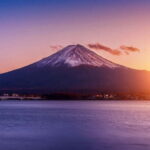
- Oshino Hakkai ponds fed by Mt. Fuji snowmelt, with reflections that feel almost unreal
- Kitaguchi Hongu Fuji Sengen Shrine, a pilgrimage site under tall cedar trees
- Lake Kawaguchi viewpoints and optional boat time, with Oishi Park nearby
- Lake Ashi cruise plus Hakone Open-Air Museum, mixing scenery and art
- Fugaku Wind Cave near Aokigahara Forest, with cool temperatures and preserved ice pillars
Why This Private Tokyo-to-Fuji Day Trip Feels Less Like a Checklist
A full-day Mount Fuji outing can be hectic when you’re herded with lots of people. This one is built around a private group up to 6, with air-conditioned transportation and hotel pickup and drop-off, so your day stays calmer and more flexible. That matters because Fuji-area sightseeing has lots of moving parts—walking, waiting for photos, and switching between viewpoints.
Another smart choice: you’re not only seeing views. You’re also getting stops tied to how people actually experience Mount Fuji—shrines, ponds, and lake perspectives—so the day feels more local than just scenic driving.
If you’re the type who likes to move at your own pace, this is where private touring pays off. Guides such as Saim, Dalawar, and Tee are specifically noted for being patient and helpful with photo moments, plus making sure you stay comfortable through the long drive.
You can also read our reviews of more private tours in Fujiyoshida

Chureito Pagoda: The Spring-Cherry and Autumn-Red “Must-Photo”

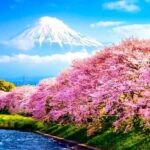
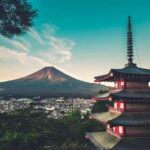
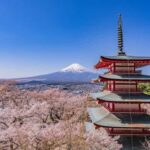
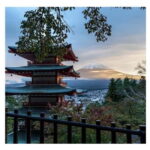
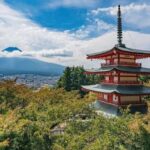
The day starts (and photo-hunts usually begin) at the Chureito Pagoda area. This is a hillside, five-story pagoda that gives you one of Japan’s most recognizable Mount Fuji backdrops. In spring, you can get the classic framing with cherry blossoms; in autumn, you may see the same scene with warm red tones.
What I like about this stop is that it’s not just about standing still. You’ll be walking around the area and adjusting where you stand to line up Fuji with the pagoda. Even if you’re not chasing a perfect shot, it’s one of those locations where your eyes keep catching new angles.
Oshino Hakkai Ponds: Clear Water, Simple Walking, Strong “Wow”

Next comes Oshino Hakkai, a traditional village known for its clear ponds fed by Mt. Fuji’s snowmelt. This is one of the best “slow down” sections of the day. Instead of moving from platform to platform, you get walking paths, thatched-roof scenery, and pond reflections that look crisp.
A practical tip: bring your camera and take a few minutes early in the walk. Reflections can change as the light shifts and as you move around the pond edges. If you’re traveling in a season with strong color (and Mt. Fuji is visible), this stop tends to deliver that cinematic look people hope for.
Kitaguchi Hongu Fuji Sengen Shrine: Where Fuji Feels Sacred

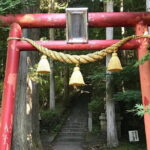
Then you head to Kitaguchi Hongu Fuji Sengen Shrine, one of the revered sites tied to pilgrims who historically climbed Mount Fuji. The setting is a big deal: tall cedar trees surround the shrine, and the air feels quieter and more grounded than the busy viewpoints.
This is the stop that can turn a “scenery day” into a meaningful day. Even if you’re not into religious sites, you’ll likely appreciate the atmosphere and the way it breaks up the day’s photo rhythm.
Lake Kawaguchi and Oishi Park: The Fuji Reflection Experience

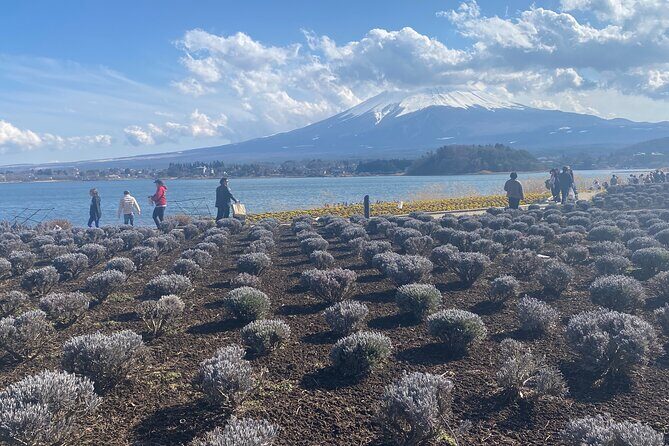
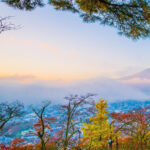
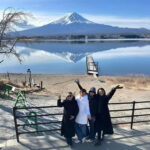
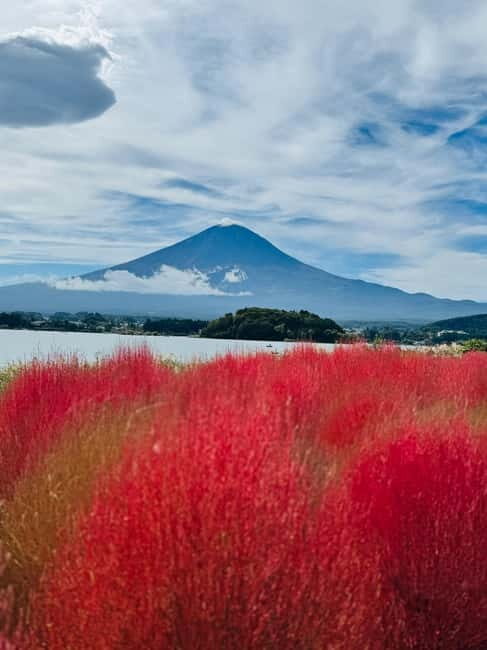
At Lake Kawaguchi, you get the Fuji reflection moment that many people imagine when planning a trip. The view is calm, and it’s a good place to slow your pace—either with a lakeside walk or with a boat experience if you want to get a different perspective on the mountain across the water.
Afterward, you may visit Oishi Park, where seasonal flowers line the lake edge. This area works well for travel days because it’s scenic without being complicated. You can spend time wandering, then regroup with your guide before the next transfer.
If you’re feeling energetic, there’s also the Mt. Kachi Kachi Ropeway area nearby. A cable car ride here gives you higher views over the lake and surrounding area, which can be a nice change after the pond and shrine sections.
A few more Fujiyoshida tours and experiences worth a look
Ropeway and Cruise Choices: Mt. Kachi Kachi, Lake Ashi, and Hakone
This is where the day starts to feel like a “choose your adventure” day—still in a structured route, but with options for how you want to experience altitude and water.
Lake Ashi Cruise: Traditional Boat or Pirate Ship Theme
Lake Ashi is a highlight because it connects scenery to motion. You’ll take a boat ride and look for Mount Fuji’s reflection across the water. The experience can be either a traditional boat ride or a themed pirate ship-style option, so it’s worth deciding based on your group’s mood—serious photo time versus something more playful.
From a practicality standpoint, the cruise can also give you a break from walking. It’s a good reset when the day starts to add up.
Hakone Ropeway: Volcanic Terrain Views and Hot-Spring Area Energy
Later, you can experience the Hakone Ropeway, which travels over volcanic terrain and hot-spring area views. Even when you’re not focused on geology, the ride changes your perspective on the area in a way that driving alone can’t.
If you care about views that feel “bigger” than the lakes, the ropeway stop is usually the section that delivers it.
Hakone Open-Air Museum: Art With a Fuji Backdrop
Then there’s the Hakone Open-Air Museum, where sculpture installations show up against outdoor scenery. This is a nice change of pace because it gives you something to look at besides the mountain itself.
I like stops like this on a long day because they give your brain a break from constant horizon-scanning. You can walk at a comfortable pace, enjoy the art, and still keep the Fuji area as part of the visual background.
If you’re traveling with someone who isn’t obsessed with mountain views, this is one of the reasons the day stays enjoyable for more than just the “I came for photos” crowd.
Optional Adds That Make the Day Feel Different: Lake Yamanaka and Fugaku Wind Cave
Depending on how your guide customizes the route, you might also fit in Lake Yamanaka. It offers another Mount Fuji angle, with a lakeside feel that’s often more relaxed than the busiest viewpoints.
For something very different, consider Fugaku Wind Cave near Aokigahara Forest. This lava cave stays cool year-round, and you’ll see preserved natural ice pillars and lava formations. It’s not the kind of stop people forget, because it’s a full sensory change—cool air, stone textures, and a clear reminder that this region is shaped by volcanic forces.
Price and Value: What $374 for Up to 6 Really Covers
The price is $374 per group (up to 6), which is a big part of the value story. If you’re traveling as a small group—family, friends, or two couples—private touring can stop feeling like a luxury and start feeling like good math.
What’s included is a lot of the “expensive in time and stress” parts:
- hotel pickup and drop-off
- air-conditioned transportation
- driver and guide
What’s not included are the items that can surprise people who hate surprise costs:
- Mt. Fuji 5th Station entry ticket
- ropeway or motorboat/boat ticket
- food and drinks
So the realistic way to budget is: think of the tour price as covering transport, guiding, and the structure of the day, then add your estimated spend for those separate tickets and meals. That’s usually easier than trying to lock every cost in advance.
Also, because the tour is private, the value tends to be strongest when you’ll actually use the flexibility—asking for photo moments, adjusting timing between stops, or taking breaks before the next walk.
Practical Planning: Shoes, Snacks, Weather, and Photo Timing
This is a walking-heavy day, even with private transport. Wear comfortable shoes that handle uneven outdoor paths and pond-side walking. Bring a camera if photos matter to you, and pack snacks and water since food and drinks aren’t included.
Weather is important here, not as a mood-killer but as a comfort factor. You’ll want to check the forecast and dress appropriately for the day.
One more small detail that matters: arrive at the meeting point 15 minutes before departure. It keeps transfers smooth and helps the schedule hold up when you’re dealing with a long day outside Tokyo.
And yes, follow the rule: no smoking in the vehicle.
Who This Tour Suits Best (And Who Should Think Twice)
This tour is designed for groups that want a private, structured day without wasting hours figuring out trains, transfers, and ticket timing. It’s a strong fit for small groups who care about getting the big Fuji sights while also wanting shrine/pond/lake variety.
There’s also an age note you should take seriously: it’s not suitable for people over 95 years. If anyone in your group has mobility limits, plan conservatively with your guide and expect outdoor walking at multiple stops.
If you’re the solo traveler type, note that the price is per group up to 6, so you’ll usually get the best value if you can share the cost with others or choose a day when private pricing is worth it for your preferences.
Should You Book Mount Fuji Discoveries’ Private Tour?
I’d book this tour if you want a well-paced, small-group day where Mount Fuji isn’t just one viewpoint, but a set of different experiences: pagoda framing, pond reflections, pilgrimage atmosphere, lake views, and a Hakone art stop. The private format also makes a difference. Guides like Saim, Tee, and Dalawar have been described as friendly, professional, and helpful with photos—exactly the kind of support that keeps a long day enjoyable.
I’d think twice if you strongly dislike extra ticket add-ons, because 5th Station entry and ropeway/boat tickets aren’t included. If your budget is tight, you’ll want to price out those separate costs before you go.
FAQ
Is hotel pickup and drop-off included?
Yes. The tour includes hotel pickup and drop-off as well as a driver and air-conditioned transportation for the day.
What costs are not included in the tour price?
Food and drinks are not included. You also need to pay separately for Mt. Fuji 5th Station entry and for ropeway or motorboat/boat tickets.
How early should I arrive at the meeting point?
Arrive at the meeting point 15 minutes before departure.
What languages are available for the guide?
The tour supports guides in English, Hindi, and Arabic.
Is there an age limit?
Yes. The tour is not suitable for people over 95 years.
What’s the cancellation policy?
You can cancel up to 24 hours in advance for a full refund.