REVIEW · NARA
Nara: Half-Day Private Tour of 4 Must-See Spots & Deer Park
Book on GetYourGuide →Operated by DeepExperience, Inc. · Bookable on GetYourGuide
Nara’s deer will steal your snack. This private half-day tour strings together the big-name UNESCO sites and the places in between, with a local guide translating the meaning behind the stones and lanterns. I love the first-rate mix of Todai-ji and Kasuga Taisha, and I also like that you’re not just sightseeing—you’re feeding the sacred deer with provided crackers. One thing to think about: it’s still a lot of walking in a 5–7 hour window, and it’s not ideal for anyone who needs step-free access.
You’ll start with a guided walk through Nara’s temple core, then move to Nara Park for deer interaction and Kasuga Taisha’s red shrine world. The pace feels “do-able but full,” which is exactly what you want when Nara is only on your schedule for half a day. The main drawback is simple: food isn’t included, and you’ll need to plan for lunch plus some extra water time.
In This Review
- Key things that make this Nara tour work so well
- Why this half-day Nara plan feels better than a checklist
- Meeting points and timing: plan your half-day realistically
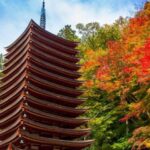
- Kōfuku-ji: setting the tone with pagoda scale and temple atmosphere
- Todai-ji and the Great Buddha: guardian statues to big-scale silence
- Nara Park deer feeding: cute, sacred, and very real etiquette
- Kasuga Taisha: lantern-covered shrine drama without the guesswork
- Naramachi old town: life beyond Tokyo’s pace
- Lunch and budgeting: what’s included, what you pay for
- What you actually pay for at $120 per person
- Who this tour suits (and who should skip it)
- Practical rules so your day stays smooth
- Should you book this Nara half-day private tour?
- FAQ
- What is the duration of the Nara half-day private tour?
- Which sites are included in the tour?
- Are entrance fees included?
- Is lunch included?
- What is included for the deer experience?
- What are the rules for photography and smoking?
- Is this tour private and what languages are offered?
Key things that make this Nara tour work so well
- Private local guide with English or Japanese, so you can ask questions as you walk
- Kofuku-ji plus the five-story pagoda setting, giving you a smart warm-up before Todai-ji
- Todai-ji focus, including the Great Buddha area and the viewpoint from Nigetsu-do
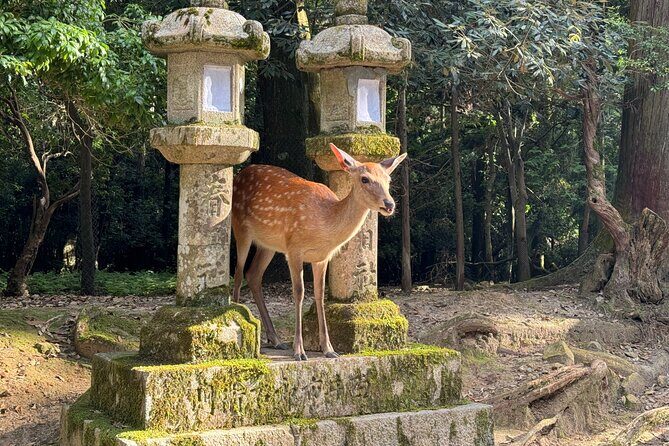
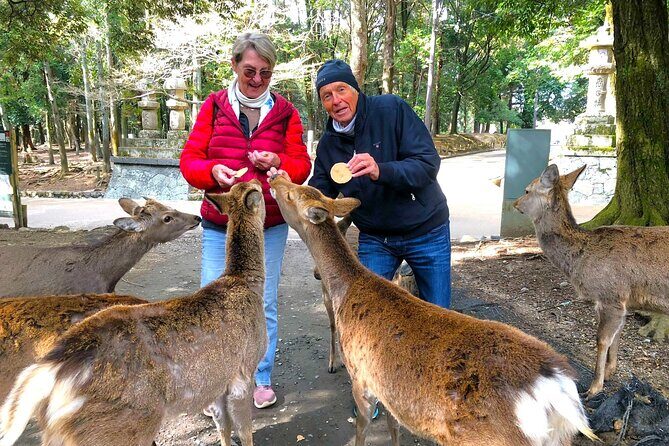
- Nara Park deer feeding with deer crackers provided, plus guidance for safe, respectful interaction
- Kasuga Taisha lantern hall moments, including the red shrine area with hundreds of lanterns
- Naramachi old-town walk, with time to enter a merchant house and see daily life
Why this half-day Nara plan feels better than a checklist
Nara gets crowded fast when you only have a short window. This tour is built to keep you moving with purpose, not just hopping between photo spots. Since it’s private, your guide can pace the route around what you’re seeing—temple scale, religious details, and the rhythm of the park.
It also helps that the itinerary doesn’t treat the deer as the main event and everything else as filler. You’ll get temple context first, then the park clicks into place. The result is less random walking and more like you’re getting a guided story arc across the afternoon.
And yes, you still get the classic Nara drama: guardian statues at Todai-ji, the Great Buddha moment, and deer expecting treats like they’ve got a job to do.
You can also read our reviews of more private tours in Nara
Meeting points and timing: plan your half-day realistically
You pick from one of three starting options—行基菩薩像, a Lawson at 難波二丁目 (Namba 2-chome), or 近鉄京都駅 (Kintetsu Kyoto Station). Drop-off can be at 行基菩薩像 or at 近鉄奈良駅 (Kintetsu Nara Station), depending on the option you book.
That flexibility is useful because it can save you the “How do I get there?” headache. Still, transportation to and from the sites isn’t included, so you’ll want to arrive with a plan (especially if you’re traveling from Kyoto or Osaka). The tour itself runs about 5–7 hours, with guided segments like 25 minutes at Kofuku-ji and up to about 2 hours at Todai-ji.
Wear comfortable shoes. You’re moving most of the day, and the walking is part of why the tour feels natural instead of rushed.
Kōfuku-ji: setting the tone with pagoda scale and temple atmosphere
Most Nara days start with Todai-ji, but this one builds momentum. First stop is Kōfuku-ji, guided for about 25 minutes. You’ll go through a shopping arcade area first, which helps you get your bearings and gives the day a real street-level start instead of jumping straight into temple formality.
Kōfuku-ji is known for its five-story pagoda, and getting there early (before the biggest crowd pressure at the larger sites) makes the photos easier. More importantly, your guide uses this stop as an orientation point: what you’re seeing, why it matters, and how it connects to the next stage of the day.
A small practical tip: if you want clean photos of the pagoda, keep a little buffer time. You’re on a guided schedule, so don’t count on a long wander here.
Todai-ji and the Great Buddha: guardian statues to big-scale silence
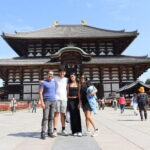
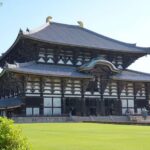
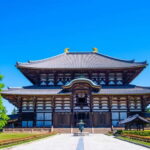
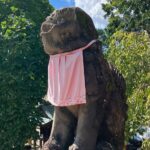
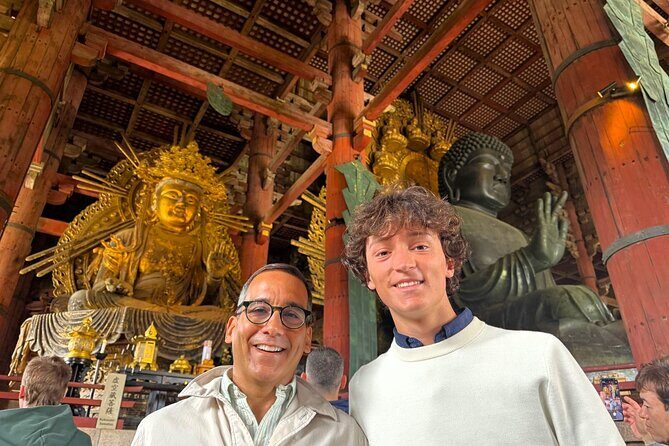
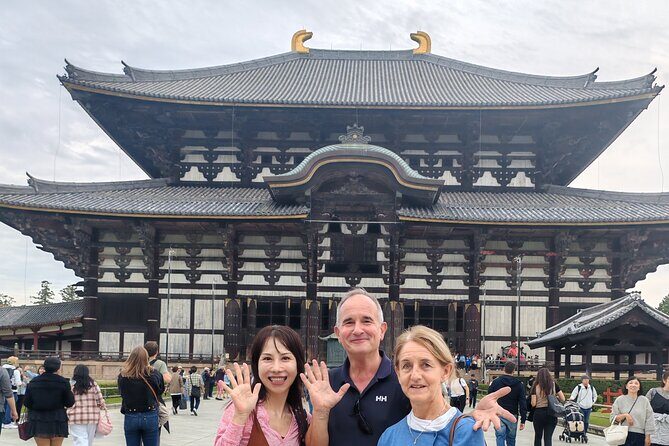
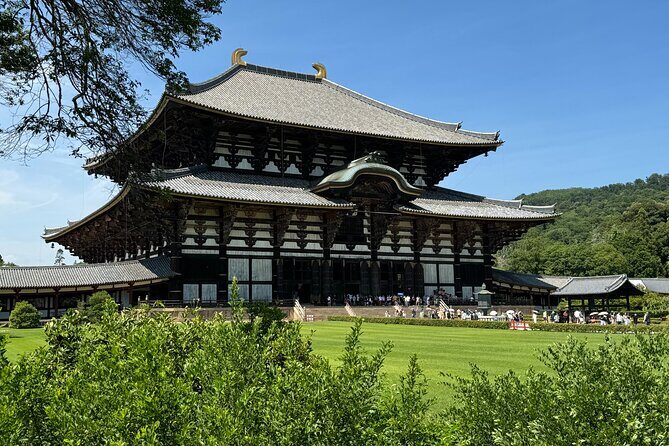
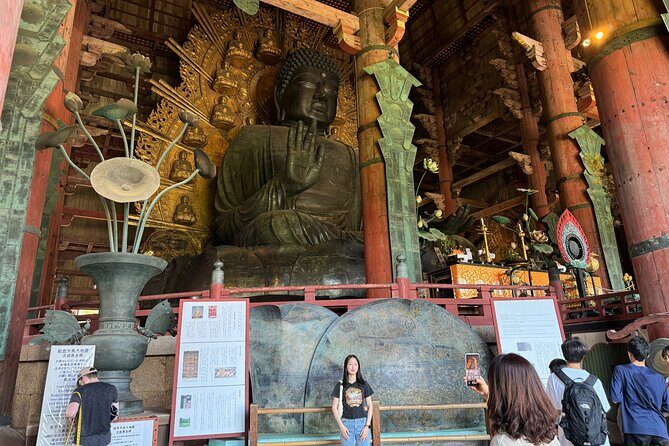
Then comes the showpiece: Tōdai-ji, with about 2 hours of guided time. As you approach, you’ll be greeted by two imposing guardian statues known as Kongō Rikishi. It’s a dramatic entry, and it sets your mindset: you’re not just looking at a building, you’re entering a sacred space with formal visual rules.
From there, your guide leads you to the Great Buddha statue. This is the moment that usually makes people stop talking for a second (even if you’re the type who narrates everything). The scale hits in a way that photos can’t fully recreate.
After you’ve seen the Great Buddha, you’ll also visit Nigetsu-dō for a view over Nara. It’s located at the top area within Todai-ji, and it’s one of those stops that turns the temple visit into a wider sense of place. You get to connect the religious complex to the city and park layout, instead of thinking of them as separate tourist zones.
One caution: flash photography isn’t allowed, so plan on steady hands and good timing rather than hoping for a quick burst shot. If you like nighttime-style lighting effects, don’t aim for that here. Bring your eyes and accept the shadows like a local.
Nara Park deer feeding: cute, sacred, and very real etiquette
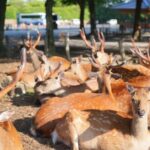
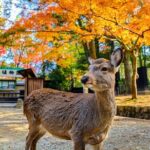
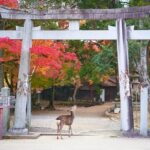
Next you’ll head into Nara Park for a photo stop and guided time. This is where the tour leans into the unique Nara personality: sacred wild deer that are believed to be divine messengers for over 1,200 years.
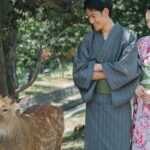
Deer crackers are included, and your guide’s instructions matter here. The interaction isn’t a free-for-all. You’ll learn how to feed them properly and how to stay respectful. That’s not just etiquette—your comfort depends on following the pace of the group and the guide’s cues.
What I like about this part of the tour is that it’s framed as cultural meaning, not just animal selfies. You still get the fun moment, but you also understand why people treat the deer with extra care.
Practical note: you’ll want water and a hat in warm weather. Deer parks are open and sun-exposed, and the tour is still a walking day. Snack logic helps too—keep your focus on the included crackers and don’t treat everything in your bag as deer inventory.
A few more Nara tours and experiences worth a look
Kasuga Taisha: lantern-covered shrine drama without the guesswork
After Nara Park, you walk toward Kasuga-taisha, where many wild deer gather. Your guided time here is about 20 minutes, which sounds short until you see what the shrine area is like. This stop is about seeing the place correctly, not spending all afternoon hunting viewpoints.
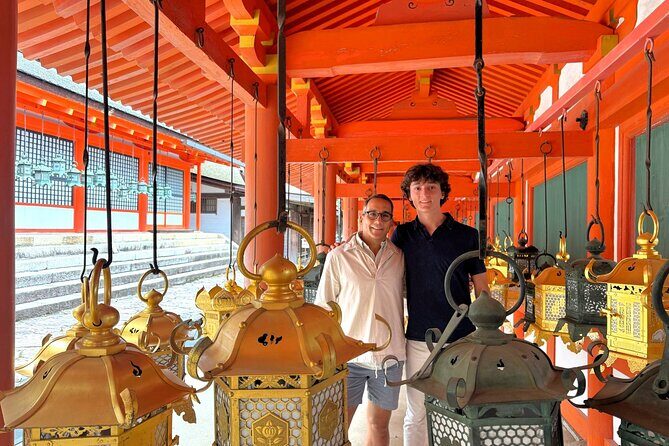
Kasuga Taisha is famous for its red shrine housing hundreds of lanterns, and walking through that atmosphere makes the spiritual tone feel immediate. The guide’s commentary helps you understand what you’re looking at: why the lanterns are there, how they fit into worship, and how the deer and shrine relationship shows up in daily life.
The short guided window is a smart value choice for a half-day tour. You get the meaning and the key photo angles without turning your schedule into a full-day shrine marathon.
Naramachi old town: life beyond Tokyo’s pace
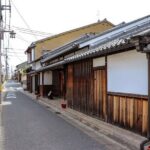
Then you’ll step into Naramachi, the older town area. This isn’t just a walk-by. You get about 20 minutes of guided time, including a look at an area that feels different from metropolitan Tokyo.
You’ll walk among historical buildings, and you can even go inside a merchant’s house to see how people here lived. That “inside look” is the part I find most useful, because it turns the architecture from a pretty background into something you can understand.
This stop gives your day balance. You’ve spent big chunks of time in major religious sites. Naramachi slows the pace just enough to restore context and remind you that Nara isn’t only temples—it’s also residents, trades, and older routines shaped by centuries.
Lunch and budgeting: what’s included, what you pay for
The itinerary sets aside time for lunch, roughly 45 minutes with guidance. It’s described as a good old restaurant serving traditional Japanese lunch.
But the “Included” list doesn’t say food and drinks are covered. So treat lunch as something you’ll pay for during the tour. The good news: your guide will help you land in a local spot rather than sending you on a random search during your most hungry hour.
If you’re sensitive to heat, plan to drink water before you feel thirsty. You’ll be walking, and you’ll also be in open areas near the park. Bringing sunscreen and a hat isn’t overkill—it’s what keeps your afternoon enjoyable.
What you actually pay for at $120 per person
At $120 per person, the value comes from three things working together:
First, it’s private. That means you get a guide’s attention for your group size, rather than sharing explanations with strangers. In a place where the “why” matters—especially for religious sites—that can make a real difference.
Second, entrance fees for Todai-ji Temple and Kofuku-ji Temple are included. That can be meaningful on a short itinerary where you want to hit the key spots without playing ticket-timing games.
Third, deer interaction includes deer crackers, plus the guidance that helps you do it safely and respectfully.
What’s not included is also part of the math: transportation to and from the attractions, and food and drinks. If you’re traveling from elsewhere in the Kansai area, factor in your transit costs so you don’t get surprised.
Overall, this is a good spend if you want the high-impact sites with explanation, plus the deer experience, without losing half your day to logistics.
Who this tour suits (and who should skip it)
This works best for travelers who want a focused Nara day and prefer a guide over guessing. It’s especially good if you care about learning the context behind temples and shrine culture, not only taking pictures. Families can enjoy the deer part, as long as everyone can walk comfortably.
It’s not suitable for people with mobility impairments or wheelchair users, because it involves walking and doesn’t promise step-free access.
Also, be honest about your pace tolerance. The schedule moves from Kōfuku-ji to Todai-ji to Nara Park to Kasuga Taisha and ends with Naramachi. If you’re the type who needs frequent long rests, you might find it tiring.
Practical rules so your day stays smooth
A few things are clearly set:
- No smoking
- No flash photography
- Bring comfortable shoes, a hat, sunscreen, and water
Those rules aren’t just formalities. If you dress for sun and walking, and you follow the photography limits, the whole day feels calmer.
Should you book this Nara half-day private tour?
I’d book it if you want the core Nara landmarks—Todai-ji, Kasuga Taisha, Kofuku-ji—plus the deer feeding and a look at Naramachi, all in one organized afternoon. The guide time is what you’re really paying for, and the included entrance tickets and deer crackers help justify the price.
Skip it if you don’t like walking, if you need wheelchair-friendly logistics, or if you’re trying to keep costs ultra-low and don’t want to pay for a private guide. In those cases, you may be happier piecing together your own route and deciding on deer feeding and lunch separately.
If you do book, go in with one mindset: Nara is small but meaningful. When you connect the temples, shrine, and park together, the day makes more sense.
FAQ
What is the duration of the Nara half-day private tour?
The tour duration is listed as 5–7 hours, depending on the starting time and how the guided segments fall.
Which sites are included in the tour?
You’ll visit Kōfuku-ji, Nara Park (with deer interaction), Tōdai-ji (including the Great Buddha area and Nigetsu-dō), Kasuga-taisha, and Naramachi.
Are entrance fees included?
Yes. Entrance to Todai-ji Temple and Entrance to Kōfuku-ji Temple are included.
Is lunch included?
Lunch time is part of the day, but food and drinks are not included, so you should plan to pay for your meal.
What is included for the deer experience?
You get deer crackers and guided interaction with the sacred wild deer in Nara Park.
What are the rules for photography and smoking?
Smoking is not allowed, and flash photography is not allowed during the tour.
Is this tour private and what languages are offered?
It’s a private group tour with a live guide. The guide languages are English and Japanese.