REVIEW · NARA
Nara:Private Tea Ceremony(Max 5 ppl) -Master Matcha Making-
Book on Viator →Operated by Tea Lounge Navi Cafe · Bookable on Viator
Five people, one quiet cup, and time slows down. This private tea ceremony in Nara pairs a calm, traditional setting with real hands-on matcha practice, plus a one-on-one feel that makes it easy to ask questions. You’re not just watching. You’re learning how the ritual works and what to notice as the flavors change.
I especially liked the two types of Nara single-origin matcha tastings. Comparing aroma and taste side by side helps you understand why people treat matcha like something more than a drink. The other standout is whisking your own bowl with the bamboo whisk (chasen) while a tea master guides you, including proper use of utensils and basic tea ceremony etiquette—so it’s satisfying, not intimidating.
A small drawback to plan around: it’s about 1 hour, so you’ll get a strong introduction, but not a full, day-long deep study. Also, the price is $50.85 per person, and transportation isn’t included, so factor that into your day.
In This Review
- Key highlights you’ll feel right away
- Stepping into a 120-year-old Japanese house in Nara
- The two-matcha tasting: how to find your favorite
- Learning etiquette and utensil basics (without feeling put on the spot)
- The chasen moment: whisking your own matcha
- What the tea master demonstration adds before you start
- Included refreshments: coffee/tea and a Japanese sweet
- Who this suits best in Nara
- Price and value for a $50.85 private session
- What to do with your new matcha skills after the ceremony
- Should you book this Nara matcha ceremony?
- FAQ
- FAQ
- How many people are in the private tea ceremony?
- How long does the tea ceremony last?
- What matcha will I taste and make?
- What’s included in the price?
- Is transportation to the meeting point included?
- Can I cancel and get a full refund?
Key highlights you’ll feel right away

- A private session for up to 5 in a calm tea-house setting in Nara
- Taste two Nara single-origin matcha styles and figure out what you prefer
- One-on-one instruction with a tea master, with questions encouraged
- Hands-on matcha whisking using a chasen (bamboo whisk)
- A structured basics lesson: history, etiquette, and how to handle utensils
- Coffee/tea plus a Japanese sweet included, so it’s not just tea talk
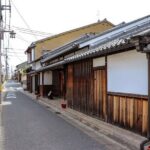
Stepping into a 120-year-old Japanese house in Nara

This experience starts at Guesthouse Naramachi (30 Kitakyōbatechō, Nara). It’s near public transportation, and the session ends back at the meeting point, so you’re not stuck figuring out complicated transfers afterward. One practical plus: you get a mobile ticket, which keeps the whole thing simple.
The biggest reason this setting matters is what you feel as soon as you arrive. You’re in a historic Japanese house that sets a slower rhythm. The tour is private (max 5 people), so the focus stays on your group instead of blending into a larger class. That matters when you want to ask questions or when you’re coming with family and need room to breathe.
If you like experiences where the atmosphere does half the work, this is for you. A tea ceremony is built around attention—how you sit, how you move, and how long you let the moment last. In a shared, noisy space, that’s harder. Here, the quiet is part of the value.
You can also read our reviews of more private tours in Nara
The two-matcha tasting: how to find your favorite

You’ll taste two types of Nara single-origin matcha, then compare them. That sounds simple on paper, but it’s one of the best ways to learn quickly. Instead of being told what to like, you get to notice what you actually respond to—aroma first, then taste.
In a typical tea session, people treat matcha like it’s one thing. This one encourages you to treat it like a spectrum. Even if you’re brand new, you can still compare what you’re smelling and tasting from one bowl to the next. Your brain starts doing the comparison work automatically, and that makes the later whisking feel more meaningful.
One tip for getting more out of the tasting: don’t rush the first sip. Pause long enough to catch the aroma before you swallow, then compare that to the second type. It helps you understand why the ceremony takes its time. You’re tasting, not chugging.
Learning etiquette and utensil basics (without feeling put on the spot)
The tea master teaches you the basics of tea ceremony, including history, etiquette, and the proper use of tea utensils. The key part is the tone: it’s described as one-on-one, and you can ask as many questions as you like. That turns what could be a stiff cultural lecture into something interactive.
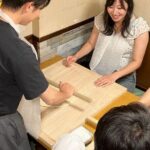
You’ll also watch a demonstration from the tea master before your hands-on portion. In the reviews, the tea master is mentioned as Mike, described as earnest and generous. That kind of approach makes a difference. When the teacher is patient, etiquette stops feeling like a test and starts feeling like a set of practical habits.
If you want a low-pressure way to learn Japanese customs respectfully, this is a good path. You’ll walk away knowing why certain steps exist—like why utensil handling matters and how the presentation supports the mood of the ceremony.
The chasen moment: whisking your own matcha

This is where the experience gets real. You’ll whisk your own matcha using the bamboo whisk (chasen). It’s hands-on, and it changes the way you understand the drink. When you mix it yourself, you start noticing things you’d never feel from just watching.
The session is built around a balance of focus and calm. That’s not just marketing language. Matcha whisking asks you to pay attention to what your hands are doing, and it forces you into a steady rhythm. Even if you’re normally the type who moves fast, whisking can slow you down.
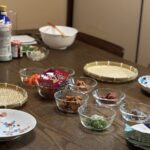
You also get a full set of tea ceremony utensils included. That means you’re not stuck trying to mimic a ritual with random tools. You learn using the same kind of equipment expected in the ceremony. For many people, that’s what separates a fun activity from a genuine lesson.
What the tea master demonstration adds before you start

Before you whisk, you get to see the tea master’s demonstration. Watching first helps you avoid two common problems: guessing the technique wrong and getting stressed about whether you’re doing it right.
This portion is also valuable because it’s not only about how the matcha is made. It’s hospitality and timing. A tea ceremony is designed to create a calm flow—from handling utensils to how the tea is presented. When you see that sequence, your own whisking doesn’t feel random. It feels like you’re joining a known pattern.
And because it’s a private setup, you’re more likely to get the little clarifications that make technique click. If you don’t understand a step, you can ask. That’s a big deal for first-timers.


Included refreshments: coffee/tea and a Japanese sweet

Your session includes coffee and/or tea, plus a brunch-style Japanese sweet. That matters because tea ceremonies can make people feel like they’ll only be tasting, then leaving hungry. Here, the included snack keeps it comfortable.
It also helps you stay present. You can settle into the calm pacing without worrying about your next meal plan. If you’re traveling with someone who gets impatient when experiences run purely ceremonial, the included refreshments can help smooth the timing.
Still, keep expectations realistic: this is an hour long. The food is there to support the experience, not to turn it into a long meal.
Who this suits best in Nara

This experience is a great fit for people who want something cultural but not complicated. You get a structure: tasting, demonstration, basics, then hands-on whisking. That makes it approachable even if you know nothing about matcha culture.
It also works well for families. The tour notes that families with young children are welcome. And one of the strongest signals from the reviews is that a mom and her teen son really connected with it. That makes sense. Tea ceremony isn’t only for older travelers; it rewards curiosity and calm attention, not just nostalgia.
I’d also suggest it if you’re the type who likes small-group value. Because it’s private for up to 5 people, you’re less likely to feel rushed, lost, or stuck watching while everyone else gets the teacher’s time.
If you’re only looking for a quick photo stop or a fast souvenir, you might find it too quiet. But if you want a real moment of learning and making, you’ll likely enjoy it.
Price and value for a $50.85 private session

At $50.85 per person for about 1 hour, the price feels fair when you look at what’s included and the group size. This isn’t a big shared class. It’s private, max 5 people, with a one-on-one style lesson from a tea master.
You also get tangible value beyond the lesson itself:
- a full set of tea ceremony utensils
- tasting of two types of Nara single-origin matcha
- coffee and/or tea
- a Japanese sweet as part of brunch
- and the hands-on whisking experience with a chasen
The one cost to remember is that transportation isn’t included, so your total day cost depends on how you’re getting there.
A practical planning note: it’s commonly booked about 18 days in advance on average. That doesn’t guarantee availability, but it’s a good sign that you should reserve sooner rather than later, especially if you’re visiting during busy seasons.
What to do with your new matcha skills after the ceremony
You’ll leave knowing how to handle the utensils properly and understanding the basics of etiquette and history. Even if you never host a full tea ceremony at home, you’ll likely notice matcha more clearly in cafés after this.
Most importantly, you’ll have a personal comparison in your memory: the two Nara matcha types you tasted. That makes it easier to choose matcha later because you know your own preference rather than following hype.
Also, you’ll have felt the rhythm of whisking. That changes how you read matcha drinks you order afterward. Instead of thinking only about flavor, you can also think about texture and preparation style.
Should you book this Nara matcha ceremony?
I’d book it if you want a calm, respectful cultural experience with real participation. The private size, the one-on-one instruction, the chance to compare two Nara single-origin matcha, and the hands-on chasen whisking make it a strong “first matcha lesson” or a meaningful add-on to a Nara visit.
Skip it if you need something fast, loud, or entertainment-heavy. This is built around silence, attention, and technique. If that sounds like your kind of travel, you’ll probably leave feeling like you stepped out of your normal routine for a short while.
FAQ
FAQ
How many people are in the private tea ceremony?
It’s a private activity with a maximum group size of 5 people.
How long does the tea ceremony last?
The duration is about 1 hour.
What matcha will I taste and make?
You’ll taste two types of Nara single-origin matcha, and you’ll whisk your own matcha during the session.
What’s included in the price?
The price includes a full set of tea ceremony utensils, coffee and/or tea, two types of matcha, and a Japanese sweet (brunch).
Is transportation to the meeting point included?
No. Transportation fees are not included.
Can I cancel and get a full refund?
Yes. You can cancel for a full refund up to 24 hours in advance of the start time.