REVIEW · NARA
Village to village walk: Japan’s oldest road, Yamanobe ancient trail (Private)
Book on Viator →Operated by Village to Table Tours - Off-the-Eaten Path Food Experience in Japan · Bookable on Viator
Yamanobe-no-michi rewards slow steps. This private village-to-village walk along Japan’s oldest road is all about seeing Nara beyond the usual sights—satoyama villages, local connections, and a guide who translates so you can actually talk with people. I like the relaxed pace that lets you stop for photos without feeling rushed, and I also like that the experience is built around conversations and food, not checklists.
The main thing to consider is physical comfort: it’s a full 8-hour day and the route calls for moderate fitness, even though it’s mostly flat and paced easy. Also, some parts depend on weather, and lunch plus temple entrances are on you (transport too).
In This Review
- Key highlights you’ll feel immediately
- Why the Yamanobe trail feels different from standard Nara sightseeing
- Private guiding with real local connections (and the Michiko effect)
- Getting your bearings: Kintetsu-Nara start and Naramachi’s old-capital flavor
- Omiwa Shrine timing, lunch at the shrine area, and Miwa somen
- The heart of the day: walking Yamanobe-no-michi at a relaxed rhythm
- Food tastings that actually connect to the countryside
- Price and value: what $98.10 per person really buys
- What to bring and how to pace yourself for 8 hours
- Should you book this private Yamanobe trail walk?
- FAQ
- How long is the Yamanobe village-to-village walk?
- Where does the tour start and when?
- Is this a private tour?
- What’s included in the price?
- What’s not included (so I should budget for it)?
- How physically demanding is it?
- Does weather affect the tour?
- Can I cancel and get a refund?
Key highlights you’ll feel immediately
- Private guide time so you’re not sharing attention with strangers
- Photo-friendly stops that don’t feel like a conveyor belt
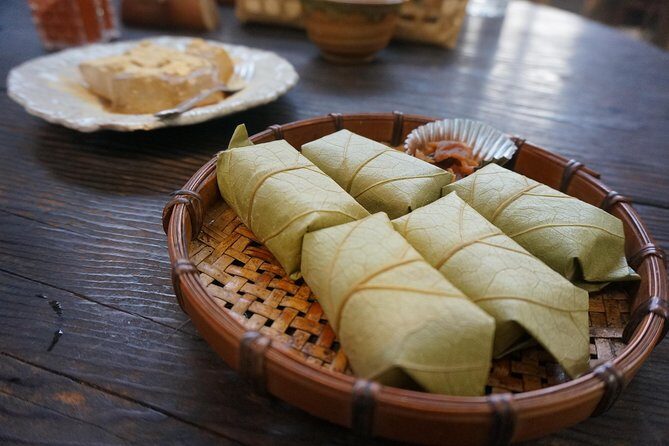
- Local farm tastings that fit the countryside theme
- Village conversations made possible by translation support
- A long, gentle walk through the Yamanobe trail area
Why the Yamanobe trail feels different from standard Nara sightseeing
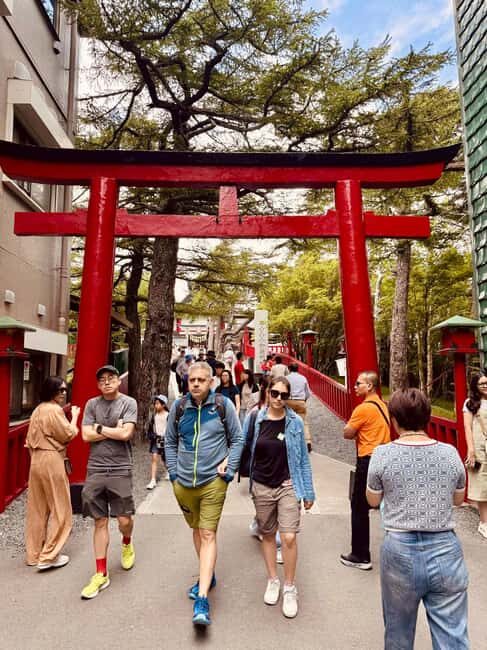
Nara is famous for big temples and postcard streets, but this outing leans rural. You’re walking along Yamanobe-no-michi, Japan’s oldest walking path, and the focus shifts from monuments to everyday life—how people farm, cook, and keep small traditions alive in the satoyama setting.
That change matters. A guided ramble like this helps you notice things you’d normally glide past: the way the town edge transitions into quiet country, how villages are arranged, and how local products show up in people’s routines. It’s the kind of day where you stop thinking in attractions and start thinking like a guest moving through neighborhoods.
And you’ll likely feel the contrast even more if you’re doing it after a day or two of temples. The Yamanobe trail doesn’t compete with the famous sites—it gives you another side of Nara, one that feels closer to how Japanese people actually live.
You can also read our reviews of more walking tours in Nara

Private guiding with real local connections (and the Michiko effect)
This is a private tour, which changes the whole vibe. You get an English-speaking guide who stays with your group the entire time and can translate during conversations. That translation piece isn’t a small perk—it’s the difference between looking at someone’s shop and being able to ask a question, share a few words, and understand what you’re seeing.
One review highlighted a guide named Michiko meeting the group and then working closely around your interests—like Japanese history curiosity—so the day felt personal rather than scripted. Even when you’re not on a history mission, having a guide who can tailor the flow makes a big difference in how connected you feel to the people you meet.
You also get a built-in social advantage: your guide has connections that make meeting local residents more likely than if you were just wandering on your own. That’s one of the biggest reasons this tour scores so high for people who want to go beyond the usual tourist bubble.
Getting your bearings: Kintetsu-Nara start and Naramachi’s old-capital flavor
The day starts at 9:00 am at Kintetsu-Nara Station. From there you’ll head into the historic area of Naramachi, one of those old neighborhoods where normal streets contain a lot of craft culture.
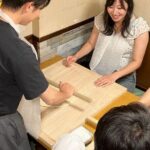
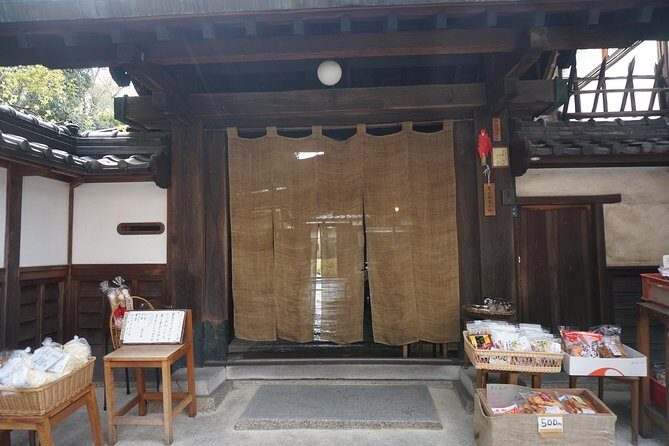
You’ll spend about 2 hours in Naramachi, with the time used for browsing and experiencing traditional shops. The focus isn’t only on sightseeing from the sidewalk. Expect stops connected to local specialties and handmade traditions—things like mochi pounding, green tea, sweets, linen/clothing weaving shops, knives, and traditional medicine storefronts.
A helpful practical angle here: Naramachi can feel like a maze if you’re trying to do it alone. With a guide and a set block of time, you can slow down and actually look at what you’re passing—textures, tools, and the small signs that tell you what each shop does—without worrying about missing the best parts.
Admission is free at this stop, so your cost is mostly your own spending if something catches your eye. And since your guide is there, you can ask questions about what you’re seeing instead of guessing.
Omiwa Shrine timing, lunch at the shrine area, and Miwa somen
Next comes Omiwa Shrine, where you’ll have about 1 hour. You’ll also stop for lunch at the shrine area, and the tour specifically recommends Miwa somen.
Two useful notes for planning:
- Lunch is not included, so you’ll want to budget for it (or plan to buy something during that stop).
- The tour frames Omiwa Shrine as both a cultural pause and a practical meal stop, which helps you keep your energy for the longer walking segment later.
Even if you’re not a noodles person, Miwa somen is a good “reason to try” item in this setting. The experience works best when you treat lunch as part of the story, not just something to eat quickly so you can move on.
Admission is free at this stop as well, so again, the main expense is what you choose for lunch and any optional temple-related entry fees that pop up later.
The heart of the day: walking Yamanobe-no-michi at a relaxed rhythm
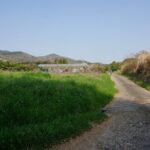
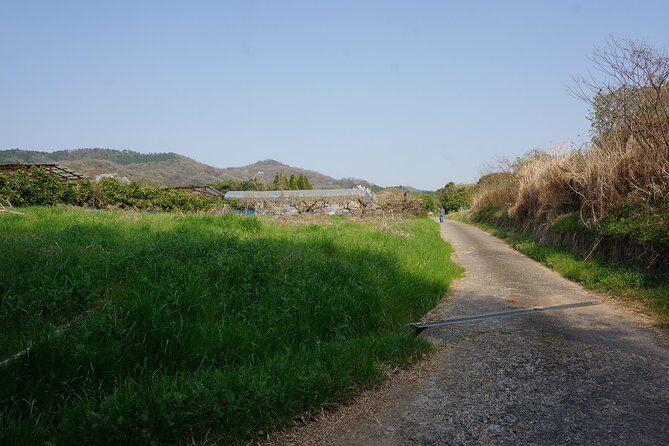
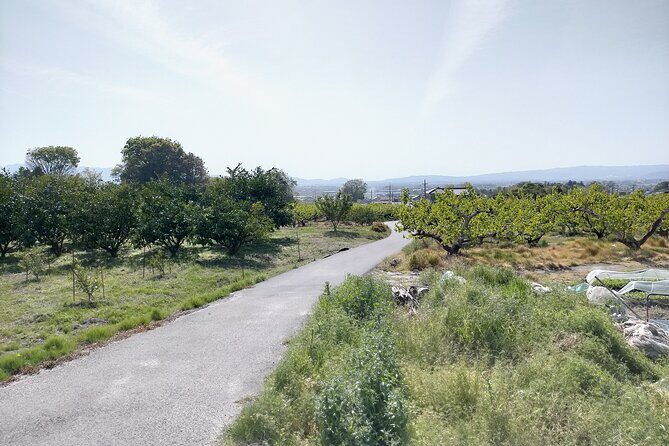
The long segment is Yamanobe Street (Yamanobe-no-michi), scheduled for about 4 hours. This is the part that gives you the “old road” feeling for real—slow, steady movement through countryside paths rather than indoor viewing.
The route is described as a relaxed ramble, and one review called out that the walk is mostly flat and not tiring because of the easy pace. That matches what you should expect from a countryside trail plan like this: it’s not designed to test your legs; it’s designed to let you watch and listen.
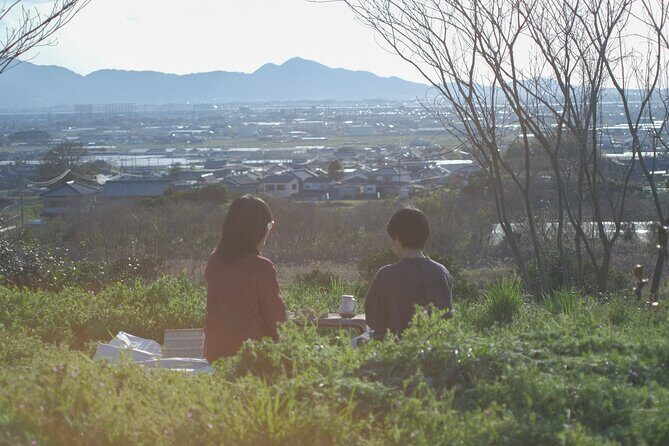
What you’ll do during this time is more than just walk. With your guide, you’re set up for small “local exchange” moments, including tasting farm products and meeting residents you wouldn’t normally bump into. This is also where photo stops matter. Since it’s private, you’re not negotiating with other groups for time at viewpoints or for a quick pause to catch a moment.
One small caution: four hours sounds long on paper, but the benefit is that it’s paced for enjoyment. Still, you’ll be happier if you come with comfortable shoes and a calm mindset. This isn’t the day to try to beat your step-count personal record.
You can also read our reviews of more private tours in Nara
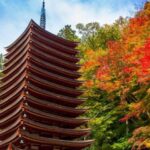

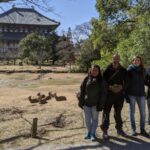
Food tastings that actually connect to the countryside
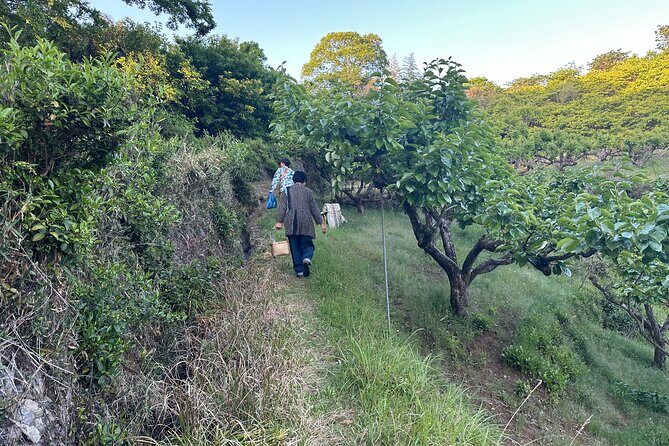
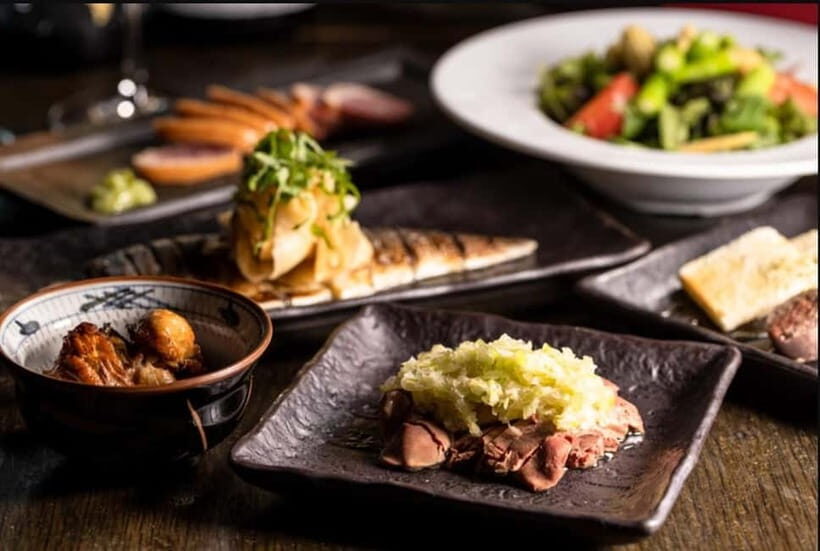
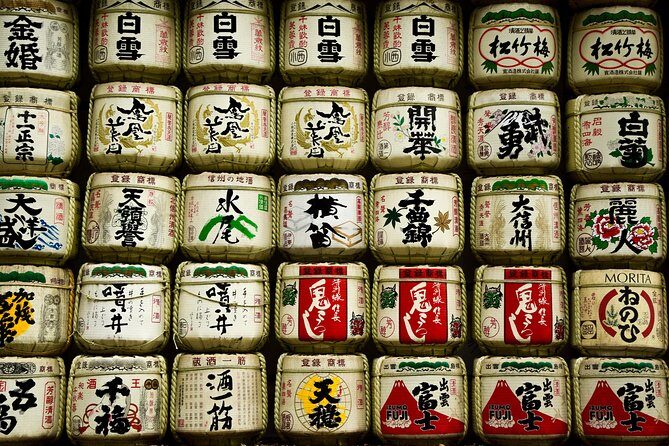
The tour includes tasting local farm products, and that sounds like a throw-in until you place it in context. Here, food isn’t just “snack included.” It’s a way to understand satoyama life—how local produce fits into daily culture and how a village economy supports itself through small-scale agriculture.
I like that the tastings happen while you’re already on the trail, so the flavors match the scenery. Instead of being led into a shop at the end of the walk, you sample along the way as part of how the day unfolds.
Also, because your guide translates, you’re more likely to get the who/what/why behind what you’re tasting. That turns a bite into a story, and it’s one of the reasons people rate this highly for “off-the-beaten-path” experiences.
Price and value: what $98.10 per person really buys
At $98.10 per person for about 8 hours, this tour sits in the “worth it if you want more than sightseeing” category. Here’s what you’re paying for:
Included
- Private English-speaking guiding
- Local farm tastings
- The guided flow across Naramachi, Omiwa Shrine lunch area, and the Yamanobe trail walk
Not included
- Transportation (you take the train from Nara to Sakurai Station and back on the route)
- Lunch
- Entrance fees of temples
That split is important. If you already plan to do Nara on your own, you might think you can recreate it with a map. But the value is the guide’s access and translation, plus the time saved in figuring out what to look for in Naramachi and how to connect with village life during the trail.
Also, there’s mention of group discounts. If you’re traveling with friends or family, the per-person value can become even more attractive since you’re sharing a private guide experience.
If you’re someone who loves history but hates big, crowded tours, this is a strong fit. If you only want photos at famous landmarks and don’t care about conversations or food stops, you may find it slower than you expect.
What to bring and how to pace yourself for 8 hours

This is a full day with a moderate-fitness requirement. Even if the trail is mostly flat, you’ll still want to treat it like an 8-hour walking plan.
I’d pack:
- Comfortable walking shoes with grip
- A light layer for changing temps and wind off the trail
- A camera or phone with enough battery for frequent photo stops
And one mindset tip: go slow on purpose. This tour is built around relaxing. If you rush ahead, you’ll miss the value—small exchanges with locals, the tastings that happen along the way, and the calm timing your guide uses for breaks.
Should you book this private Yamanobe trail walk?
I’d book it if you want Nara that feels lived-in, not just photographed. The private guiding, the chance to meet people through your guide’s connections, and the combination of village browsing plus a long walk at an easy rhythm make this a standout way to spend a day in the region.
Skip it if your travel style is all about fast hits of major attractions, or if you can’t manage an 8-hour outing. Since lunch and transport aren’t included, plan for those costs so you’re not surprised later.
One more tie-breaker: if you like the idea of tasting local farm products and having translation support during conversations, this is exactly the kind of day that turns a trip into a memory you can explain to friends.
FAQ
How long is the Yamanobe village-to-village walk?
It runs about 8 hours (approx.), with time split between Naramachi, Omiwa Shrine, and the Yamanobe trail.
Where does the tour start and when?
The meeting point is Kintetsu-Nara Station and the start time is 9:00 am. The tour ends back at the meeting point.
Is this a private tour?
Yes. It’s a private activity, meaning only your group participates.
What’s included in the price?
The tour includes private guiding (English-speaking) and tasting local farm products.
What’s not included (so I should budget for it)?
Transportation (train from Nara to Sakurai station and on the return), lunch, and entrance fees of temples are not included.
How physically demanding is it?
It’s meant for people with moderate physical fitness. The walking is described as relaxed, and one review noted it was mostly flat and not tiring.
Does weather affect the tour?
Yes. The experience requires good weather. If it’s canceled due to poor weather, you’ll be offered a different date or a full refund.
Can I cancel and get a refund?
No. This experience is non-refundable and cannot be changed for any reason.