REVIEW · NARA
Nara Todaiji Lazy Bird Walking Tour
Book on Viator →Operated by KAMNAVI Tours · Bookable on Viator
Nara’s temples are big, but the timing is everything. This 4-hour guided walk strings together the highlights in one smooth route, so you can enjoy Todai-ji and the deer at Nara Park without turning your day into a map app workout. I like that it includes a guide to keep things moving, plus optional deer-cracker time so you’re not just passing by the famous animals. One watch-out: you’ll still need to budget for on-site admission fees for parts of Todai-ji.
I especially like the mix of “wow” and “slow.” You get the scale of the Great Buddha Hall, the calmer forest feel around Kasuga Grand Shrine, and that excellent camera backdrop from Nigatsu-do. The tour also makes it easier to follow along with Buddhism and Shinto context, so the stops feel connected instead of like random landmarks on a checklist.
The main drawback is physical: it’s a walking tour with a moderate fitness level requirement. Comfortable shoes matter, and if mobility is a challenge, you may need to rethink the pace or ask the guide for adjustments.
In This Review
- Key Things That Make This Nara Tour Worth Your Afternoon
- Nara in Four Hours: Why the 2:00 pm Timing Works
- Meeting at Nara Station and Letting the Guide Handle the Navigation
- Nara Park Deer Time: Feed, Photograph, Then Keep Moving
- Nigatsu-do: The Wooden Terrace Photo Spot Overlooking Nara
- Hokke-do and Daibutsuden: Todai-ji’s Oldest Building to the Great Buddha Hall
- Kasuga Grand Shrine: Lantern Forest Calm and Vermillion Photo Lines
- Kofuku-ji Pagoda Stop: A Short Pause with a Big Visual Punch
- The Sake Brewery Add-On You Should Actually Plan For
- Price and Value: What $86.49 Includes, and What You’ll Add
- Walking Comfort: Shoes, Pace, and Who Should Book This
- Should You Book the Nara Todaiji Lazy Bird Walking Tour?
- FAQ
- How long is the Nara Todaiji Lazy Bird Walking Tour?
- What time does the tour start?
- Where does the tour meet?
- What does the price include?
- Are the deer crackers included?
- Which parts have admission fees?
- Is public transportation included?
- Is this a private tour?
- Are pets allowed?
- Is there a cancellation policy and weather requirement?
Key Things That Make This Nara Tour Worth Your Afternoon
- A tight 4-hour loop that hits Nara Park, Todai-ji area, Kasuga Grand Shrine, and Kofuku-ji without guesswork
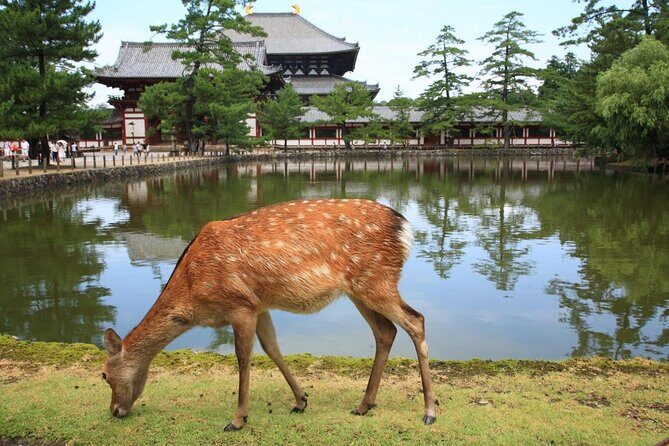
- Deer-cracker moment at Nara Park, with time to interact and take pictures
- Nigatsu-do for a quieter overlook spot with a wooden terrace and lanterns overhead
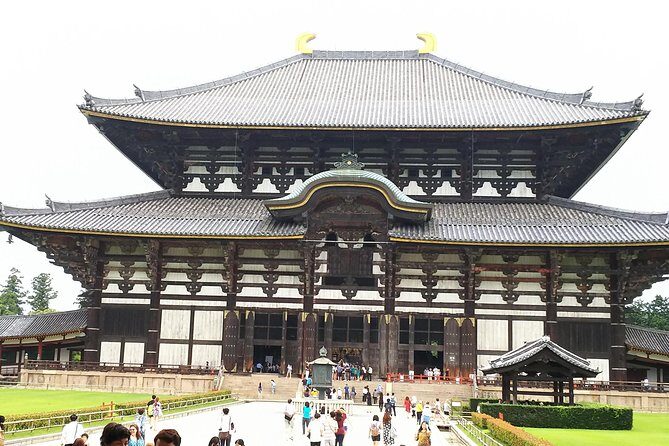
- Todai-ji scale payoff at Daibutsuden, the world’s largest wooden building
- A sake brewery stop as a cultural add-on beyond temples and shrines
- Real guide value from professionals like Masa, Yuka, Emi, Shigeyuki, and Noriko
Nara in Four Hours: Why the 2:00 pm Timing Works
This tour starts at 2:00 pm and runs about 4 hours, which is a smart window if you’re doing the classic Kyoto-to-Osaka route. Nara is easy to reach from Kyoto, with the tour positioning it as a simple day trip (think roughly 30 minutes by train). Instead of spending your whole day commuting and planning, you get a focused afternoon plan.
You’ll also get a private setup: it’s listed as a private tour/activity, meaning your group handles the schedule together with your guide rather than blending into a large crowd. That matters when you want to pause for photos, ask questions, or keep your kids from melting down mid-walk.
One small practical note: because it’s an afternoon tour, plan your day so you’re not rushing from another long activity. If you’re hungry, it helps to have eaten before you start, since food and drinks aren’t included.
You can also read our reviews of more walking tours in Nara
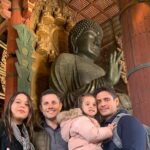
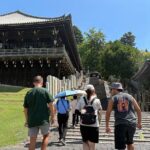
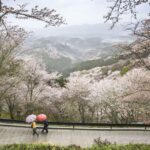
Meeting at Nara Station and Letting the Guide Handle the Navigation
The meeting point is Nara Station (Sanjohonmachi, Nara, 630-8122), and the tour ends back at the same starting area. That “back to where you started” ending is a big deal when you’re traveling light. You don’t have to solve the puzzle of how to get yourself to the next train stop.
You’ll also have a mobile ticket, which keeps things simpler at check-in. And because the tour’s whole premise is avoiding navigation stress, you can expect the guide to lead the line between major sights and the less obvious viewpoints—especially at Todai-ji, where walking paths can feel like a long maze.
The guide experience is consistently a highlight in the supplied feedback. People specifically call out guides such as Masa (super communicative), Yuka (patient and accommodating with a 10-year-old), Emi (knowledgeable and kind), Shigeyuki (friendly and informative), and Noriko (excellent English and a perfect-feeling pace). That pattern tells me the tour isn’t just about showing up at photo spots—it’s about explaining what you’re seeing and adjusting to the group.
Nara Park Deer Time: Feed, Photograph, Then Keep Moving
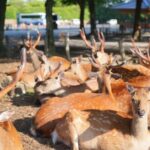
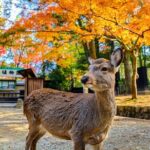
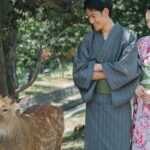
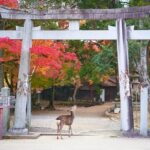
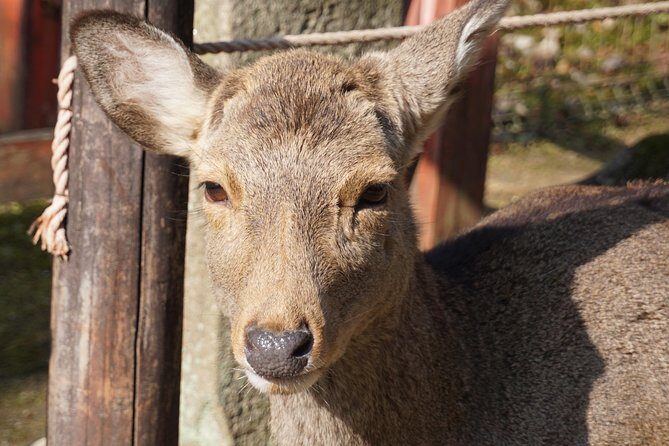
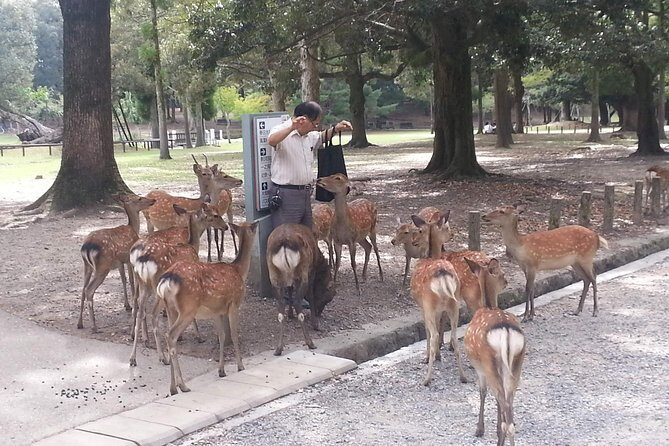
Your first stop is Nara Park, where you’ll spend about 30 minutes. This is the deer zone—hundreds of them roaming freely, and they really do behave like they expect visitors to have snacks. The key word here is semi-tame: you can typically interact and take memorable pictures, especially if you buy deer crackers when offered.
The tour specifically gives you the choice to purchase deer crackers so you can hand-feed the deer. If you’ve never seen Nara deer up close, this is where your brain goes from Japan postcard to real-life chaos—in a fun way. It’s also the best place to relax into the moment. After that, you’ll switch gears back into temple-shrine mode.
Practical tip: if you’re planning to interact with the deer, keep your phone or camera secured and your movements calm. The deer are curious and quick. A little patience goes a long way.
Also, know that Nara Park time is generous enough for photos and a hands-on moment, but it’s still only half an hour, so you don’t want to arrive already late to everything.
Nigatsu-do: The Wooden Terrace Photo Spot Overlooking Nara
Next up is Nigatsu-do Temple, with about 20 minutes here. The attraction is visual: a wooden terrace, lanterns hanging from the roof, and a spot that opens up a wide view over Nara city. In plain terms, it’s a reward for climbing into a quieter corner of the Todai-ji grounds area.
This is the kind of stop that makes a walking tour feel worthwhile. If you’re self-guiding, it’s easy to miss Nigatsu-do entirely—or to arrive without understanding why it’s special. With a guide, you’re more likely to know where to stand and what angle matters.
The admission at this stop is listed as free, which is nice. It means you can spend your time appreciating rather than calculating what’s paid and what’s not.
A small drawback: because it’s only 20 minutes, it’s not a sit-and-stay stop. If you want long meditative pauses, you’ll get that feeling more at Kasuga’s forest section later.
Hokke-do and Daibutsuden: Todai-ji’s Oldest Building to the Great Buddha Hall
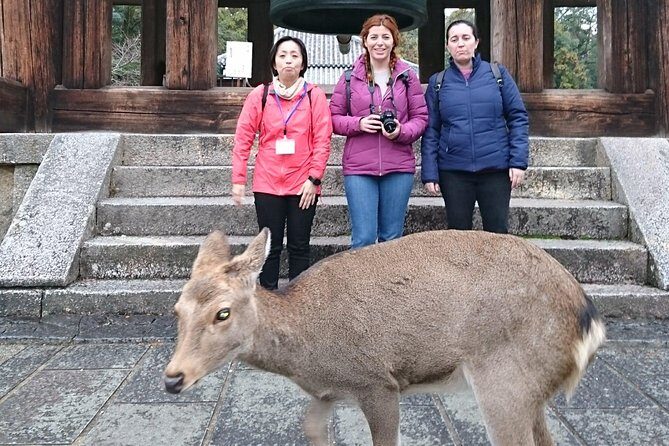
Then the itinerary moves into the Todai-ji Temple grounds, starting with Hokke-do for about 30 minutes. Hokke-do is described as the oldest building on the Todaiji grounds. It also houses older Buddhist statue masterpieces tied to the 8th century, and the guide context is what turns “old building” into something you can actually picture in your head.
For you, the value here is context. The Great Buddha gets most of the attention, but Hokke-do helps you understand how this complex evolved over time. If you’re the type who likes knowing what matters and why, this stop is a strong payoff.
Admission is not included for Hokke-do, so expect to pay on-site.
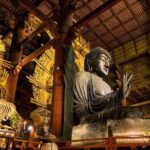
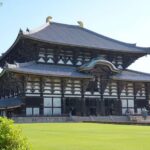
After Hokke-do comes the big moment: Daibutsuden, the Great Buddha Hall, with about 45 minutes. This hall is famous for a reason. It’s described as the world’s largest wooden building, and standing inside (even briefly) gives you that wow feeling that’s hard to fake through pictures.
Two things I’d keep in mind. First, this is one of the most visually intense spaces on the route, so it’s worth letting your eyes reset before you rush to photos. Second, the tour gives you enough time—45 minutes—to look around without feeling yanked from spot to spot.
Admission is also listed as not included here, so budget for it as part of the full-day math.

Kasuga Grand Shrine: Lantern Forest Calm and Vermillion Photo Lines
After the Todai-ji intensity, you get a change of mood at Kasuga Grand Shrine. You’ll spend about 30 minutes, and the highlight is the stroll through the peaceful forest area.
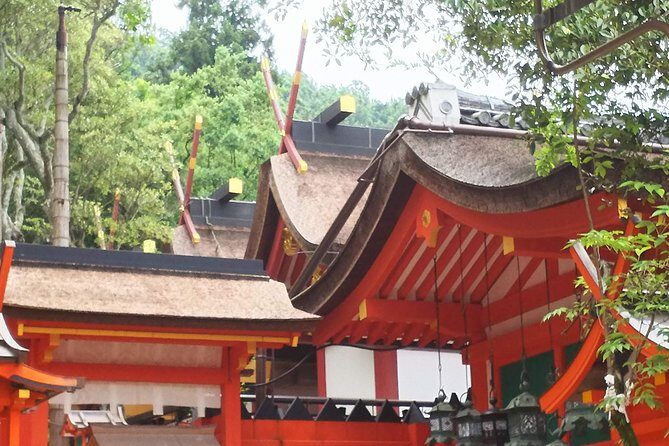
The setting is a photographer’s dream: bright vermillion buildings, old stone lanterns, and hanging lanterns. But the best part is that this stop doesn’t feel like a rushed checkbox. It’s built for slow walking and letting the space work on you.
Admission at Kasuga is listed as free, which helps keep the cost down relative to the paid Todai-ji halls.
If you’re traveling with kids, Kasuga’s setting often works better than “another huge hall” stops. The scenery gives them something to focus on besides the schedule.
One possible drawback: because it’s a forest walk, wear shoes that can handle uneven ground and stay comfortable for extra standing time while you look around.
Kofuku-ji Pagoda Stop: A Short Pause with a Big Visual Punch
Next is Kofuku-ji Temple for about 10 minutes. Yes, it’s quick. But it’s quick in a good way. The five-storied pagoda, built about 600 years ago, is constructed out of thick logs joined together, described as splendid and dynamic.
Even with limited time, the pagoda is one of those “you know it when you see it” moments. If you’re the type who likes architecture, this quick stop helps the route feel more varied than only deer and Buddha.
Admission is free here, which makes this one of the easiest wins on the itinerary.
The Sake Brewery Add-On You Should Actually Plan For
Beyond temples and shrines, the tour overview notes a visit to a sake brewery too. That’s not a small detail. In Nara, you can spend a day thinking only about ancient sites and end up with a history-only trip. The brewery stop gives you a chance to connect the area’s traditions to something living and local.
The itinerary details don’t list exact timing for the brewery in the stop-by-stop section, but it’s clearly part of the route within your 4-hour window. If you’re sensitive to schedule changes, treat this as a “be ready when the guide cues it” moment.
Practical note: since drinks aren’t included, you’ll want to check on any tasting fees or purchases at the brewery before you assume everything is included.
Price and Value: What $86.49 Includes, and What You’ll Add
The headline price is $86.49 per person, and the tour notes that it includes the guide fee. The rest of your budget comes from admission and local transit.
Here’s what’s explicitly listed as extra:
- Admission fees: ¥800 per person (not included)
- Parts of the route (Hokke-do and Daibutsuden) list Admission Ticket Not Included
- Public transportation fare: ¥460 per person (not included)
So how do you judge value? For me, the deciding factor is time and structure. Nara can be easy to reach, but it’s not always easy to stitch together a tight run of sights without wasting time. Paying for a guide here is basically buying yourself:
- a pre-built route across major sights,
- help understanding what you’re looking at,
- and a human who can manage pacing in a place full of distractions (hello, deer).
If you’re comfortable self-navigating and you already know exactly which halls and viewpoints you want, you might do it cheaper on your own. But if you want your half-day in Nara to feel intentional instead of stressful, the guide cost starts looking reasonable fast.
Also, the tour lists group discounts, so if your travel style includes friends or family, ask what you can stack.
Walking Comfort: Shoes, Pace, and Who Should Book This
This is a walking tour with a moderate physical fitness level requirement, and it specifically calls out comfortable shoes for walking. That’s your biggest planning item.
Some feedback in the supplied information points out that the tour probably isn’t suited for mobility issues, though the guide may try to arrange adjustments. The safest way to think about it: you’ll cover multiple sites in one afternoon, with stairs and uneven ground likely part of the experience, especially around temple areas.
Who this tour fits well:
- First-timers to Nara who want a best-of route
- People short on time who want to maximize a half-day
- Families looking for a structured plan with breaks built into the schedule
- Travelers who like learning context, not just photos
Who should reconsider or ask questions first:
- Anyone with serious mobility limitations
- People who struggle with longer periods on their feet, even with a gentle guide pace
If you’re in the middle—okay with walking but not sprinting—this is a good candidate because the tour is designed as a “lazy bird” style route, and the guide is there to steer the flow.
Should You Book the Nara Todaiji Lazy Bird Walking Tour?
I’d book it if you want a clean, guided way to see major Nara highlights without turning your trip into logistics. The combination of Todai-ji scale, Nara Park deer interaction, and Kasuga’s lantern forest is a strong trio, and the time allocations add up to a satisfying half-day. The guide quality stands out in the supplied feedback, with multiple named guides praised for communication, English, and keeping the pace comfortable.
I’d think twice if you hate paying on-site admissions or if walking is a problem for you. Some parts of Todai-ji require extra tickets, and the tour is still a walk across multiple sites.
If you go, come prepared: bring comfortable shoes, plan for the ¥800 admission item, and have yen on hand for any additional purchases like deer crackers or items at the sake brewery. Then you’ll get the best version of what this tour promises—Nara’s top sights, connected with enough context to make the day feel meaningful.
FAQ
How long is the Nara Todaiji Lazy Bird Walking Tour?
It runs for about 4 hours.
What time does the tour start?
The start time is listed as 2:00 pm.
Where does the tour meet?
The meeting point is Nara Station (Sanjohonmachi, Nara, 630-8122, Japan).
What does the price include?
The tour includes the guide fee. Admission fees, food and drinks, and public transportation fare are listed as not included.
Are the deer crackers included?
The tour says you can choose to buy deer crackers to hand-feed the deer at Nara Park, so it’s presented as an option rather than something automatically included.
Which parts have admission fees?
Admission fees are listed as ¥800 per person not included. Specific stops also note Admission Ticket Not Included, including Hokke-do and Daibutsuden.
Is public transportation included?
No. Public transportation fare ¥460 per person is listed as not included.
Is this a private tour?
Yes. It’s listed as a private tour/activity, so only your group will participate.
Are pets allowed?
Yes. The additional info states animals or pets allowed.
Is there a cancellation policy and weather requirement?
The policy includes free cancellation up to 24 hours in advance for a full refund. It also notes the experience requires good weather, and if canceled due to poor weather you’ll be offered a different date or a full refund.