REVIEW · KYOTO
Visiting to Katsura Imperial villa and tea ceremony experience
Book on Viator →Operated by Miyagawa Tokusaburo Shoten · Bookable on Viator
Kyoto has a way of slowing you down fast. This tour pairs the Katsura Imperial Villa garden (almost unchanged since 1615) with a tea ceremony in a 100-year-old house, complete with an antique kimono and matcha. I love that the operator handles the fiddly, limited admission process for Katsura Rikyu, so you don’t waste precious time figuring out rules. I also like the kimono side of this: you’re dressed by the fourth-generation owner’s team and guided on design and how to wear it. The possible drawback? At this price point, you’ll want to be comfortable with the added value beyond the garden ticket—because a couple reviews point out cost concerns, and part of the villa narration may be via audio rather than constant live English guidance.
You’ll start at the tea ceremony location in Nishikyo Ward around 1:00 pm, then head to the villa by car with round-trip transfer. Afterward, you return to the shop for the ceremony, sweets, and matcha—so the pace stays calmer than sightseeing hopscotch around central Kyoto.
In This Review
- Key things to know before you go
- Katsura Imperial Villa: why this garden still feels frozen in time
- Reserved, numbered entry: the real value isn’t the ticket—it’s the handling
- Wearing an antique kimono in a 100-year-old setting
- The tea ceremony experience: matcha, sweets, and what to focus on
- Logistics in Kyoto: the 3-hour plan and what to expect on the ground
- Price and value: where the $169.90 per person makes sense (and where it might not)
- Who this tour suits best, and who should plan differently
- Should you book this Katsura Villa and tea ceremony tour?
- FAQ
- How long is the Katsura Imperial Villa and tea ceremony experience?
- What time does the tour start, and where do we meet?
- Is this tour private or shared?
- What is included in the price?
- Do lunch or dinner come with the tour?
- Is there English support during the experience?
- How far in advance is this usually booked?
- What should I do if the weather is bad?
- What is the cancellation policy?
Key things to know before you go
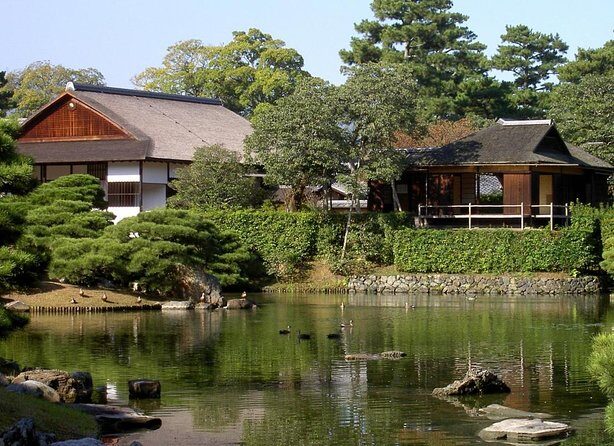
- Katsura Rikyu access with limited numbered tickets: the plan arranges hard-to-get admission for the garden viewing window.
- Antique kimono + obi fitting: you’ll wear an early Showa-period antique kimono, coordinated by the owner’s team.
- Tea ceremony in a quieter setting: the ceremony happens at the operator’s nearby shop area, not in the middle of downtown traffic.
- Matcha experience with guidance: you get two cups of matcha plus sweets, and you learn proper drinking/prep basics.
- Owner accompaniment: Tokusaburo Miyagawa (often called Toku) is involved with escorting and coordination.
Katsura Imperial Villa: why this garden still feels frozen in time
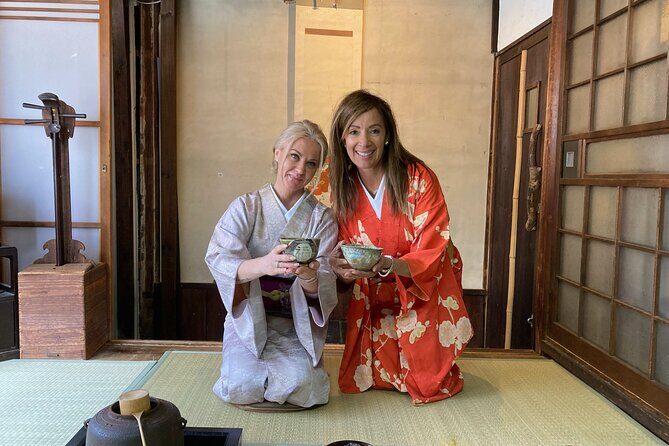
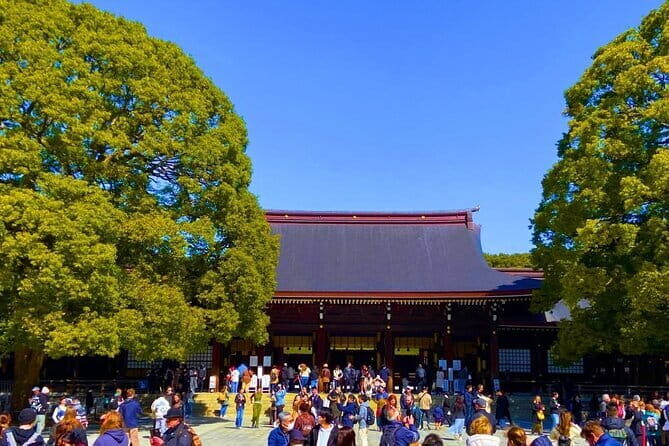
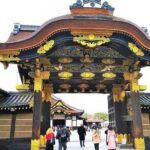
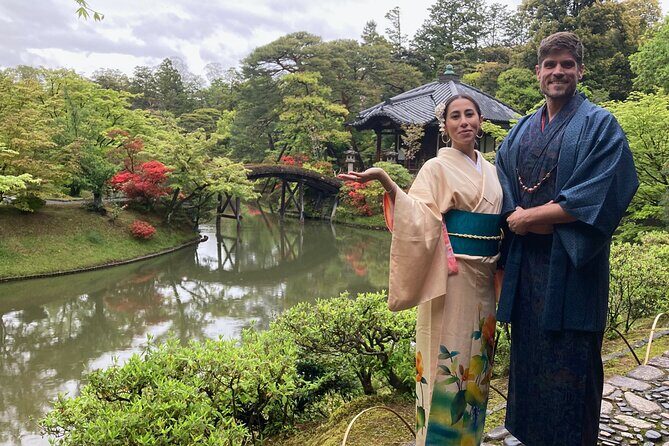
Katsura Imperial Villa is one of those Kyoto sights that’s famous for a reason that has nothing to do with loud marketing. Built in 1615 as an imperial villa, it’s known for a circular garden and a tea ceremony house, and the big story is continuity: even after renovations, it has remained almost completely unchanged for about 400 years.
What you’re looking at is a designed experience. The garden isn’t just “pretty scenery”—it’s a way of staging views so you feel the Japanese sense of beauty step-by-step. In the overall layout, water, paths, and buildings work together to make the landscape feel composed rather than accidental.
There’s also a neat architectural footnote: the world-renowned German architect Bruno Taut praised Katsura’s beauty. Even if you’re not chasing architectural trivia, that kind of outside recognition is your hint that this is more than a garden postcard. It’s a carefully considered space meant to support a slower rhythm—exactly what you’ll be doing when you pair it with tea.
You can also read our reviews of more tours and experiences in Kyoto.


Reserved, numbered entry: the real value isn’t the ticket—it’s the handling
Here’s the practical reason this tour exists: Katsura Imperial Villa admission isn’t casual. Only visitors with permission can see the garden, and viewing happens during limited hours. For this experience, the operator prepares numbered admission tickets for customers on their specific plan.
That matters because Katsura is popular and rules can be strict. Instead of you trying to interpret timing windows, ticket requirements, and what’s possible, you’re relying on someone who does the paperwork and coordination. This is also why the tour is structured around the meeting point near the tea ceremony shop and then a transfer to the villa.
I’d call out one more detail that affects your mental load: the owner and team handle the hard part (the limited admission tickets), and you can show up ready to enjoy. That’s not flashy. It’s just efficient, and Kyoto rewards efficiency.
Wearing an antique kimono in a 100-year-old setting
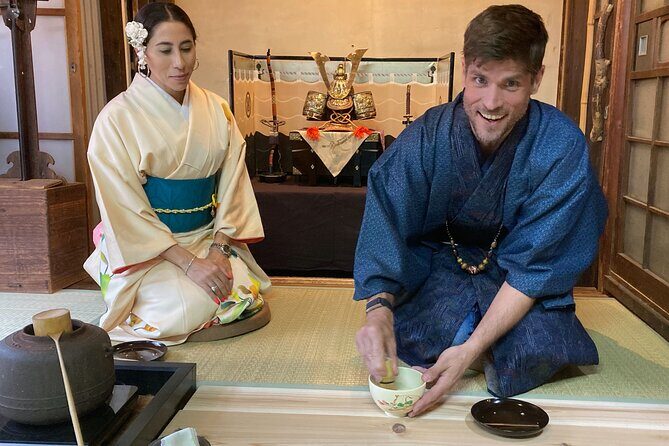
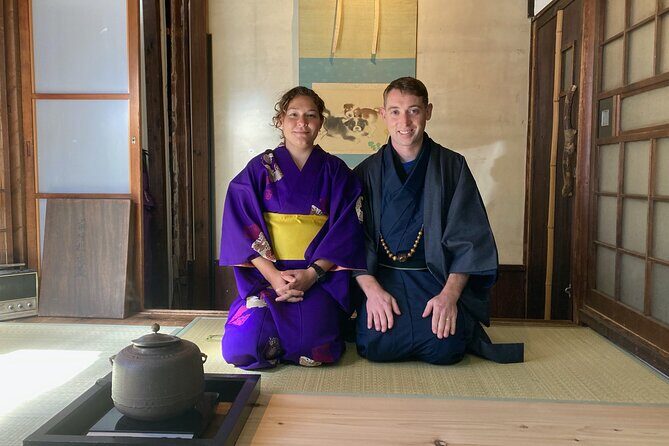
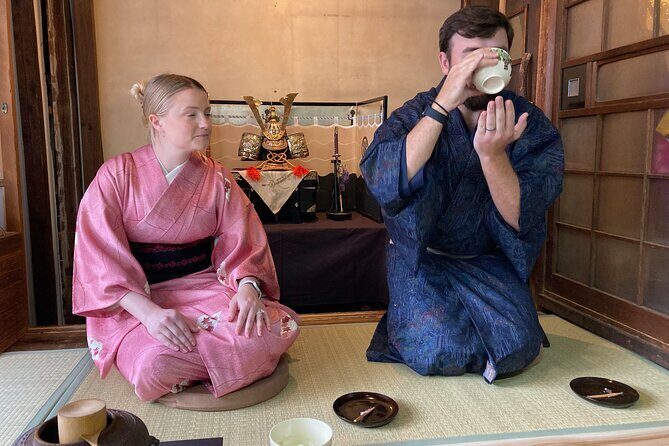
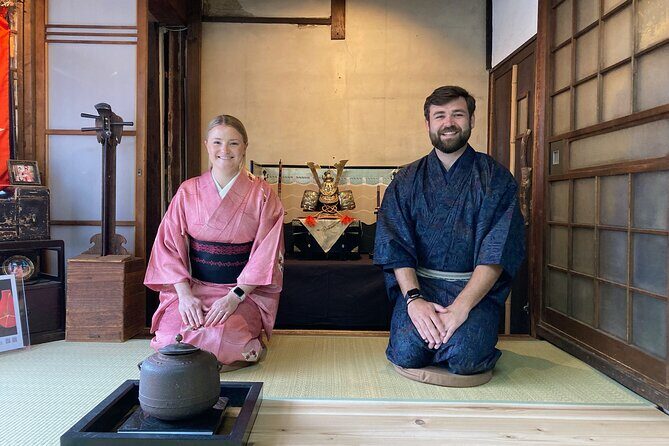
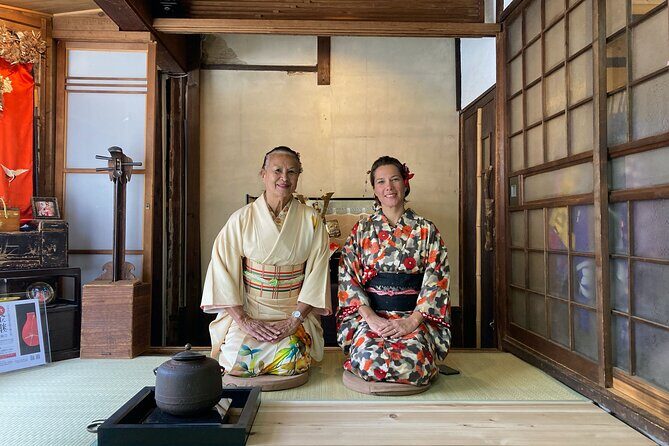
The tea ceremony portion starts with a costume moment—but it’s not a quick photo op. You’ll rent an antique kimono (including dressing), and you’ll be wearing a rare antique from the early Showa period. The owner, Tokusaburo Miyagawa (Toku), and his team coordinate the kimono and obi, so you aren’t left guessing sizes, knotting, or how to settle into the fabric.
This is a big part of why the experience can feel like cultural education instead of entertainment. You’ll learn about kimono design and also have a chance to understand opportunities for wearing kimonos in general. Even if you don’t plan to wear one again, it helps you look at kimono like a language—pattern, color, and construction choices all communicate something.
Then you head into the tea ceremony space: a traditional Japanese house that’s about 100 years old. That age matters because it shapes the mood. The ceremony isn’t happening in a mall-like room. It’s happening in a lived-in, older structure where sound carries differently and the atmosphere naturally stays quieter.
The tea ceremony experience: matcha, sweets, and what to focus on
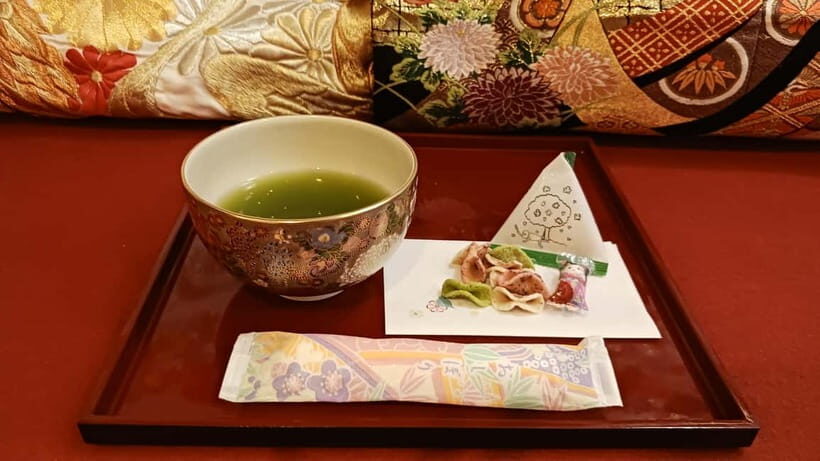
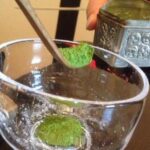
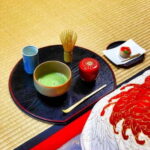
After the villa visit, you’ll get the full tea ceremony setup. The included experience comes with main sweets made by a local Japanese confectioner in Katsura, Kyoto, plus two cups of matcha tea. You won’t just drink and move on. The plan is built around learning.
You’ll learn:
- the proper way to drink matcha
- the basics of preparing matcha
- what to watch for during the demonstration
A key moment is the owner’s demonstration in that tranquil setting. Watching the person leading the ceremony do things correctly is the easiest way to understand the pacing and the etiquette. When you then practice the basic rhythm (and not just the end result), it turns into a genuine skill you can remember later, even if you never become a tea host.
One small consideration: one review described the ceremony as a bit chaotic or strange in pacing. That doesn’t mean it’s “wrong.” It may just mean the tone can be less rigid than you expect, especially if you’re used to museum-quiet experiences. If you want slow, strictly silent mindfulness, set your expectations accordingly and treat it as a hands-on cultural practice rather than a performance you’re judging.
Either way, matcha isn’t just a taste here. It’s part of the choreography—how you hold the cup, how you observe, how you take a sip with patience.
Logistics in Kyoto: the 3-hour plan and what to expect on the ground
This is scheduled as about 3 hours total, starting 1:00 pm at the tea ceremony meeting point: 32-4 Katsuranozatochō, Nishikyo Ward, Kyoto, 615-8073, Japan. It ends back at the meeting point.
You also get round-trip transportation from the store to Katsura Imperial Villa. That’s not a trivial perk in Kyoto, where getting from one neighborhood to another can steal time from your day. Being carried between the two locations lets you keep the schedule tight without stressing about buses or transfers.
About the language piece: English speaking service is available. Still, it’s worth understanding how a structured site visit can work. Inside Katsura Imperial Villa, the experience may involve a group-led explanation and audio support rather than a constant one-on-one English script from the owner. In other words: you may hear English, but it might come through headsets for parts of the garden viewing rather than through live narration the whole time.
That’s not necessarily bad. It just helps you adjust your expectations: look, take your time, and use the explanations when they come. Katsura rewards attention more than speed.

Price and value: where the $169.90 per person makes sense (and where it might not)
At $169.90 per person, you’re paying for far more than garden admission. The included items cover:
- antique kimono rental and dressing
- tea ceremony fee (matcha and Japanese sweets)
- arrangement fee for same-day numbered Katsura tickets
- round-trip transportation between locations
- Katsura Imperial Villa entrance fee
Now the value math hinges on what you care about:
- If you want the garden and also want a kimono + guided cultural activity without chasing logistics, the bundling is a win. You’re buying convenience and access handling, plus the cost and hassle of kimono rental and dressing.
- If you only care about the villa garden itself, you might feel sticker shock because the “extras” do real work for the price. One negative comment flagged that the total charged felt high compared with the plain entrance price, even though the garden was the highlight.
So how do you decide? I’d think of this tour as an experience package:
- Katsura access + ticket handling saves time and stress.
- Kimono + tea turns your afternoon into something distinctly Kyoto, not just another garden visit.
If you’re the type who likes dressing up, learning etiquette, and slowing down for cultural details, this price can feel justified. If you’re mainly budget-driven and want only the garden, you may want to compare against other independent ways to visit Katsura.
Who this tour suits best, and who should plan differently
This tour is a strong fit for you if:
- You want antique kimono (not just a rented basic outfit) and appreciate dressing guidance.
- You enjoy tea ceremony as more than a snack break—something hands-on with rules and practice.
- You don’t want to manage the tricky Katsura entry process yourself.
- You’d rather spend time in a calmer, traditional environment than bouncing between crowded spots.
It may be a less perfect fit if:
- You expect constant live English narration for every minute inside the villa.
- You’re extremely price-sensitive and only want the cheapest way to see the garden.
- You prefer tea ceremonies that are strictly quiet and slow, with no improvisational energy.
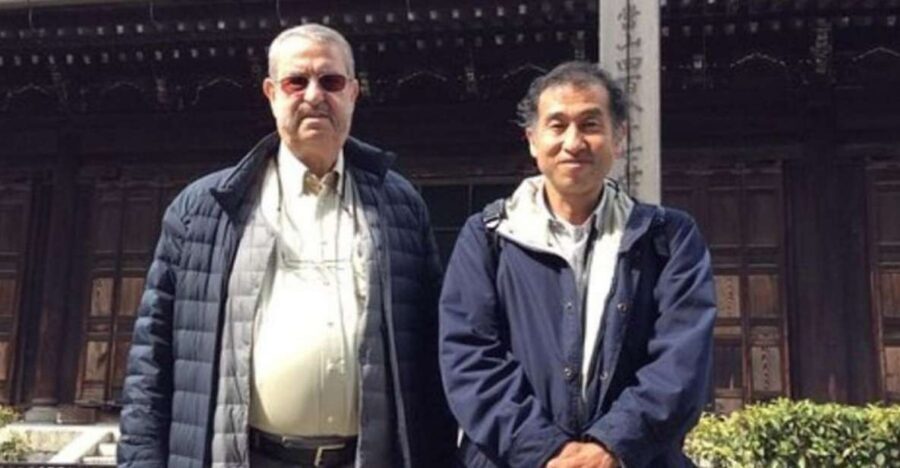
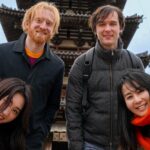
One more good sign from the positive feedback: the owner, Toku, seems to genuinely enjoy walking people through the day, and that personal attention can make a big difference, especially when you’re dealing with kimono etiquette and a formal setting.
Should you book this Katsura Villa and tea ceremony tour?
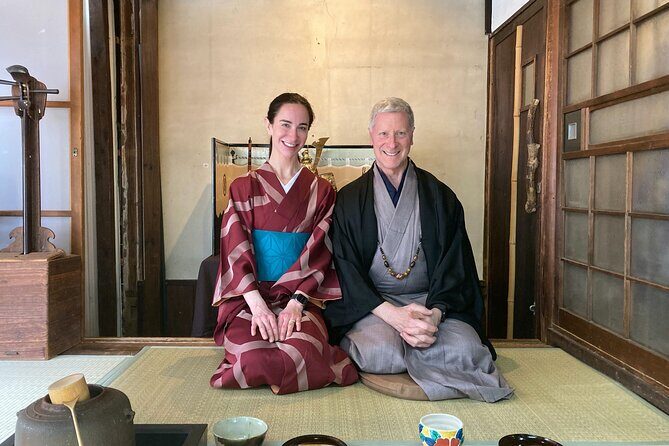
If you want a Kyoto afternoon that feels like more than sightseeing—garden artistry plus tea practice plus antique kimono—this is an easy yes. The biggest reason is not the pretty garden (though it is). The biggest reason is that the operator handles limited numbered entry and connects it to a meaningful second act: matcha in a traditional house with instruction.
Before you book, be honest about what you’re buying. You’re not just buying entry. You’re buying access handling, dressing support, and a structured cultural activity. If those match your style, the price can feel reasonable and the time becomes memorable. If your goal is only the garden on the cheapest path, you might decide to visit Katsura by other means and keep tea and kimono separate—or at least price-compare.
FAQ
How long is the Katsura Imperial Villa and tea ceremony experience?
It runs for about 3 hours.
What time does the tour start, and where do we meet?
The tour starts at 1:00 pm. The meeting point is 32-4 Katsuranozatochō, Nishikyo Ward, Kyoto, 615-8073, Japan.
Is this tour private or shared?
This is a private tour/activity. Only your group participates.
What is included in the price?
The price includes antique kimono rental (including dressing), the tea ceremony fee (matcha and Japanese sweets, held at the shop), the Katsura Imperial Villa same-day admission ticket arrangement fee, round-trip transportation from the store to Katsura Imperial Villa, and Katsura Imperial Villa entrance fee.
Do lunch or dinner come with the tour?
No. Dinner and lunch are not included.
Is there English support during the experience?
Yes. English speaking service is available.
How far in advance is this usually booked?
On average, it’s booked about 50 days in advance.
What should I do if the weather is bad?
This experience requires good weather. If it’s canceled due to poor weather, you’ll be offered a different date or a full refund.
What is the cancellation policy?
Free cancellation is available up to 24 hours in advance for a full refund. If you cancel less than 24 hours before the start time, the amount paid will not be refunded.