REVIEW · KYOTO
Kyoto: Nishiki Market Tea Ceremony with Koto Performance
Book on GetYourGuide →Operated by KOTOLILY KYOTO · Bookable on GetYourGuide
A matcha calm break in Kyoto.
This tea ceremony at KOTOLILY KYOTO mixes hands-on matcha making with live koto music in a small, pretty studio, so you get culture plus a little serenity. You’ll likely love the way the host teaches the steps clearly (and aims for a creamier, less bitter cup), and you’ll probably enjoy the koto interludes played while you sip.
The main thing to consider is the format: it’s a short 1-hour experience in a small space, so if you’re expecting a long, sightseeing-style outing or easy wheelchair access, this may not be the best fit.
In This Review
- Key Points at a Glance
- KOTOLILY KYOTO: A Calm Studio in Central Kyoto
- Finding the Meeting Point Without the Hotel Detour
- What Happens During the 1-Hour Tea and Koto Program
- Making Matcha the Less-Bitter Way (and Why It Matters)
- Sweets, Etiquette, and the Small Rituals That Land
- Live Koto Interludes: How the Music Fits the Ceremony
- Kimono Photo Time and Optional Koto-Playing Add-Ons
- Price and Value: Is $56 Worth It?
- Who This Suits Best (and Who Might Want to Skip)
- What to Bring (and What to Expect About Your Day)
- Should You Book KotoLyKyoto?
- FAQ
- How long is the Kyoto Nishiki Market tea ceremony with koto performance?
- What’s included in the $56 per person price?
- Is the kimono included, or is it extra?
- Where is the meeting point?
- What languages are used during the experience?
- Can I take photos or video?
- Is there an option to learn koto, or is it only a performance?
- What should I bring?
- Are there age or accessibility restrictions?
- Is it safe for people with food allergies?
Key Points at a Glance
- Small group (up to 8) keeps the tea instruction feeling personal instead of rushed
- Matcha made by you, with guidance aimed at a smoother, less bitter result
- Live koto performance around the tea creates a rhythm you can feel, not just watch
- Tea sweets included so you can taste how the flavors play together
- Kimono photos and extra koto time are available on-site for an add-on
KOTOLILY KYOTO: A Calm Studio in Central Kyoto
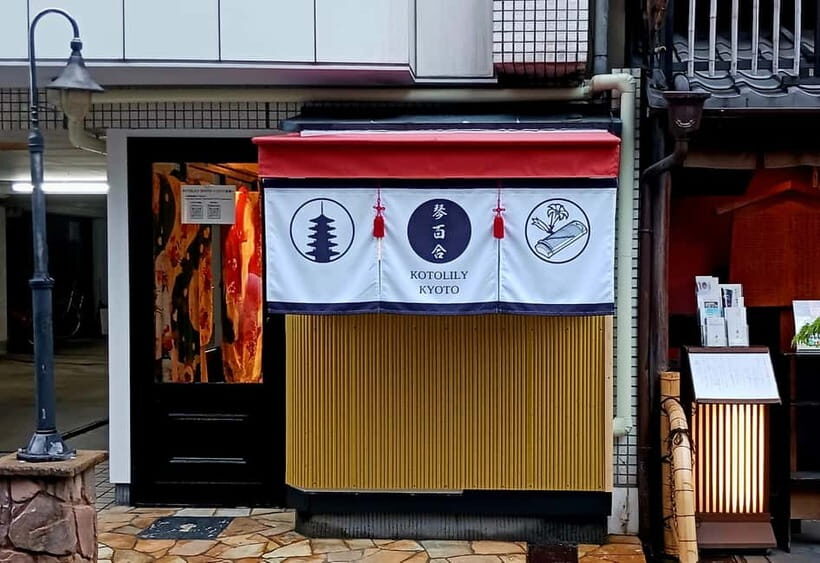
You’ll find this experience in central Kyoto, inside a shop called KOTOLILY KYOTO. The setup is practical for your day: it’s close to shopping areas and easy to reach even if Kyoto weather goes sideways.
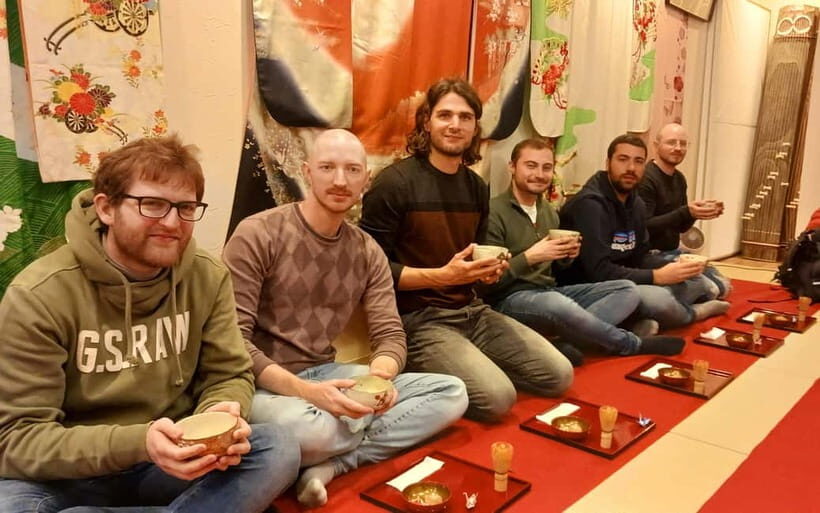
When you step in, you’re not immediately thrust into a busy market line or a loud show hall. Instead, the room feels like a proper tea space where you can slow down. One of the most repeated strengths here is the host’s warm, welcoming style, often described by guests as graceful and very personable, with English support.
The vibe also has a visual advantage. The walls feature beautiful kimonos, and the overall look makes it easy to take photos without trying too hard. If you’re pairing this with a Nishiki Market wander afterward, the timing makes sense too: it’s a calm “reset button” before or after shopping.
You can also read our reviews of more shopping tours in Kyoto
Finding the Meeting Point Without the Hotel Detour
This is the kind of activity where location clarity matters. Meet inside KOTOLILY KYOTO, next to KINMATA Restaurant. It’s opposite the street from Hotel GOCO stay, and the instructions specifically say not to wait at the hotel.
That sounds basic, but in Kyoto, streets can trick you—so do yourself a favor: locate the shop name first, then go inside. Plan to arrive a little early so you can get settled, because you’ll likely take shoes off in the space.
If you’re bringing a camera, you’ll want it ready right away. You’re also not allowed to use flash photography, so clean lighting and phone cameras are your friends here.
What Happens During the 1-Hour Tea and Koto Program
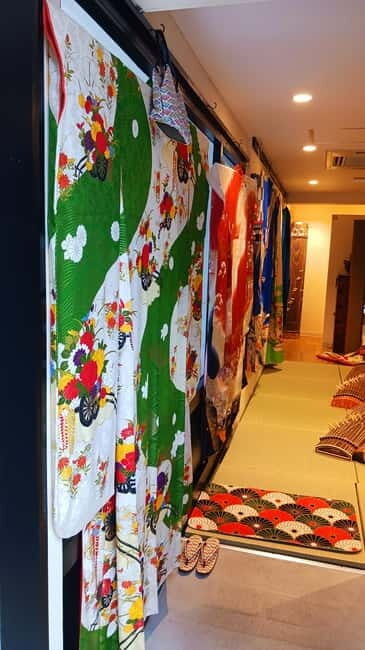
This is a tight, focused 1-hour session. You’ll move through matcha preparation with guidance, enjoy your tea with sweets, then settle in for live professional koto music that punctuates the experience both before and after the ceremony.
Think of it as three linked parts:
1) the hands-on tea process
2) the tasting and etiquette moment
3) the music, which frames everything with a slower pace
Because the group is limited to 8 participants, you’re more likely to get help during the steps, not just a quick demonstration. That’s important for matcha, where tiny technique differences can make the tea taste harsher or smoother.
Also, language support is listed as English and Japanese. In practice, that matters because the host instruction isn’t just about what to do, but why you do it—especially for tea etiquette and the flow of the ceremony.
Making Matcha the Less-Bitter Way (and Why It Matters)
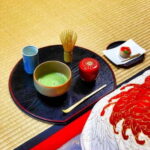
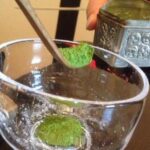
You’ll be making matcha yourself, and the experience is designed to help you create a creamy result with less bitterness. That goal is more than marketing. Matcha can swing wildly from smooth to harsh depending on whisking technique, water temperature (as instructed), and how thoroughly it’s mixed.
Here’s what you should watch for during your session:
- You want the matcha to look well-combined, not clumpy.
- Your whisking method is part of the taste, so listen to the host’s guidance and copy the rhythm.
- The host explains tea etiquette along the way, which helps you slow down instead of rushing the process.
Guests consistently highlight that the explanation makes matcha more approachable, including for people who don’t naturally love it. That’s a big deal in Kyoto, because matcha is everywhere, but the experience often feels confusing if you’ve never learned the basics. This one gives you a real foundation in an hour.
And yes, you’ll taste what you made. That feedback loop is how the technique sticks.
Sweets, Etiquette, and the Small Rituals That Land
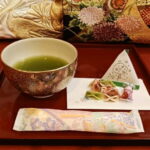
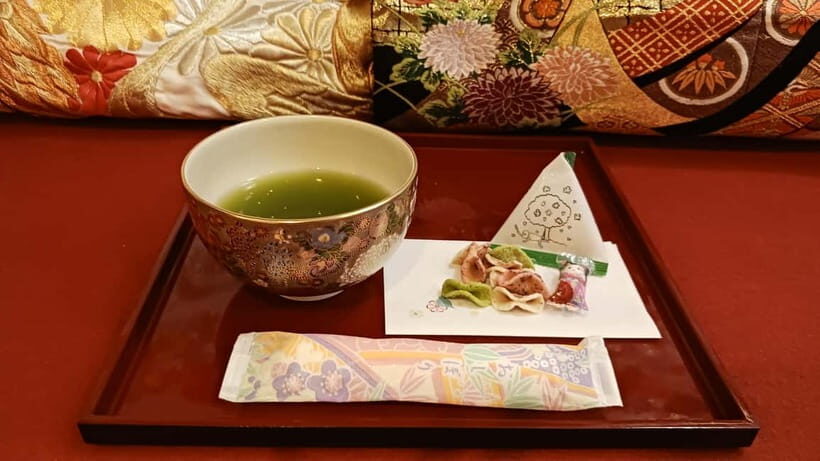
After you prepare and drink matcha, you’ll have tea sweets included. This matters because matcha and sweets aren’t just a random pairing. The sweetness can soften the edges of green tea, and it makes the flavor experience more balanced as you learn what different tea moments feel like.
The etiquette component is one of the reasons this experience gets such strong praise. Instead of treating tea like a quick drink demo, you’re guided through the ceremony’s meaning and how to behave within it. Even if you’ve seen tea ceremonies before, having someone translate the purpose of each step makes it feel more intentional.
One practical note: you should dress comfortably. You’ll be in a small indoor space with a ritual pace, and you’ll likely be taking your cues from the host as you move through positions and steps.
Also, flash photography is not allowed. So if you’re hoping for dramatic shots, switch your mindset to natural light photos and video without flash.
A few more Kyoto tours and experiences worth a look

Live Koto Interludes: How the Music Fits the Ceremony
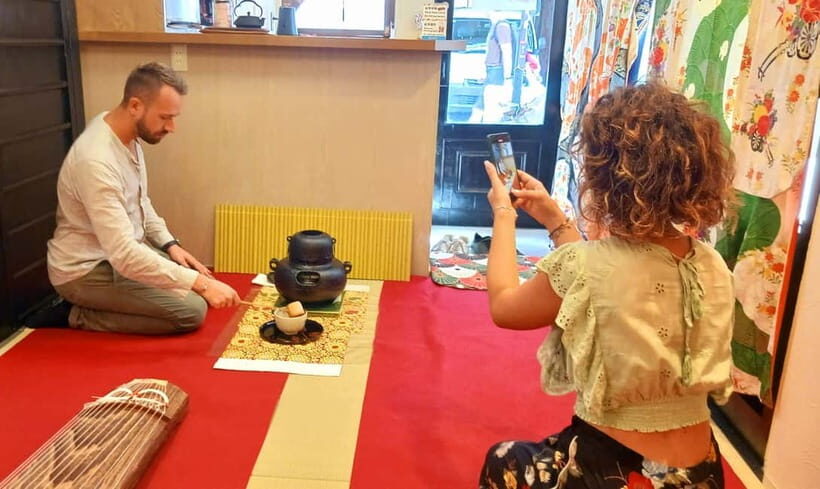
The koto part is not an afterthought. The program includes live professional koto performance with interludes before and after the tea ceremony, while you’re in the middle of the experience.
Why this works: koto music naturally has long, clean notes and a reflective mood. It creates a time gap where you’re not performing tea steps like a checklist. You’re breathing with the room, sipping tea, and letting the ceremony feel like a full experience rather than a “do it, taste it, leave it” stop.
Guests often mention that the music feels moving and intimate, and that the host’s connection to the instrument comes through. There are even references to songs performed, and people describe certain pieces as particularly moving. The takeaway for you: expect more than background entertainment.
If you’re a music fan, this is one of those activities that makes sense because it combines something you do with something you hear. Your attention stays on the senses, not on racing for the next ticket.
Kimono Photo Time and Optional Koto-Playing Add-Ons
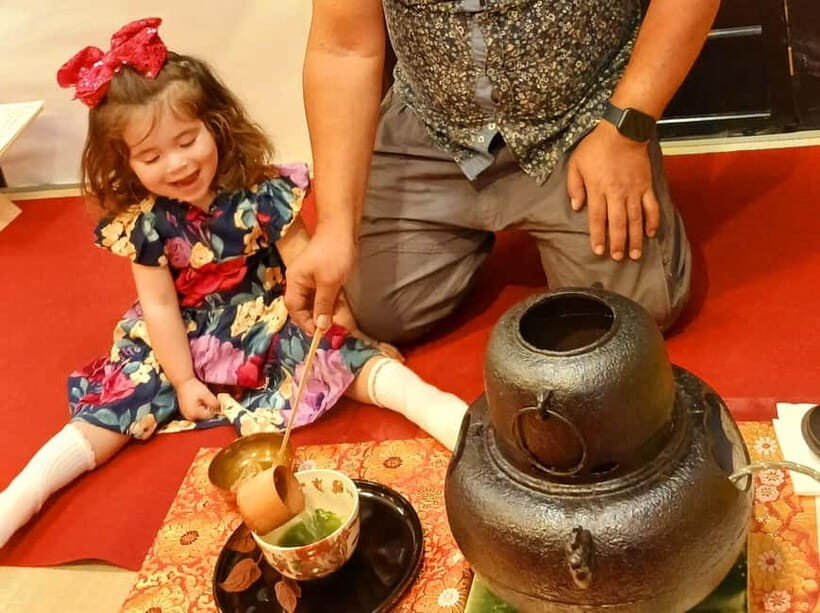
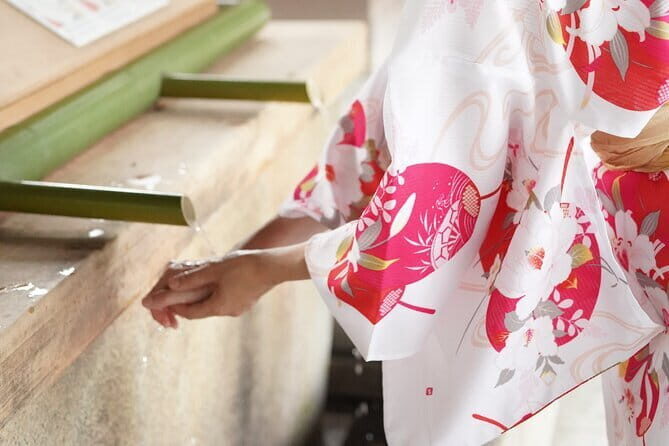
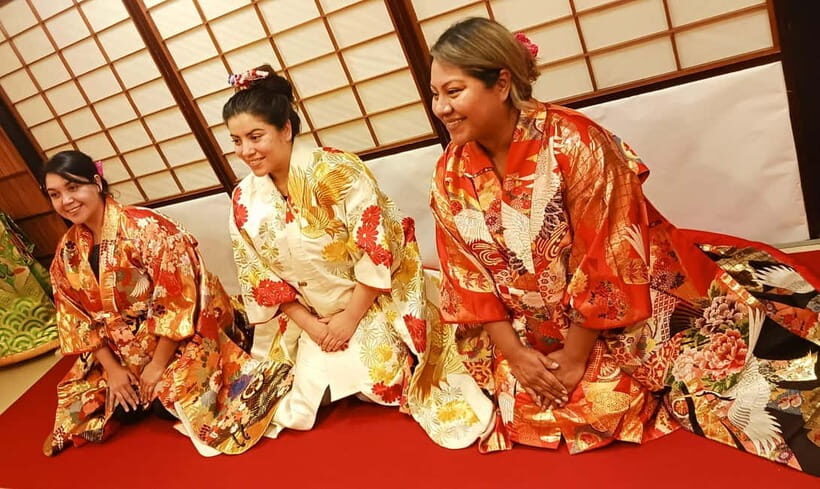
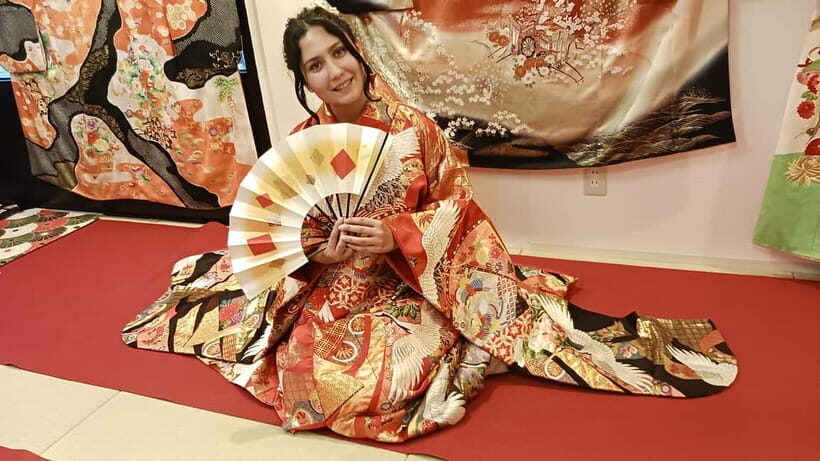
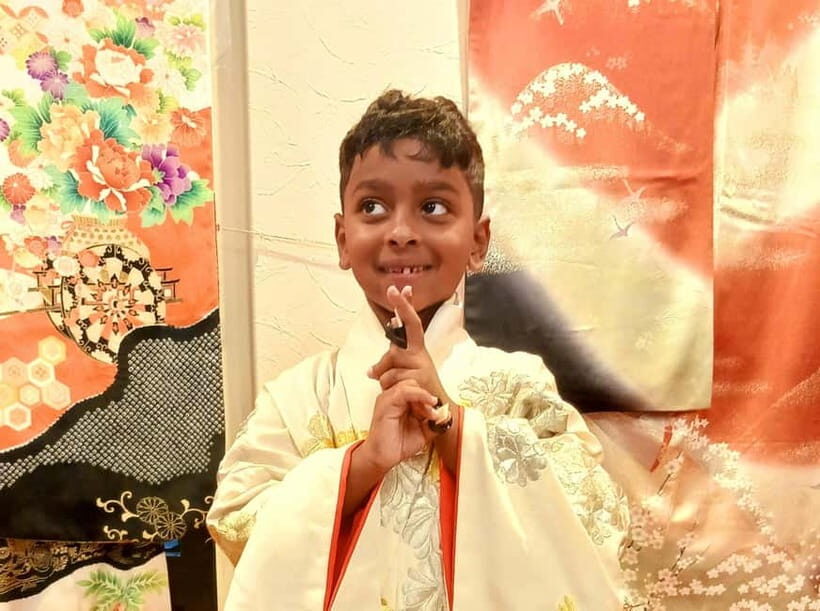
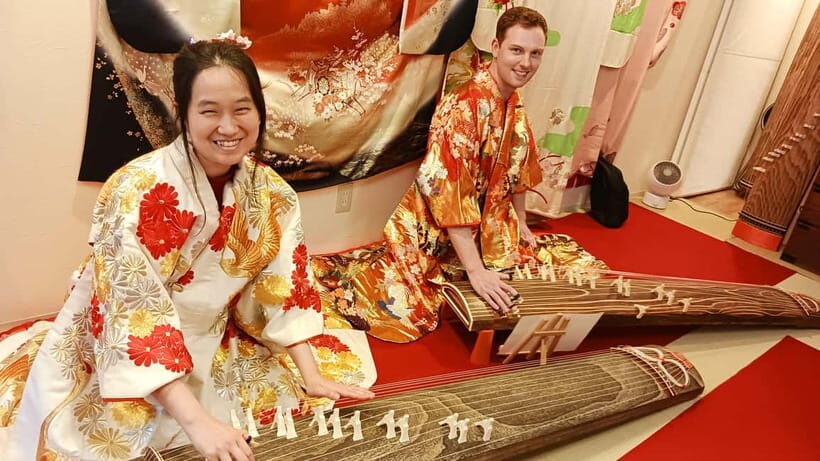
Yes, there’s kimono time. Wearing a kimono is available on-site for an additional fee, and photos and video are also available as an add-on. The experience notes that you can wear the kimono and have photos taken, but it also indicates that photo/video sessions cost extra—so budget for it if images are part of your travel plan.
There’s also an optional koto-playing experience available for an additional fee at the location. If you want to go beyond watching, this is where you can add that extra layer.
If you’re the type who loves a good souvenir, this is a smarter way to do it than chasing random photo spots. Instead of snapping a quick picture in front of a monument, you’ll get a full ritual setting, with the studio atmosphere and the music already happening.
One more thing: after the ceremony, there’s mention of making an offer. You’ll be guided on-site, so just follow staff directions at the right time.
Price and Value: Is $56 Worth It?
At $56 per person, you’re paying for a one-hour, small-group experience that includes:
- the tea ceremony experience
- matcha green tea making
- tea sweets
- live koto performance
That combo is the real value story. A lot of Kyoto cultural activities charge for either instruction or performance. Here, you get both in one block of time, and the group size helps the instruction feel more hands-on.
So who benefits most from the price? People who want a short activity that feels meaningful. If you’re trying to turn every hour into a checklist of temples and long transit, this may feel expensive for the time. But if you want a reset—technique, tasting, etiquette, and live music—$56 starts to feel fair.
Also, the add-ons (kimono photos/video and optional koto playing) are just that: optional. You can keep the base experience simple, or you can dress it up into a bigger memory.
Who This Suits Best (and Who Might Want to Skip)
This activity is a strong match for couples, solo travelers, and families with teens or adults who want a quieter cultural moment in Kyoto. The small group size helps, and the host’s English support makes the instruction feel accessible.
It’s also great if you like hands-on learning. You’re not just watching someone make matcha; you’re making it yourself and tasting it right away.
Who should think twice:
- Children under 8 are not suitable.
- Wheelchair users are not suitable (the format involves a small indoor setup).
- People with food allergies should be cautious, since you’ll be served tea sweets as part of the included experience.
If you’re traveling with allergies, don’t assume you can swap items. The data only states that it’s not suitable for people with food allergies, so play it safe.
What to Bring (and What to Expect About Your Day)
Keep it simple:
- Bring a camera
- Wear comfortable clothes
Flash photography is not allowed, so plan your photos accordingly. Good lighting matters more here than fancy gear.
You should also be ready for the “small space” reality. One guest specifically noted leaving shoes at the door and mentioned that there isn’t much room for big items, like suitcases. If you’re arriving from Nishiki Market shopping with lots of bags, consider leaving bulky shopping at your hotel or using luggage storage if you have it.
Timing-wise, check starting times and plan around your Kyoto day. Because it’s only one hour, it pairs well with shopping nearby. You can do this, then walk out into the market energy with your senses slowed down.
Should You Book KotoLyKyoto?
Book it if you want a Kyoto experience that feels personal and calming, not just another ticketed attraction. The pairing of hands-on matcha making with live koto interludes is the main reason this works, and the host’s teaching style is repeatedly highlighted as warm and very clear.
Skip it if you’re expecting a long activity, wheelchair-friendly access, or if food allergies are part of your situation. Also reconsider if you’re allergic to the idea of being in a small room with shoes off; that’s part of the setup.
If you’re the kind of traveler who values technique, meaning, and atmosphere in a short window, this is a smart choice.
FAQ
How long is the Kyoto Nishiki Market tea ceremony with koto performance?
The duration is 1 hour.
What’s included in the $56 per person price?
The price includes the tea ceremony experience, matcha green tea making, tea sweets, and a live koto performance.
Is the kimono included, or is it extra?
Kimono use is available on-site for an additional fee, along with optional photo and video coverage.
Where is the meeting point?
Meet at KOTOLILY KYOTO, inside the shop next to KINMATA Restaurant, opposite the street of Hotel GOCO stay. Do not wait at the hotel.
What languages are used during the experience?
Instruction is available in English and Japanese.
Can I take photos or video?
Yes, you can take photos and videos, but flash photography is not allowed.
Is there an option to learn koto, or is it only a performance?
There is an optional koto (Japanese harp) lesson experience available for an additional fee at the location.
What should I bring?
Bring a camera and wear comfortable clothes.
Are there age or accessibility restrictions?
Children under 8 are not suitable, and wheelchair users are not suitable.
Is it safe for people with food allergies?
The experience is listed as not suitable for people with food allergies.