REVIEW · KYOTO
Kyoto: Nishiki Market and Depachika Food Tour with a Local
Book on GetYourGuide →Operated by TripGuru Japan · Bookable on GetYourGuide
Kyoto smells like food as soon as you step inside. This short, English-led walk connects two of Kyoto’s best places to snack with purpose: Nishiki Market and a Depachika food hall in Daimaru, plus a breather at Nishiki Tenmangu Shrine. I especially like how the tastings are structured around Kyoto flavors (not random grabbing), and how guides like Jasmine, Mao, and Boris seem to explain what you’re eating in a way that makes it easier to shop afterward. One drawback to know: the tour is only two hours, so if you expect long sittings or a super rigid order for every bite, you may want to ask questions as you go.
Because it’s a small group (up to 9), you get more than photo-stop energy. You can ask about ingredients, cooking styles, and where to find the same items later. A helpful note from the way the tour is run: guides can be flexible if you linger in shops, but the pace is still guided, so wear shoes you can walk in and stay on time.
Finally, this is a smart pick if you want Kyoto food culture without planning an all-day route. You’ll cover serious eating ground, then end at Kyoto-Kawaramachi Station, which makes it easy to continue your day.
In This Review
- Key things I’d circle before you book
- Nishiki Market and Depachika: Two Kyoto Snack Stops in 2 Hours
- Meeting at Apple Kyoto and Getting the Most From the Short Walk
- Daimaru Kyoto Depachika: Your Included Tastings Start Here
- Nishiki Market: Where the Walking Turns Into Real Food Sense
- Nishiki-Tenmangu Shrine: The Calm Break Between Snacks
- Price and Value: Is $42 Worth It for Two Hours?
- How Guides Run This Tour (and How You Can, Too)
- What to Bring and What to Know Before You Go
- Who This Kyoto Food Tour Suits Best
- Should You Book This Nishiki Market and Depachika Tour?
- FAQ
- Where is the meeting point for the tour?
- How long is the tour?
- How much does the Kyoto Nishiki Market and Depachika food tour cost?
- What language is the tour guide?
- What food tastings are included?
- Does the tour include hotel pickup or drop-off?
- Where does the tour end?
- How big is the group?
- What should I bring?
- Who should not book this experience?
Key things I’d circle before you book
- Two food worlds in one route: Nishiki Market street-level snacks, then a Depachika basement food hall experience.
- Tastings that teach: yuba sashimi and soy milk donut, plus Nishiki gyoza and Uoriki tempura hamo fish.
- Small-group guidance: capped at 9, with English-speaking guides who handle questions and preferences.
- A pause for calm: Nishiki Tenmangu Shrine with hand cleansing and learning-focused symbolism.
- Shop with a plan: you’ll have time to browse while learning what’s worth buying later.
- Works even with a tight schedule: multiple start times for a 2-hour window.
Nishiki Market and Depachika: Two Kyoto Snack Stops in 2 Hours
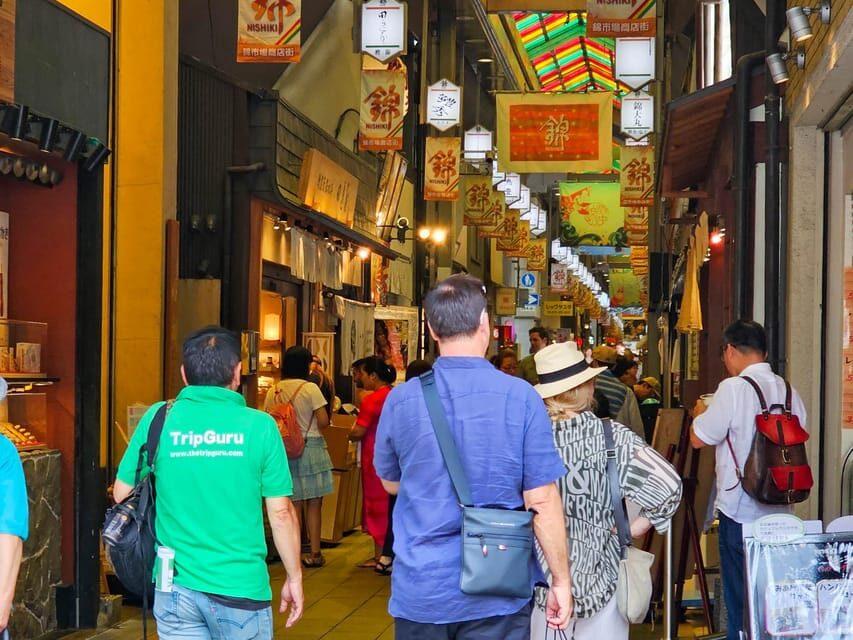
This tour is built for people who like food, but don’t want to spend their only good morning wandering with no plan. You start near Apple Kyoto, then head to Daimaru Kyoto for the Depachika part of the experience. Depachika (basement food halls) are a big deal in Japan for a reason: they’re stocked for snacking and souvenirs, with lots of small vendors and ready-to-eat bites.
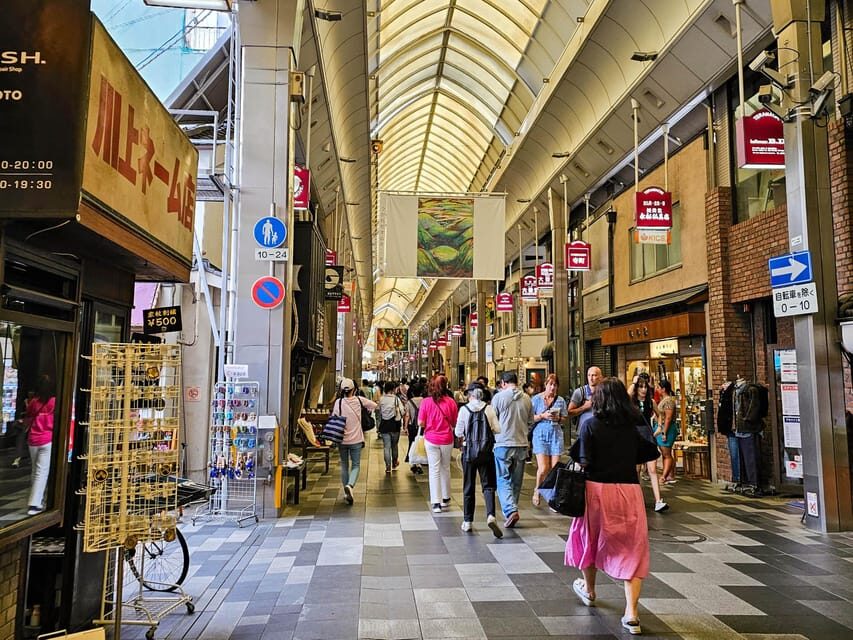
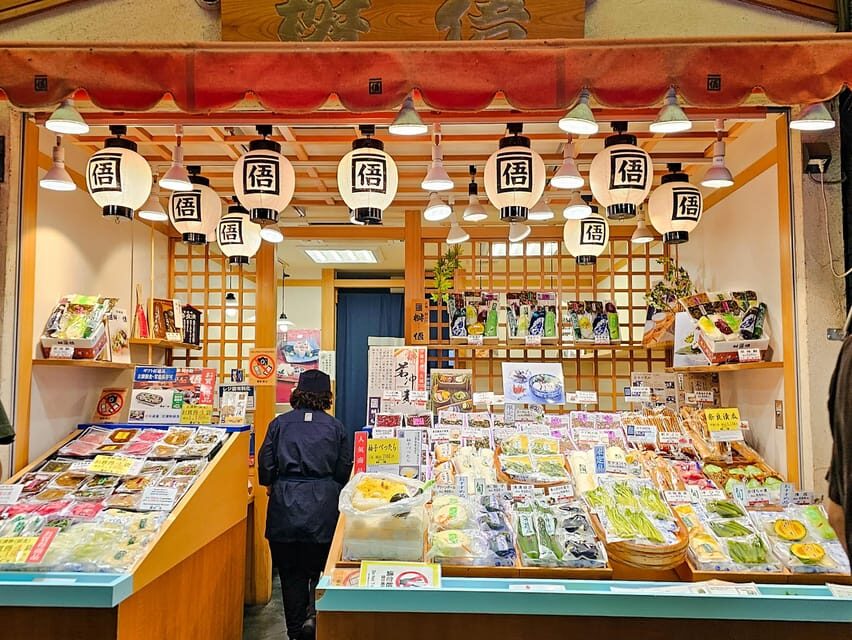
Next, you move into Nishiki Market, the classic Kyoto food street where shops cluster around seasonal ingredients, Kyoto specialties, and small-format takeaways. It’s the kind of place where you can learn by walking—if you have someone who can point out what you’re looking at and what’s worth tasting.
The final stop, Nishiki-Tenmangu Shrine, is a change of mood. You get a short guided visit, including a chance to cleanse your hands at the sacred water fountain. It’s a nice reset after the noise and decision-making of eating your way through markets.
You can also read our reviews of more food & drink experiences in Kyoto
Meeting at Apple Kyoto and Getting the Most From the Short Walk
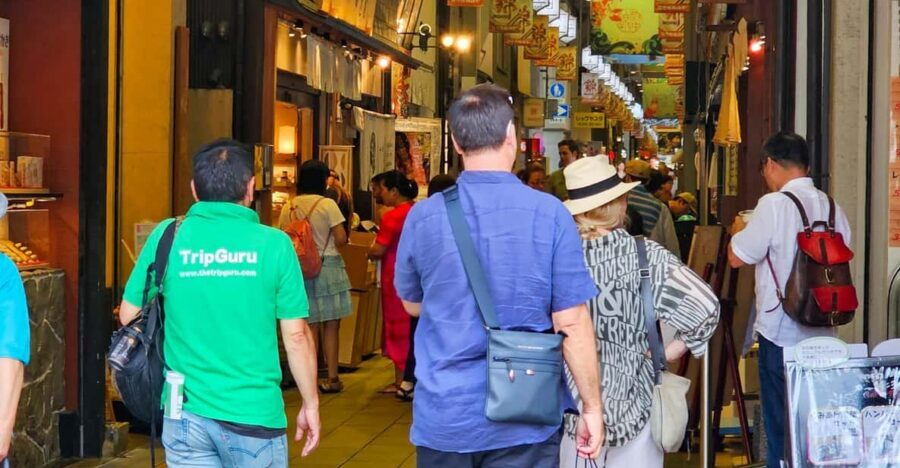
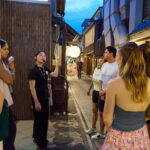
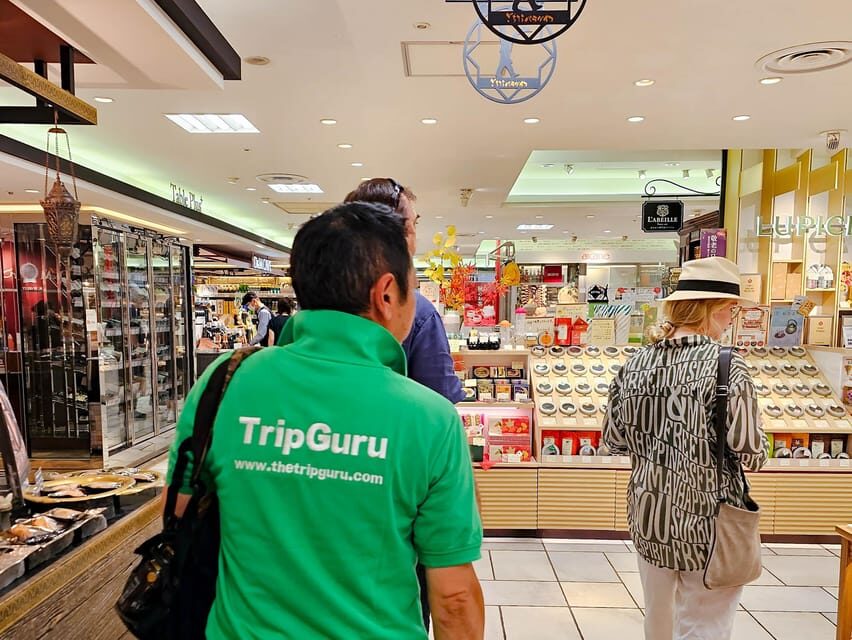
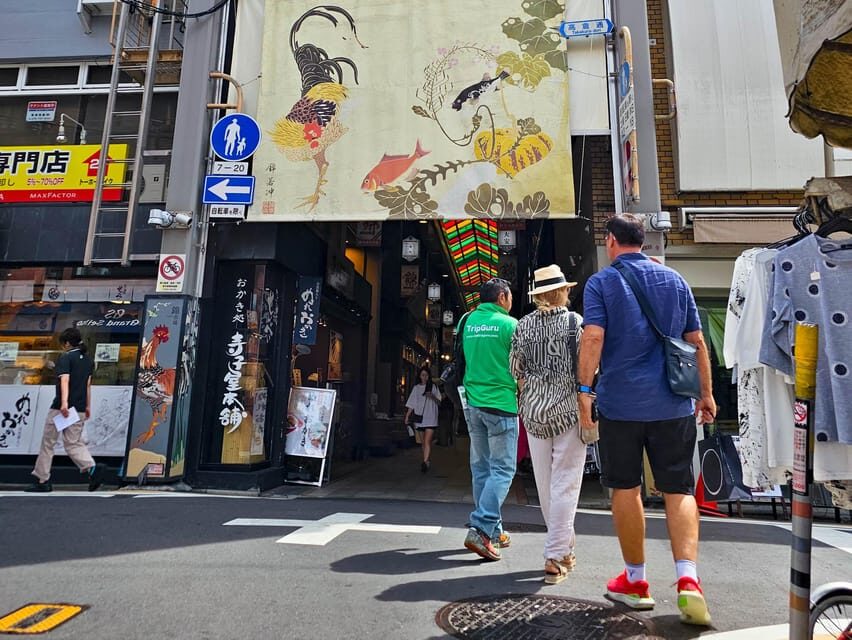
You meet at Apple Kyoto, and your guide waits wearing a TripGuru shirt or holding a TripGuru sign. Plan to arrive 10 minutes early, because the guide only waits a maximum of 10 minutes before moving to the next stop.
That timing detail matters more than it sounds. In a two-hour tour, you don’t want to spend precious minutes figuring out your way to the first food hall entrance or asking where everyone is gathering. Once you’re with the group, the route stays tight: food hall first, then Nishiki Market, then the shrine, ending at Kyoto-Kawaramachi Station.
One more practical note: you’ll likely want cash. Even if some tastings are included, shopping in Japan often works best when you’re ready to pay without delays. Comfortable shoes are a must too—this route is made for walking.
Daimaru Kyoto Depachika: Your Included Tastings Start Here
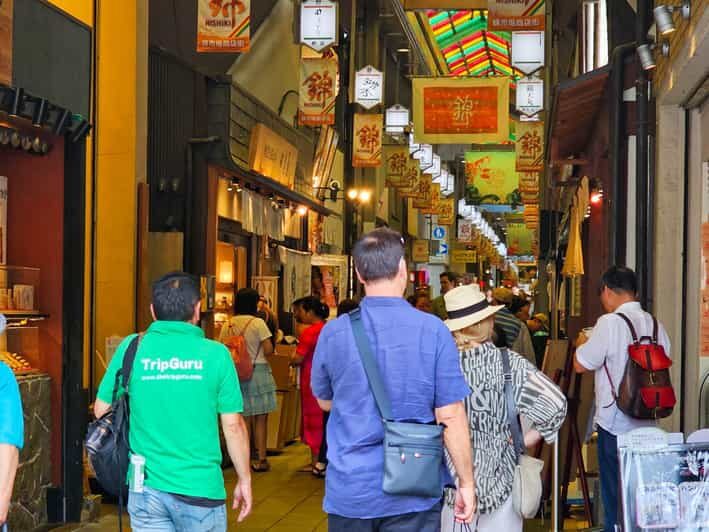
Your first major stop is Daimaru Kyoto, where you’ll experience the Depachika food hall atmosphere. This is where you get a guided look at how Japanese food is organized for browsing: small counters, neat product displays, and lots of bites you can sample or take home.
The included tastings give you a good spread across textures and flavors:
- Yuba sashimi (tofu skin) paired with soy milk
- Soy milk donut
- Nishiki gyoza
- Uoriki tempura hamo fish
Even if you’re not a tofu person, yuba is worth trying because it’s light and delicate when prepared well. The soy element helps you notice how Japanese flavors can lean subtle instead of heavy.
The soy milk donut is also a smart early stop. It’s a quick sweet-sip-to-bite bridge before things get savory. Then comes the savory rhythm: gyoza gives you comfort-food familiarity, while tempura hamo fish is your chance to try something more Kyoto-specific in style, served fried and crisp with that classic tempura texture.
What I like here is that this part of the tour doesn’t feel like random sampling. You’re tasting, then learning what you’re tasting and why it’s sold in this format—perfect for figuring out what to buy after the tour ends.
Nishiki Market: Where the Walking Turns Into Real Food Sense
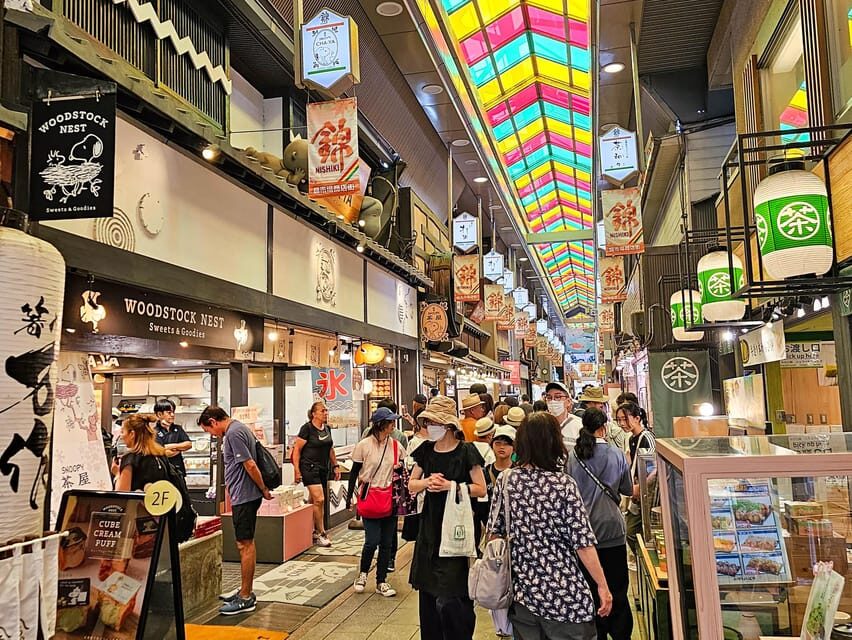
After the Depachika portion, you head into Nishiki Market for about an hour of guided wandering and food tasting. This is the part that turns your Kyoto trip from I think I should try local food into I actually know what to look for.
Nishiki is famous for a reason: it’s packed with vendors selling everything from ingredients to snack-sized plates. But the real value of this guided section is the “translation.” Instead of you standing in front of stalls guessing what’s popular versus what’s good, your guide explains how Kyoto food flavors tend to work and what each stop represents.
You’ll get guided tasting opportunities, and you’ll also be able to browse shops with a clearer shopping lens. In practice, that means you’re more likely to buy something you’ll genuinely enjoy later, not just something that looks pretty in a package.
One small caution: one guest noted a slight mix-up in how the tastings were paced, with some confusion about when the food would come out. If you’re the type who likes a very structured, step-by-step sequence, speak up early and ask when each tasting will happen so the flow fits your style.
Nishiki-Tenmangu Shrine: The Calm Break Between Snacks
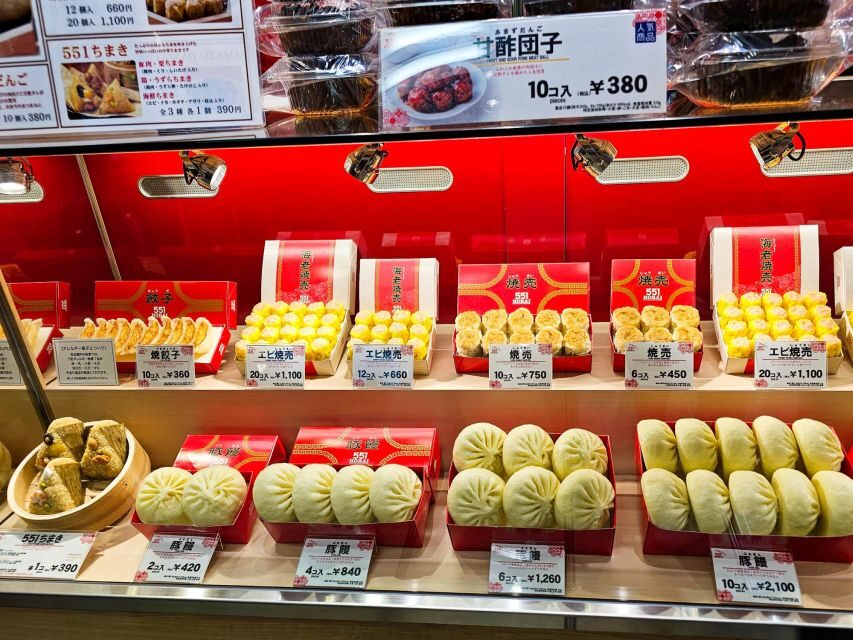
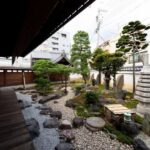
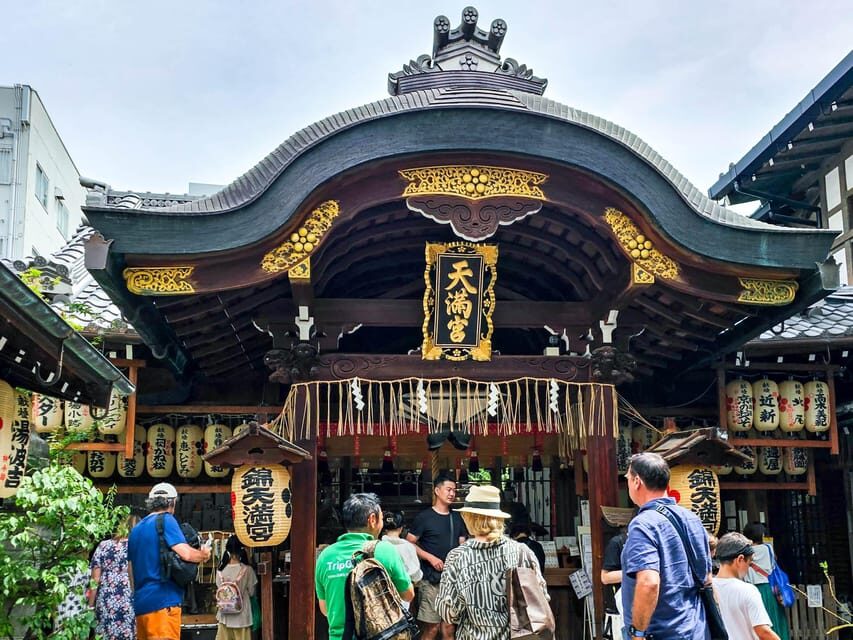
Then you head to Nishiki-Tenmangu Shrine, a Shinto shrine dedicated to learning. This stop is brief, but it adds meaning. After food streets and long aisles of shopping, you get a moment of quiet and perspective.
During the guided visit, you’ll spend about 30 minutes here. You can admire the shrine’s architecture and do a traditional hand cleansing at the sacred water fountain. The fountain is believed to bring good fortune and blessings, and the experience is also a good reminder that Kyoto isn’t just meals—it’s daily culture.
What makes this stop work on a food tour is timing. You’re not stuffed and miserable by the time you arrive. You get a break before your final walk ends at Kyoto-Kawaramachi Station.
A few more Kyoto tours and experiences worth a look

Price and Value: Is $42 Worth It for Two Hours?
At $42 per person for about two hours with an English guide and a small group (up to 9), the value comes from structure. You’re paying for someone to:
1) steer you through two major food zones,
2) decide which tastings make sense together, and
3) explain what to buy if you want to repeat the experience later.
If you tried to self-plan, you’d still spend money on tastings, but you’d spend extra time deciding where to go and what to trust. Here, the tastings are included, including items like yuba sashimi and soy milk donut, plus gyoza and tempura hamo fish. That’s exactly the kind of menu variety that’s hard to assemble on your own quickly.
Also, the small group format helps. You’re not shouting over crowds to ask a question. And the guide can adjust attention if someone in your group wants to move slower or has more questions about ingredients or shopping.
How Guides Run This Tour (and How You Can, Too)
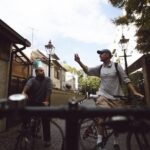
From the way guides are described—people like Vincent, Jasmine, Mao, Ai, Richard, and Kats—the big theme is friendly guidance. The tour tends to encourage questions. Guides also offer hints for where to keep shopping after you’ve finished the tastings.
You’ll get chances to browse while the guide organizes what to sample. That’s a key difference between a “taste everything” tour and a “food education plus tastings” tour.
A practical way to get the best experience:
- Ask one question early about what you should buy to take home.
- Mention dietary preferences or if you’re traveling with picky eaters.
- If you want more time in Daimaru or in specific stalls at Nishiki, say so rather than waiting for the schedule to move you.
The best-case scenario is that your guide balances food teaching, browsing time, and group flow without making you feel rushed.
What to Bring and What to Know Before You Go
This is the part that saves you stress.
Bring:
- Comfortable shoes (you’ll walk)
- Camera (Nishiki stalls are great for photos)
- Cash (useful for extras)
Also, plan for morning traffic around Kyoto. Even if your navigation app says one thing, heavy traffic can change the timing. Build in a cushion so you don’t arrive right on the minute.
Group size is small, but that doesn’t mean you should treat it like a private tour. You’ll still be moving as a group from Apple Kyoto to Daimaru, then Nishiki Market, then Nishiki-Tenmangu Shrine, ending at Kyoto-Kawaramachi Station.
Finally, this tour isn’t suitable for everyone. The activity notes include restrictions for pregnant women, people with mobility impairments, and people with heart problems or respiratory issues. If any of those apply, you’ll want to choose a more flexible walking plan.
Who This Kyoto Food Tour Suits Best
I think this works best for you if:
- You want a quick, guided Kyoto food route in a short time window.
- You like trying different types of Japanese snacks, not just one “best hit.”
- You’d rather learn what to buy than wander and guess.
- You’re comfortable walking and standing a fair amount in market and food hall settings.
It may not be ideal if:
- You need slow, low-impact movement.
- You’re hoping for a long meal sit-down.
- You want very strict timing with zero flexibility between stalls.
Should You Book This Nishiki Market and Depachika Tour?
If you’re trying to get smart fast about Kyoto food, I’d lean yes. This tour gives you tastings that cover tofu skin and soy flavors, plus gyoza and tempura-style hamo fish, all within a two-hour window. It also layers in a shrine visit so your trip feels like more than just eating and shopping.
Book it if you want structure, small-group guidance, and an easy ending point at Kyoto-Kawaramachi Station. Skip it only if you need long breaks, very low walking time, or you don’t want the tour’s pacing to be shared with a group.
If your Kyoto schedule is tight, this is one of the most efficient ways to eat like the city—and come away knowing what to buy next.
FAQ
Where is the meeting point for the tour?
You meet at Apple Kyoto. Your guide will be there wearing a TripGuru shirt or holding a TripGuru sign.
How long is the tour?
The tour lasts about 2 hours.
How much does the Kyoto Nishiki Market and Depachika food tour cost?
It costs $42 per person.
What language is the tour guide?
The tour is conducted in English.
What food tastings are included?
Included tastings are yuba sashimi (tofu skin) + soy milk donut, Nishiki gyoza, and Uoriki tempura hamo fish.
Does the tour include hotel pickup or drop-off?
No. Hotel pickup and drop-off are not included.
Where does the tour end?
The tour finishes at Kyoto-Kawaramachi Station.
How big is the group?
The group is limited to 9 participants.
What should I bring?
Bring comfortable shoes, a camera, and cash.
Who should not book this experience?
It’s not suitable for pregnant women, people with mobility impairments, people with heart problems, or people with respiratory issues.