REVIEW · HAKODATE
Hakodate 4hr Private Tour with Government-Licensed Guide
Book on Viator →Operated by Japan Guide Agency · Bookable on Viator
Star-shaped forts meet seafood morning. This private 4-hour walk gives you a government-licensed English guide and lets you pick 2–3 stops that match your mood.
I love how the tour is designed for real pacing: you’re not stuck watching a checklist from afar. I also like that Hakodate is best on foot, so you get the city’s port history in the places where it actually happened.
The one thing to consider is that this is a walking tour with pickup on foot and no private vehicle included—so comfy shoes matter, especially if your day includes viewpoints or longer neighborhood hops.
In This Review
- Key takeaways before you go
- Why Hakodate Port History Works So Well on Foot
- What a Government-Licensed Private Guide Changes
- Choosing 2–3 Stops for a Sharp 4-Hour Plan
- Mount Hakodate Viewpoint: Short Time, Big Payoff
- Onuma Quasi-National Park: Lakes, Islands, and a Breathing Pause
- Goryokaku Park: The Star Fort Geometry You Can Walk Through
- Hakodate Morning Market: Fresh Seafood Breakfast on Local Time
- Motomachi, Red Brick Warehouses, and the Harbor Walk
- Northern Peoples Museum: A Culture Stop Worth Planning for
- Price and Value: When Private Makes Sense
- Practicalities That Actually Matter: Walking, Timing, and Getting Around
- Should You Book This Private Hakodate Tour?
- FAQ
- How long is the Hakodate private tour?
- Is this a private tour or a shared group?
- Can I choose which sights to visit?
- What kind of guide will I have?
- Are entrance fees included?
- Is pickup included?
- Is food included?
- Can I cancel for a full refund?
Key takeaways before you go
- Government-licensed, multilingual guide: you get clear context, not just directions
- Pick 2–3 stops: your half-day stays focused instead of rushed
- Classic Hakodate mix is on the menu: from Mount Hakodate views to a morning seafood market
- Some stops are free to enter in the tour plan, while others may cost extra
- Guides like Akira, Meji, and Fumiko are noted for tailoring the day and staying patient with questions
Why Hakodate Port History Works So Well on Foot
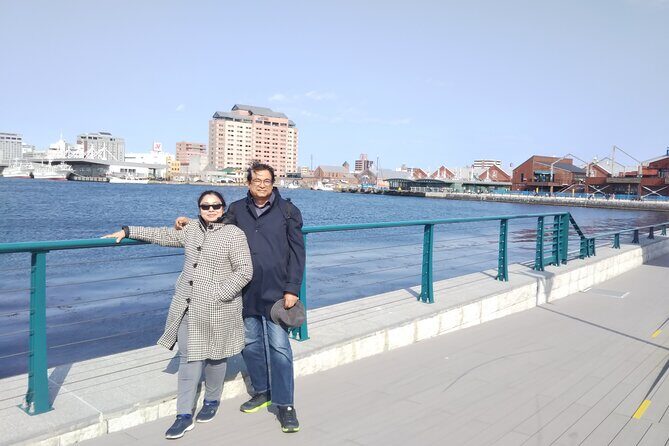
Hakodate has a special feel because it grew as Japan opened up to international trade. You’ll spot that European-influenced mix in the buildings and streets, plus the steady harbor atmosphere that shaped everyday life.
What makes this tour format work is timing and proximity. In 4 hours, you can’t “do everything,” but you can get your bearings fast—fort, viewpoint, and port-side neighborhoods are close enough to matter. When you add a stop at the Hakodate Morning Market, you also get a food culture moment that’s not trapped in a museum.
If you’re the type who likes travel that feels hands-on—rail lines, warehouse brickwork, parade-flyer signs of old trade routes—this tour gives you that. And since the guide helps you choose your focus, you avoid the “I guess we saw that” syndrome.
You can also read our reviews of more guided tours in Hakodate

What a Government-Licensed Private Guide Changes

The big win here is how the guide acts like your Hakodate translator for both history and practical reality. This is led by a government-licensed multilingual guide, and the point is not just facts. It’s choosing the right stops for your interests and then explaining what you’re looking at in plain language.
You may end up with guides such as Akira or Meji—both are described as professional, friendly, and especially good at tailoring. Another guide named Fumiko is noted for making a helpful suggestion when time gets tight, including using a paid taxi option to protect the 4-hour plan. That’s exactly what you want from a guide: not sticking rigidly to a script.
Also, because it’s private, you can ask questions without doing the awkward “should I interrupt?” thing. Want the story behind the star-shaped fort? Ask. Curious why Motomachi looks different from other Japanese neighborhoods? Ask.
Choosing 2–3 Stops for a Sharp 4-Hour Plan
The tour is built around selecting 2–3 sites from a menu of stops, so your choices shape everything. Here’s how I’d think about it:
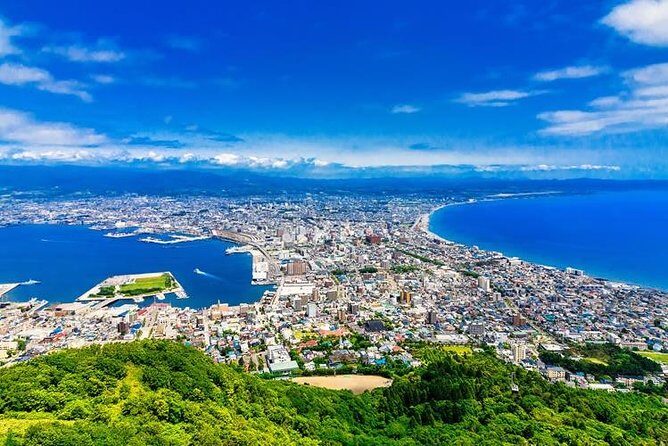
- If you want views and city orientation: combine Mount Hakodate with Goryokaku (fort) and a short port-side walk.
- If you want nature scenery: swap one urban stop for Onuma Quasi-National Park.
- If you want “morning in Japan” energy: pick the Morning Market plus one history/architecture stop (Motomachi or red-brick warehouses).
- If you want culture beyond the harbor: add Hakodate Museum of Northern Peoples—but note it’s not included in the tour plan’s listed free admissions.
A smart trick: choose one “big ticket” moment (viewpoint or fort), then anchor the rest with one food/culture site and one neighborhood-stroll stop. That way, 4 hours doesn’t feel like hopping between random photos—it feels like a story.
Mount Hakodate Viewpoint: Short Time, Big Payoff
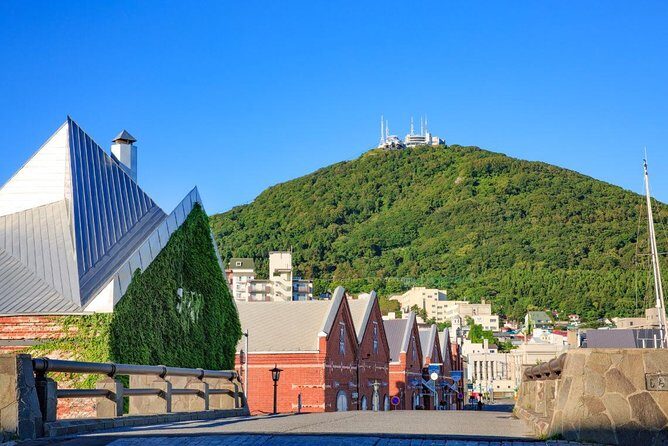
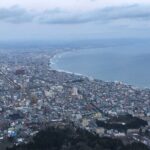
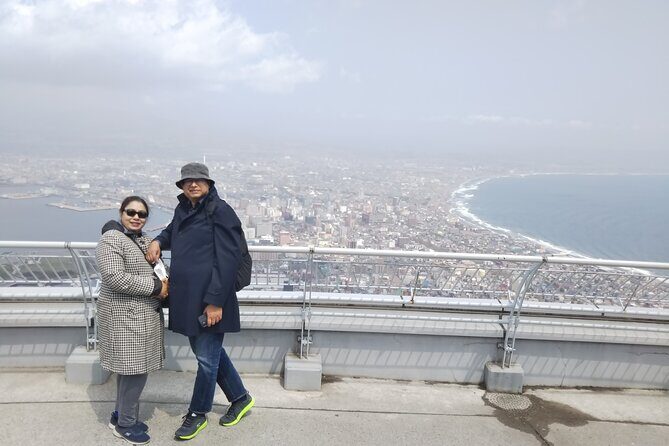
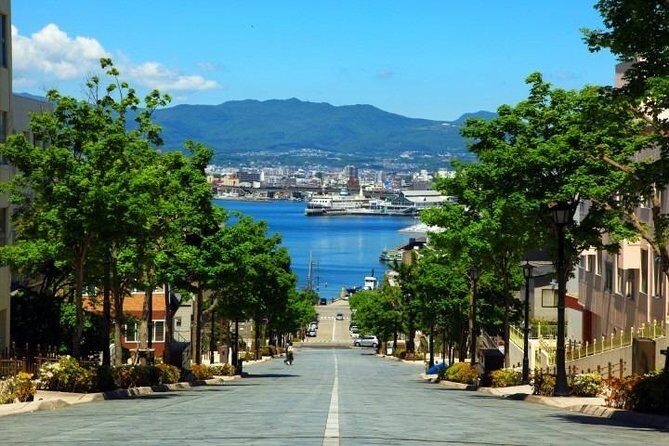
Mount Hakodate is a wooded mountain at the southern end of the peninsula, and on clear days/nights it’s famous for views. Even though your stop is about 30 minutes, the payoff is huge because you’re getting a wide bird’s-eye read of the city layout.
In practice, this is your “set the map in your head” stop. From above, the harbor makes more sense, Motomachi’s position becomes clearer, and later you’ll understand why certain buildings and warehouses survived the way they did.
One consideration: this kind of viewpoint depends on weather. If the sky is gray or hazy, the view may feel muted. Still, the stop can remain useful for orientation, especially since this tour is designed to keep things efficient.
Onuma Quasi-National Park: Lakes, Islands, and a Breathing Pause
Onuma Park sits about 20 kilometers north of Hakodate and is known for island-dotted lakes and volcano scenery (with Mount Komagatake connected to the wider scene). Even with a short 30-minute stop, it works because it’s a clean break from city walls and brick warehouses.
This is the stop I’d pick if your Hakodate day needs balance. Hakodate is very “port + history,” and Onuma gives you that calmer, scenic reset. You’re not trekking for hours—just stepping into a different rhythm.
Because your time is limited, focus on one thing here: the waterline and how the islands sit in the lake. That’s what stays with you, even after you head back into town.
You can also read our reviews of more private tours in Hakodate
Goryokaku Park: The Star Fort Geometry You Can Walk Through
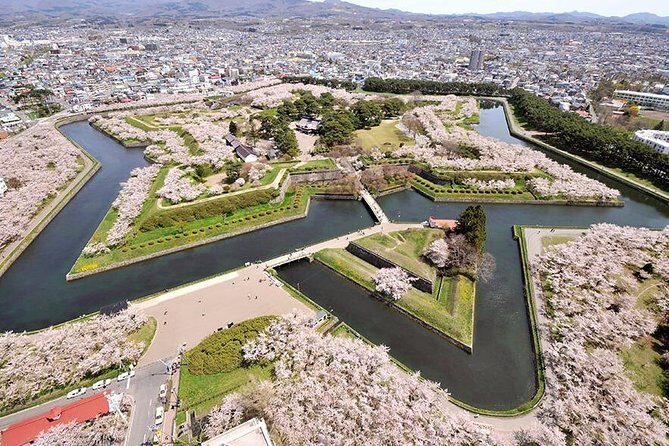
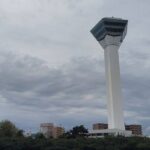
Goryokaku Park is a historic star-shaped fort area in Hakodate. It was built in the late Edo period as a Western-style fortress and later became tied to the last battle of the Tokugawa era. Today it’s a public park, which means you can actually move around and “read” the design.
What I like about making Goryokaku one of your chosen stops is that it gives structure to the rest of Hakodate. You start seeing the city not just as pretty streets, but as a place influenced by foreign military architecture and shifting power.
The stop is listed for about 30 minutes, and that’s enough to grasp the concept and take photos from the right angles. It’s also a good mental reset: you can walk a bit, look at the layout, and then transition back into urban history.
Hakodate Morning Market: Fresh Seafood Breakfast on Local Time
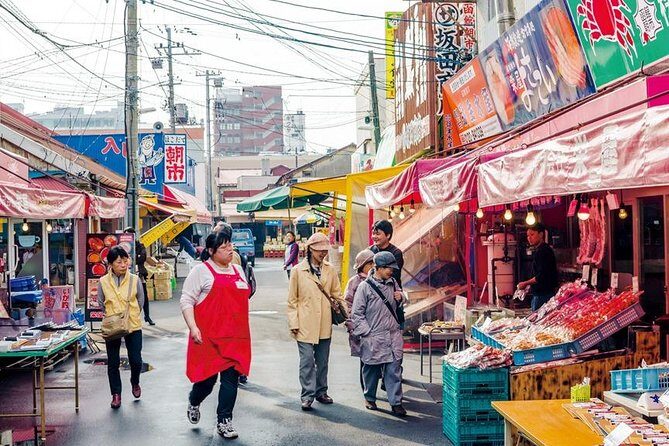
The Hakodate Morning Market is held daily from 5am to noon (6am during winter). It’s just a few steps from JR Hakodate Station, so it’s not a “half-day detour”—it’s a convenient way to plug into the city’s daily rhythm.
If you choose it as one of your 2–3 stops, think of it as two experiences at once: the atmosphere of morning market life, and the chance to have breakfast that feels like the local version of “vacation.” The tour description even encourages a fresh seafood breakfast here, and that’s a solid plan if you want Hakodate to taste like Hakodate.
Practical tip: because lunch isn’t included, you’ll likely be buying food on your own. Budget for small bites or a proper breakfast. Don’t try to go all-in if you plan to eat again later—keep some room.
Motomachi, Red Brick Warehouses, and the Harbor Walk
This is where Hakodate’s international past becomes visible in everyday streets. The harbor was opened to foreign trade in 1854 after Japan’s era of isolation ended, and Motomachi developed with that influence. You can expect the neighborhood vibe to feel distinct from the rest of Japan you might have already seen.
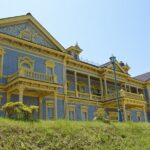
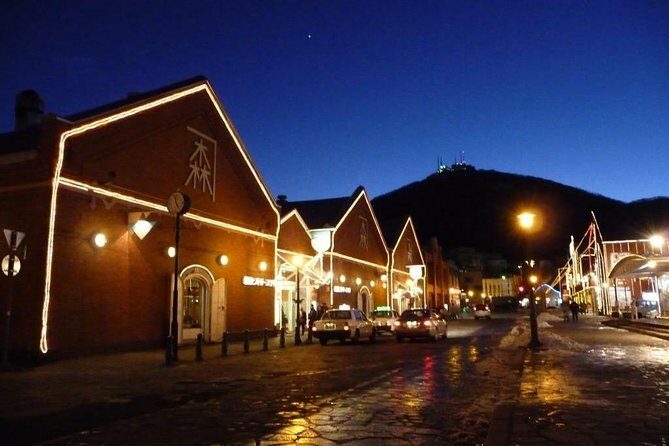
Then comes the Kanemori Red Brick Warehouse area. These warehouses survive from the era when Hakodate Port was among the first ports opened to international trade. Seeing preserved brickwork in a working port setting gives the history something physical to hold onto.
Add the Bay Hakodate side and you get the wide harbor perspective plus that “old meets new” feel—old red-brick buildings turned into a shopping-and-stroll zone. Even if you don’t plan to buy anything, walking this section helps you understand how the port shaped the city’s layout.
Your stop time for these pieces is typically short per area, so the key is to pick what you care about most. If you love architecture, let warehouses and Motomachi anchor your choices. If you prefer stories, ask the guide to connect the dots between trade opening, building style, and where those buildings sit.
Northern Peoples Museum: A Culture Stop Worth Planning for
The Hakodate Museum of Northern Peoples focuses on Ainu culture. It’s housed in a building that once served as the Japan Bank, built in 1926, which means it carries its own historical weight even before you reach the exhibitions.
In the tour plan, museum admission is specifically marked as not included, so you’ll want to factor that into your budget. If you’re interested in cultural context beyond the harbor story, this museum can be the best “third stop” option.
Because your tour time is limited and you’re choosing only 2–3 sites, I’d treat the museum like a commitment: if you choose it, arrive ready to slow down a bit. Even with a shorter time window, the building context plus the Ainu focus can give your day more depth than another quick photo stop.
Price and Value: When Private Makes Sense
At $221.52 per person for a 4-hour private tour, you’re paying mainly for time with a licensed guide and the ability to customize. There’s no private vehicle included, and transportation fees and entrance fees aren’t included.
So the value equation depends on what you’ll otherwise do on your own:
- If you want one plan that avoids decision fatigue, the customization is the selling point.
- If you’d spend money anyway on transit and multiple tickets, the guide’s routing can help you concentrate your time where it matters.
Also, the tour includes a licensed local English-speaking guide and uses a mobile ticket. Group discounts are available, so if you’re traveling with family or friends, it can become easier to justify.
Just don’t expect the price to cover everything. Think of it as your guided framework; you’ll still pay for things like food at the Morning Market and any paid museum admission.
Practicalities That Actually Matter: Walking, Timing, and Getting Around
This is a walking tour, and pickup is on foot within a designated area. It’s also described as near public transportation, which is useful because you won’t be stuck isolated if you decide to meet up differently.
The schedule is short stops—often around 30 minutes each. That’s why the custom “2–3 sites” decision matters so much. If you choose three far-apart types of stops, you’ll feel it. If you choose a tight combo (viewpoint + fort + one neighborhood), it feels smooth.
One more real-world note: in Hakodate, guides may use the city’s heritage tram network to move between areas efficiently. You might also get helpful suggestions like using a paid taxi when weather or timing threatens to chew up your limited half day. The point isn’t fancy transport—it’s protecting your time so the 4 hours stay meaningful.
For the Morning Market, pay attention to start times (5am, or 6am in winter). If you want that “fresh seafood breakfast” experience, don’t treat it like an optional stroll.
Should You Book This Private Hakodate Tour?
Book it if you want a guided half-day that’s flexible, focused, and built around the places that give Hakodate its identity—fort geometry at Goryokaku, views from Mount Hakodate, and that early-day market energy. The biggest reason to choose it is the government-licensed guide and the freedom to pick your 2–3 stops.
Skip or reconsider if you hate walking and want a car-based tour. Since transportation fees aren’t included and there’s no private vehicle, you’ll likely do more on your feet than in a “sit and ride” format.
If you’re the kind of traveler who likes asking questions and getting explanations tied to what you’re actually seeing, this tour style will feel made for you. Just pick your stops with intention, bring comfortable shoes, and plan to eat breakfast if you can—Hakodate morning is the point.
FAQ
How long is the Hakodate private tour?
It lasts about 4 hours.
Is this a private tour or a shared group?
It’s a private tour/activity, meaning only your group participates.
Can I choose which sights to visit?
Yes. You can choose 2–3 sites from the What to Expect options, and your guide customizes the route around your choices.
What kind of guide will I have?
You’ll have a multilingual guide who is government-licensed and local English speaking.
Are entrance fees included?
Entrance fees are not included. In the tour plan, several stops list admission as free, but the Hakodate Museum of Northern Peoples has admission not included.
Is pickup included?
Pickup is offered, but it’s a walking tour with meet-up on foot within a designated area. It’s also near public transportation.
Is food included?
Lunch is not included. The Morning Market stop is designed so you can consider a fresh seafood breakfast on your own.
Can I cancel for a full refund?
Free cancellation is available up to 24 hours in advance for a full refund. If you cancel less than 24 hours before the start time, you won’t get a refund.