REVIEW · HAKODATE
Hakodate: 4-Hour Cultural and Historical Highlights Tour
Book on GetYourGuide →Operated by SmartRyde · Bookable on GetYourGuide
Hakodate is small, but it packs a lot. This half-day private tour strings together seafood, old Western-style neighborhoods, and big bay views without wasting your time. You start at Ekini Market for local tastes, then shift gears to Motomachi churches and public-era buildings, and finally end at the Bay Area’s famous red brick warehouses for photos and an easy stroll.
I especially love how the route balances three different kinds of travel satisfaction: food at the market, history in Motomachi, and scenery at Mount Hakodate. I also like that it’s a private charter in a Japanese-driven vehicle, so you’re not stuck with a group pace when the weather changes. One possible drawback: meals and the ropeway fare are not included, and winter weather can also limit access to Mount Hakodate by car, so you’ll want a little flexibility in your plans.
In This Review
- Key Highlights at a Glance
- A 4-Hour Game Plan For First-Time Hakodate
- Ekini Market Morning Starter: Seafood, Snacks, and Getting Your Bearings
- Motomachi’s Churches and Old Public Hall: A Western-Style Walking Break
- Mount Hakodate and the Ropeway Observation Deck: The Big View, Plus Weather Reality
- Kanemori Red Brick Warehouse and the Bay Area Finish: A Photo-Worthy, Low-Stress Ending
- Price and What $416 Per Group Gets You in Real Terms
- Winter, Rain, and the Best Way to Stay in Control
- Who This Tour Fits Best (And Who Might Prefer Something Else)
- Should You Book This Hakodate Highlights Tour?
- FAQ
- How long is the Hakodate 4-Hour Cultural and Historical Highlights Tour?
- What’s included in the price?
- What isn’t included?
- Where does the tour start and end?
- Does the tour include Mount Hakodate, and is the ropeway included?
- What happens if a stop is closed?
- What language does the driver speak?
- Is this tour wheelchair accessible?
- What are the cancellation and booking options?
Key Highlights at a Glance
- Ekini Market food time right at the start, when the energy is highest
- Motomachi churches and Old Public Hall area for easy walking and good photo angles
- Mount Hakodate via ropeway observation deck for the classic city-and-bay view
- Kanemori Red Brick Warehouse in the Bay Area to finish with waterfront charm
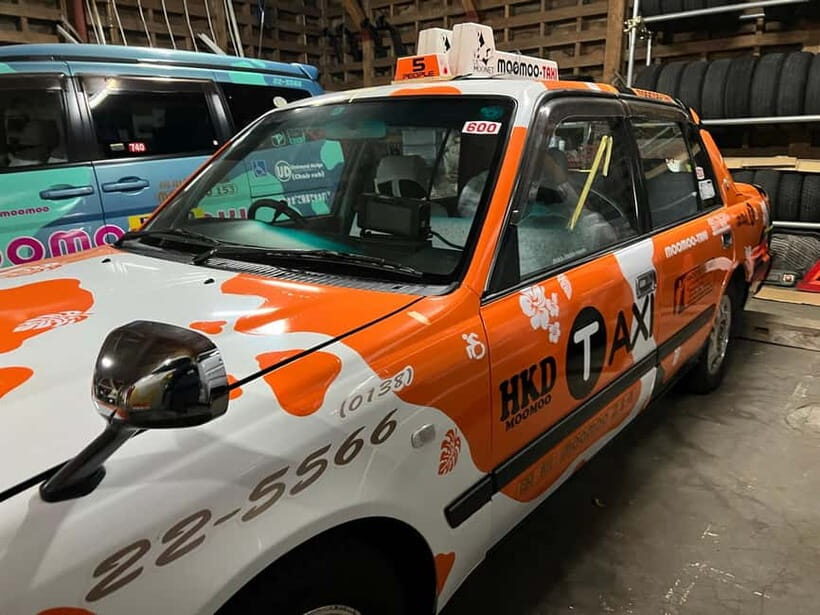
- Private group charter (up to 3 in a standard setup) makes timing feel effortless
- Japanese-only driver supported by translation apps helps you still get what you want
A 4-Hour Game Plan For First-Time Hakodate
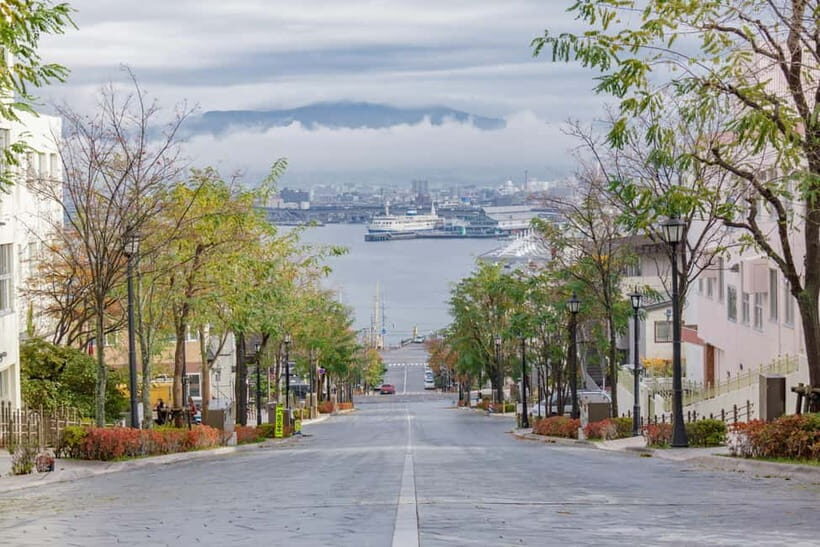
If you’re visiting Hakodate for the first time, this kind of half-day layout is exactly what you want: it gives you a working feel for the city fast. You’ll hit the market, the historic Motomachi area, the signature Mount Hakodate viewpoint, and then you close with the Bay Area’s red brick warehouses. That order matters. Food works best when you’re fresh and hungry, Motomachi is best before you’re tired from hills and steps, and Mount Hakodate is the big payoff that you’ll appreciate more once you’ve seen how the city spreads toward the water.
The tour is designed as an efficient “greatest hits” circuit, but it’s still flexible enough to be useful. The day includes pickup and drop-off within Hakodate and uses local tolls and parking fees, which removes some of the stress of planning your own route. The driver speaks Japanese only, so your best move is to plan on using a translation app for questions. The upside is that a good driver can still get you to the right streets and viewpoints even with a language gap, and you can lean on your phone for the specifics.
One more thing to know up front: the 4-hour duration begins at your reserved pickup time and includes mealtime. That means you’re not just “riding around for 4 hours” while everyone forgets to eat. It also means you should budget your expectations: because meals aren’t included, you’ll want to treat food like part of your time budget, not an extra detour.
You can also read our reviews of more historical tours in Hakodate
Ekini Market Morning Starter: Seafood, Snacks, and Getting Your Bearings
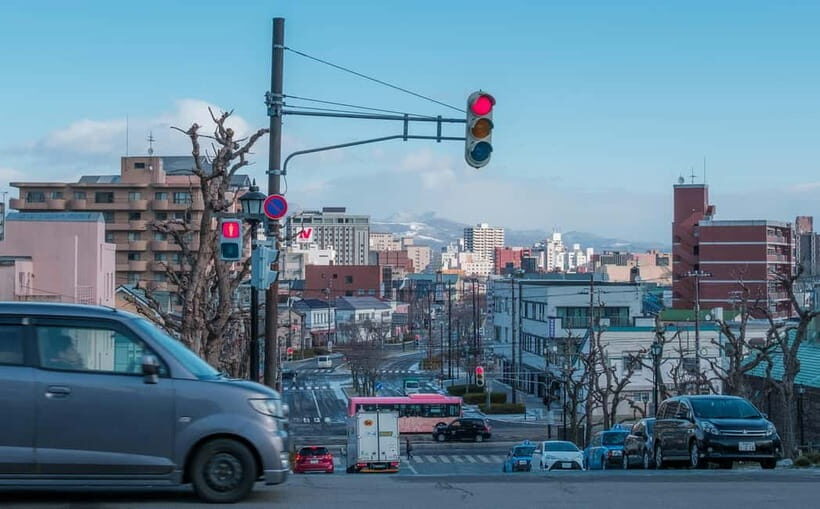
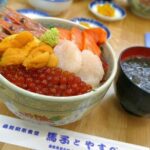
The tour kicks off at Hakodate Morning Market (Ekini Market), which is a smart first stop. Hakodate is known for seafood, and this is the practical way to test it without committing to a full restaurant meal right away. You can snack, compare stalls, and grab whatever looks best on the day. If you’re the type who enjoys tasting lots of small things instead of ordering one big dish, the market format fits you.
What makes this stop especially valuable is timing. You’re starting early enough in your day that you’re less likely to feel rushed later. And it helps you “learn the city by eating it.” After the market, the day’s walking and sightseeing won’t feel random, because you’ll already understand what the city’s culinary identity tastes like.
A small consideration: meals aren’t included, so you’ll pay for your own food and drinks at the market. Entrance fees are also not included, so if you decide to buy and eat at a specific stall or restaurant, just plan on covering that directly.
Motomachi’s Churches and Old Public Hall: A Western-Style Walking Break
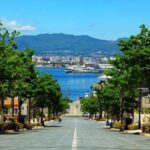
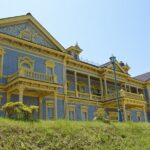
Next you head to Motomachi, the historic area where Hakodate shows its Western-influenced side. This part of the tour is built for easy exploration, because the area clusters key sights together. The highlight here is the Hakodate Orthodox Church, along with visits in the Motomachi zone that also connect with other historic churches and the Old Public Hall area.
What I like about Motomachi for a half-day tour is how the architecture does the explaining. You don’t need a long lecture to appreciate the character. The buildings and churches give you a clear sense of the city’s past and its coastal role—Hakodate wasn’t just a place to pass through; it developed its own mix of traditions and influences.
Practical note: this is a walking-and-looking segment, not a drive-and-snap-one-photo segment. Wear shoes that can handle uneven pavement and steps, especially if you’re combining this with potentially damp weather. And because the driver’s communication is Japanese-only, bring a translation app and simple search terms you care about, like the names of the churches or Old Public Hall, so you can confirm you’re seeing exactly what you want.
Mount Hakodate and the Ropeway Observation Deck: The Big View, Plus Weather Reality
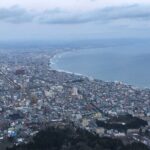
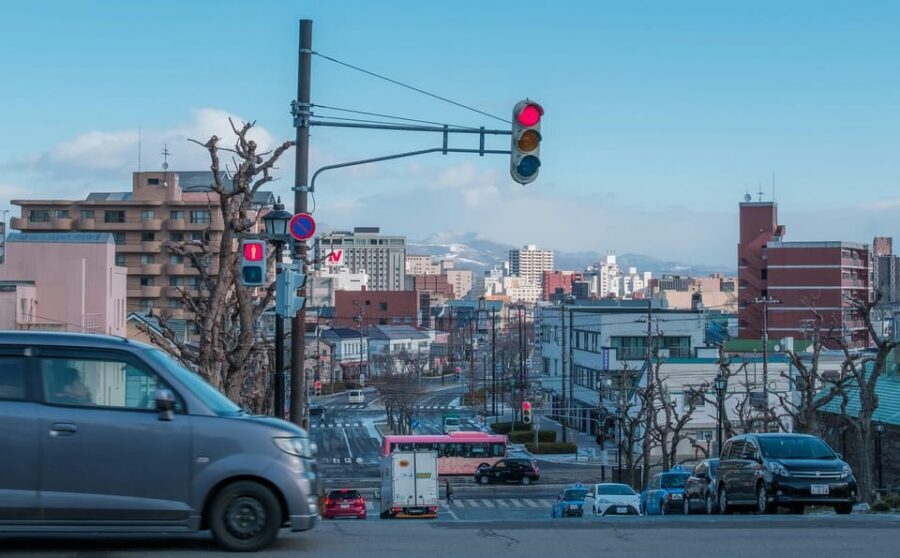
Mount Hakodate is the main scenic centerpiece, and the tour plans for it with a visit to the ropeway observation deck. Even if you’re not a “go to the top for photos” person, this is one of those stops that helps you understand Hakodate’s shape—city buildings stepping down toward the bay.
The key drawback is also the key to why people love it. You’re depending on visibility. If the sky is heavy with cloud or rain, the viewpoint can feel disappointing. One of the most important things you can do is treat this stop as a chance, not a guarantee. When the weather cooperates, the reward is huge; when it doesn’t, you still get the effort of reaching the iconic spot and can focus on whatever views you can see rather than insisting on a perfect postcard.
Also pay attention to seasonal access rules. During winter, access to Mount Hakodate by car may be restricted, which can affect how the day unfolds. The good news is that if a scheduled spot is closed, the tour may switch to an alternative destination. That adaptability is helpful when weather or closures take a bite out of the plan.
Finally, ropeway fare isn’t included, so you’ll need to budget for it separately. Entrance or area fees (if any) also must be paid on site. This is normal for Japan, but it’s worth keeping in mind so you don’t get surprised mid-day.
Kanemori Red Brick Warehouse and the Bay Area Finish: A Photo-Worthy, Low-Stress Ending
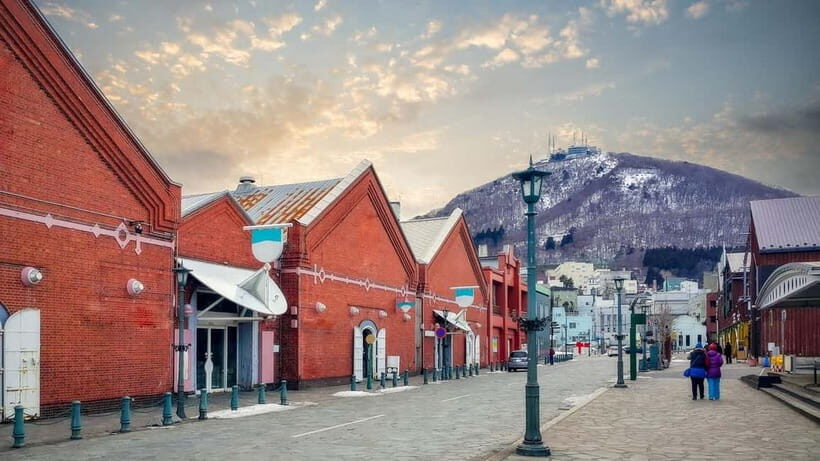
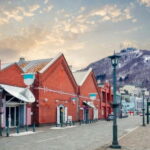
After the mountain viewpoint, the day shifts to a calmer pace in the Bay Area, centered on the Kanemori Red Brick Warehouse. This is a great way to land the tour, because you end with something you can stroll through and photograph easily. It also works well psychologically: you’ve already done the effort-heavy part (walking and the mountain), and now you get space to slow down.
The red brick warehouse area gives you a waterfront finish that feels classic and “Hakodate.” You can shop, browse, and take photos by the water without needing to rush through an itinerary checklist. It’s also a handy place to decide if you want to linger on your own after the tour ends. The tour concludes back in Hakodate, but this ending area tends to leave you with options.
Again, entrance fees aren’t included. Shopping is up to you, so treat this as your flexible finale: you might walk through quickly, or you might linger to browse local goods.


Price and What $416 Per Group Gets You in Real Terms
At $416 per group (up to 3 people) for a 4-hour private charter, this isn’t priced like a budget group tour. But in practical terms, you’re buying something valuable: time and simplicity. With a private vehicle, you reduce the hassle of transfers, route planning, and trying to match public transport schedules with hillier sightseeing. That’s a big deal in a city where your “must-sees” are spread across market, Motomachi, mountain, and waterfront.
The tour also includes the logistics that are usually annoying to handle yourself: pickup and drop-off, plus tolls and parking fees. Those small costs add up when you’re paying for a string of short rides. So even though the tour price is higher than many shared options, it can feel fair if you’d otherwise be paying for multiple taxi trips or spending time figuring out the best sequence.
Where your wallet will still feel the impact is in what isn’t included: meals and drinks, plus entrance fees and ropeway fare. In other words, you’re paying for transportation and guided movement through the key areas, while you still pay to eat and access specific attractions. If you plan your own food budget and ropeway decision ahead of time, this becomes easy to manage.
If you’re traveling solo, it may feel pricey because the “per group” structure rewards small groups. If you’re two or three people, the math shifts in your favor quickly, especially if you want a private pacing you can steer with your interests.
Winter, Rain, and the Best Way to Stay in Control
Hakodate weather can change how your day feels, and this tour runs through multiple outdoor-heavy areas. The simplest strategy is to dress for damp conditions and keep one mindset: you’re going to see what you can, and you’ll adjust.
Here’s what helps most:
- Bring a waterproof layer or umbrella you’ll actually use, since you’re moving through market and Motomachi streets plus reaching the mountain area.
- Use a translation app early, not as an emergency tool. You’ll find it makes the driver’s help more useful.
- Accept that ropeway views depend on cloud. If the sky is thick, focus on architecture, street scenes, and whatever scenery you can see rather than treating it as a failed stop.
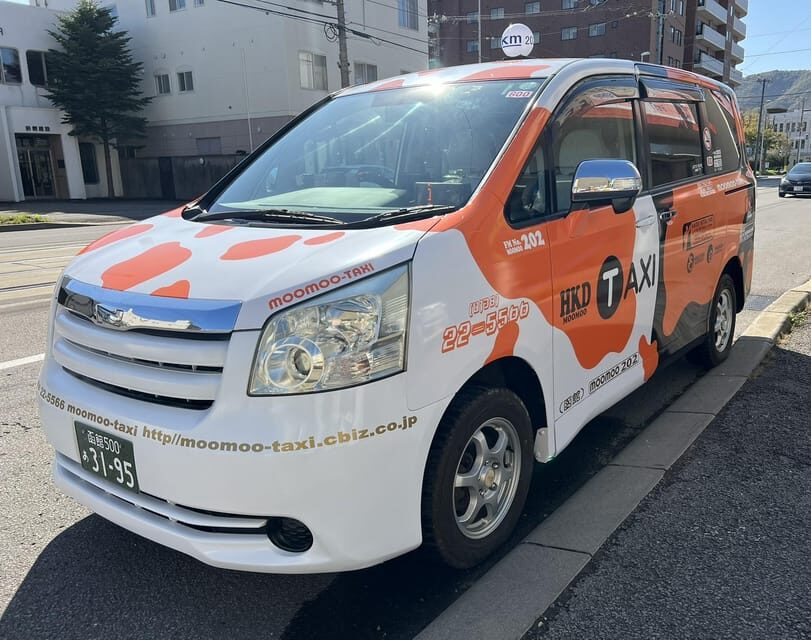
The private nature of the tour also helps with weather. Instead of being stuck with a fixed group plan, your driver can often steer you through nearby streets and focus on the areas that are still enjoyable even when visibility is low. Some drivers have been praised for being courteous and prompt and for helping visitors explore beyond what they could easily find on their own, even when English isn’t an option.
Who This Tour Fits Best (And Who Might Prefer Something Else)
This is a strong match if:
- You’re a first-time visitor who wants a tight introduction to Hakodate without thinking too hard.
- You prefer private pacing over group tour schedules.
- You like mixing food with sightseeing, rather than doing one or the other.
- You’re traveling with up to three people and want the value of a small private group charter.
It may be less ideal if:
- You want a long, slow day with no dependance on weather.
- You’re hoping for everything to be fully included, especially meals and ropeway fare.
- You don’t want to use a translation app, since the driver communicates in Japanese only.
The access setup is also worth noting. The vehicle is wheelchair accessible, which can make a big difference if mobility is a concern. Group arrangements follow the vehicle class: standard for up to 3 pax, MPV up to 5, and vans up to 9.
Should You Book This Hakodate Highlights Tour?
I think you should book it if your goal is a smart first look at Hakodate—market food, Motomachi churches, Mount Hakodate views, and red brick waterfront. It’s the kind of itinerary that saves you from backtracking and lets you spend your limited time on the sights that define the city.
You should also book it if you value private transport that bundles the messy parts (pickup, drop-off, parking, tolls) and gives you a driver who can help you adjust if conditions aren’t ideal. The only real reasons to hesitate are cost if you’re traveling alone, and the risk that bad weather can soften the mountain-view payoff—plus the fact that you’ll still need to pay for meals and ropeway fare yourself.
If you’re ready to plan your food budget and dress for changing skies, this tour can feel like a very efficient, very Hakodate morning-to-evening starter pack.
FAQ
How long is the Hakodate 4-Hour Cultural and Historical Highlights Tour?
The tour duration is 4 hours, starting from your reserved pickup time and including all stops, including mealtime.
What’s included in the price?
The price includes pickup and drop-off, private charter, tolls, and parking fees.
What isn’t included?
Meals and drinks are not included. Entrance fees and any ropeway fare are also not included, and extra time or extra tolls/parking fees may apply if you request unplanned stops or extensions.
Where does the tour start and end?
Pickup and the return both happen in Hakodate. The itinerary includes a return to your Hakodate drop-off point.
Does the tour include Mount Hakodate, and is the ropeway included?
Yes, Mount Hakodate is part of the itinerary with a visit to the ropeway observation deck, but the ropeway fare is not included.
What happens if a stop is closed?
If a tourist spot on the itinerary is closed, the tour may visit an alternative tourist spot.
What language does the driver speak?
The driver speaks Japanese only. Communication in other languages is supported via translation apps.
Is this tour wheelchair accessible?
Yes, the tour is wheelchair accessible.
What are the cancellation and booking options?
You can cancel up to 24 hours in advance for a full refund. You can also reserve now and pay later.