REVIEW · TOKYO
Mount fuji and Hakone Full day private sightseeing tour
Book on Viator →Operated by Tokyo Top Travel · Bookable on Viator
Fuji and Hakone in one packed day.
This private tour uses a driver pickup to get you out of Tokyo fast, then strings together classic spots with volcanic views, lake scenery, and shrine stops—plus room to adjust the route.
I really like the private group format (up to 5) because you’re not stuck waiting for everyone else. I also like that you get an English-speaking guide who explains what you’re looking at, instead of you wandering around with zero context.
One catch: Mt Fuji visibility depends on weather. Even with a great plan, you might not see the full peak if clouds roll in.
In This Review
- Key things to know before you go
- Private Fuji and Hakone in one packed day
- Shrine to Oshino Hakkai: Mount Fuji’s Northern Face
- Lake Saiko Old-Style Japan and the Hakone Torii Stop
- Owakudani volcanic fumes and Lake Ashi pirate boat views
- Ropeway and cable views, Open-Air Museum, and Odawara Castle
- How the guide makes or breaks your Fuji day
- Price and what’s extra: when it feels like a smart deal
- Should you book this private Mount Fuji and Hakone day?
- FAQ
- How long is the Mount Fuji and Hakone private sightseeing tour?
- What is the group size for this private tour?
- Do you get picked up from your hotel in Tokyo?
- Is there an English-speaking guide?
- Are meals and entry fees included?
- What major sights does the tour cover?
- Will I definitely see Mount Fuji?
- What is the cancellation plan if the weather is bad?
Key things to know before you go
- Private pickup and driver: less stress than trains plus transfers
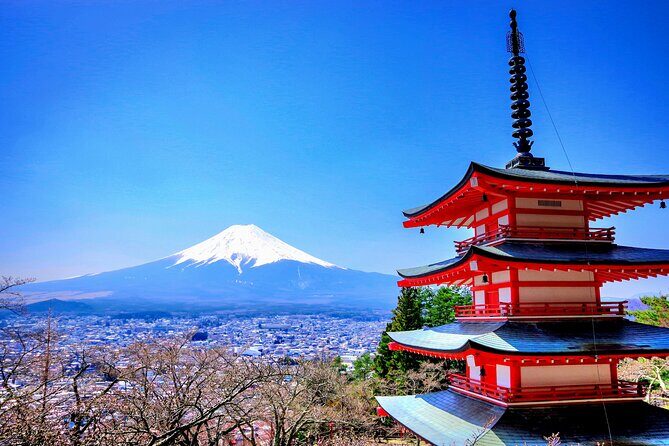
- Multiple Fuji angles in one day: shrine views, lake viewpoints, and stop-and-go photo time
- Hakone Ropeway and Lake Ashi cruise: the scenic set-piece part of the route
- Owakudani volcanic stop: sulfur fumes and the famous black eggs area
- Some ticketed add-ons: you’ll pay for a few experiences separately
Private Fuji and Hakone in one packed day
This is a 10-hour private sightseeing day built for efficiency. You start in the Tokyo area, then head west toward Mt Fuji and Hakone, hitting several landmarks that would otherwise eat up half your day on public transport.
The big value here is control. When you travel privately, you can decide how long to linger at views, where to take photos, and what to skip if the line is long or the weather shifts. That flexibility matters a lot around Fuji, where the sky can change fast.
Your day also has a built-in variety punch: a centuries-old shrine, a spring-pond village, a traditional thatched-roof area, a lake torii, then real volcano territory at Owakudani. It’s not just “drive-by sightseeing.” You’ll have time to actually look, walk, and absorb the place.
One more practical point: bottled water is provided, but meals and entry fees are extra. So plan on paying for lunch and any ticketed experiences that aren’t marked as free on the day’s schedule.
You can also read our reviews of more private tours in Tokyo


Shrine to Oshino Hakkai: Mount Fuji’s Northern Face
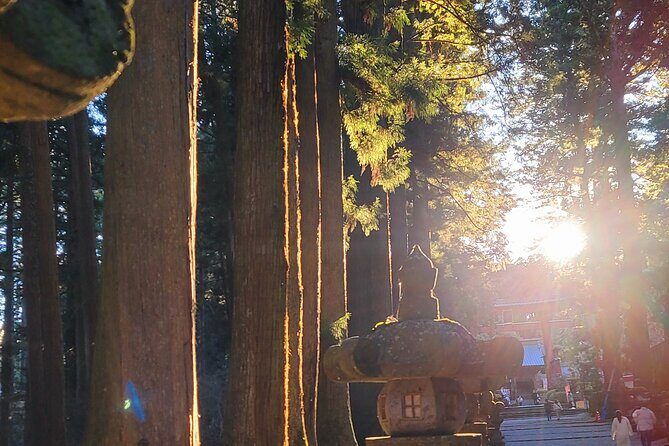
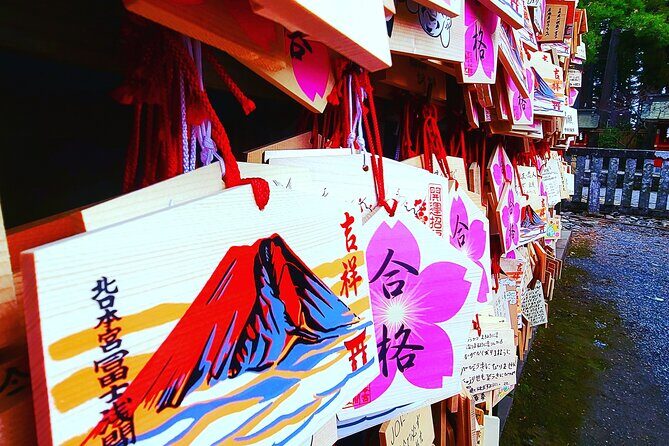
The day starts at Kitaguchi Hongu Fuji Sengen Jinja, a shrine on the north side base of Mt Fuji. It was established in 100 A.D., and the setting is heavy on cedar and pine, with a main hall that includes a very old cypress tree said to be around 1,000 years.
Why this stop works: it gives you context before you chase views. You’re seeing how deeply Fuji is tied to Shinto worship, not just as a backdrop for photos. You also get a calmer start than the larger tourist corridors, especially if you begin early.
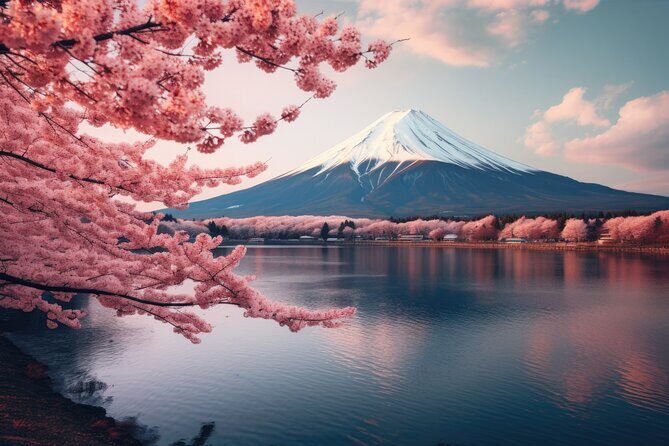
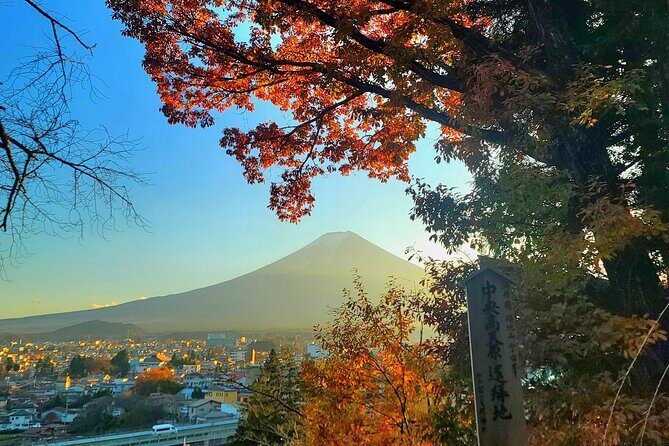
Next comes Oshino Hakkai, a village with eight natural spring ponds fed by Mt Fuji water. The ponds are known for koi, and the area mixes scenery with small shops and street-style traditional food. Most importantly, it’s one of the easiest ways to connect “Fuji” to everyday life: water, fish, walking paths, and that classic Fuji-in-the-background feeling when the clouds cooperate.
A practical drawback to keep in mind: if the sky is gray or hazy, Fuji may feel like a rumor rather than a landmark. The good news is this route still gives you meaningful stops even when the mountain isn’t fully visible.
Lake Saiko Old-Style Japan and the Hakone Torii Stop
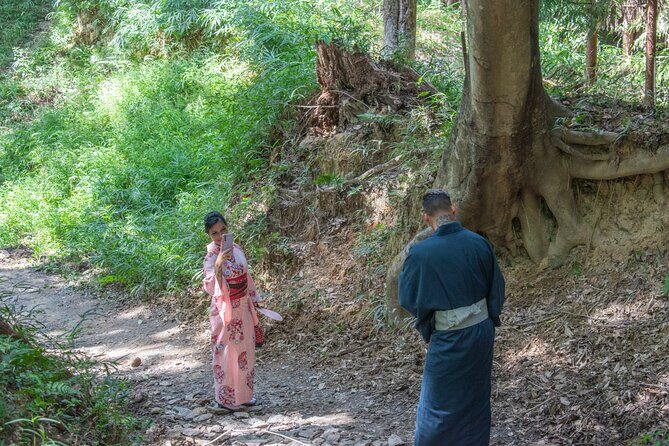
After Oshino, you move toward the Lake Saiko area for Saiko Iyashi no Sato Nemba. This is a traditional village setting with old thatched-roof houses and food stalls. You can also do a kimono experience here, though that part is not included on the basic schedule.
This stop is a nice gear change. Up to now you’ve had nature and sacred space; now you’re getting atmosphere—an old Japan-style street walk where you can slow down and just enjoy the setting. If you like crafts, village architecture, or simple cultural add-ons, this is the kind of place where time disappears (in a good way).
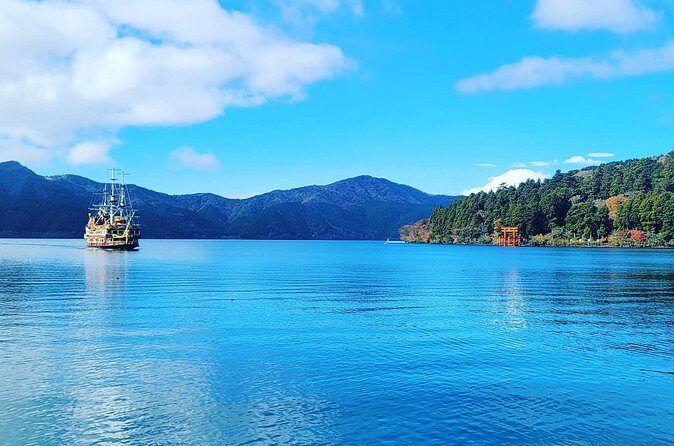
Then the route dips into Hakone with Hakone Jinja and its orange torii floating in Lake Ashi. There’s a lot of love for this exact sight because it’s iconic and it feels very “Hakone,” even if you only spend a short window here.
One consideration: the torii spot is popular, so you’ll want your guide to manage timing. If you’re sensitive to crowds, tell your guide upfront that you prefer quieter moments over maximum photo count.
Owakudani volcanic fumes and Lake Ashi pirate boat views
This is the part of the day that feels most like Hakone: Owakudani Kurotamago Kan. This volcanic valley is tied to an eruption from nearly 3,000 years ago and it’s known for sulfur fumes. You’ll also see the famous black eggs associated with the area.
What I like about placing this stop mid-day is that it gives you a real sensory memory. Mountains look cool in photos, but sulfur steam and the egg tradition make it stick in your brain. Bring a nose-ready attitude and expect strong smells near the vents.
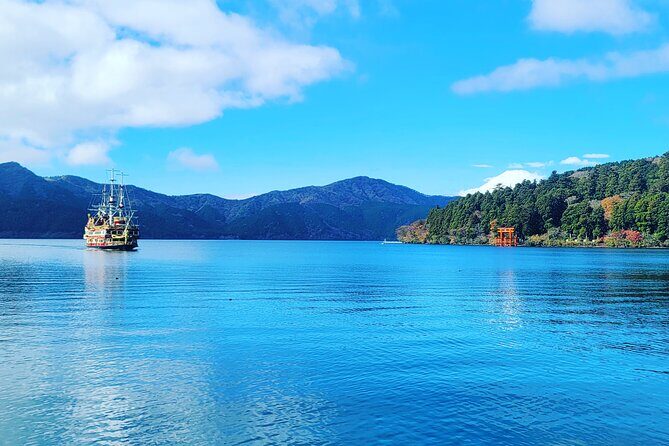
After Owakudani, you head to Lake Ashinoko (Lake Ashi) for a cruise experience. The schedule highlights a pirate boat ride on the lake with Fuji views when conditions allow. Even on overcast days, the water and surrounding hills still create that “Japan in motion” feeling—slow, scenic, and photo-friendly.
And yes, visibility is the big swing factor. On clear days, Fuji can look dramatic from multiple angles. On cloudy days, Fuji may pop in briefly, like a cameo. Your best strategy is to stay flexible and use every angle the route offers.
Ropeway and cable views, Open-Air Museum, and Odawara Castle
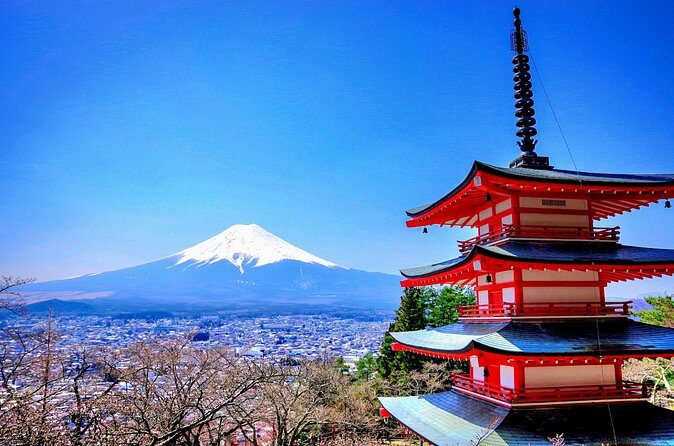
From Lake Ashi you’ll also reach Togendai Station General Information Center, where there’s time for a cable car ride from the lakeside with Fuji views. This is one of those stops that can either pay off big or feel short, depending on fog. Still, the ride itself helps you experience Hakone from a different elevation.
Next is the Hakone Open-Air Museum. It’s built around an outdoor sculpture park plus some indoor exhibits, with a natural hot spring area too. This is a good choice if you want a break from viewpoints and walks that all feel similar. You get art, open-air pacing, and a slower rhythm before the final leg.
Then you finish at Odawara Castle, a smaller castle with museum exhibits and tower views. It’s a calmer end point than the volcano, and it gives you a sense of place beyond Hakone’s water-and-steam focus.
One more practical note: the museum and cable add-ons are not included in the free-entry parts of the day’s schedule. So if you’re traveling with a tight budget, confirm what you want before the day starts.
A few more Tokyo tours and experiences worth a look

How the guide makes or breaks your Fuji day
In a private setup, the guide is more than a translator. They’re managing timing, crowd pressure, and route choices while also trying to hit the right viewpoint moments.
From the experience patterns I’ve seen, the strongest guide-drivers focus on punctual pickup and smooth handling of busy Tokyo traffic. People also often get improved outcomes when the guide actively adjusts to weather. Mt Fuji plans should never be treated like a fixed movie script.
You’ll see examples of guides like Ali, Hassan, Mukarram, and Asif being praised for friendliness, efficient driving, and making sure key spots are covered. What matters for you: ask for a quick priority list at the start. If Fuji visibility matters most, say it. If you care more about the volcano or the lake, say that too.
Also, be realistic about lines. Hakone ropeway and lake viewpoints can get busy. A smart guide may suggest pacing changes so you spend your time where the view is best, not just where the queue is longest.
Finally, keep one eye on safety comfort. Most drivers are described as careful and efficient, but if you have a low tolerance for fast turns or aggressive merges, tell your guide at the start that you want a slower, smoother pace.
Price and what’s extra: when it feels like a smart deal
At $380 per group (up to 5), this pricing can feel surprisingly reasonable if you fill the group. Split across five people, you’re at roughly $76 per person, and you’re paying for a private driver, an English-speaking guide, and a full-day route that would be tiring (and time-wasting) via transit.
If you’re only two people, it’s closer to a premium per person. In that case, ask yourself if you’re really buying:
- fewer transit hassles
- a full day’s worth of routing and explanations
- the chance to see multiple Fuji and Hakone angles without constantly regrouping
What’s extra is the part you should budget for ahead: meals and entry fees (and some experiences marked as not included, like the kimono option and a couple of ticketed attractions). Bottled water is provided, but lunch will be on you.
And one more value check: Mt Fuji can hide. The tour does require good weather, and if the experience is canceled because of poor conditions, you should be offered an alternate date or a refund. Even when not canceled, cloud cover can reduce the “wow” factor of the peak—so build flexibility into your expectations.
Should you book this private Mount Fuji and Hakone day?
I think you should book it if you want a high-output day without the logistics headache. It’s a strong pick for families, friend groups, and couples who want a private pace and multiple themed experiences: shrine + ponds, traditional village atmosphere, then Hakone steam-and-lake drama.
Skip it (or book with extra caution) if your trip is fixed to one very specific “Fuji peak photo” expectation. If the mountain disappears, this route still has plenty to enjoy, but your payoff will be different.
If you do book, do three things early:
- share your top priority at pickup
- ask the guide how they handle long waits at busy spots
- keep money set aside for meals and the ticketed add-ons
FAQ
How long is the Mount Fuji and Hakone private sightseeing tour?
The tour runs for about 10 hours.
What is the group size for this private tour?
It’s a private tour for your group, with pricing listed for up to 5 people.
Do you get picked up from your hotel in Tokyo?
Pickup is offered.
Is there an English-speaking guide?
Yes. The tour includes an English-speaking guide.
Are meals and entry fees included?
Bottled water is provided, but meals and entry fees are extra.
What major sights does the tour cover?
The day includes Hakone highlights such as the Hakone Ropeway, a cruise on Lake Ashi, Owakudani, and Hakone Jinja, along with Mt Fuji area stops like Oshino Hakkai and Kitaguchi Hongu Fuji Sengen Jinja.
Will I definitely see Mount Fuji?
You will visit viewpoints across the day, but visibility depends on weather.
What is the cancellation plan if the weather is bad?
You can cancel for free, and the experience requires good weather. If it’s canceled due to poor weather, you’ll be offered a different date or a full refund. Free cancellation is available up to 24 hours in advance.