REVIEW · OSAKA
1.5〜2 Hours Traditional Kintsugi Work Shop in Namba Osaka
Book on Viator →Operated by Zenkei 金継ぎ体験 · Bookable on Viator
Kintsugi in Osaka feels calm, not touristy. You’ll work in a real Kura-style workshop, learn the method, and sprinkle 23K gold onto lacquer for your own take-home piece. I especially liked the small-group attention and the way the session blends hands-on craft with the meaning behind it. One thing to plan around: you won’t leave with the finished plate in your hands that day, since it needs curing, and shipping timing matters.
This is a traditional kintsugi introduction workshop in Namba, near Motomachi. You start with the story—lacquer history, the process, and what makes repaired objects worth keeping—then you do the fun part: decorating a plate with gold powder over lacquered lines. The class runs about 1 hour 30 minutes, with morning or afternoon options so you can fit it into your Osaka rhythm.
Your finished plate comes back to you later. Domestic shipping within Japan is free, while international shipping costs 5,000 yen. If you have a lacquer allergy, skip this one—this workshop uses lacquer as part of the core process.
In This Review
- Key things I’d plan for
- Kura studio in Namba: the calm break you didn’t plan
- Your kintsugi lesson: what you actually learn (and do)
- The 23K gold plate: what happens during the curing window
- Shipping math: domestic free, international costs 5,000 yen
- Price and value check on $125.53
- Matcha and mochi: the reset after working with gold
- Who should book this workshop, and who should skip it
- Timing, finding the meeting point, and pairing it with nearby sights
- Is it worth booking? My decision guide
- FAQ
- How long is the kintsugi workshop in Namba?
- How many people are in a class?
- What materials do I need to bring?
- Will I take my item home the same day?
- Is shipping included, and how much is it?
- Are there morning and afternoon classes?
- Is the workshop held in a traditional building?
- Is the workshop safe if I have a lacquer allergy?
- Is there anything at the end besides kintsugi?
Key things I’d plan for

- Small class size (max 5 people): you get time to ask questions and get feedback on your application.
- Hands-on 23K gold powder on lacquer: you’re not just watching—you’re decorating your own plate.
- You receive the finished plate later (5–7 days): drying and curing take time, so plan your schedule accordingly.
- Traditional Kura building setting: wooden architecture and a gallery add a quieter, more authentic feel.
- A matcha bonus at the end: some sessions include matcha-making instruction, plus treats like mochi (depending on the class flow).
- International shipping costs 5,000 yen; Japan shipping is free: know the difference before you book.
Kura studio in Namba: the calm break you didn’t plan

Namba can feel like Osaka on fast-forward: neon, crowds, the whole thing. This workshop slows you down on purpose. The lesson happens in a traditional Japanese building called a Kura, which means you’re surrounded by wooden architecture rather than a modern classroom vibe.
That setting matters more than it sounds. Kintsugi is about repairing, not replacing. Working in a place that visually matches that idea helps your brain switch gears. You also get a chance to see Japanese art and antiques in the studio gallery after the class, which is a nice bonus if you like wandering with purpose.
One practical note: the meeting point is in Motomachi, Naniwa Ward, at the address listed for the workshop. A few reviews mentioned it can take a minute to find, so I’d treat it like an “arrive 10 minutes early” stop, not a last-minute dash.
A few more Osaka tours and experiences worth a look


Your kintsugi lesson: what you actually learn (and do)
This is marketed as an introduction workshop, and it delivers like one. You’ll get an explanation of traditional kintsugi—how lacquer and gold are used to repair broken pottery, plus the cultural idea behind it: damage becomes part of the object’s story rather than something to hide.
The instructor also covers lacquer basics and the history of lacquer work. In several classes, the explanation includes slides and open discussion, which is helpful if you want more than a quick demo. You’re not expected to be an art person. You just need patience and steady hands.
Then you do the core activity: decorating a plate using lacquer and sprinkling gold powder. The class is designed so you can follow along step-by-step, with help available if you mess up a line or your powder application isn’t perfect. That kind of support is a big deal in a technique workshop. Kintsugi looks simple in photos, but the control—timing, thickness, and placement—takes practice.
A useful heads-up: the style you end up making can differ. One review mentioned a “chopping” style rather than the more common cracking look. That’s not a problem, just something to know so you don’t feel disappointed if your plate doesn’t match the viral crack-pattern images.
The 23K gold plate: what happens during the curing window

The centerpiece of the experience is your own decorated kintsugi plate. You learn how to decorate the plate with gold powder and then create your version using 23K gold. It’s straightforward in concept, but the material handling feels “real craft” rather than a craft-store activity.
Here’s the part that affects your planning: you don’t receive the final plate the same day. After the course, you get your decorated plate in 5 to 7 days. The workshop also notes shipping timelines, and reviews mention that the curing/drying process takes time. One review specifically said it takes about 24 hours to dry—so you’re looking at a process where the workshop does the careful follow-through after you apply the gold.
If you’re thinking of this as a souvenir for someone back home, that delay can be a feature, not a bug. You’re essentially commissioning a small piece of lacquer-gold craft while you’re in Osaka. Just don’t plan to use the plate immediately for a dinner that night.
Shipping math: domestic free, international costs 5,000 yen
Domestic shipping (to an address in Japan) is free. International shipping is available for an additional 5,000 yen. So the real value equation changes depending on where you live.
If you’re in Japan for a while and you can ship it to your hotel or apartment, you’re getting the best deal. If you’re shipping overseas, still consider the price as paying for materials, instruction, and the finishing process—not just the hour you spend in the room. In that sense, the cost isn’t only about the workshop time; it covers the work that continues after you leave.
Price and value check on $125.53

At $125.53 per person, it’s not a cheap “hands-on” activity. But I think it’s worth it if you want something you can’t easily replicate at home.
Here’s where the value shows up:
- Small class size (max five) means you’re not squeezed into a single-person workflow.
- Materials are provided, so you’re paying for professional-grade supplies and the gold-lacquer process.
- You’re not just making something decorative—you’re learning a traditional method with cultural context.
- The workshop handles the finishing and shipping so your piece arrives properly cured.
If you compare it to a typical group craft class, the difference is scale and seriousness. Kintsugi is slow craft. The technique needs time to cure and set. That time is part of what you pay for.
If you’re on a tight budget, you might decide this is a “one special activity” stop. If you’re the kind of traveler who likes learning one real technique, this is a strong candidate.


Matcha and mochi: the reset after working with gold

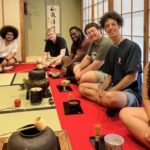
One of the most consistent pleasant surprises in the experience is the food and drink finish. Several reviews mention matcha and even mochi at the end.
The matcha part can be more than a sip. One review described matcha-making instruction as authentic, including the focus on the froth on top. Another mentioned refreshments and treats as part of the welcome warmth after class.
This matters because kintsugi is tactile and a bit mentally focused. Your hands work, your brain learns, and then you get a calm closing ritual. If you like tying your experiences together—craft in one room, tea at the end—that’s exactly the vibe here.
If you’re sensitive to caffeine, note it’s matcha, not just water. But the amount is usually part of the workshop flow, so it’s not like you’ll be forced into a caffeine marathon.
Who should book this workshop, and who should skip it

I’d book this if you fit at least one of these:
- You like traditional arts and want hands-on practice, not a lecture.
- You enjoy small-group classes where you can ask questions.
- You’re comfortable waiting for a finished piece that gets cured and shipped later.
- You want a distinctive Osaka activity that isn’t just another food stop.
I’d think twice if:
- You have a lacquer allergy. The workshop isn’t recommended for lacquer allergy.
- You need instant results. The whole point is that lacquer and gold need time to set, so you won’t leave with the final plate the same day.
For families, this can work too. One review mentioned teaching kids traditional craftsmanship, so the instructor seems used to adapting. The key is that kintsugi uses lacquer materials, so follow any safety guidance the workshop gives on the day.
Timing, finding the meeting point, and pairing it with nearby sights

The workshop runs about 1 hour 30 minutes. Plan your day so you’re not sprinting across Osaka afterward. Even though the active part is within that window, the real experience includes the relaxed teaching pace and the after-class gallery time.
You’ll meet at:
Japan, 556-0016 Osaka, Naniwa Ward, Motomachi, 2-chōme 6-30
マンション ニューナンバ
(As listed for the workshop.)
A few practical tips based on what people report:
- Arrive a little early. The entrance can be tricky to spot.
- Bring a bit of walking time into your schedule. Motomachi and Namba are good areas for short nearby detours.
- After class, consider a look at nearby shrine space. One review specifically called out Namba Yasaka Jinja as right nearby and worth seeing on the way out.
If you’re building an itinerary, you can pair this with a slower half-day: morning workshop plus lunch nearby, or an afternoon workshop before evening Osaka lights. The matcha finish also helps if you want a tidy “bookend” to your day.
Is it worth booking? My decision guide

If you want one honest, cultural souvenir that’s also a real craft lesson, this is a strong yes. You’re paying for professional instruction, the unique materials process with 23K gold, and the finishing work that happens after you apply the lacquer and powder. The small group size makes it feel like you get real time with the instructor rather than a production line.
I’d recommend booking if:
- You like making one meaningful item in a small setting.
- You’re okay with the 5–7 day wait for your cured plate.
- You can use domestic shipping in Japan (since it’s free there).
I’d skip or look for another option if:
- You need a same-day takeaway.
- You have lacquer allergy concerns.
- You prefer modern, high-traffic attractions over traditional craft spaces.
If you’re choosing between this and a standard “make something” activity, pick the one that teaches a real technique. This workshop does that—and it gives you a quiet, memorable break from Osaka’s speed.
FAQ
How long is the kintsugi workshop in Namba?
The workshop is about 1 hour 30 minutes (about 1 to 1.5 hours for the kintsugi introduction portion).
How many people are in a class?
The class size has a maximum of five travelers.
What materials do I need to bring?
You don’t need to bring materials. The workshop provides everything you need for kintsugi, including the supplies used to decorate your plate.
Will I take my item home the same day?
No. After the course, you receive your decorated plate in about 5 to 7 days.
Is shipping included, and how much is it?
Domestic shipping to an address in Japan is free. International shipping is available but costs 5,000 yen.
Are there morning and afternoon classes?
Yes, morning and afternoon classes are available for flexibility.
Is the workshop held in a traditional building?
Yes. It’s held in a traditional Japanese building called a Kura, with wooden architecture and an on-site gallery.
Is the workshop safe if I have a lacquer allergy?
It’s not recommended for people with a lacquer allergy.
Is there anything at the end besides kintsugi?
Some sessions include matcha tea-making and tasting as part of the experience, and matcha-related treats have been mentioned in the provided feedback.
![[Self-Drive] Tokyo & Daikoku Custom Car Driving Tour - Price and What $516 Per Group Actually Buys You](https://images.thejapantraveler.com/wp-content/uploads/self-drive-tokyo-daikoku-custom-car-driving-tour.jpg)