REVIEW · HAKODATE
Hakodate 6hr Private Tour with Government-Licensed Guide
Book on Viator →Operated by Japan Guide Agency · Bookable on Viator
Hakodate feels bigger than it looks. A private tour with a government-licensed guide turns a tricky city into something easy to read, from Mount Hakodate viewpoints to Goryokaku’s star-shaped fortress. I loved the flexible stop choices, and I also liked how guides like Kazuo Sumi made the day feel practical, even when wind and rain showed up.
What you’re trading for that ease is simple: this is a walking tour with pickup on foot, not a private-vehicle ride. One more consideration: on some days, a specific tower or viewpoint may be unavailable or cut short by weather, so your guide will have to adjust on the fly.
In This Review
- Key things I found most useful (and why)
- Why a 6-Hour Private Hakodate Tour Works So Well
- Meeting Up and the Walking Reality (No Car Included)
- Mount Hakodate Views: The 334-Meter Summit Moment
- Onuma Quasi-National Park: A Quick Hit of Lake and Volcano Scenery
- Goryokaku Park: History in a Star Shape You Can Walk Around
- Hakodate Morning Market: Food Culture Starts Before Most People Wake Up
- Motomachi and the Foreign-Trade Clue to the City’s European Look
- Kanemori Red Brick Warehouse: Where the Port’s Past Still Shows
- Bay Hakodate: Harbor Views Plus Red Brick Shopping Space
- Hakodate Museum of Northern Peoples: A Culture-Focused Stop That Costs Extra
- Price and Value: Is $269.32 Per Person Worth It
- Who Should Book This Tour (and Who Might Not)
- Should You Book? My Straight Answer
- FAQ
- How long is the Hakodate private tour?
- How many stops will we see?
- Is this tour private?
- Do you provide a pickup, and is it by car?
- What’s included in the tour price?
- Is admission included for the Hakodate Museum of Northern Peoples?
- Can I cancel for free?
Key things I found most useful (and why)
- You choose 3 to 4 sites from a ready list, so you can match your interests instead of forcing a fixed route.
- Government-licensed English guides explain Hakodate’s international trade story in plain language, not vague sightseeing talk.
- Mount Hakodate + Onuma + Goryokaku gives you nature, fort history, and city views in one tight 6-hour block.
- Morning Market timing is built in (early), which is when Hakodate food culture actually feels alive.
- European-inspired streets and red-brick warehouses make the city’s foreign-trade past easy to notice, not just memorize.
- The museum stop is optional in cost, since Hakodate Museum of Northern Peoples admission is not included.
Why a 6-Hour Private Hakodate Tour Works So Well
Hakodate can confuse first-timers. The city looks like a mix of Japan and somewhere else, especially around the harbor area, and it is not obvious why until someone connects the dots. That is where this private, guided format pays off. With a government-licensed English-speaking guide, you spend your time looking, walking, and asking questions instead of guessing what you are seeing.
The second big win is the time math. Six hours sounds short, but the itinerary is built around compact stops—mostly 30 minutes each. That means you get real variety without ending the day exhausted. And because you can customize your selection (you pick 3–4 sites), you can steer toward views, food, fort history, or Ainu culture.
You can also read our reviews of more guided tours in Hakodate

Meeting Up and the Walking Reality (No Car Included)
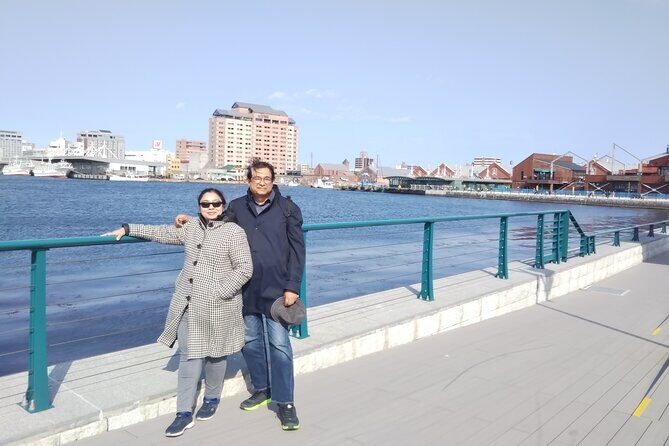
This tour is designed as a walk-forward experience. Pickup is offered on foot within a designated meeting area, and the tour is near public transportation. You are not getting a private vehicle, and transportation fees are not included—so you should plan to use transit if your chosen stops require it.
What this means for you in practice:
- Wear shoes you can move in for a couple hours of total walking, even if each stop is brief.
- Bring a layer for wind. Hakodate is often breezy, and viewpoints can feel colder than you expect.
- If you are traveling with seniors or anyone who needs a slower pace, a guide who can manage the rhythm matters a lot. In reviews, this was called out as a real benefit.
Mount Hakodate Views: The 334-Meter Summit Moment
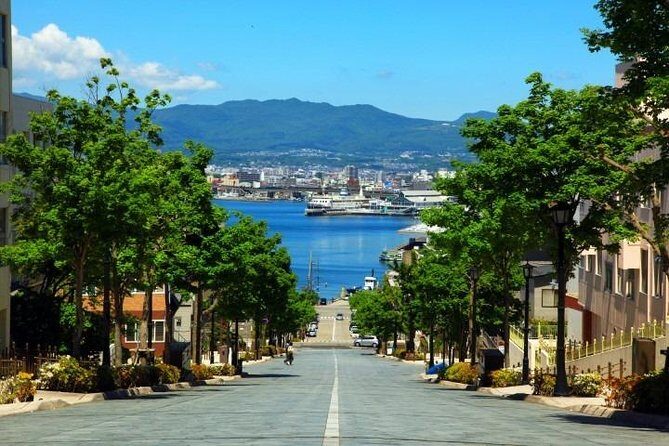
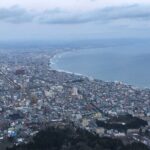
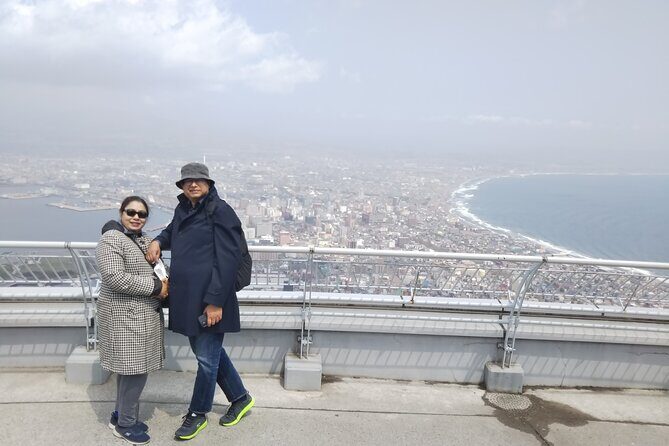
Mount Hakodate (Hakodateyama) is a small mountain on the southern peninsula, about 334 meters high, and it is wooded. The payoff is the view—especially on clear days and nights when the city lights or harbor details sharpen.
In your 30-minute stop, you are mainly there for orientation and the skyline shot. Expect it to feel like a “reset” point for the rest of the day. Once you can see the city from above, Hakodate’s layout starts making sense: where the port sits, where the fort area is, and how neighborhoods relate to the bay.
Practical tip: build a weather-check habit. If fog or clouds roll in, the value drops fast. Your guide can help you decide how to spend time when conditions are shaky.
Onuma Quasi-National Park: A Quick Hit of Lake and Volcano Scenery
Onuma Quasi-National Park is only about 20 kilometers north of Hakodate, which is why it fits into a 6-hour plan. You get a brief taste of the park’s identity: island-dotted lakes and a major volcanic presence in the scenery.
Your stop is short (around 30 minutes), so you should treat Onuma as a scenic viewpoint and photo break rather than a full day out in nature. If you love nature, you may want more time here on another day. For this tour, though, it’s a smart way to break up the urban sightseeing with something calmer.
Also, Quasi-National Park sounds like a technical detail, but it actually helps explain the vibe: it is protected and managed, but it is not just a single landmark. You get the sense of a landscape system, not a single monument.
Goryokaku Park: History in a Star Shape You Can Walk Around
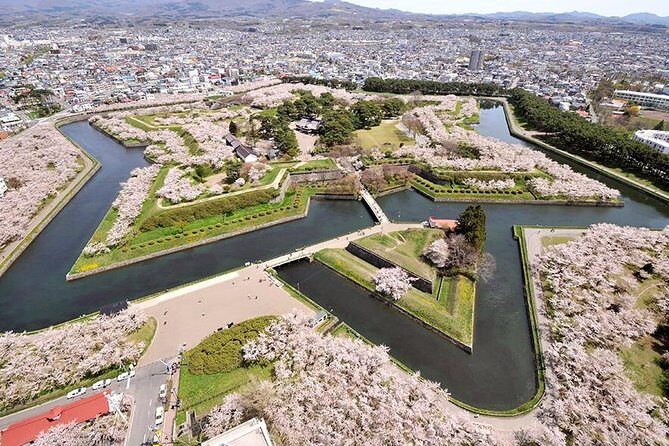
Goryokaku Park is built around a historic star-shaped fort. Originally it was a Western-style fortress constructed in the late Edo Period, and it later became tied to the final battle era of the Tokugawa period. Today, it is a public park, and the star geometry makes the area easy to understand once you are there.
This is one of the stops where a guide matters most. Without context, you might see a cool shape and move on. With explanation, it becomes a story about how ideas and military design changed during Japan’s opening years.
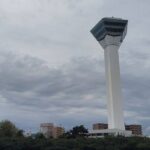
In your 30-minute visit, you can plan on walking inside the park and possibly using a vantage point if it is operating. One review noted that the Goryokaku Tower being closed can happen due to conditions beyond the operator’s control. So stay flexible. Your guide can shift focus toward the park itself when access changes.
You can also read our reviews of more private tours in Hakodate
Hakodate Morning Market: Food Culture Starts Before Most People Wake Up
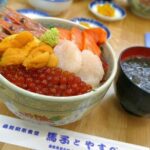
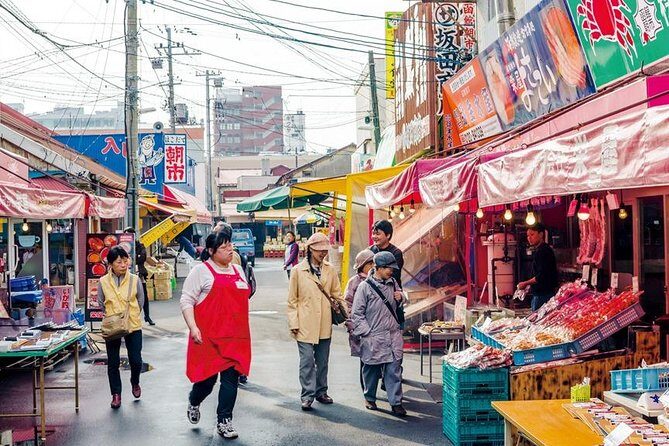
Hakodate Asaichi (the Morning Market) runs daily, typically 5:00am to noon (it runs 6:00am during winter). It is also extremely convenient: it sits just a few steps from JR Hakodate Station, and the market area spans roughly four city blocks.
For a 30-minute stop, timing is everything. This is when you catch the morning energy—stalls open, vendors setting up, and the market feeling like a real working place rather than a decorative souvenir zone. Even if you do not have a huge appetite, you can still use the market to:
- understand what local food ingredients look like in person
- see what the region is proud of
- grab a quick snack and keep your energy for the rest of the day
If you like eating as part of sightseeing, this stop usually delivers the most “I get it now” feeling in Hakodate.
Motomachi and the Foreign-Trade Clue to the City’s European Look
Motomachi helps you connect the city’s visual style to its historical reason. Hakodate’s harbor was one of the first places opened to foreign trade in 1854 right after Japan’s isolation ended. As traders from Russia, China, and Western countries arrived, the city picked up international influences.
That is why European-style architecture in Hakodate feels less random once you understand the harbor timeline. Your guide can point out the logic: the buildings, the streets, and the way the city arranged itself around a port that became internationally important.
This stop is around 30 minutes, and it can involve some walking along streets with changing visibility. If weather turns bad, a guide may adjust what you can comfortably cover. One review described a day where Motomachi was not walked as planned due to bad weather, and the guide redirected time to other priorities.
Kanemori Red Brick Warehouse: Where the Port’s Past Still Shows

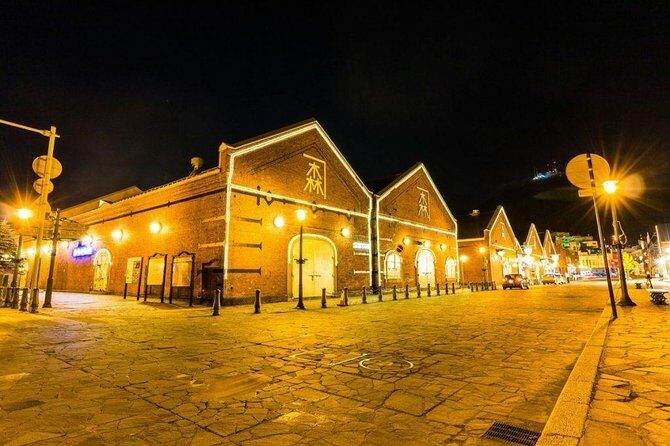
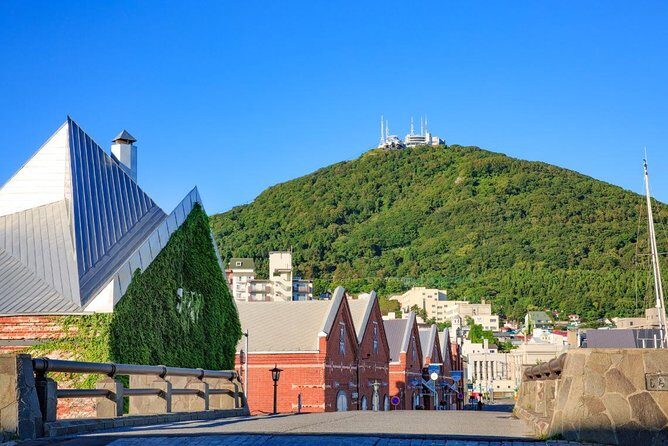
Kanemori Red Brick Warehouse brings you straight to Hakodate’s trading-era look. Hakodate Port was among the first ports opened to international trade toward the end of the Edo Period, and surviving red brick warehouses line the waterfront area.
What I like about this stop is how concrete it feels. You are not reading history in a book—you are standing in architecture that tells you the city handled trade at a different scale than inland areas. In other words, you get an instant “why this place looks like this” answer.
Your stop is short (about 30 minutes), so treat it like a photo and orientation moment. If you want deeper shopping time or longer café breaks, you may need to plan extra hours on a different day.
Bay Hakodate: Harbor Views Plus Red Brick Shopping Space
After the warehouse area, you move to the Bay Hakodate harbor vista. This part of the waterfront offers wide views of the port, and it also features a row of old red-brick buildings that have been converted into a shopping mall.
This is the kind of stop that works well for different travel styles. If you want views, you get views. If you want a quick browse, you can do that too. And because it sits along a practical route, it rarely feels like a time-waster.
For photographers: the harbor is where Hakodate’s “international port” identity shows up most clearly. For everyone else: it is a pleasant stretch to recover from earlier sightseeing and reset before the next stop.
Hakodate Museum of Northern Peoples: A Culture-Focused Stop That Costs Extra
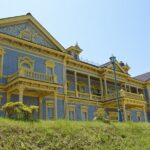
Hakodate Museum of Northern Peoples is different from the outdoor and waterfront stops because it is inside a historic building. The museum occupies a structure that once served as the Japan Bank, built in 1926.
The museum is an ode to Ainu culture. It is a thoughtful add-on if you want to understand Hakodate beyond architecture and food, through the lens of indigenous history and culture. Your guided stop is about 30 minutes.
One key cost note: museum admission is not included, so you will need to pay separately if you choose this stop. Your guide’s entry fees are covered only for the sights listed under the included expectations, so you should treat the museum as the one likely “extra ticket” item.
Price and Value: Is $269.32 Per Person Worth It
The price is $269.32 per person for an approximately 6-hour private tour. That might feel steep at first—especially if you are solo—but private guiding is rarely cheap, and Hakodate can be the kind of city where context changes the whole experience.
Here is where the value comes from:
- A licensed local English-speaking guide: you are paying for interpretation and navigation, not just walking.
- Customization: you pick 3–4 sites, which helps you avoid paying for stops you would skip.
- Mobile ticket and group discounts: built-in convenience matters when you are coordinating a schedule.
- Admissions are free for multiple key stops listed for the tour, like Mount Hakodate, Onuma Park, Goryokaku Park, Morning Market, Motomachi, and the red brick/bay areas.
You do pay for what is not covered: transportation, entrance fees (unless listed as free/included), lunch, and personal expenses. Also, there is no private vehicle. That is not a flaw—it just means the tour is built for walkers and transit users, and your guide helps you make it efficient.
When this price feels like a good deal:
- You want an efficient first visit and do not want to spend your limited time decoding the city.
- You have a group that values comfort and pacing (especially with seniors).
- You care about history and want explanations tied to what you see.
When you might skip it:
- If you are the type who likes independent wandering with minimal guiding, you may prefer a lower-cost option.
- If you want long nature hikes or extra time at a single site, this “3–4 stops in 6 hours” format may feel tight.
Who Should Book This Tour (and Who Might Not)
This tour suits you if you want a guided introduction to Hakodate with enough variety to understand the city’s different sides—nature, fort history, early foreign trade, waterfront warehouses, and optional culture at the museum.
It also fits well if you:
- want English commentary from a local guide who is licensed by the national government
- appreciate practical navigation and time management
- travel in a way where weather and walking comfort matter
It may not be ideal if you strongly dislike walking, because it is explicitly a walking tour with pickup on foot and without a private vehicle. And if the museum or specific viewpoints are a must, you’ll want to choose wisely since museum admission is not included and access can shift with day-to-day conditions.
Should You Book? My Straight Answer
Yes—if you want your first Hakodate day to feel organized and meaningful, this is a strong choice. The combination of custom stops and a government-licensed English guide gives you more than a checklist of places. You learn the why behind Hakodate’s look: the harbor trade era, the European-style influence, and how forts and parks connect to changing times.
I would book it if you’re short on time, value context, and want to keep the day moving without stress. I would think twice if you want a car-based, no-walking plan or if you prefer to build a fully independent itinerary with minimal guidance.
FAQ
How long is the Hakodate private tour?
The tour duration is approximately 6 hours.
How many stops will we see?
You can customize the tour and choose 3 to 4 sites from the available options.
Is this tour private?
Yes. It is a private tour/activity, and only your group participates.
Do you provide a pickup, and is it by car?
Pickup is offered, but the tour is a walking tour with pickup on foot within a designated meeting area. A private vehicle is not included.
What’s included in the tour price?
A licensed local English-speaking guide is included, along with a customizable tour of 3–4 sites. A mobile ticket is also included. Admission is free for the sights listed under what to expect, except where noted as not included.
Is admission included for the Hakodate Museum of Northern Peoples?
No. Admission for the Hakodate Museum of Northern Peoples is listed as not included.
Can I cancel for free?
Yes. You can cancel up to 24 hours in advance for a full refund.