REVIEW · HAKODATE
Taught by a professional! Making sushi with Hakodate’s Fresh Fish
Book on Viator →Operated by Attractive JAPAN · Bookable on Viator
Cooking sushi is more fun when it smells like the sea. In Hakodate, you’ll make Nigiri with freshly used seafood and learn it from a professional chef who keeps things calm and step-by-step.
Two things I really love: you taste three types of dashi, and you also leave with a take-home chef hat that actually gets worn for photo ops. One thing to consider: the exact sushi details can change with the day’s fish, so you’re booking the experience more than a fixed menu.
You get a proper hands-on lunch class, not a quick demo. The chef’s guidance focuses on practical technique—rice size, wasabi placement, and shaping—so even a beginner can get to edible, good-looking results. The only drawback for some people is the non-refundable nature of the booking, so double-check your schedule before you lock it in.
In This Review
- Key Highlights You’ll Care About
- Sushi-Making in Hakodate Starts With the Sea Air
- Where Your Class Fits in Hakodate: Mount Views and a Food-Focused Timeline
- Enter the Workshop: How the Chef Sets You Up for Success
- Making Nigiri With Fresh Hakodate Seafood (Not Just Pretend Sushi)
- What you’ll learn that actually helps at home
- Dashi Tasting: The Flavor Lesson You Didn’t Know You Needed
- Choosing Your Miso Soup: Build It From the Dashi You Like
- Lunch Set Quality: Eating What You Made
- The Chef Hat: A Silly Souvenir With Real Value
- Price and Value: Is $86.82 Worth It?
- Who This Class Suits Best (And Who Might Want to Rethink)
- What You Should Know Before You Go
- Sushi varies by day’s stocks
- Allergies need to be stated upfront
- Premium ingredient option exists
- Booking Sense Check: Should You Take This Hakodate Sushi-Making Class?
- FAQ
- How long is the sushi-making experience?
- Where does the experience start?
- Is this experience suitable for kids?
- What’s included in the price?
- Will I make dashi and miso soup during the class?
- Can I choose premium sushi ingredients?
Key Highlights You’ll Care About
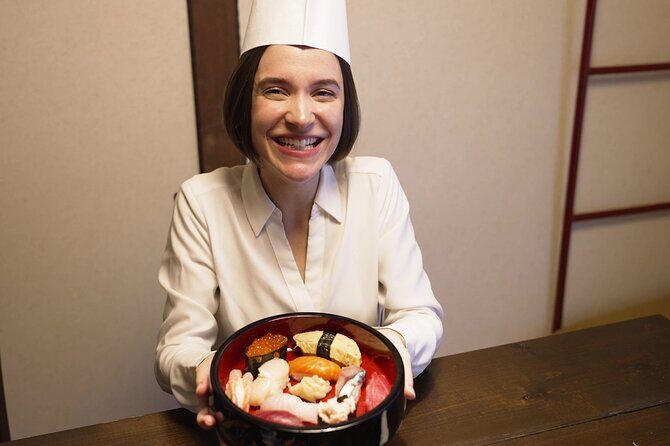
- Fresh seafood from Hakodate’s seaside drives the whole class, so your sushi tastes like the place you’re in
- Three dashi tastings show you how stock flavor changes, not just how to drink it
- Make your own miso soup using the dashi you like best
- Beginner-friendly teaching style that focuses on technique you can repeat at home
- Chef hat included as a fun, useful souvenir you’ll actually use
- Small group size (max 14) keeps the class from feeling rushed
Sushi-Making in Hakodate Starts With the Sea Air
Hakodate is one of those places where seafood isn’t a theme. It’s the baseline. In this class, you’ll feel that right away because the instruction is built around fresh ingredients from the local coast, paired with Japanese soup stock flavors that warm you up.
If you’ve ever watched sushi chefs move quickly and thought I could never do that, this is a great reality check—in a good way. The chef teaches technique in a way that makes your hands do the learning, not your nerves.
You’re also not just making sushi and calling it a day. The class builds in a real taste lesson through three dashi. That part is surprisingly satisfying because it gives you a language for flavor, not only a recipe.
You can also read our reviews of more tours and experiences in Hakodate.


Where Your Class Fits in Hakodate: Mount Views and a Food-Focused Timeline
Your plan starts at Sakura-michi 24-1 Aoyagichō, Hakodate. The experience is designed to be convenient, and it’s close to public transportation, so you’re not forced into a complicated logistics day.
The overall itinerary includes time around Mount Hakodate, then the main Hakodate area, and finally Hakodate Park. With a total duration of about 1 hour 30 minutes, think of those spots as quick scenic moments rather than a long sightseeing program. This helps the schedule stay food-first, which is what you want for a hands-on lunch class.
A practical tip: arrive a bit early and let the day move at class pace. Sushi-making doesn’t need stress. It needs calm hands.
Enter the Workshop: How the Chef Sets You Up for Success
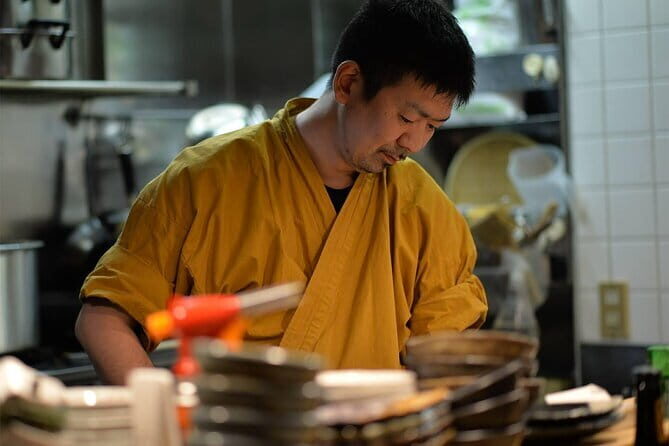
The vibe is the classic small-restaurant style where people come to make something real. You’ll likely find that parts of the prep are already underway—one review notes that the instructor had cut the seafood before arrival. That’s smart. It means you spend time learning technique, not waiting around.
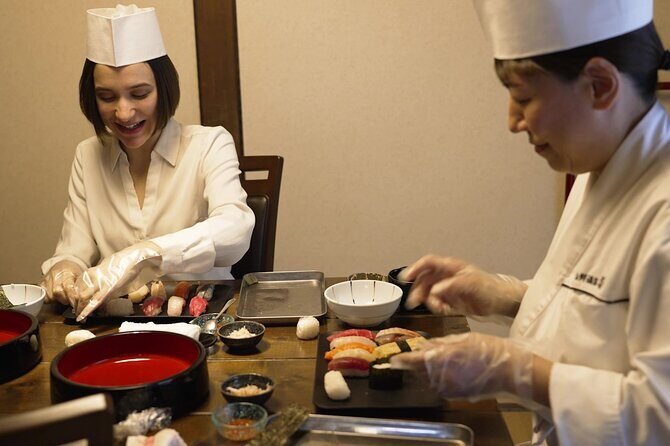
The teaching comes from a professional chef (and it’s run by a female sushi chef). Expect clear, friendly instruction and a focus on the details that make sushi work. For example, you’ll be taught how to shape the rice ball correctly, how to place wasabi, and how to mold the seafood so it sits right.
I like how this avoids the two extremes: no overcomplicated theory, and no hand-wavy stuff. You’re given the steps you need to repeat later.
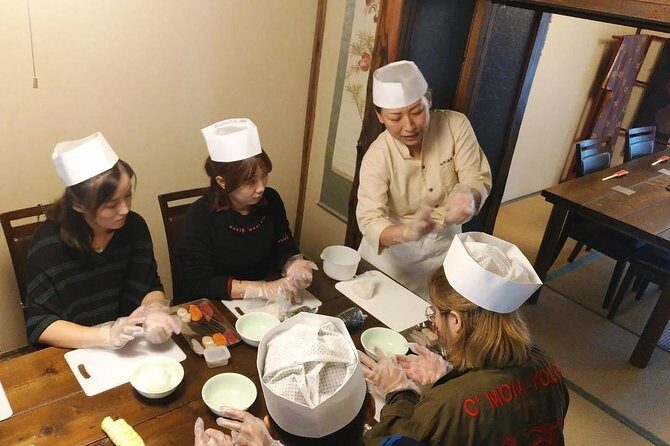
And because the class is capped at 14 people, you’re not lost in a crowd. You’ll get the kind of attention where you can ask a question and actually get an answer.
Making Nigiri With Fresh Hakodate Seafood (Not Just Pretend Sushi)
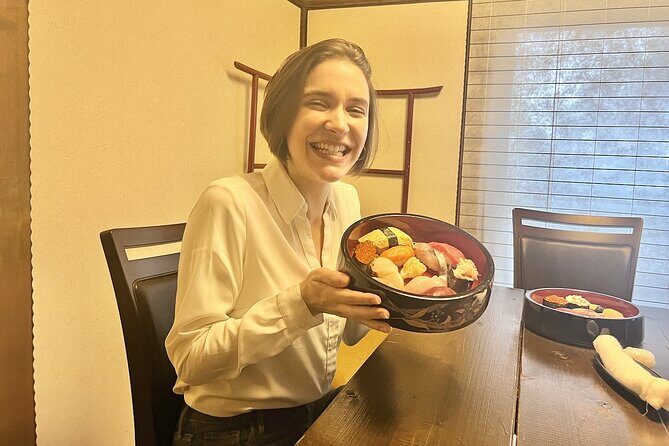
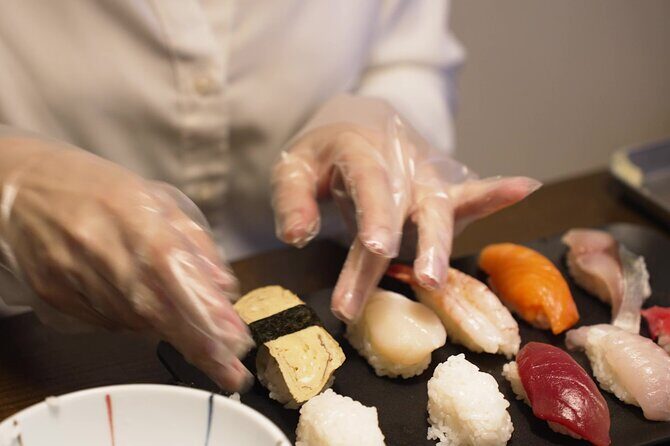
The core of the experience is making Nigiri by hand. That sounds simple until you realize there are a few tiny rules sushi follows, and those rules are exactly what the chef teaches.
Here’s what you can expect in the hands-on portion:
- Rice sizing: you’ll learn to make the rice ball to the right proportions, so the topping and rice feel balanced
- Wasabi placement: you’ll be guided on where to apply it rather than spreading it randomly
- Topping shaping: you’ll be taught how to mold or position the fish so it looks like Nigiri, not a pile
One review specifically highlighted how the instructor showed the correct-sized rice ball and the proper wasabi application and shaping. That’s the kind of concrete guidance you want if you’re a beginner.
The sushi ingredients come from the cold-sea world of Hokkaido, which matters because the flavor and texture are part of the lesson. When the fish is fresh, it’s easier to understand what good sushi feels like.
What you’ll learn that actually helps at home
A lot of cooking classes stop at tasting. This one pushes you toward repeatable technique. If you leave thinking I can do this again, that’s the win.
You’ll also gain comfort with the rhythm of sushi making: cook/prep doesn’t vanish, but your job becomes shaping and assembling correctly. That’s the most useful part to practice in your own kitchen later.






Dashi Tasting: The Flavor Lesson You Didn’t Know You Needed
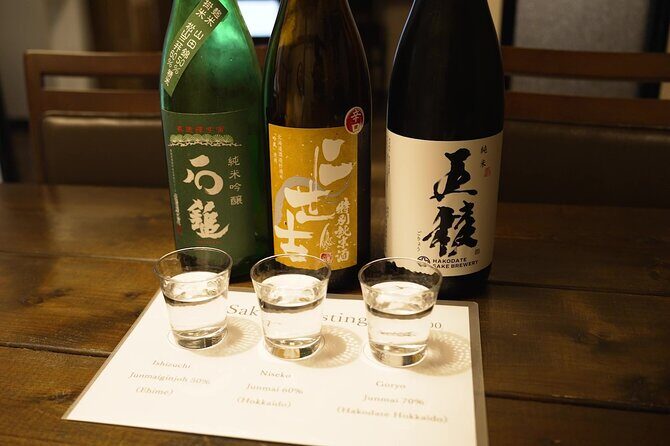
Then comes a part that I think is the secret sauce of this class: you taste three kinds of dashi. Dashi is Japanese soup stock, and it’s the foundation for a lot of savory comfort food. By tasting multiple types side-by-side, you can actually pick up how different stocks change the mood of a meal.
The chef will explain each dashi and guide you through what you’re tasting. You’re not just consuming. You’re comparing. You learn how the flavor shifts depending on the stock style, which makes your later miso soup choice feel personal instead of random.
This is also where the class stops feeling like a one-note cooking demo. It becomes a mini food education session with your hands still active.
Choosing Your Miso Soup: Build It From the Dashi You Like
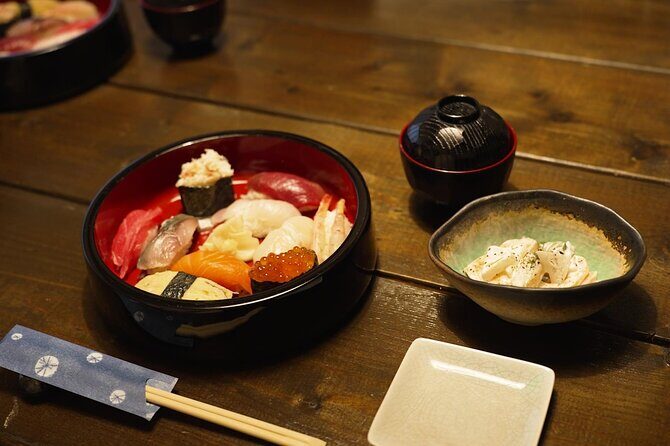
After tasting the three dashi options, you create your own miso soup using the one you prefer. That’s such a small line in the description, but it changes the whole experience. You’re not a passive eater. You’re the decision-maker.
Miso soup also has that practical function: it balances out the richness of sushi and helps you reset your palate. It’s warm and grounding—especially nice on a trip day when you’ve walked a bit and you want comfort food that doesn’t feel heavy.
If you like to cook, this is a satisfying takeaway. Even if you don’t make sushi often at home, you can make miso soup from a flavor choice you already understand.
Lunch Set Quality: Eating What You Made
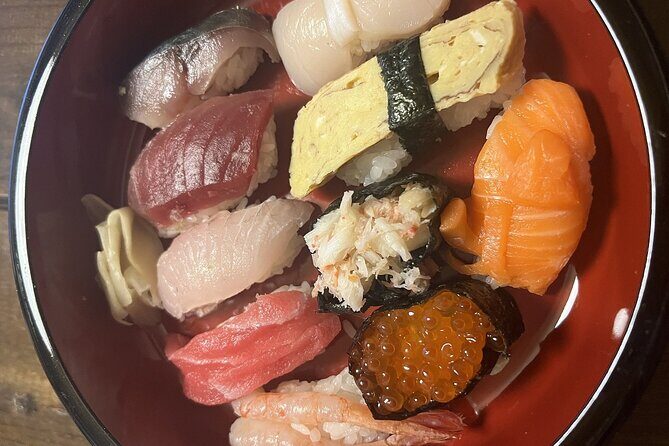
You’ll have a lunch set included with the experience. That matters because the meal isn’t a separate purchase. It’s part of the teaching loop: you make your sushi, then you eat it in context with soup stock flavors you’ve just tasted.
One review noted that the sushi rice was very good, which tracks with how sushi class quality often lives or dies on rice texture and seasoning. Even if your shaping isn’t perfect, well-seasoned rice makes your sushi taste right.
And the fact that the sushi is made with fresh seafood means you’re not just eating a craft project. You’re eating food that reflects Hakodate and the Hokkaido cold-sea ingredient world.
The Chef Hat: A Silly Souvenir With Real Value
You’ll wear a sushi chef hat during the experience, and you get to take it home. This is one of those items that could feel gimmicky, but it’s actually useful.
Why? Because it marks the moment you learned something. If you host anyone at home, the hat turns your sushi-making story into something people want to hear. It also helps you remember the steps when you recreate the experience later.
If you care about memorable, tangible souvenirs without buying junk, this one is a good pick.
Price and Value: Is $86.82 Worth It?
At $86.82 per person for about 1 hour 30 minutes, the pricing might look steep if you compare it to a basic food show. But this isn’t a performance. You’re getting:
- All ingredients for cooking
- Kitchenware
- A lunch set
- A take-home chef hat
- Professional guidance during hand-shaped sushi work
- Dashi tastings plus making your own miso soup
When you add up the ingredients and the time of a real instructor, the price starts to make sense. Also, the experience is designed for beginners, which usually reduces the hidden costs of trial-and-error. You’re paying for correct technique the first time around, not for learning the hard way.
One more angle: the class is capped at 14 travelers. That smaller-group environment often means better attention, faster feedback, and a more relaxed pace. In a short time window, that’s part of the value.
Who This Class Suits Best (And Who Might Want to Rethink)
This is a great fit if you:
- want a hands-on Hakodate food experience, not a passive meal
- are a sushi beginner and want technique you can repeat
- like learning through taste, not only watching
- want a souvenir that isn’t clutter
It’s also listed for ages 6 and older, so it can work for families with kids old enough to handle food prep guidance responsibly.
You might rethink it if you:
- already know sushi technique well and mainly want sightseeing time
- prefer a fixed menu (the sushi varies by daily stocks)
What You Should Know Before You Go
A few details can affect your experience day-of.
Sushi varies by day’s stocks
The sushi you make can change based on what’s available. That’s normal for seafood-based classes, and it keeps the ingredient lesson honest. You’ll still learn the same core skills.
Allergies need to be stated upfront
If you have allergies or foods you can’t eat, you should mention them in the reservation form. The class does include ingredients and cooking steps, so sharing restrictions matters for planning.
Premium ingredient option exists
There’s an option to select premium sushi items. If you choose premium items, all participants are eligible. If you’re picky about seafood quality and want a step up, this is the lever you can pull—just know that it changes the ingredient scope.
Booking Sense Check: Should You Take This Hakodate Sushi-Making Class?
I’d book it if you want an experience that gives you both skill and flavor understanding in a short time. The combination of hands-on Nigiri plus three dashi tastings plus making your own miso soup gives you variety without dragging the day out. And the chef’s teaching style, including practical guidance like rice sizing, wasabi placement, and shaping, is exactly what makes beginners feel capable.
I’d hesitate only if your schedule is fragile. The experience is non-refundable and can’t be changed. So make sure you’re confident your timing works before you commit.
FAQ
How long is the sushi-making experience?
It takes about 1 hour 30 minutes.
Where does the experience start?
It starts at Sakura-michi 24-1 Aoyagichō, Hakodate, Hokkaido 040-0044, Japan.
Is this experience suitable for kids?
It’s for participants age 6 and older.
What’s included in the price?
The price includes all ingredients for cooking, necessary kitchenware, a lunch set, and a sushi chef hat.
Will I make dashi and miso soup during the class?
Yes. You’ll taste three kinds of dashi, then make your own miso soup using the one you like best.
Can I choose premium sushi ingredients?
Yes, there is a premium ingredient option. If you choose premium items, all participants are eligible.
If you want, tell me your dates and whether you’re a total sushi beginner. I can help you decide how to fit this into a Hakodate day plan.