REVIEW · OSAKA
Osaka: Private Tea Ceremony and Calligraphy Experience
Book on GetYourGuide →Operated by Japanese Culture Experience WA NO MA · Bookable on GetYourGuide
Two Japanese rituals, one calm private room. This Osaka class blends matcha making with calligraphy, paced for your group and guided step-by-step. You can also ask for slower timing or extra photo stops, which makes it feel less like a performance and more like a real cultural moment.
I especially like the way the calligraphy is personalized. Your instructor (often named Wanoma) helps you turn your name into kanji tied to your vibe, then you finish with a stamped keepsake you can take home.
One consideration: this is 135 minutes sitting and focusing. If you want a quick photo-and-go activity, this is probably not the best fit.
In This Review
- Key points at a glance
- Namba meeting point: right by the Shinsaibashi action
- Why the private setup feels different (and better)
- Calligraphy lesson: from theme choice to stamped souvenir
- Kids version: water calligraphy
- What to watch for
- Tea ceremony: matcha you make, plus sweets you taste (twice)
- Why the tea timing matters
- Taking photos without breaking the mood
- Instructor style: patient, funny, and tuned to questions
- Price and value: $64 for 135 minutes with materials and a take-home piece
- Who should book this Osaka tea-and-calligraphy class
- What you’ll leave with (beyond the artwork)
- Quick tips to get the most out of your 135 minutes
- Should you book this Osaka private tea ceremony and calligraphy?
Key points at a glance
- Private, calm pacing with real attention from your instructor
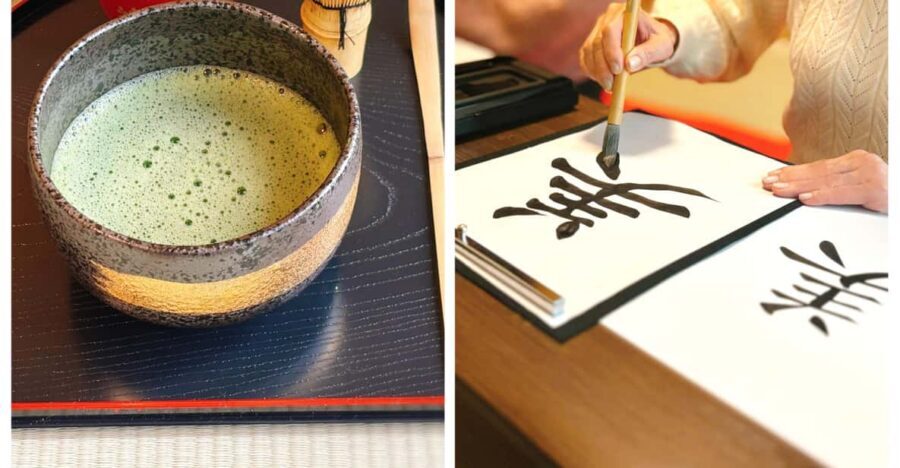
- Matcha making plus tasting, with multiple Japanese sweets during the tea portion
- Personalized calligraphy: your name becomes kanji linked to personality
- Take-home artwork made on colored paper, finished with your own stamp/initials
- Namba location makes it easy to reach from Shinsaibashi
Namba meeting point: right by the Shinsaibashi action
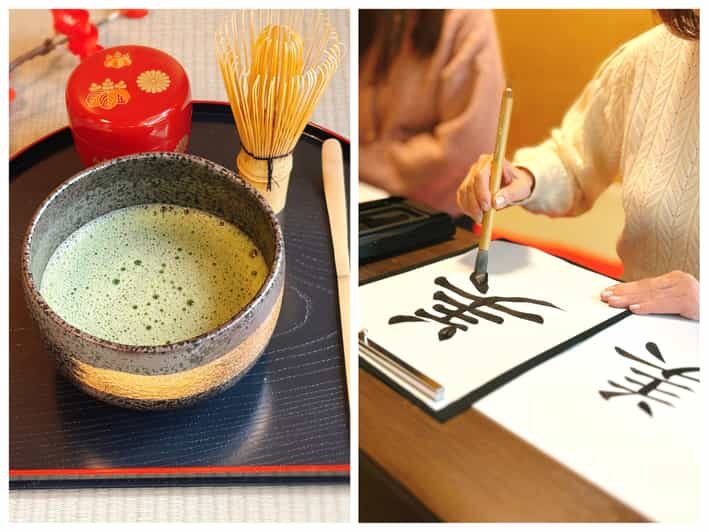
This class is in Namba, Osaka’s go-to area for shopping and sightseeing. The meeting point is simple: come to the entrance of New Osaka Hotel Shinsaibashi, then walk west for about 30 seconds. There’s a blue vending machine near the entrance, and your guide will be outside about five minutes before your booking time wearing kimono.
That matters more than it sounds. When you’re already in a busy tourism zone, the “find the place” stress can ruin the mood. Here, you’ve got a clear target and a quick handoff to the instructor.
If you’re coming from Shinsaibashi-suji, you’re basically walking through familiar streets and then stepping into a calmer space.
You can also read our reviews of more private tours in Osaka


Why the private setup feels different (and better)
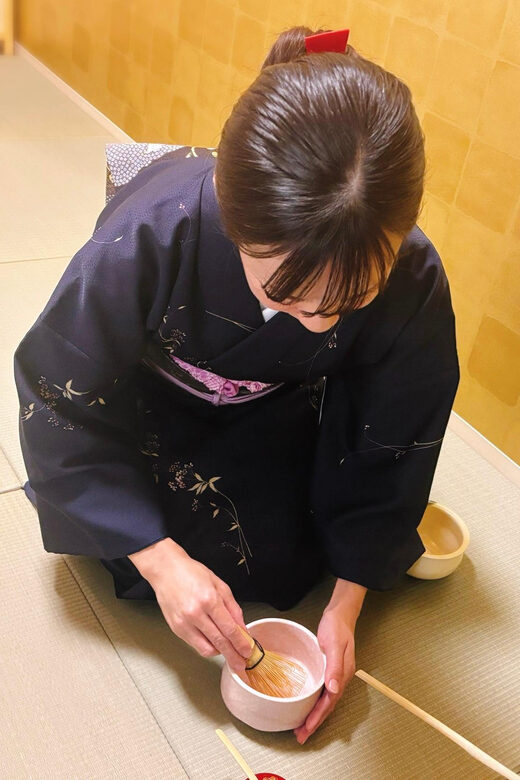
This is a completely private group experience. That means you’re not sharing attention with a large class, and you won’t be rushed past the parts you want to practice. The format is also flexible: you can request things like taking lots of photos, or moving at a child’s pace.
In practical terms, private here means:
- The instructor stays focused on you and your timing
- You can ask questions as you go
- You can pause without feeling awkward
You also get a “special time” just for your group, so it doesn’t feel like you’re squeezing into someone else’s schedule. For a culture class that’s supposed to be calming, this is a big deal.
A small detail: they recommend socks. You’ll want comfortable socks you don’t mind wearing for the full session.
Calligraphy lesson: from theme choice to stamped souvenir
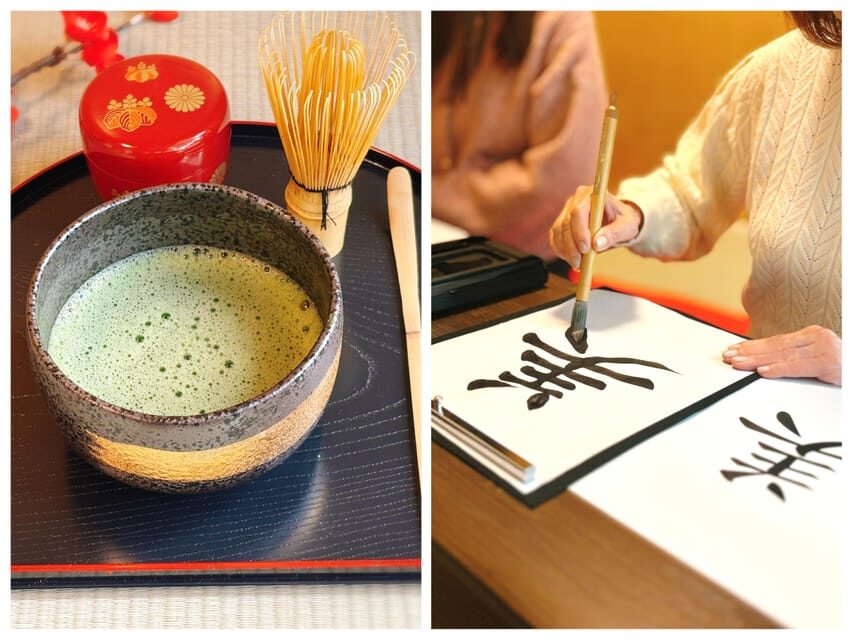
The calligraphy portion is hands-on and structured, and it starts with choice. First, you select the theme you want to write that day. You can share your favorite letters and words, and the instructor can suggest the best kanji to express what you want to communicate.
Then the lesson gets practical:
- You get a basic lecture on calligraphy practices (the fundamentals of how to hold the brush and how strokes should look)
- You practice the character you choose before you commit to your final piece
Next comes the fun part: selecting materials. You pick your favorite colored paper from a set of options, and then you write your name in Japanese characters. You’ll also stamp your initials to finish the artwork.
The personalization gets extra interesting with the “name into kanji based on personality” angle. You’re not just copying a character. You’re making a symbolic souvenir that’s meant to feel like you. That’s why people tend to leave with something they actually want to keep, not just a quick craft.
Kids version: water calligraphy
If you’re traveling with younger children, there’s an option for water calligraphy. The idea is simple: it prevents mess on hands and clothes, so the activity stays comfortable for everyone.
What to watch for
Calligraphy is relaxing, but it still takes attention. The brush work is the main event, so if your group has trouble focusing, tell the instructor early. The class is set up to adjust pacing, and many families have had a great time when the teacher stays patient and keeps directions clear.


Tea ceremony: matcha you make, plus sweets you taste (twice)
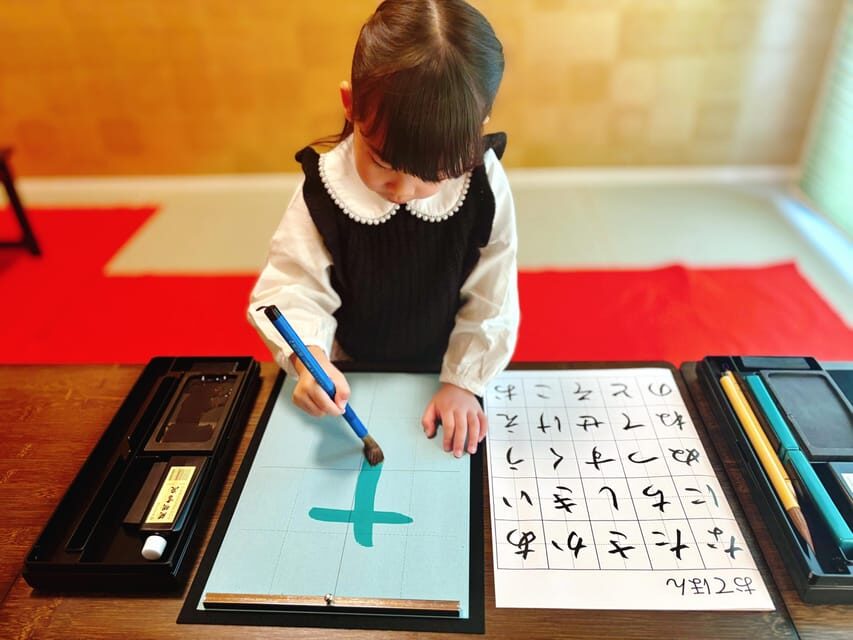
The second half shifts from ink to tea, but it’s still the same calm, guided style.
You’ll learn how to make tea, and then you try making matcha yourself. The class encourages you to choose a tea bowl that matches how you’re feeling that day. That small choice can make the ritual feel personal instead of generic.
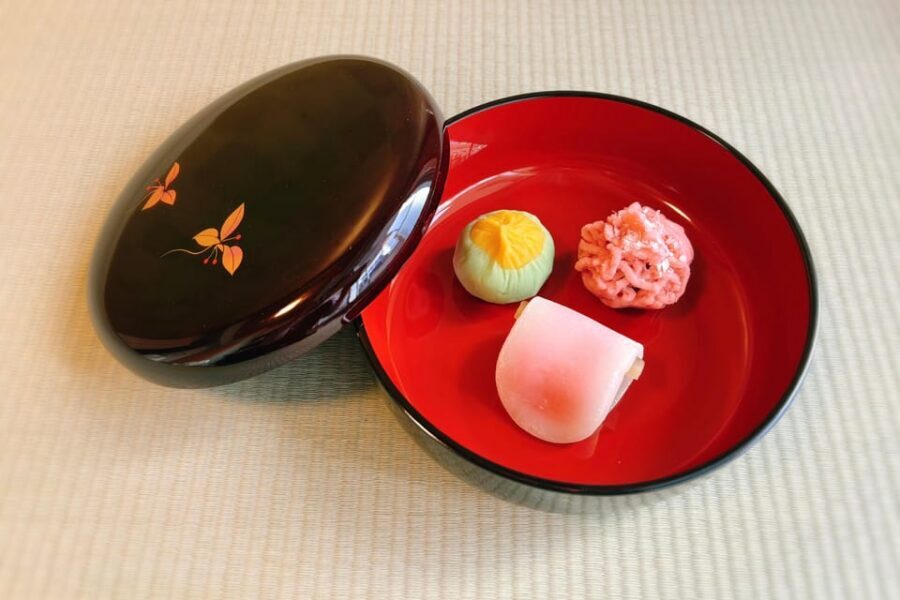
Then comes the tasting. You’ll enjoy matcha and different types of Japanese sweets during the tea ceremony. The listing notes you can enjoy different sweets twice during the tea portion.
Two details I think you’ll appreciate:
- You’re not just drinking matcha; you’re learning the steps behind it.
- The sweets are part of the experience, not an afterthought.
One review mentioned lactose-free sweets were available. That suggests you can ask about dietary preferences and see what they can provide, at least in some cases.
Why the tea timing matters
Tea ceremony is short on chaos and long on rhythm. If your day in Osaka has been “walk, shop, repeat,” this gives you a reset. You’re practicing a slower pace on purpose. And because it’s private, you’re not trying to keep up with other people while holding a bowl and brush.
Taking photos without breaking the mood
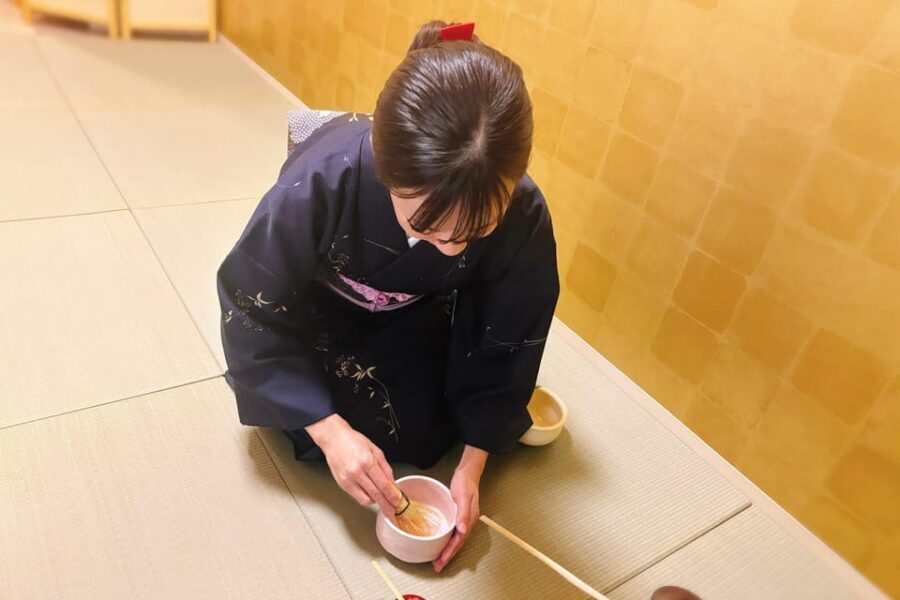
This class explicitly allows photos anytime. In a lot of cultural workshops, photography rules are strict and awkward. Here, you can take photos during the experience and make adjustments toward satisfaction—like “I want lots of photos” or “we’ll go slowly for a child.”
Practical advice: take photos, but don’t turn it into a constant phone screen moment. If you want the class to feel calming, step away from the camera during the actual tea and brushwork. Snap when the instructor demonstrates, then put the phone down and try it.
Instructor style: patient, funny, and tuned to questions
The reviews paint a consistent picture of the instruction style: friendly, attentive, and strong on explanations. Wanoma, the guide name that shows up in multiple accounts, is described as welcoming and humorous enough to keep mistakes from feeling stressful.
That matters because both calligraphy and tea have “first timer” moments:
- Your brush strokes might not look like the example.
- Your matcha might taste different the first time.
- You may have questions about meaning, seasons, and technique.
The class format supports that. People mentioned getting answers to lots of questions, and that they didn’t feel rushed. One family even noted the teacher did a great job keeping a 10-year-old and a teen engaged.
If you learn best by asking why something matters, this is a good fit.
Price and value: $64 for 135 minutes with materials and a take-home piece
Let’s talk value without guessing. At $64 per person for 135 minutes, you’re paying for:
- A private, guided session
- Matcha making and tea ceremony instruction
- Calligraphy instruction
- Colored paper for your final artwork
- Matcha and Japanese sweets
- An instructor who stays with your group
You’re not just watching. You’re producing something you can keep—your calligraphy piece on colored paper finished with stamping. That alone can make the price feel fair, especially in Osaka where many “culture” workshops are cheaper but more limited.
Also, the time matters. 135 minutes is long enough to learn the rhythm of both parts: tea first, then calligraphy with practice strokes. Short workshops can feel like a stamp-and-run. This one has room for repetition.
Who should book this Osaka tea-and-calligraphy class
This is a strong choice if you want:
- A calmer alternative to Osaka’s shopping-and-street-food sprint
- A hands-on cultural souvenir you can frame or display
- A private setting where your questions and pacing matter
- Something that works for adults and can also be workable for kids, especially with the water calligraphy option
It may not be the best match if:
- You want a fast, casual stop (this is a full 135-minute class)
- Your group needs wheelchair access, since it’s not suitable for wheelchair users
What you’ll leave with (beyond the artwork)
The obvious take-home is your calligraphy piece. But the less visible takeaway is the “how” behind both rituals.
For tea, you get steps for making matcha and a sense for why the ceremony uses specific actions and objects. You also get sweets paired into the flow, which helps you understand tea ceremony as a full sensory routine, not just a drink.
For calligraphy, you learn basic practices and you end with something truly personal: your name written in Japanese characters with your own stamped initial.
That combination makes it more memorable than many one-off activities. You don’t just leave with photos. You leave with something made by you.
Quick tips to get the most out of your 135 minutes
- Wear comfortable socks and clothes that can handle a calm, seated session.
- If you care about photos, tell the instructor at the start. They’ll accommodate.
- If you’re bringing kids, ask about water calligraphy before you begin.
- If you have dietary concerns, it’s worth mentioning preferences early since sweets are part of the tea portion.
Should you book this Osaka private tea ceremony and calligraphy?
If you want a genuine cultural activity with a soothing pace, I think this is a good bet. The private setup is the core reason: it turns “a lesson” into a shared, guided experience where you’re not fighting the clock or the group.
Book it if you’d like matcha you make, sweets built into the tea flow, and a calligraphy souvenir that’s finished in your own hand. Skip it if you’re chasing a quick hit or you need wheelchair-friendly access.
If you’re spending time around Namba and Shinsaibashi anyway, this class is one of the better ways to balance Osaka’s energy with something quiet and skill-based.