REVIEW · TOKYO
Daikoku Parking Tokyo Drift & APIT Car Meet JDM Culture Tour
Book on Viator →Operated by Matenro Tours - Japan's Finest Immersive Experience · Bookable on Viator
Tokyo turns into a car movie at night. This private experience links real JDM hangouts—Daikoku Parking Area and Rainbow Bridge—with an easy, guided ride through the Tokyo skyline.
I love the private pacing and the fact that your guide (often Takeshi or Hiro) can answer questions in real time and keep things moving without rushing. I also like that key stops use free admission tickets, so your money goes to the night plan, not cover charges.
One drawback: this tour is car-focused, not just a quick photo stop. If you only want snapshots, the time at Daikoku is limited on some nights, and the police have been known to shut the area down around 8:30.
In This Review
- Key Things I’d Plan Around
- Night Tokyo Starts at Tokyo Station Marunouchi
- A-PIT Super Autobacs: Why the Parts Stop Actually Helps
- Daikoku Parking Area: The JDM Gallery You Can Actually Walk
- The Rainbow Bridge Night Drive and Photo Stop Options
- Getting Around in a Lexus or Toyota Van (and Why That Matters)
- Timing: How to Make the 3–5 Hours Feel Like More
- Price and Value: What $130.81 Covers
- Who This Tour Fits Best (and Who Should Skip It)
- A Quick Decision Checklist Before You Book
- FAQ
- FAQ
- How long is the Tokyo JDM Culture Tour?
- Where does the tour start and end?
- Is pickup included?
- What stops are included?
- Are admission tickets included?
- Do I need to bring cash for photo stops?
- What happens if the weather is bad?
- Should you book if you’re traveling with kids or non–car fans?
- Should You Book This Tokyo JDM Tour?
Key Things I’d Plan Around
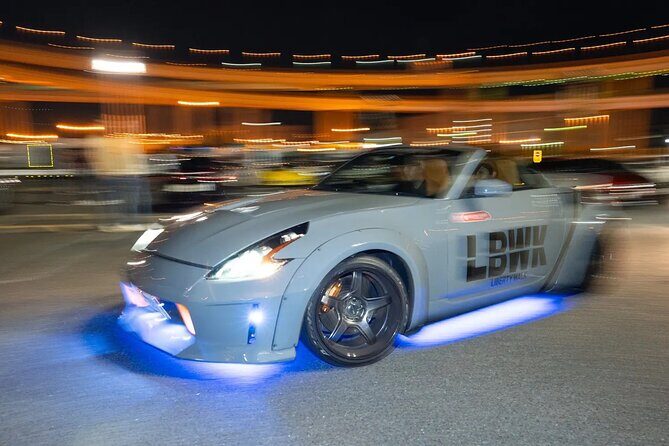
- A night drive with skyline payoffs on the way to Daikoku, including a pass over Rainbow Bridge
- APIT Super Autobacs first: a big parts-and-merch stop that helps you understand what you’re seeing
- Daikoku Parking Area time on foot: you’ll walk, spot cars, and get context from your guide
- Optional photo stops near Odaiba or Tokyo Tower for an added fee
- Private group setup with pickup in a Lexus LS460 or a Toyota van (depending on group size)
- Guides who adapt if the meet location shifts, and who stick with safe, lawful driving
Night Tokyo Starts at Tokyo Station Marunouchi
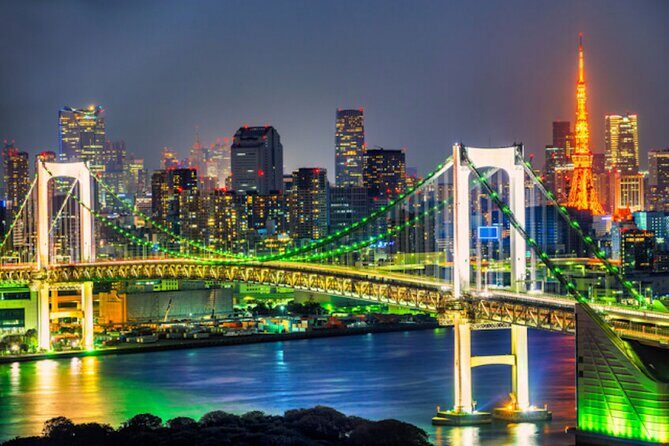
You’ll begin at Tokyo Station Marunouchi, one of the easiest parts of the city to navigate. The meeting point is at the Marunouchi North Gate (Dome area), and pickup is offered at a location you choose—ideally within about 5 km of central Tokyo. That matters because it keeps you from spending your precious car-meet time stuck on trains.
From there, the plan is all about timing. You’re heading out via the Metropolitan Expressway, roughly a 30-minute drive to the first car-related stop. This is a smart way to get the night going fast and also to line up the “Tokyo looks great at night” moment before you’re surrounded by cars.
If your guide is Takeshi or Hiro, you’ll notice the same theme in how people describe the experience: on-time pickups, clear English communication, and an easygoing vibe. It’s not stiff. You’re not just herded around. You can ask questions about cars, routes, or what you’re seeing on the street.
You can also read our reviews of more tours and experiences in Tokyo.



A-PIT Super Autobacs: Why the Parts Stop Actually Helps
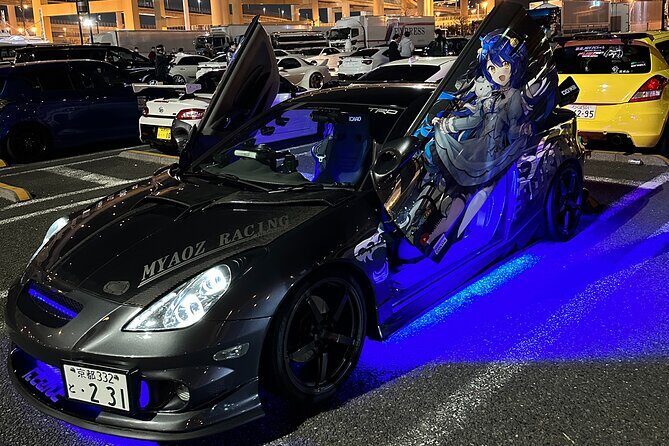
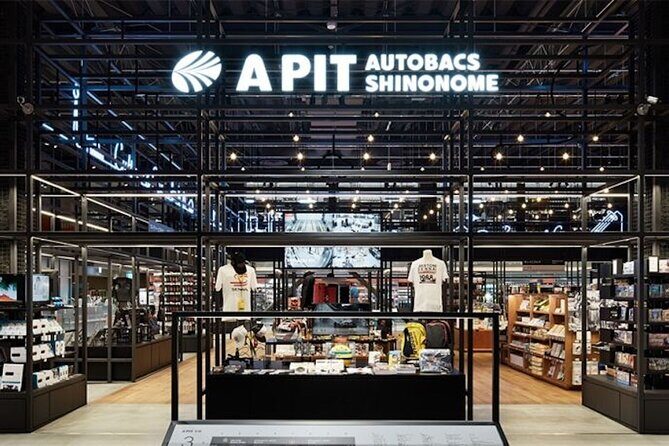
The tour’s first major stop after Tokyo Station is A-PIT Super Autobacs. Expect around 45 minutes here. Admission is free, and the point isn’t just to shop—it’s to put words to what you’re about to see at Daikoku.
A-PIT is described as one of the biggest auto stores in the Tokyo area. That means you’ll find parts, apparel, books, toys, and gadgets tied to JDM cars. Even if you don’t buy anything, you’ll walk out with a better “language” for what matters in car culture: brands, categories, and the kind of accessories people actually care about.
A practical tip: treat A-PIT like a pre-game briefing. If you spot a particular car model you’re excited about, look for related items or references here. It helps you connect names to details when you later see the real lineup at Daikoku.
Also, the tour is private. So if your group wants to move a little quicker, linger, or adjust the focus, your guide can usually work with that. One small example from real tour experiences: if someone in the group isn’t into parts shopping, the plan can be tweaked so the night still feels right.
Daikoku Parking Area: The JDM Gallery You Can Actually Walk
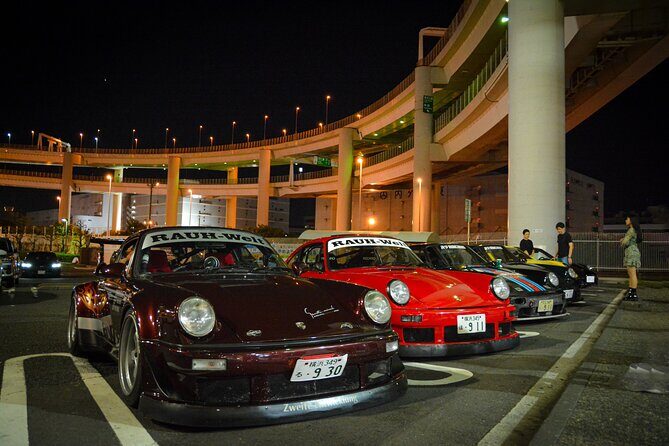
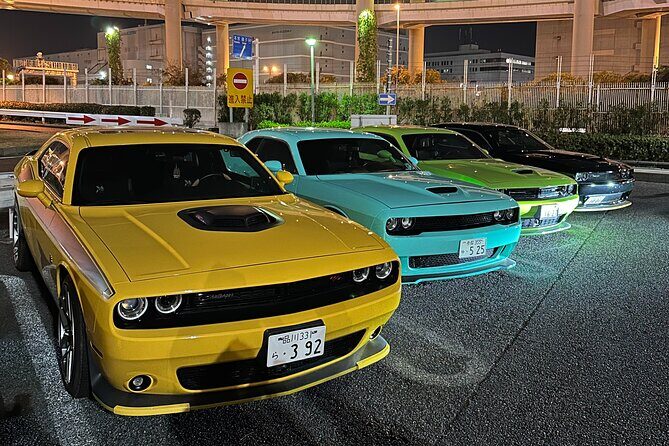
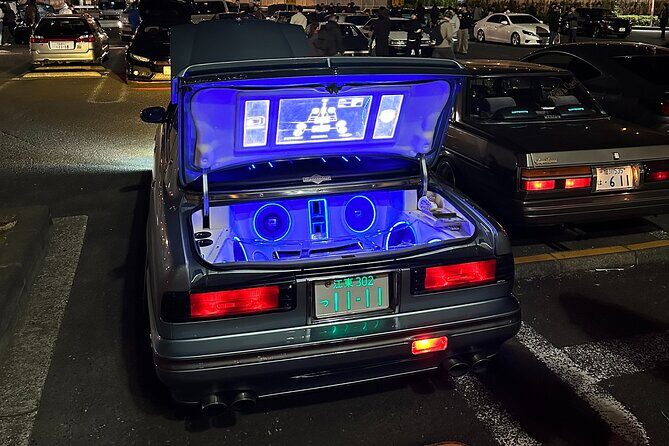
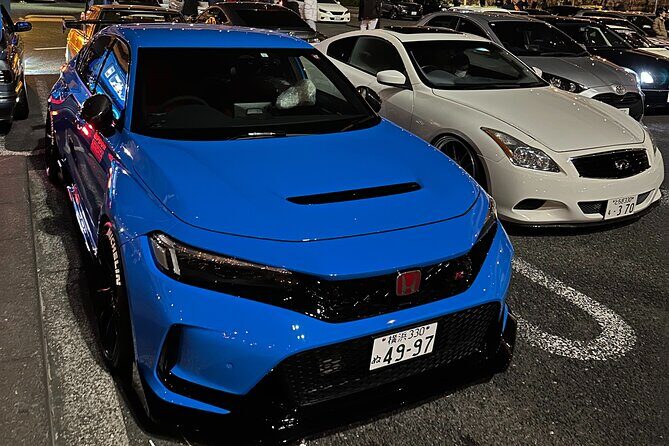
This is the star. Daikoku Parking Area is where a normal car park turns into a real gallery of cars. The lineup is described as a mix that goes beyond “just Japanese models.” You can see JDM classics and also American muscle and European cars.
You’ll get about 1 hour on site. That hour matters. This is not a drive-by. It’s time to get your bearings, spot specific models, and soak in the atmosphere—without needing to know where to go or what time to arrive.
A few reasons Daikoku is such a big deal for car people:
- Variety in one place: you can compare builds side-by-side—street setups, showy details, and different eras/styles.
- Energy without chaos: it’s a laidback “hang out and look” scene, not a race event.
- Context from your guide: your host can point out what you’re seeing and why people care.
Now, about timing. On at least one Daikoku night, the police shut the area down around 8:30. That’s not something you can control, but it’s something you should respect. If you want the best shot at a full hour inside the active period, aim to arrive early and don’t plan an extra long stop elsewhere that night.
If it rains, you’re not out of luck. In real experiences, umbrellas were provided, and the tour still stayed smooth even in wet conditions.
One more thing: because this is a meet-style location and the situation can change, the guide may adjust where you park and where you walk to see the action. One tour experience mentions being taken to a new car-meet location—so the upside of doing this with a local guide is not getting stuck when plans shift.
The Rainbow Bridge Night Drive and Photo Stop Options
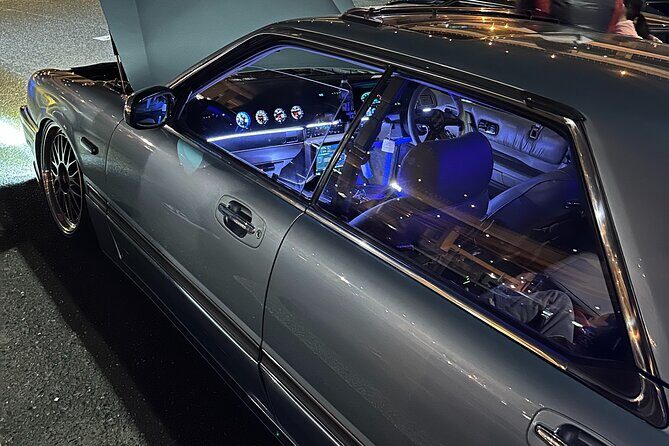
After Daikoku and the store time, the tour leans into Tokyo’s big-night visuals. The car will pass Rainbow Bridge on the way back. That’s one of those moments where even non-car people go quiet for a second—Tokyo skyline, bridge lights, and that “I’m really in Japan” feeling.
The tour also includes options for additional photo stops:
- Odaiba district has an optional “secret spot” stop for a scenic look at the Rainbow Bridge and the Odaiba area (around 30 minutes).
- There’s also an option to stop near Tokyo Tower for pictures for an additional fee of 10,000 yen (the plan is described as either Tokyo Tower or Odaiba for night photo spots).
How to think about these options: if your group is mainly here for cars, keep it simple and let the bridge pass be the photo moment. If your group wants both cars and city lights, add the photo stop. The private format means the guide can help you pick what fits the energy of your group.
A small “street reality” note: night photography in Tokyo is great, but it’s also busy and time-based. If you add an extra stop, you’re trading some car time for light-based memories. The tour structure gives you the choice.
Getting Around in a Lexus or Toyota Van (and Why That Matters)
This is a private tour, and that changes everything about comfort. You’re picked up and dropped off, and you ride in a Lexus LS460 or a Toyota van for larger groups. That’s a big deal at night, especially if you’re coming from an out-of-the-way neighborhood or you don’t want to wrestle with transfers after a late evening.
The practical win is smoother timing. You don’t need to figure out:
- which train line to use,
- how to get to Daikoku area logistics,
- or how long you’ll waste walking with everyone’s jackets and phones.
Guides in real tour experiences also emphasized safe driving and following local laws. That’s worth highlighting because this whole scene has a “don’t mess around” energy. You want the vibe, not the stress.
English communication is another plus. Multiple experiences mention fluent English and an easy back-and-forth—car talk, city talk, and even culture explanations along the way. If you’re traveling as a couple (or with teens), that matters. You’ll get more out of the stop because you can ask why something is popular, not just what it is.






Timing: How to Make the 3–5 Hours Feel Like More
The tour is listed as about 3 to 5 hours. Opening hours are Monday–Thursday, 6:30 PM to 10:30 PM. That timing shapes the whole experience.
Here’s how I’d plan your expectations:
- You’ll start in the early evening with pickup and a drive.
- You’ll spend a focused block at A-PIT.
- You’ll then get your main car-look window at Daikoku.
- You’ll finish with the return drive that includes Rainbow Bridge.
- Optional photo stops are added only if you want them.
Because the police have been reported to shut Daikoku down around 8:30 on at least one night, I treat Daikoku as the “main event.” That means arriving on time and keeping your schedule tight at earlier stops helps. Don’t overstay at A-PIT if your group’s true priority is seeing the active Daikoku scene.
The best part about private timing is flexibility. Some tour experiences mention the guide offering adjustments when plans hit snags (like a store being closed). That’s the value of having someone who can pivot without making you scramble.
Price and Value: What $130.81 Covers
At $130.81 per person, this isn’t a budget bus tour. But for Tokyo, the price starts to look reasonable once you break down what you’re actually buying.
You’re getting:
- private pickup and drop-off (not just one train stop),
- a driver and guide for the full night blocks,
- transport in a Lexus or Toyota van,
- and free admission tickets for the main listed stops.
The “value” part isn’t just the admissions being free. It’s the fact that you’re spending your time where it counts: seeing real cars and getting local context. If you tried to stitch this together yourself, you’d still need transport, timing, and local knowledge. The guide handles that so you can focus on what you came for.
I’d also call out that real tour experiences score very highly, with frequent praise for smooth logistics, friendly hosting, and the feeling that the night is easy—not chaotic. That’s the kind of “value” you feel immediately once you’re picked up and don’t have to figure anything out.
Who This Tour Fits Best (and Who Should Skip It)
This tour is best for people who genuinely want to see cars up close. The experience is described as best suited to car enthusiasts rather than people just chasing photos.
You’ll likely enjoy it most if you:
- love JDM (and want to see it in context, not just a few staged shots),
- enjoy night city driving and Tokyo skyline views,
- want a guide who can explain the culture and details,
- travel with a mix of car fans and casual fans (because the skyline moments still land even for non-enthusiasts).
If you’re not a car person, you might still have fun—but you should go in expecting it to be a car night first. You’re not going to get a museum-style history tour. You’re going to walk around, look at cars, and learn by watching and asking questions.
Families can work too. One experience highlights taking a teen son and another includes kids in the group, with the guide adjusting the plan when shopping wasn’t the right fit. The private structure helps keep the night comfortable for everyone’s interests.
A Quick Decision Checklist Before You Book
Book this tour if you want:
- Daikoku Parking Area specifically (and you don’t want to stress about how to time it),
- the combo of A-PIT + Daikoku so you understand what you’re seeing,
- and a Rainbow Bridge night drive with real photo options.
Hold off (or adjust your expectations) if:
- you only care about quick skyline photos and don’t plan to look closely at cars,
- your schedule is too tight for an evening plan (because Daikoku timing can be affected),
- or weather worries you—this experience requires good weather, and if conditions are poor, you’ll be offered a different date or a refund.
FAQ
FAQ
How long is the Tokyo JDM Culture Tour?
It runs about 3 to 5 hours.
Where does the tour start and end?
It starts at Tokyo Station Marunouchi Ekimae Hiroba (Tokyo Station Marunouchi North Gate Dome area) and ends back at the meeting point or your selected drop-off location within the central Tokyo preference.
Is pickup included?
Pickup is offered. You should plan for it to be within about 5 km of central Tokyo if possible.
What stops are included?
The tour includes Tokyo Station pickup and drive to APIT, time at A-PIT Super Autobacs, time at Daikoku Parking Area, optional photo stops connected to Rainbow Bridge/Odaiba/Tokyo Tower, and then the return toward Tokyo Station.
Are admission tickets included?
Admission tickets are listed as free for the stops in the itinerary.
Do I need to bring cash for photo stops?
The plan mentions an optional fee of 10,000 yen for a stop near Tokyo Tower or Odaiba for night photo spots.
What happens if the weather is bad?
This experience requires good weather. If it’s canceled due to poor weather, you’ll be offered a different date or a full refund.
Should you book if you’re traveling with kids or non–car fans?
It’s geared toward car enthusiasts, but the private format can still work for mixed groups because the guide can tailor the pace and some real tour experiences include adjusting shopping time based on the group’s comfort level.
Should You Book This Tokyo JDM Tour?
If Daikoku and JDM cars are on your Tokyo “must-see” list, I’d book it. The strongest reason is simple: you get the real car night plus local guidance that keeps the evening comfortable and safe.
I’d only skip it if you’re truly not interested in cars and you just want quick city photos. For everyone else—car people, gear-curious people, and even the one friend who pretends they don’t care—the mix of Daikoku (the main event) and Rainbow Bridge (the payoff) is a smart way to spend an evening in Tokyo.