REVIEW · OSAKA
Tea Ceremony Experience in Osaka Doutonbori
Book on Viator →Operated by Theosaka · Bookable on Viator
Tea ceremony calm in the middle of Osaka. I love how this class turns matcha-making into something you can actually do at the table, and I love that you get the etiquette and etiquette-style service story before you lift a cup.
One thing to plan for: the meeting point can be confusing if you rely on the wrong address spelling. The correct location includes 1-chōme Higashi, and it’s on the 2nd floor of the Dōtonbori building—so it pays to double-check your map pin before you head there.
In This Review
- Key highlights at a glance
- Dotonbori meeting point and what 45 minutes really feels like
- What you learn: matcha, tools, etiquette, and the reason behind the ritual
- The watch-and-learn part: when seeing comes before doing
- Making your own matcha: the hands-on highlight
- Kids, caffeine-free options, and age limits to know early
- Sweets and the calm break from Dotonbori energy
- Value check: is $20.69 a good deal in Osaka?
- Who should book this matcha ceremony class
- Planning tips that save you time (and stress)
- Should you book Tea Ceremony Osaka in Dotonbori?
- FAQ
- How long is the tea ceremony experience?
- Where is the meeting point for the tea ceremony?
- Is the experience family-friendly for children?
- Do children get a caffeine-free drink?
- Can a child under 5 join the regular plan?
- Will I get to make matcha, or only watch?
- Is the group small?
- What if I need to cancel?
Key highlights at a glance
- Small-group size up to 15 means more time for questions and hands-on help
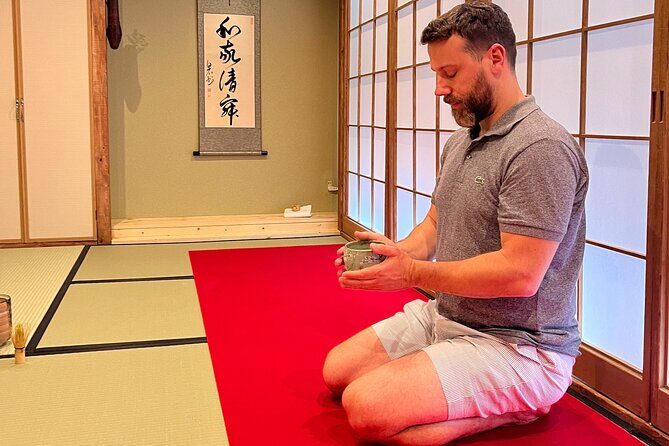
- Learn matcha step-by-step, then make and drink your own bowl
- Tea etiquette and tradition are taught along with the history and meaning
- Family-friendly options include caffeine-free matcha milk for children
- Central Dōtonbori location puts a quiet ceremony within minutes of busy streets
- Mobile ticket makes entry simpler on the day
Dotonbori meeting point and what 45 minutes really feels like
This experience takes place in central Osaka, right in the Dōtonbori area—one of the most energetic parts of town. The ceremony itself is short (about 45 minutes), but in practice you may feel like it lasts closer to an hour since you’ll have time to watch, practice, and settle into the calm rhythm.
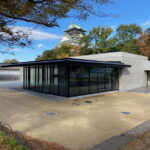
You’ll start at Tea Ceremony Osaka The Osaka (茶道体験The Osaka), in Chūō Ward, Dōtonbori. The address is listed as 1-chōme Higashi-5-26, in a building marked as the Osaka tea ceremony spot on the 2F (2nd floor).
Here’s the key planning tip: the data specifically warns about an easy mistake—using 1-5-26 instead of 1-chōme Higashi-5-26. If you copy-paste or type quickly, you can end up at the wrong place. Bring up Google Maps and search the business name exactly: tea ceremony osaka the osaka, then confirm the Higashi part is visible.
Also look at the time you’re arriving. The host needs a clean start to guide you through the sequence, and the class format is built around doing everything in order—so aim to be there a few minutes early.
You can also read our reviews of more tours and experiences in Osaka.


What you learn: matcha, tools, etiquette, and the reason behind the ritual
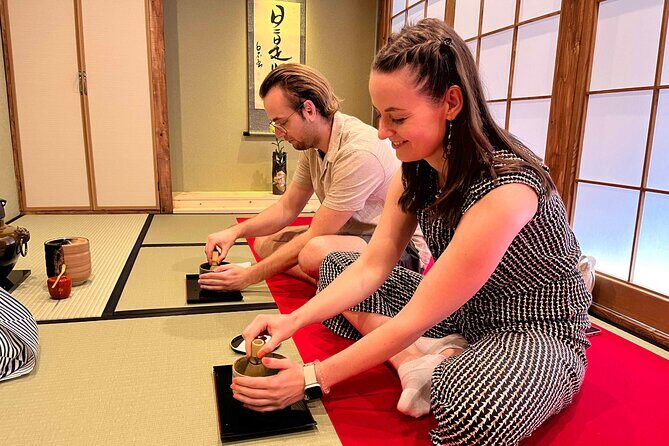
This class is built around Japanese tea ceremony culture, not just a quick matcha taste. You’ll learn how to prepare matcha, yes—but you’ll also learn how the host connects the process to tradition, etiquette, and how the experience is meant to make everyone feel like part of the same moment.
A big reason this works well for first-timers is that the instruction is hands-on. You don’t just watch someone whisk tea; you get taught the proper way to handle the tools and follow the steps the way the ceremony intends.
The focus typically includes:
- Tea ceremony etiquette (how to serve and how to receive the cup)
- Culture and traditions of the tea ceremony, including its historical significance
- How to make and drink matcha correctly, not randomly
If you’re traveling with a child, this matters even more. The class is family-friendly, and the description notes caffeine-free options for children. That means you can keep the experience centered on the ritual and calm, not on whether your kid can handle caffeine.
The watch-and-learn part: when seeing comes before doing
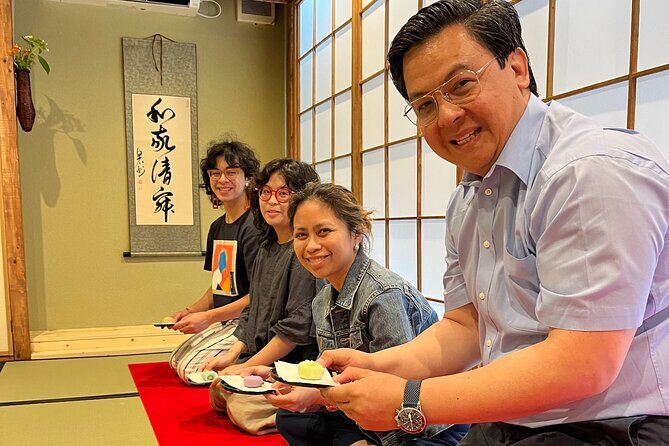
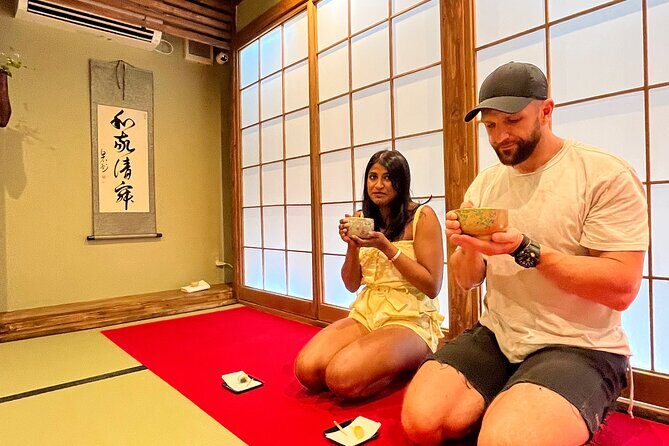
Your session includes a structured flow: you’ll watch the tea ceremony, then you’ll enjoy matcha green tea and traditional sweets. Watching first is a smart design choice. It helps you understand what you’re supposed to do before your turn, so your own bowl doesn’t feel like a mystery quiz.
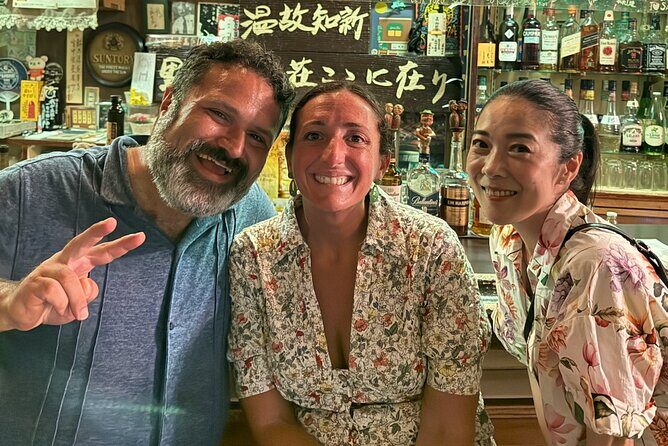
In the reviews, the hosts are described as warm and engaging, with instruction that’s clear enough for visitors who are new to matcha. Some guests even mention a lighthearted moment—things like a fun take on the ceremonial foot shuffle, plus playful sound effects used during instruction. That kind of tone is useful: it keeps the ceremony respectful, but it’s not stiff or intimidating.
You’ll also get served tea during the ceremony portion. That’s part of the value because you get both:
1) the process as a performance, and
2) the chance to taste the result right away.
Making your own matcha: the hands-on highlight
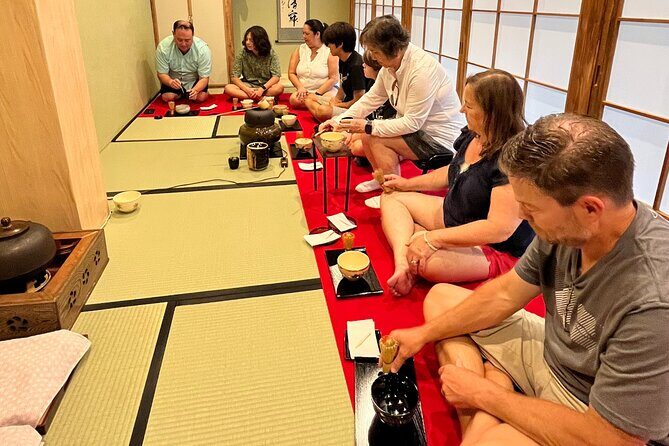
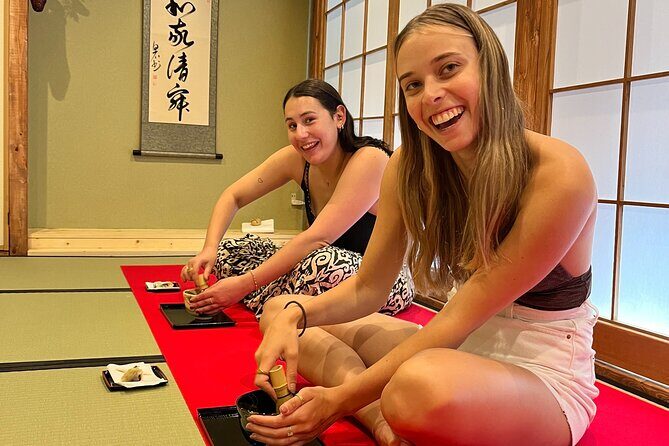
The main payoff is that you make and drink your own matcha. This changes the whole experience from sightseeing into a skill you can repeat later.
In practical terms, you’ll learn how to prepare matcha using the tools and technique taught by the instructor, and then you’ll taste what you made. Several reviews mention that guests were taught not only how to make matcha, but also the proper way to serve and drink it.
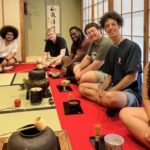
Hosts named in past sessions include Kazu and Mai. Even if your guide is someone else, the pattern from the feedback is consistent: the teaching is step-by-step, the group stays small, and the host makes sure everyone gets a turn.
One more useful detail: the session is described as interactive, not lecture-heavy. That’s a big deal in Japan when you might worry you’re just watching ceremonies you don’t understand. Here, you’re participating.
Kids, caffeine-free options, and age limits to know early
If you’re traveling as a family, you’ll like that the class is explicitly family-friendly. The info states that children can have caffeine-free matcha milk, which is a practical solution for kids who can’t (or shouldn’t) have traditional matcha.
But there’s one age rule that you should not ignore: if you’re accompanied by a child under the age of 5, you need to contact in advance, because they cannot join the regular plan. The description also notes that children under 5 may not be allowed to enter even if they have an adult ticket.
So plan early if you’re traveling with toddlers. If your child is older, you can expect a caffeine-free option such as caffeine-free matcha milk for children, which makes it easier to keep everyone included.




Sweets and the calm break from Dotonbori energy
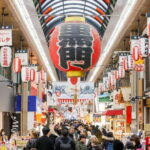
Dōtonbori is famous for its neon, crowds, and constant motion. That’s exactly why pairing it with a tea ceremony works. The ceremony gives you a controlled pause: slower pace, focused attention, and a quiet “reset” right in the middle of the city.
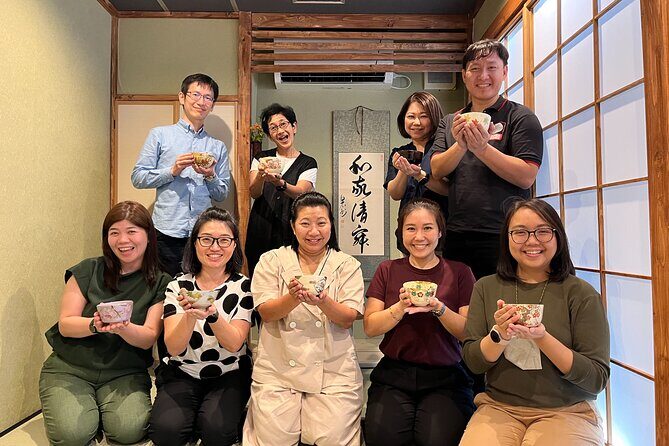
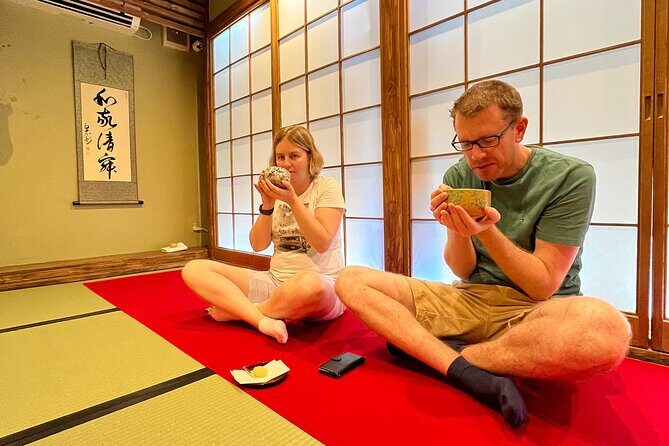
After the ceremony segment, you’ll enjoy traditional Japanese sweets along with the tea. Reviews frequently describe the experience as relaxing and educational, and several people mention the contrast between the tranquility of the tea room and the nearby Dōtonbori atmosphere.
For many first-time visitors, this is the best kind of cultural stop. You’re not only learning the theory—you’re experiencing how the ritual changes your attention. Even in a short 45-minute session, that shift can feel memorable.
And yes, you don’t need to dress up. One review specifically notes it was a quick, informal small-group format without needing traditional attire. That makes it easier to fit into a day that’s already packed.
Value check: is $20.69 a good deal in Osaka?
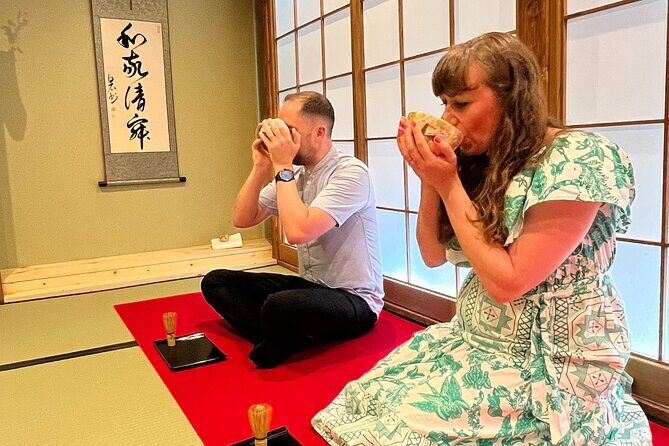
At $20.69 per person, this can feel like a bargain if your goal is a real cultural activity with hands-on time. You’re not only tasting tea. You’re learning a process, watching a demonstration, making matcha yourself, and eating sweets during the experience.
The value gets stronger because:
- Group size is limited to a maximum of 15 travelers
- You get personal attention in a small group setting
- You leave with the confidence to prepare matcha more properly at home
- Children-friendly drink options are available
If you normally pay a similar amount for a museum ticket, this class gives you something more participatory. It’s also a good choice when you only have a short window in Osaka and want something calm that still feels distinctly Japanese.
Who should book this matcha ceremony class
You’ll probably love it if:
- You’re in Osaka for the first time and want a cultural experience that’s easy to understand and do
- You want a short activity that fits into a day in Dōtonbori
- You like hands-on learning more than passive sightseeing
- You’re traveling with kids who may need caffeine-free matcha milk
It’s also a solid pick if you want something calm before or after a busy day. Reviews repeatedly mention how guests felt peaceful and mentally reset after the ceremony—so treat it like a scheduled breather.
If you’re the kind of traveler who prefers very formal, long ceremonies, you might find this style more casual and time-efficient. But for most people, that trade-off is the point: you get the core of tea culture without committing to a longer block of time.
Planning tips that save you time (and stress)
A few practical ideas to make the day smoother:
- Confirm the meeting address carefully. Use the Google Maps app search term tea ceremony osaka the osaka, and double-check that it shows 1-chōme Higashi-5-26.
- Arrive a few minutes early. The experience starts and ends at the meeting point, and the flow matters in a short session.
- Bring curiosity about etiquette. Even if you’ve seen tea ceremonies before, the serving and drinking instructions are part of the lesson.
- If you’re with kids under 5, contact ahead. The regular plan won’t include them, even with an adult ticket.
Should you book Tea Ceremony Osaka in Dotonbori?
Yes, if you want a meaningful Osaka cultural moment with hands-on matcha and a host-led explanation of etiquette and tradition. The strong reviews and the high recommendation rate point to consistent quality, especially around clarity, warmth, and the fact that the ceremony feels calm rather than rushed.
I’d say book it sooner rather than later if your itinerary includes Dōtonbori and you want an experience that balances the city’s noise with a quiet, teachable ritual. Just be careful with the address (that Higashi detail is important), and double-check the child age rules if you’re traveling with a younger one.
FAQ
How long is the tea ceremony experience?
It’s listed at about 45 minutes.
Where is the meeting point for the tea ceremony?
The start location is Tea Ceremony Osaka The Osaka (茶道体験The Osaka), 1-chōme Higashi-5-26, Dōtonbori, Chūō Ward, Osaka, on 2F.
Is the experience family-friendly for children?
Yes. The class is described as family-friendly, and it includes caffeine-free options for children.
Do children get a caffeine-free drink?
For children’s matcha, the experience offers caffeine-free matcha milk.
Can a child under 5 join the regular plan?
No. If you’re accompanied by a child under age 5, you must contact in advance because they cannot join the regular plan, and children under 5 may not be allowed to enter even with an adult ticket.
Will I get to make matcha, or only watch?
You’ll do both. You’ll watch the ceremony and enjoy matcha and sweets, and you can also make and drink your own matcha.
Is the group small?
Yes. The activity has a maximum of 15 travelers, and it’s described as a small-group experience.
What if I need to cancel?
Free cancellation is available. You can cancel up to 24 hours in advance for a full refund. If you cancel less than 24 hours before, you won’t receive a refund.