REVIEW · KYOTO
Kyoto Kiyomizu Tea Ceremony with Scenic Garden Views
Book on Viator →Operated by 茶道体験 阪口庵 · Bookable on Viator
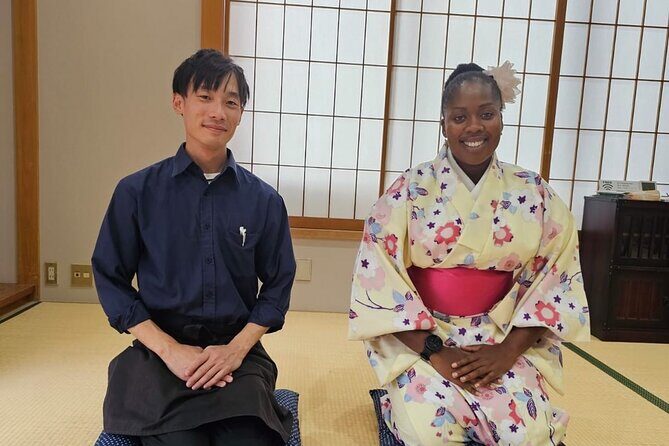
Matcha tastes different when you learn the ritual. At Tea Ceremony SAKAGUCHIAN (茶道体験 阪口庵) in Kyoto’s Kiyomizu area, you get a calm tea session paired with big garden views, guided step by step by a tea master. It’s a small-group format (max 12), so you’re not yelling over anyone to find the right bowl.
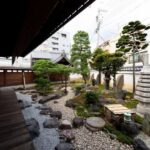
My favorite part is how much care goes into each movement, from purifying the tools to whisking matcha until it turns frothy. I also like that the setting isn’t generic: large windows frame a Japanese garden where the season changes the mood of the whole room.
One big consideration: this is not a good fit if you have trouble with feet or knees. The ceremony is traditional in a way that expects you to sit comfortably and follow along closely.
In This Review
- Key things to know before you go
- Kyoto’s SAKAGUCHIAN teahouse: garden windows and a calm start
- The 45-minute flow: from utensil purification to your second cup
- Matcha from scratch: why the technique changes the taste
- Wagashi and pairing: a sweet reset between cups
- How the small-group format makes the experience feel personal
- Value check: does $50.87 make sense here?
- What to do before you arrive: socks, shoes, and comfort
- Should you book the Kyoto Kiyomizu tea ceremony?
- FAQ
- Where does the tea ceremony start and end?
- How long is the Kyoto Kiyomizu tea ceremony?
- What’s included in the ticket price?
- Is kimono rental or video recording included?
- Who should avoid this experience?
- What if the weather is poor or I need to cancel?
Key things to know before you go
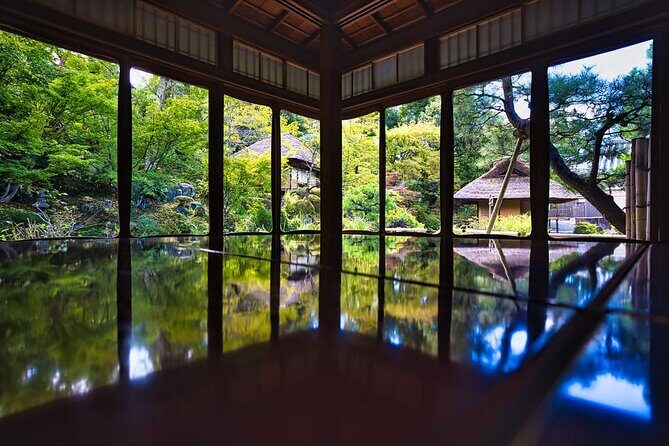
- SAKAGUCHIAN teahouse views: Large-window garden scenery while you learn the tea steps
- Small-group feel: Up to 12 people, designed to stay personal
- Two cups of matcha: You drink both and also learn how to make the second
- Wagashi included: Traditional Japanese sweets paired with your tea
- Photo included: Included as part of the experience
- Socks matter: Bring or wear socks, since it’s a shoes-off indoor cultural activity
Kyoto’s SAKAGUCHIAN teahouse: garden windows and a calm start
The meeting point is at Tea Ceremony SAKAGUCHIAN (茶道体験 阪口庵), on Kiyomizu in Higashiyama Ward. Even before the ceremony begins, the vibe is the point: you’re in a traditional teahouse area near one of Kyoto’s most famous sights, but you’re not stuck in the noise of the street.
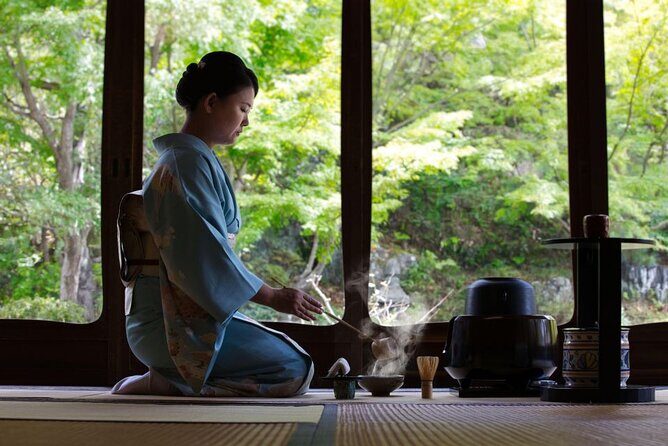
What makes this location especially appealing is the way the room opens toward the outside. You’ll be seated with garden views, and the windows are large enough that the plants feel like part of the experience. Depending on the season, you’ll notice how the garden changes the temperature of the whole session—more quiet in cool months, more airy in warmer ones.
This is also where the small-group size matters. With a maximum of 12, you’re more likely to hear the guidance clearly and ask questions without the whole thing turning into a crowd-control exercise. If you want Kyoto culture without the chaos, this format is built for that.
You can also read our reviews of more tours and experiences in Kyoto.


The 45-minute flow: from utensil purification to your second cup
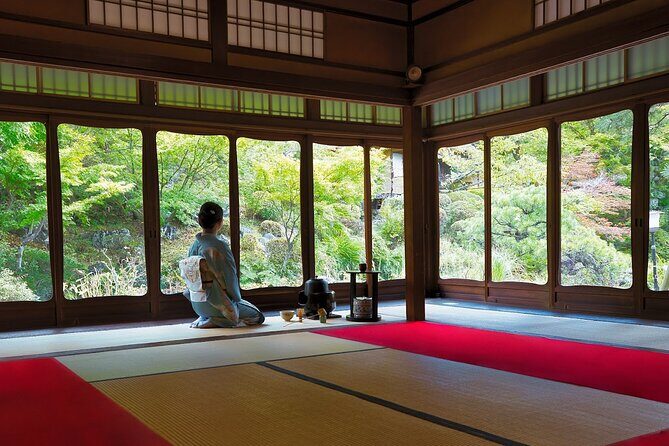
The session runs about 45 minutes (and it often lands close to an hour in practice). You’ll follow a structured rhythm that keeps you from feeling lost, but still gives you time to actually watch and then participate.
Here’s what the experience typically looks like in the room:
First, you enter and settle in with the sense that this is not a quick tasting. You’re guided through the context and etiquette enough to help you understand what you’re seeing, not just mimic it. Then you move into the main sequence where the tea master performs the steps in order.
A key moment is the purification part—when utensils are cleaned before making tea. It sounds simple, but it’s one of the clearest “why” moments in the ceremony: cleanliness here is symbolic, tied to respect for the tea and the guests.
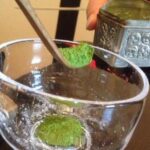
Next comes whisking matcha. You’ll watch the movements, then you’ll learn the proper technique yourself—how to handle the tea bowl and how to whisk for the right froth. The goal isn’t athletic perfection; it’s doing it with the same patience the ceremony expects.
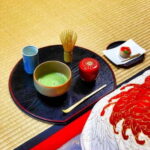
Finally, you finish with wagashi—traditional Japanese sweets—paired alongside your matcha cups. There’s a natural pacing to it: the ceremony gives you a slower, more deliberate break from sightseeing.
Matcha from scratch: why the technique changes the taste
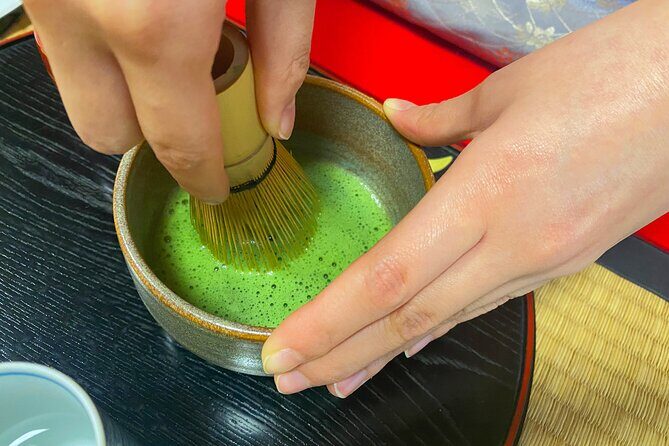
Most tourists meet matcha as a bottled drink or a menu item. This experience treats matcha as a craft, and you’ll feel the difference right away once you see the process.
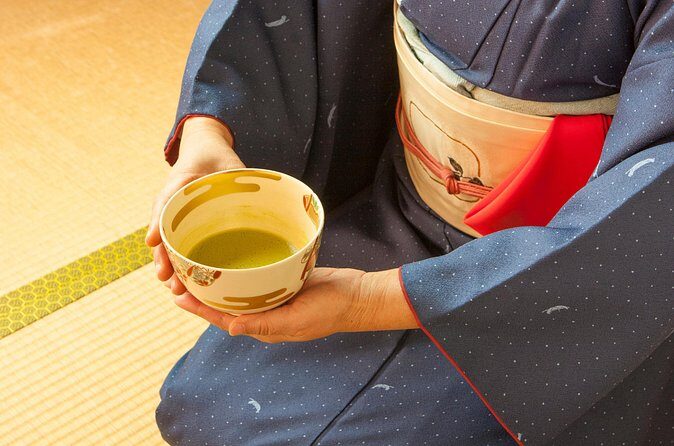
You start with matcha made by a tea master, using the ceremony’s method and tools. Then you get instruction so you can make and whisk the second cup yourself. That small shift—from watching to doing—helps you understand how the texture forms. When the whisking technique is right, the matcha isn’t just green and bitter. It’s creamy, frothy, and more layered on the tongue.
The tea master’s movements are also part of the “taste lesson.” When the steps are precise, you aren’t wondering what to do next. You can focus on what changes as the matcha comes together: the aroma, the foam, and the way the bowl feels in your hands.
If you’re the kind of person who enjoys the practical side of culture—how it’s made, not just what it is—this is the part you’ll remember. It’s also where questions can pop up easily. The guide and tea master are there to explain what you’re seeing, not just guide you through it.
Wagashi and pairing: a sweet reset between cups
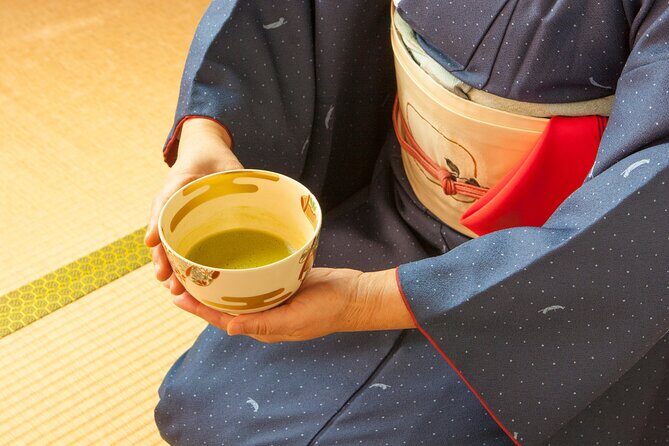
You’ll receive wagashi (traditional Japanese sweets) as part of the ceremony. In this setting, the sweets aren’t an afterthought or a sugary distraction—they’re timed into the flow so they balance the matcha.
The pairing works because matcha isn’t mild. It has a distinct flavor and a dryness that makes a well-chosen sweet feel like relief, not overload. The wagashi also adds texture, often soft and delicate, so the experience feels rounded instead of purely “tea only.”
One practical tip: eat the wagashi slowly. The ceremony pacing encourages it. If you try to rush through the sweets, you’ll miss the contrast moment—what the sweet does to the taste as you go back for your next sip.
How the small-group format makes the experience feel personal
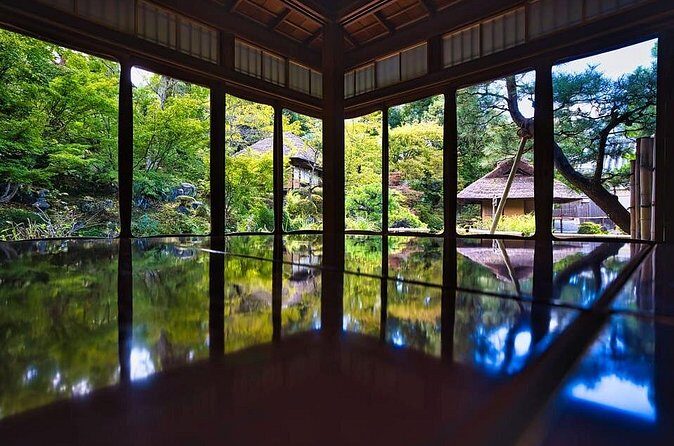
This activity caps at 12 travelers, and that changes the whole dynamic. In bigger sessions, you can end up as background noise, watching a performance from the far edge. Here, you’re close enough to follow the motions and to understand what you’re being taught.
It also keeps the explanations more useful. You can hear the guidance and ask questions about the ceremony’s meaning, not just the mechanics. Several visitors highlight that the host and tea team answer questions with care, with enough time for the group’s curiosity to land properly.
Another underrated benefit of a smaller group is that it helps you stay present. Kyoto sightseeing can be constant walking, photos, and navigation. This gives you a structured pause—quiet, seated, and slow—without feeling like you’ve signed up for a long sit-through.


Value check: does $50.87 make sense here?
At $50.87 per person, this isn’t the cheapest thing you’ll do in Kyoto. The question is whether you’re paying for a true tea experience or a quick tourist stop.
Here’s what you’re actually getting for the money, based on what’s included:
- 2 cups of matcha
- wagashi (traditional sweets)
- a photo included with the experience
- a small-group session with a tea master and guidance through the process
When you compare that to typical “tea tasting” formats, you’re paying for participation: you don’t just drink, you learn how the tea is made, and you get a ritualized walkthrough of the tools and etiquette.
Still, a realistic note: the session is short. At least one review felt it was brief for the price, and that’s fair. If you’re expecting a long, multi-course cultural deep session, you may want to manage expectations and think of this as a focused, high-quality highlight.
If you want something that’s calmer than a museum but more instructive than a casual café matcha tasting, the value works. If you’re price-sensitive or only want a quick snack, you might decide it’s not for you.
What to do before you arrive: socks, shoes, and comfort
This is one of those experiences where small preparation makes your life easier.
Plan for indoor footwear rules. A review specifically recommends bringing or wearing socks, which is a strong hint that shoes-off comfort matters here. I’d pack a clean pair just in case you’re asked to comply on arrival.
Also, be honest with yourself about physical comfort. The experience is not recommended if you have issues with feet or knees. Even if you’re generally mobile, a traditional tea posture and the time spent sitting can be uncomfortable if your joints don’t cooperate.
If you’re comfortable sitting for close to an hour, you’ll likely find the pace relaxing rather than demanding.
Should you book the Kyoto Kiyomizu tea ceremony?
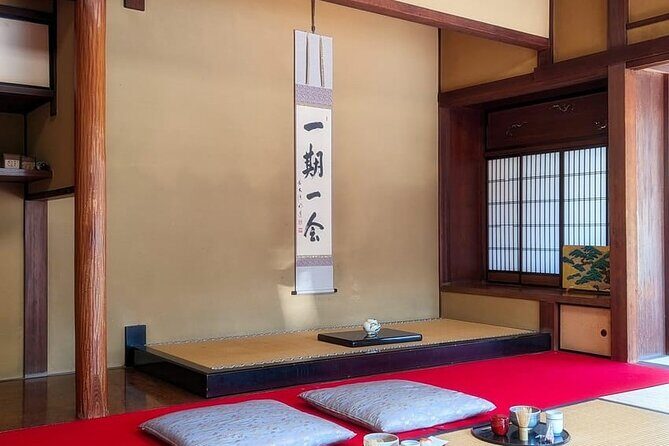
I think you should book this if you want a Kyoto experience that slows you down. The garden-window setting, the small-group limit, and the real matcha-making instruction make it more than a simple activity. You’ll come away understanding not only what matcha is, but how it’s treated with respect in the ceremony.
Skip it if you have trouble with feet or knees, or if you only want a quick drink and don’t care about the process. Also, if you’re expecting a long lesson, the session is short, so budget it as a concentrated highlight rather than a full-day cultural program.
If you want a gentle break from walking Kyoto, this is a strong choice.
FAQ
Where does the tea ceremony start and end?
The experience starts at Tea Ceremony SAKAGUCHIAN (茶道体験 阪口庵), 3-chōme-334 Kiyomizu, Higashiyama Ward, Kyoto, 605-0043, Japan. It ends back at the meeting point.
How long is the Kyoto Kiyomizu tea ceremony?
The duration is approximately 45 minutes.
What’s included in the ticket price?
The ticket includes 2 cups of matcha, wagashi (traditional Japanese sweets), and a photo.
Is kimono rental or video recording included?
No. Kimono rental and video recording are not included.
Who should avoid this experience?
The tour is not recommended for people with bad feet or knees.
What if the weather is poor or I need to cancel?
This activity requires good weather. If it’s canceled due to poor weather, you’ll be offered a different date or a full refund. There’s free cancellation: you can cancel up to 24 hours in advance for a full refund, and changes less than 24 hours before start time aren’t accepted.