REVIEW · TOKYO
Private Harajuku Omotesando Architecture Walking Tour
Book on Viator →Operated by Showcase Tokyo Architecture Tour · Bookable on Viator
Harajuku architecture hits you fast. This private walking tour of Harajuku and Omotesando mixes Olympic-era context with modern design stops, from landmark stadium views to brand buildings you’d normally just pass by. You’ll get a route you can tweak around your interests, plus a guide who explains what you’re seeing and why it matters.
I especially love two things: the tour’s customizable pace and focus, and the way the guide uses lots of visual support. Many guides show photo sets on paper notebooks or tablets, and they’ll often adjust the plan if it’s hot. One built-in bonus is a cozy pause with drinks and a break at a low-key backstreet cafe, so the walk doesn’t feel like non-stop sightseeing.
One drawback to consider: you’ll be walking for about 3.5 hours and it’s physically active even at a relaxed pace. Also, English clarity can vary by guide; at least one past participant had trouble fully following a guide’s explanations, so if that’s a concern for you, ask for a guide noted for very clear English when booking.
In This Review
- Key things you’ll notice on this Harajuku and Omotesando walk
- The point of Harajuku-and-Omotesando architecture (and why it’s worth your time)
- Price and value: what $132.14 buys you here
- Where the walk starts and ends, and how the flow feels
- Stop 1: Meiji Jingu area, then the Olympic connection to Yoyogi Gymnasium
- Omotesando fashion streets: where brand buildings become architecture
- Backstreet side trips: the neighborhood texture you don’t get on the main route
- Additional modern icons you may see (depending on your custom route)
- How the guides make it work: photos, floor-plan thinking, and flexibility
- What makes the walk feel private (and not just a normal group tour)
- Timing and movement: what to expect from the 3.5-hour format
- Practical tips that make this kind of tour easier
- Who this tour is best for
- Should you book this Harajuku Omotesando Architecture Walking Tour?
- FAQ
- What’s the duration of the Private Harajuku Omotesando Architecture Walking Tour?
- Where does the tour start and end?
- How much does the tour cost?
- Is this tour private?
- What’s included in the price?
- Is hotel pickup or drop-off included?
- What level of fitness is required?
- What should I expect to see?
- Are tickets mobile?
- What’s the cancellation policy?
Key things you’ll notice on this Harajuku and Omotesando walk
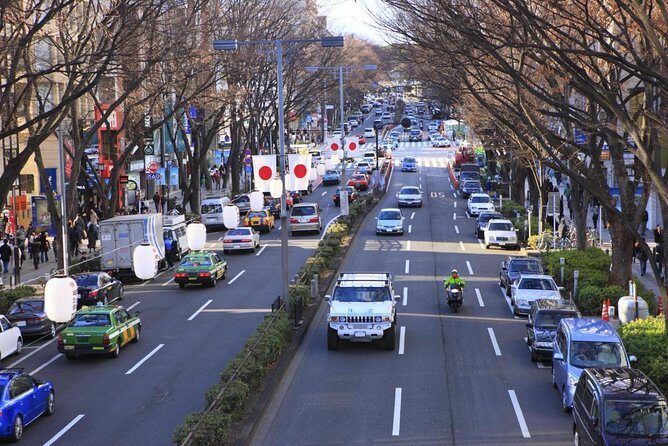
- Olympics-to-now design story: you start with Meiji Jingu area context and then connect it to Olympic-era architecture like Yoyogi Stadium by Kenzo Tange
- Architecture inside fashion streets: brand buildings along Omotesando, including stops like Prada, Dior, Louis Vuitton, Tod’s, and more
- Stops beyond the main drag: a side trip into backstreets where the area’s character changes fast
- Guide visuals that make details click: many guides use documented photos, and some share floor-plan style context or where to stand for best angles
- Modern icons you might get on your route: possibilities include Tokyo Plaza Harakado (Akinisa Hirata), Herzog and de Meuron’s Prada glass, and Tadao Ando’s Collezione (half underground)
- Real downtime: the tour includes a short cafe break so you can reset before the next stretch
The point of Harajuku-and-Omotesando architecture (and why it’s worth your time)
Harajuku and Omotesando can look like two different Tokyos on the same block. On one side, you get fashion energy and brand facades. On the other, you get design thinking: shape, materials, light, and city planning tricks that turn a shopping street into a kind of outdoor museum.
This tour is built for people who notice details. You don’t just walk past buildings; you learn how modern architects approached public space, brand identity, and even how visitors move through the frontage. If you like Olympic landmarks too, the route ties the area’s post-war momentum to what you see today.
You can also read our reviews of more walking tours in Tokyo
Price and value: what $132.14 buys you here
At $132.14 per person for about 3 hours 30 minutes, the value depends on what you want from a guided walk.
For me, this price makes sense because you’re paying for three practical things:
- A private licensed guide (not a big-group script)
- A route that can be customized to your interests
- Extra explanation time, often with documented photos and visual aids tied to specific architects and buildings
If you only want quick highlights, Tokyo has lots of self-guided options. But if you care about architecture and want names, design decisions, and comparisons—not just postcard views—this format is easier on your brain and better for your feet.
Where the walk starts and ends, and how the flow feels
The tour starts at Meiji Jingu (Harajuku Eki), near 1 Yoyogikamizonocho, Shibuya (151-0052). Your meet-up point is right by the shrine area, which is a strong opener because it gives you a grounding in Tokyo’s older cultural core before you jump into modern design.
The walk concludes around the Omotesando and Aoyama-dori intersection, in front of Mizuho bank, near 5-chōme-1-27 Minamiaoyama, Minato City. That end point is convenient because it lands you right in the Omotesando/Aoyama transport corridor, which makes it simpler to keep exploring afterward.
Because it’s a private tour, you’re not squeezed into a crowd rhythm. Your guide can slow down for questions, or speed up if you’re hungry for more buildings.
Stop 1: Meiji Jingu area, then the Olympic connection to Yoyogi Gymnasium
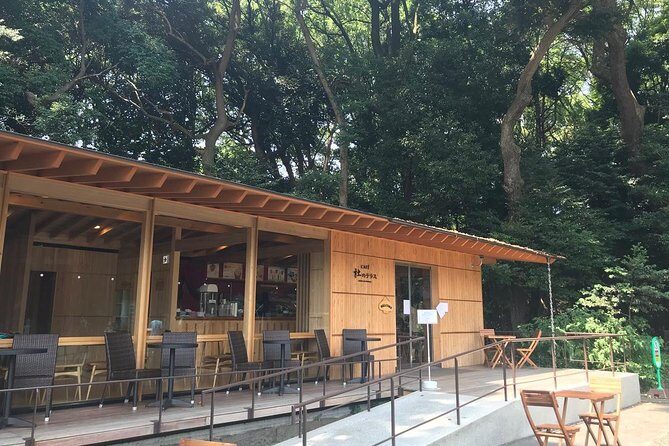
The tour kicks off in front of Meiji Jingu Shrine. Even if you’re not here to do a full shrine visit, the timing works well: you begin in a calm, recognizable Tokyo scene and then shift from traditional space into modern landmarks.
From there, you’ll admire Tokyo’s Yoyogi Gymnasium (also known as Yoyogi Stadium) by Kenzo Tange, typically from a distance. That choice is smart for a walking tour. You get the big architectural “why” without burning time fighting with crowds right at the doorstep.
What I like about starting this way is how it frames modern architecture as something with a purpose. Instead of treating later stops as random brand buildings, you get the sense that this part of Tokyo grew into a stage for global attention—especially through the Olympics-era design wave.
Omotesando fashion streets: where brand buildings become architecture
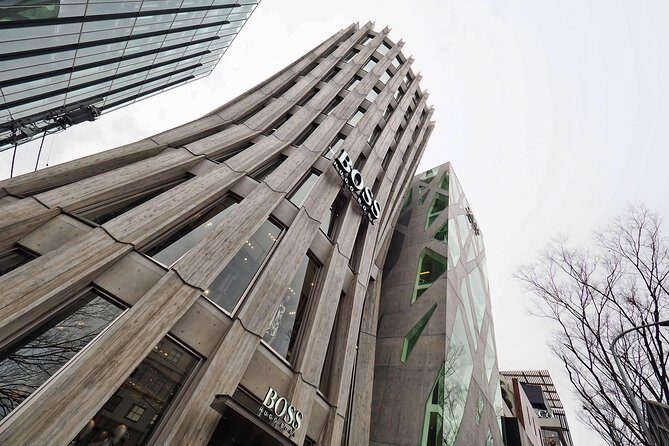
After the initial landmark view, the walk moves into the part people usually think of as shopping. But here, the guide helps you see it differently: the buildings aren’t just storefronts; they’re designed experiences.
Expect stops that focus on contemporary brand architecture, with examples like:
- The Iceberg
- Dior
- Louis Vuitton
- Tod’s
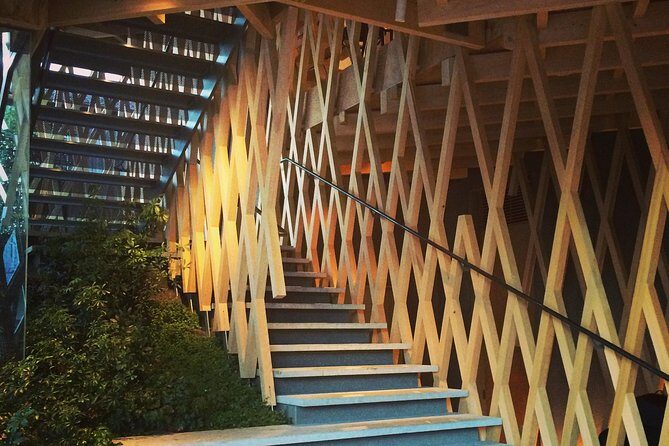
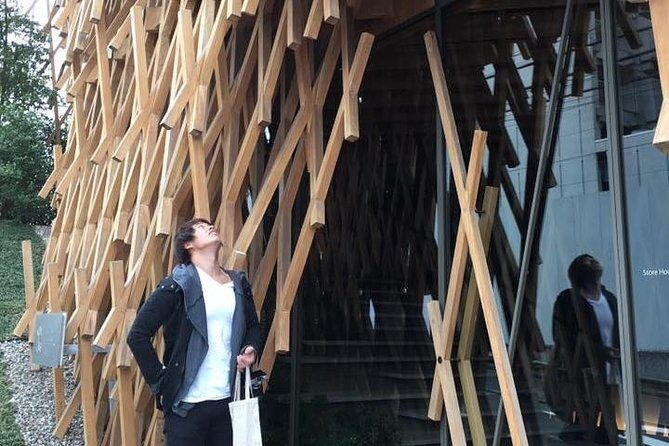
- Sunny hills
- Prada
This is one of the most fun parts of the tour because Omotesando is visual. You’ll notice frontage proportions, materials, and how architecture shapes sightlines along the street. Even if you don’t plan to buy anything, you can treat this like a guided photo-walk where your guide tells you where to stand and what to look for.
If you’re the type who cares about curves versus straight edges, transparency, and how buildings handle street-level foot traffic, you’ll get a lot out of these brand stops.
You can also read our reviews of more private tours in Tokyo



Backstreet side trips: the neighborhood texture you don’t get on the main route
A key element of this tour is a side trip into a backstreet neighborhood. This is where the area stops feeling like a single shopping corridor and starts feeling like an actual living district with variety.
You’ll also get an intentional pause: you sit for a short break while walking and chat. The tour includes a cozy pause with drinks, and it also highlights an under-the-radar cafe option down a vibrant off-the-beaten-track backstreet.
Here’s the practical benefit: you recover your legs and recharge your attention. Architecture can get intense when you’re walking quickly between buildings. This break keeps the day from turning into visual overload.
Additional modern icons you may see (depending on your custom route)
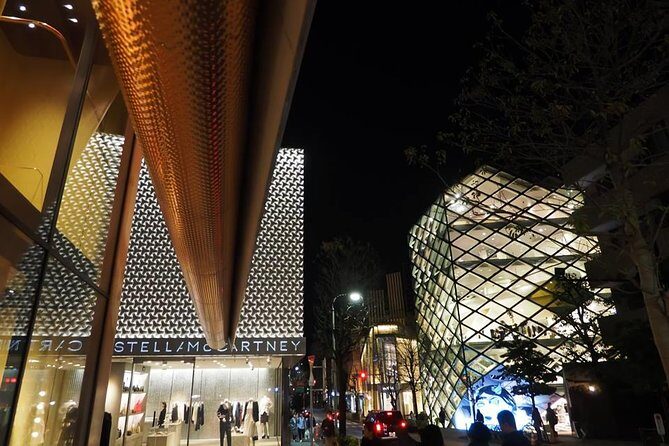
Because the tour is customizable, the exact set of buildings can shift to match your priorities. That said, the broader architecture focus often includes major modern names and high-design spaces.
You might get to see (or at least view key angles of) some of these:
- Tokyo Plaza Harakado by Akinisa Hirata, including mention of a planted rooftop vertical garden
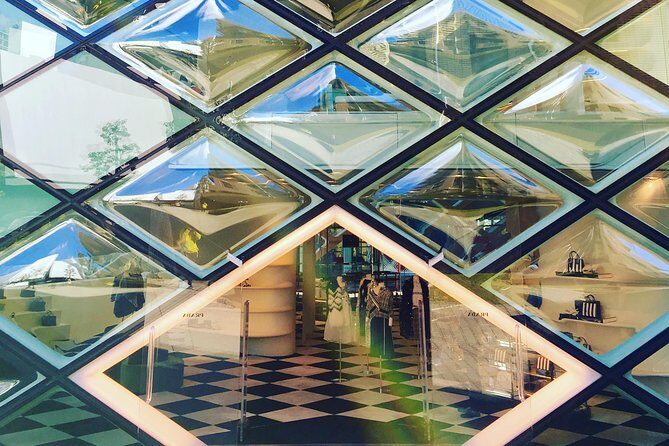
- Prada with convex and concave glass effects tied to work by Jacques Herzog and Pierre de Meuron
- Collezione by Tadao Ando, including the idea of a design with part of the building underground
One participant described the tour as moving through buildings by several Pritzker prize winners within a short distance on Omotesando and Miyuji Avenues. Even if your final route doesn’t hit every named stop, the style of explanation is similar: you get context about architects and what makes the form work.
How the guides make it work: photos, floor-plan thinking, and flexibility
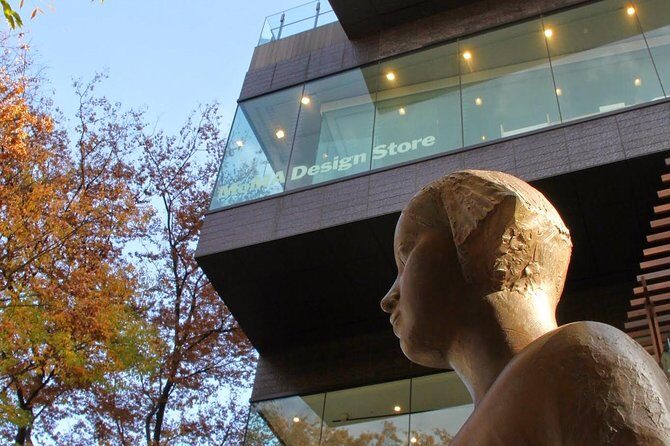
The guides are one of the strongest parts of the experience. Names that show up in past tours include Yoshi, Yoko, Taka, Mari, Aki, Eriko, Junko, and Yuki. What matters isn’t the name on paper; it’s the way many guides come prepared.
A recurring standout: guides show documented photos for each architect, sometimes with floor-plan style references and guidance on where to stand for the best perspective. That’s a big deal for architecture, because your eyes can’t easily separate structure from decoration unless someone points out the patterns.
Another plus: guides adjust on the fly. One past experience noted that the guide increased indoor parts when it was hot outside. That kind of flexibility keeps the tour from feeling rigid or stressful.
There’s also an angle of “friend energy” in some guides. One tour included help navigating the subway after the walk. If you want an easy hand with your next leg of the day, that’s a real bonus.
What makes the walk feel private (and not just a normal group tour)
This is a private tour/activity, meaning only your group participates. That matters because architecture walks work better with conversation than with a silent march.
In a private format, it’s easier to:
- Ask why a building looks a certain way
- Request extra time at a stop you care about
- Skip or shorten something that doesn’t interest you
- Keep the pace comfortable, since you’re not trying to match strangers’ endurance
Custom routes are built into the concept. If you’re more into stadiums and Olympic design, you can spend more time on that thread. If you’re more into material and façade work, you can push the brand-building sections.
Timing and movement: what to expect from the 3.5-hour format
You’re looking at about 3 hours 30 minutes total, with at least one segment described as around 3 hours at the stop 1 level. That’s long enough to cover multiple zones without sprinting, but short enough that you won’t feel like you lost your whole day.
Because it’s walking-based, you should dress for comfort. This tour is listed as requiring moderate physical fitness, so bring shoes you can trust for long city walking. Expect you’ll do more than a gentle stroll between storefronts and architecture angles.
Also, plan your morning or afternoon so you’re not late for dinner reservations right after. You’ll want a little buffer while you transition from the Omotesando/Aoyama-dori finish point to your next plan.
Practical tips that make this kind of tour easier
A few things will help you get more from every stop:
- Bring your questions. Architecture explanations work best when you ask what you’re curious about—materials, form, public space, or the architect behind the concept.
- Use the guide’s photo sets. If your guide shows you images of what you’re about to see, pay attention to the angle they recommend. It often turns a confusing façade into something you can actually read.
- If you’re sensitive to language clarity, consider stating that up front. One past experience mentioned occasional difficulty understanding a guide, so it’s fair to request slower pacing or extra clarification if you need it.
Who this tour is best for
I think this tour is a great match if you:
- Love modern architecture and want specific architect names tied to specific buildings
- Enjoy fashion streets but want a reason to look deeper than logos
- Want a guide-led walk that’s still flexible, so you can steer it toward your interests
It may be less perfect if you:
- Want a casual, low-effort sightseeing stroll with minimal walking
- Prefer to avoid explanations and just want to wander and shop
- Have very limited time and can’t spare about three to four hours on foot
Should you book this Harajuku Omotesando Architecture Walking Tour?
Yes, if you want an architecture-focused day that feels more like a smart conversation than a checklist. The strongest reasons to book are the private guide, the photo-backed explanations, and the mix of Olympic-era context with modern design you can actually see up close.
I’d especially recommend it if you’re the kind of person who enjoys details like how glass curves behave, how buildings shape street movement, or how a famous stadium connects to later design thinking. And because the route is customizable, you’re less likely to feel stuck on stops you don’t care about.
If you’re mostly here for shopping and don’t care about architect stories, you might find the time better spent elsewhere. But if you want Harajuku and Omotesando with meaning, this is one of the easiest ways to make those streets click.
FAQ
What’s the duration of the Private Harajuku Omotesando Architecture Walking Tour?
The tour runs for about 3 hours 30 minutes (approx.).
Where does the tour start and end?
It starts at Meiji Jingu (Harajuku Eki) (1 Yoyogikamizonocho, Shibuya). It ends at Omotesando and Aoyama-dori intersection, in front of Mizuho bank (near 5-chōme-1-27 Minamiaoyama, Minato City).
How much does the tour cost?
The price is $132.14 per person.
Is this tour private?
Yes. It’s a private tour/activity, and only your group participates.
What’s included in the price?
Included are a local licensed tour guide and a cozy pause with drinks along the way.
Is hotel pickup or drop-off included?
No, hotel pickup and drop-off are not included.
What level of fitness is required?
The tour is described as requiring moderate physical fitness.
What should I expect to see?
You’ll cover Harajuku and Omotesando with an Olympics history angle, including stops around Meiji Jingu, views of Yoyogi Gymnasium by Kenzo Tange, and architecture around fashion boutiques such as Prada, Dior, Louis Vuitton, Tod’s, and more. You’ll also have a break at a cafe on backstreets.
Are tickets mobile?
Yes. The tour lists mobile ticket as a feature.
What’s the cancellation policy?
You can cancel for a full refund up to 24 hours before the experience starts. Canceling less than 24 hours in advance does not receive a refund.