REVIEW · TOKYO
Tokyo: Shinjuku Walking Tour with Godzilla Head
Book on GetYourGuide →Operated by Exsighting Tokyo · Bookable on GetYourGuide
Tokyo turns up the volume fast. This 2-hour Shinjuku walk strings together a roaring Godzilla moment and alleyway Tokyo you cannot find at a distance. I like that you start with an eye-catching landmark, then get dropped into the neighborhoods where the city feels real, loud, and slightly chaotic.
Two stops are my favorites. The Godzilla Head rooftop break is pure Tokyo theater, especially since it roars every hour, and you might time it right. I also love the way Shinjuku Golden Gai’s tiny lanes lead you into a maze of personality, with more than 200 tiny bars tucked into narrow streets.
One thing to consider: this is a fast 2 hours. There is no included food or drink, so if you want to snack heavily, you’ll need to plan your shopping and bites around the schedule.
In This Review
- Key Highlights Worth the Steps
- Starting at Shinjuku East Exit’s Giant 3D Cat
- Don Quijote Shinjuku Kabukicho: Discount Store Chaos You’ll Actually Enjoy
- Shinjuku Golden Gai’s 200+ Tiny Bars: Walking Into a Different Tokyo
- The Godzilla Head Rooftop Moment: Hourly Roars and Big-Character Energy
- Tokyu Kabukicho Tower: Shinjuku’s New Landmark in the Middle of Old Noise
- Omoide Yokocho to Finish: Yakitori Stalls and Post-War Atmosphere
- Price and Value: Is $32 Worth a 2-Hour Shinjuku Mix?
- What You’ll Like Most (And Who This Walk Fits)
- Practical Tips Before You Go
- Should You Book This Shinjuku Tour?
- FAQ
- How long is the Shinjuku walking tour?
- Where do we meet the guide?
- What are the main stops on the tour?
- Is food and drinks included?
- Do any of the stops require entrance fees?
- What languages does the guide speak?
- Is the tour wheelchair accessible?
- Are all locations within walking distance?
- How often does the Godzilla Head roar?
- Is there free cancellation?
Key Highlights Worth the Steps
- Godzilla Head roars hourly while you’re in the right place
- Shinjuku Golden Gai packs 200-plus tiny bars into narrow alley corridors
- A giant 3D cat at Shinjuku East Exit gives you a futuristic starting point
- Don Quijote Kabukicho is where shopping turns into a comedy show
- Omoide Yokocho closes with yakitori stalls and post-war vibe atmosphere
Starting at Shinjuku East Exit’s Giant 3D Cat
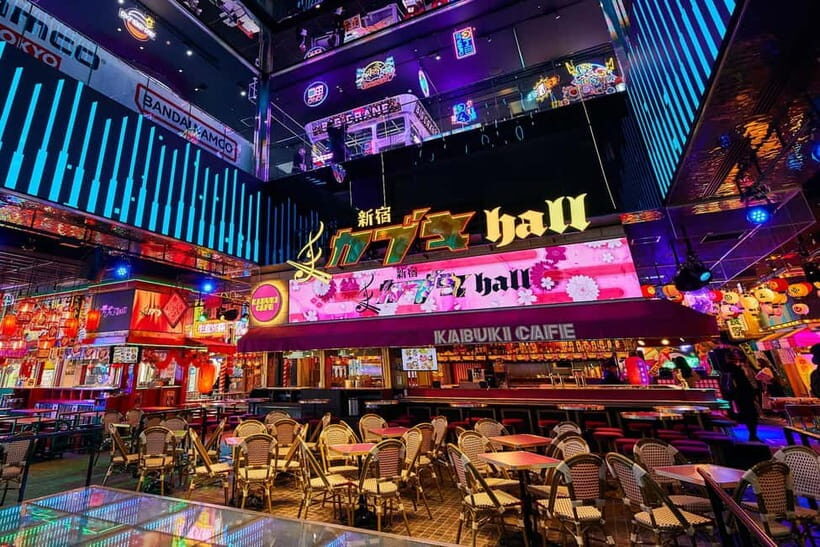
Your walk starts at Shinjuku East Exit Cat, and you meet the guide by finding the man holding a blue A4-sized board. That detail matters more than you’d think in Shinjuku. The area is easy to drift through when you’re sightseeing on your own, but this gives you a clear target.
The first payoff is visual. Above the city sits Tokyo’s most futuristic cat: a big, three-dimensional feline figure that looks like it belongs in a sci-fi movie poster. Even if you’re not the type who gets excited by street art or giant characters, the cat works as a mental bookmark. It signals you’re in the modern side of Shinjuku, where tech energy and neon-style branding meet real crowds.
Why I like this opening: it’s quick orientation, without making you read a map for 30 minutes. You can take a photo, check your bearings, and then shift gears into the older, noisier pocket of the district.
You can also read our reviews of more walking tours in Tokyo
Don Quijote Shinjuku Kabukicho: Discount Store Chaos You’ll Actually Enjoy
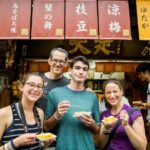
Next up is Don Quijote Shinjuku Kabukicho Store, and yes, it is loud, crowded, and kind of lovable. The tour takes you inside and through a place that’s packed floor to ceiling with snacks and souvenirs, plus plenty of surprises you didn’t know you needed.
Here’s the practical angle. Don Quijote is the kind of store that can be overwhelming if you walk in alone. A guide helps you use the chaos instead of getting stuck in it. You get a sense of what to look for fast, how to shop efficiently, and what kinds of items people usually grab when they want easy, fun takeaways.
Also: this is one of your best chances to buy something small for the day. Food and drinks are not included, so having a store like this on the route means you can snack without hunting afterward.
Possible drawback: if you hate crowded, high-energy retail spaces, this stop might feel like sensory overload. Even then, it’s worth doing at least once. Japan’s discount-store culture is part of the Tokyo experience, not just a place to spend money.
Shinjuku Golden Gai’s 200+ Tiny Bars: Walking Into a Different Tokyo
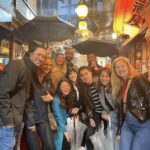
After Don Quijote, you shift from indoor chaos to outdoor alley chaos. Shinjuku Golden Gai is famous for its narrow lanes lined with more than 200 tiny bars. It’s compact, and the atmosphere changes block by block. One moment you’re in a normal street rhythm, and the next you’re threading through tight corridors where the city feels like it’s leaning in.
What I like about Golden Gai on a guided walk is the pacing. You don’t just see alleys. You get help noticing why they feel so particular: the scale, the density of doorways, the way the neighborhood manages to stay intimate even when it’s surrounded by Shinjuku’s big-city noise.
There’s also a day-to-night contrast. By daylight, Golden Gai shows you its nostalgic, old-world charm. At night, it becomes the loud, social version of itself. In a 2-hour tour, you’re mostly seeing the daytime texture, but that still gives you the groundwork to want to return later.
If you’re the type who loves film-set vibes and street-level Tokyo, this is the stop that usually makes people slow down and look up at the doors and signage more than the big landmarks do.
The Godzilla Head Rooftop Moment: Hourly Roars and Big-Character Energy
Then comes the showpiece: looking up at the Godzilla Head from a rooftop. This is the kind of Tokyo moment that feels designed for photos, but the experience is better when you treat it like a real urban spectacle.
The head roars every hour. Your timing might catch it while you’re there, or you might hear it just before you arrive, or shortly after you shift your position. Either way, the key idea is that it’s not a static photo prop. It’s active, and the neighborhood reacts when it hits.
Practical tip: once you hear the roar, keep your camera ready for a few minutes. People reposition quickly around the moment, and the rooftop viewpoint usually gives you more than one angle without leaving your spot.
Why this stop is valuable even if you think you know Godzilla: the contrast. You’re not in a theme park. You’re in real Shinjuku, with real people moving below while this monster performs on a rooftop. It feels like a city that’s okay with being strange in public.
Tokyu Kabukicho Tower: Shinjuku’s New Landmark in the Middle of Old Noise
From there, you head to Tokyu Kabukicho Tower. This part of the walk is about contrast as much as it is about seeing a building.
You take a peek at Shinjuku’s newest landmark rising in the heart of Kabukicho. Think of it as a quick reality check that Shinjuku is not frozen in time. While alleyways keep their character, the city keeps building upward, and new architecture gets placed right inside established chaos.
On its own, it’s a “look up and take it in” stop. But paired with Golden Gai and Omoide Yokocho later, it gives your eyes a better job. You start noticing how Tokyo can keep multiple moods at once: old street texture, neon retail noise, and modern skyline shapes all within walking distance.





Omoide Yokocho to Finish: Yakitori Stalls and Post-War Atmosphere
Your tour ends at Omoide Yokocho, a smoky maze of yakitori stalls with a post-war atmosphere that still feels lived-in. This is the final mood shift: from rooftop spectacle and modern landmark peeks back to street-level food energy.
Omoide Yokocho works best as a walk-through experience. The lane is narrow, stall life dominates the space, and the whole area feels like it’s been doing the same thing for decades. Even if you’re not planning to eat right then, the visual and sensory vibe is part of why people come.
Since food and drinks aren’t included, you’ll want to decide what you want to do in the moment. If you want a full meal, you’ll need to budget time after the tour. If you prefer snacks, you can often grab something light and keep exploring Shinjuku after your guide drops you off.
The real reason this stop lands: it gives you a strong reason to return. It’s the kind of place where daylight isn’t the whole story, and night feels like when the neighborhood actually turns on.
Price and Value: Is $32 Worth a 2-Hour Shinjuku Mix?
At $32 per person for 2 hours, the value depends on what you want from your time in Tokyo. This is not a long excursion. It’s a targeted sampler of Shinjuku’s biggest personalities, and it includes guided visits to six specific locations.
Here’s what you’re getting for the price:
- A live guide in English and Japanese who helps you move through the district without second-guessing where to go next
- A route that combines high-recognition sights (Godzilla Head, Don Quijote) with smaller-feel experiences (Golden Gai lanes, Omoide Yokocho stalls)
- Visits to places that require no entrance fees
The biggest “value” isn’t a paid attraction ticket. It’s context. When you’re walking dense neighborhoods, a good guide saves time and helps you notice what matters. Reviews for the experience highlight that the guide shows up on time, is friendly, and can tailor the experience to what you’re most into, which is exactly what you want on a short tour.
The one cost you’ll still handle yourself: food and drinks. If you like to eat while sightseeing, you’ll probably spend extra. If you’re fine with grabbing snacks at Don Quijote and treating Omoide Yokocho as a vibe stop, you can keep spending controlled.
What You’ll Like Most (And Who This Walk Fits)
This tour is a great match if you want Shinjuku in one package, and you like variety. You’ll get:
- A character spectacle moment with Godzilla
- A street-alley neighborhood experience in Golden Gai
- A chaotic shopping stop that’s almost like a Tokyo ritual
- A final walk into yakitori-stall atmosphere
You’ll also enjoy it if you want an easy plan without having to research every turn. Everything is within walking distance, and no entrances are required for the stops.
It’s especially good for:
- First-timers who want a guided hit list in a compact area
- People who enjoy photos but also want the street-level texture behind the photos
- Anyone who likes Tokyo at street volume: neon, alleys, snacks, and small spaces
If you hate crowds or loud retail, you may find Don Quijote or Golden Gai a bit intense. In that case, the guide’s ability to adjust your pace can help, but you still should know what you’re signing up for.
Practical Tips Before You Go
This tour is short and mostly walking in Shinjuku. That means comfort beats style. Wear shoes that handle uneven pavement and long stands in tight streets.
Also, because food and drinks aren’t included, decide in advance how you want to handle meals:
- Snack during the Don Quijote stop, then treat Omoide Yokocho as the end-of-tour atmosphere
- Or save more appetite for Omoide Yokocho after the tour
Finally, use the Godzilla roars as a mini-game. When it’s close to an hour, look up and get ready. Even if you miss one roar, you’ll still have the landmark moment, and the rooftop setting is the whole point.
Should You Book This Shinjuku Tour?
If you’re spending limited time in Tokyo and you want Shinjuku’s weird, fun, and photographic side without spending hours on planning, I’d say book it. For $32, you get a guided route through multiple iconic pockets, with no entrance fees and no need to figure out how to hop between areas on your own.
If you prefer quiet sightseeing, long museum-style pacing, or you want meals included, this may feel too quick and too street-loud for your taste. But for most people aiming to see real Shinjuku personality in just 2 hours, it’s a strong, efficient choice.
FAQ
How long is the Shinjuku walking tour?
It lasts 2 hours.
Where do we meet the guide?
You meet the guide at Shinjuku East Exit Cat by finding the man holding a blue A4-sized board.
What are the main stops on the tour?
The tour includes Shinjuku East Exit Cat, Don Quijote Shinjuku Kabukicho Store, Shinjuku Golden Gai, Godzilla Head, Tokyu Kabukicho Tower, and Omoide Yokocho.
Is food and drinks included?
No. Food and drinks are not included.
Do any of the stops require entrance fees?
No entrance fees are required for the locations on the tour.
What languages does the guide speak?
The live guide speaks English and Japanese.
Is the tour wheelchair accessible?
Yes, it is wheelchair accessible.
Are all locations within walking distance?
Yes, all locations are within walking distance in Shinjuku.
How often does the Godzilla Head roar?
The Godzilla Head roars every hour.
Is there free cancellation?
Yes. You can cancel up to 24 hours in advance for a full refund.