REVIEW · KYOTO
Hammer Pattering Experience of Ring
Book on Viator →Operated by itoaware-いとあはれ-京都店 · Bookable on Viator
Kyoto turns metal into a personal story. In this Tankin-style workshop in Higashiyama, you create a ring by hammering texture into it, then get help refining the final look so you can wear your souvenir right away. I like that the staff stay close through the full process, and you get to make real design choices like material, thickness, shape, and texture. One thing to consider: this is not full traditional jewelry-making from scratch, and there’s no welding work included.
The workshop is built around one focused goal: texture. You start with a ring that has already been welded or polished (so you’re not doing the welding), and you add your pattern with special tools and hammers while they guide you to a comfortable fit. The biggest drawback is also the biggest clue: if you’re expecting soldering, contouring, and building a ring piece-by-piece, this class won’t match that.
In This Review
- Key Things I’d Pay Attention To
- Hammer Pattering Experience of Ring in Kyoto: What You’re Really Doing
- The one-minute reality check on expectations
- Tankin Texturing: How the Ring-Making Process Flows
- The finish step is not filler
- What You Get to Customize: Materials, Thickness, Shape, and Texture
- If you’re traveling as a group
- Time and Flow: Your One-Hour Kyoto Craft Stop
- Where it starts and ends
- How to plan your day around it
- The Value Math: Why $21.68 Is a Good Deal for This Kind of Souvenir
- Who This Workshop Fits Best (and Who Should Skip)
- Who might be disappointed
- Quick Practical Tips Before You Go
- Should You Book Hammer Pattering in Kyoto?
- FAQ
- FAQ
- How long does the ring workshop take?
- Can I take the ring home the same day?
- Is welding work included in the experience?
- What can I customize during the workshop?
- Where do I meet for the workshop?
- Is the booking confirmed automatically?
Key Things I’d Pay Attention To
- Tankin texture technique: your design comes from hammered patterns, not building from raw metal.
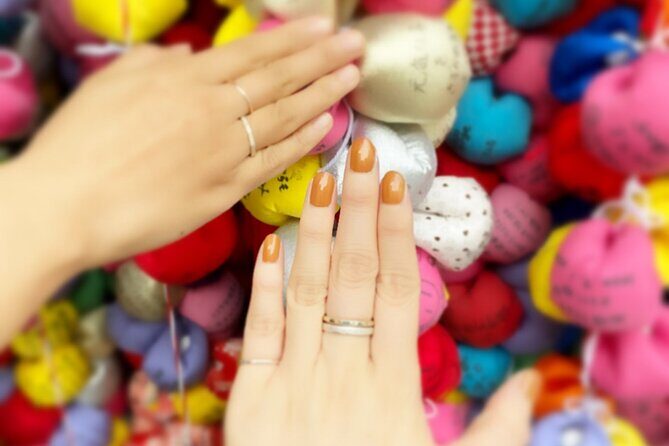
- You choose the details: material, thickness, shape, and texture are all part of the experience.
- No welding step for you: the class adds texture/patterns to rings prepared by the workshop.
- About 60 minutes: fast enough for a half-day plan, long enough to make something you’ll actually keep.
- Help with sizing: they support you through the process so the ring fits your day-to-day life.
- Polished finish included: skilled craftsmen polish and clean the ring at the end.
Hammer Pattering Experience of Ring in Kyoto: What You’re Really Doing
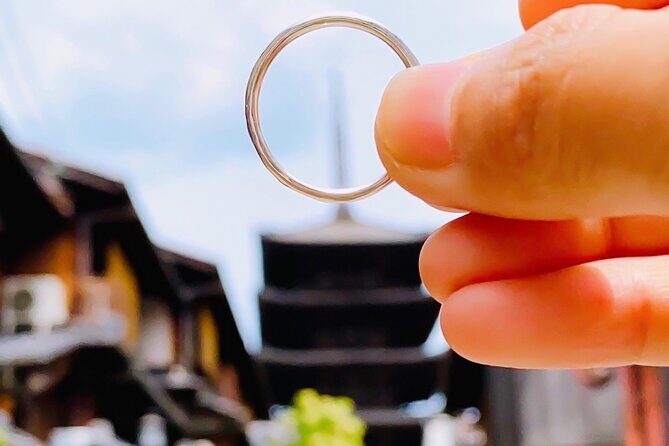
This isn’t a lecture about Japanese jewelry. It’s hands-on making, with a clear, satisfying outcome: you leave with a ring you helped design, finished and cleaned, and ready to take home the same day.
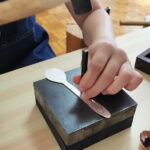
The style is called Tankin, a traditional Japanese method known for creating texture through hammering. The look you’re making comes from controlled hits and the way patterns transfer onto the surface. That means your final ring is not just stamped with a design—it has a tactile, “worked by hand” feel you can see and feel.
I like that the workshop is tightly focused. In about an hour, you move from choosing options to creating texture to getting a polished result. It’s ideal if you want a memorable Kyoto activity without spending your whole day in a craft shop.
You can also read our reviews of more tours and experiences in Kyoto.


The one-minute reality check on expectations
You’re customizing a ring, but you’re not performing every jewelry step. The class specifically says it does not include welding work, and it adds patterns to rings that have already been welded or polished. One review even points out that it’s not the kind of ring-making where you contour metal and solder pieces together.
So if your dream is full “from-scratch” crafting, plan for a different kind of workshop. If your dream is texture, pattern, and a wearable souvenir made with your hands, this fits well.
Tankin Texturing: How the Ring-Making Process Flows
The rhythm of the workshop is simple, and that’s part of the value. You pick your base options first, then you hammer texture in the way the staff instructs. They also stay involved enough to help correct things before you lock in the look.
Here’s how the process is described and how it tends to play out in real time:
- You select the ring options: material, thickness, shape, and texture.
- Using special hammers and tools, you add your hammered texture/pattern.
- Final finishing happens with support: skilled craftsmen polish and clean the ring.
- You get commemorative support like a photo, so the memory doesn’t fade after the last hammer hit.
You can also expect that staff will guide you all the way through. This matters because hammer texture can look easy from across a room, but it helps to have someone show you how to hold the tool and how hard (and how often) to strike.
The finish step is not filler
A lot of DIY workshops stop at the crafting moment. This one includes the final polishing and cleaning by skilled craftsmen. That’s a big deal for value because it affects the “wearable” part: edges, surface smoothness, and overall presentation.
It also means you’re not stuck doing cleanup while everyone else already moved on. You get to enjoy the making, then let the experts handle the final refinement.
What You Get to Customize: Materials, Thickness, Shape, and Texture
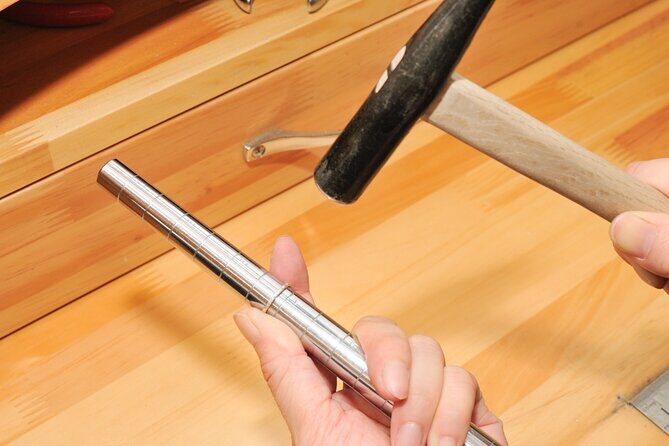
The workshop is designed around choice. You’ll be able to pick your favorite material, thickness, shape, and texture before hammering. That freedom is what turns a generic souvenir into something personal.
One of the nicer details is that you’re not just choosing what the ring looks like on day one. The staff also help with the practical side of fit—reviews mention sizing support. That’s exactly what you want in a Kyoto keepsake: you want it to look good and stay comfortable once it’s in your normal rotation.
If you’re shopping for a gift, this customization level helps you avoid the souvenir trap. A basic shop ring is easy to buy anywhere. A hammered texture ring with your own chosen look is much harder to recreate, and it feels more like a memory than a product.






If you’re traveling as a group
This is listed as a private tour/activity, meaning it’s your group only. That tends to make the session calmer, especially if you’re with kids, a partner, or friends who want time for questions. The class is also “most travelers can participate,” so you don’t need a special background to join.
Time and Flow: Your One-Hour Kyoto Craft Stop
The workshop runs about 1 hour total, and you can take your ring home on the day. That makes it a strong choice for a day that already has temple visits, neighborhood walking, and dinner plans.
In practical terms, plan for this to be a dedicated appointment, not a “maybe we stop in” situation. Most people book it about 8 days in advance on average, and confirmation comes within 48 hours of booking if space is available.
Where it starts and ends
You meet at Itoaware Kyoto (itoaware-いとあはれ-京都店) at 91-5 Hoshinochō, Higashiyama Ward, Kyoto, 605-0853, Japan. The workshop ends back at the same meeting point. It’s a straightforward setup that helps you avoid time-wasting transit loops.
How to plan your day around it
Since it’s about an hour, I suggest treating it like one clean block on your schedule. Fit it after you’ve walked around enough to feel settled, or before dinner when you still have energy to enjoy the process.
If you’re the type who likes to browse shops after an activity, you’ll be able to do that here too, because you’re not waiting for the ring to be mailed later. You’ll already have it in hand.
The Value Math: Why $21.68 Is a Good Deal for This Kind of Souvenir
At $21.68 per person for roughly an hour, this is priced like an activity, not a luxury class. The value comes from several things that are easy to miss at first glance.
You’re paying for:
- hands-on instruction and support throughout the process
- special tools for creating texture patterns
- a finished result with polishing and cleaning by skilled craftsmen
- a same-day take-home ring that’s personalized through your choices
Some of the reviews mention sterling silver as a point of comparison and call the price very reasonable versus what silver rings typically cost. Even if you don’t compare it to silver pricing, the structure still makes sense: you’re paying for labor, tools, and the final finish, not just raw materials.
A souvenir you can wear also beats a keychain you’ll forget to bring out. If you like functional travel mementos, this is the kind that makes sense long after Kyoto fades from the photos folder.
Who This Workshop Fits Best (and Who Should Skip)
This experience is a strong match if you want:
- a hands-on Kyoto craft that ends with a wearable object
- a short, friendly workshop with private group feel
- a design process centered on texture and hammered patterns
- a gift with meaning that you can actually personalize
It’s also a good family option. Reviews describe it as fun for adults and kids, with staff staying helpful and patient. The class length makes it easier to keep younger participants engaged.
Who might be disappointed
Skip this if you’re looking for:
- ring-making that includes welding done by you
- a full build process like soldering and assembling from multiple pieces
- a long studio session where you learn multiple metalworking steps
In other words, the workshop is honest about what it does. It won’t pretend to be every jewelry craft all at once. The trade-off is you get a clear, successful result fast.
Quick Practical Tips Before You Go
These are small things that help you enjoy the hour instead of thinking about logistics.
- Arrive a few minutes early at Itoaware Kyoto so you can start on time without stress.
- Decide your design direction before you sit down. Once hammering starts, you’ll want your choices already clear.
- If you’re buying this for someone else, choose a texture you think they’ll actually wear. Hammer textures can range from subtle to bold depending on how the pattern is created.
- Consider bringing the ring size question to the staff early, since reviews mention sizing help.
Also: the workshop allows service animals, and it’s near public transportation. That makes it simpler if you’re moving around Kyoto by train and foot.
Should You Book Hammer Pattering in Kyoto?
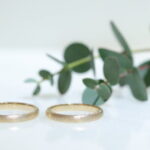
I’d book it if you want a Kyoto craft that’s short, personal, and results in something you can wear. The combo of custom choices plus a polished, cleaned final ring is the sweet spot. For the money, it’s hard to beat as a meaningful souvenir that doesn’t feel generic.
I’d pause if your goal is hands-on metalworking like welding or soldering from scratch. This workshop focuses on texture and pattern, and it’s very intentionally built around that. If that’s your priority, you’ll be happy you picked it.
FAQ
FAQ
How long does the ring workshop take?
It takes about 1 hour (approximately), including the time to select options and create your ring.
Can I take the ring home the same day?
Yes. You can take the ring home on the day of the workshop.
Is welding work included in the experience?
No. The experience does not include welding work; it adds patterns to rings that have already been welded or polished.
What can I customize during the workshop?
You can choose material, thickness, shape, and texture. Staff will also help you through the process and assist with sizing.
Where do I meet for the workshop?
The meeting point is Itoaware Kyoto, 91-5 Hoshinochō, Higashiyama Ward, Kyoto, 605-0853, Japan. The activity ends back at the same meeting point.
Is the booking confirmed automatically?
You receive confirmation within 48 hours of booking, subject to availability. The activity is private, so only your group participates.