REVIEW · NARA
Discover the Essence of Nara Ink Through Your Senses
Book on GetYourGuide →Operated by Sharing Kyoto, Inc. · Bookable on GetYourGuide
Handmade ink has a smell you can’t forget. At Kinkoen, a well-known Nara sumi workshop, you learn how traditional ink is made by hand and you create your own gripped sumi piece guided by a skilled craftsman who speaks English. It’s one of those experiences where you don’t just watch, you use your hands and your senses.
I especially love the hands-on part: you knead soft sumi infused with fragrance, then shape it yourself, seeing your pressure marks become part of the final work. I also like the cultural framing—ink connects to Buddhist rituals, calligraphy, art, and even education, so it feels more meaningful than a generic souvenir. One thing to consider: ink can be messy, so wear clothes that can get a bit dirty.
In This Review
- Key takeaways before you go
- Nara sumi at Kinkoen: turning black ink into a real keepsake
- Why this ink belongs in Buddhist Nara culture
- Inside the workshop: how you create gripped sumi
- The sensory lesson: aroma, warmth, and texture
- Your guide and the workshop feel in English
- What you take home: a paulownia box and a real object
- Pricing and value: what $20 really buys you
- Who this fits best in Nara
- Timing and what to wear: the simple prep that matters
- Booking with flexibility: reserve first, pay later
- Should you book Kinkoen’s gripped sumi workshop?
- FAQ
- Where does the experience take place?
- How much does it cost?
- What will I learn and make?
- What does gripped sumi mean in this workshop?
- Is the workshop taught in English?
- What should I wear?
- How early should I arrive?
- Can I book last minute?
- What do I get at the end?
- Should I book this tour?
Key takeaways before you go
- You make gripped sumi by hand: knead, feel the warmth, then shape the ink with your fingers
- Fragrance and texture are part of the lesson: you experience the ink through aroma, warmth, and touch
- Kinkoen keeps traditional Nara ink methods alive with careful, hand-done steps
- English guidance makes the process easy to follow with a friendly craftsman
- You take home a finished keepsake packed in a paulownia wood box
Nara sumi at Kinkoen: turning black ink into a real keepsake
Nara sumi is not just ink. It’s a craft that starts with a material you can feel, then turns into something that carries your touch. At Kinkoen, the focus is on Nara sumi made in the traditional way, with steps performed by hand rather than shortcuts.
The workshop gives you the chance to create gripped sumi alongside a craftsman who continues the same approach through modern times. That matters, because you’re not learning a simplified demo version—you’re learning how the craft is actually treated in the workshop setting.
And the result isn’t just a photo moment. Your finished piece is packaged in a paulownia wood box, so it’s ready to display in your room or give as a thoughtful gift.
You can also read our reviews of more tours and experiences in Nara.

Why this ink belongs in Buddhist Nara culture
Ink in Japan has a long job description: it supports calligraphy and also shows up in Buddhist rituals and related arts. This workshop doesn’t treat ink like a craft with no context. You’ll learn about the history and background of ink and how it plays an important role beyond writing.
You also get the chance to see ink through a traveler’s lens: quiet, careful work that reflects the stillness people look for in Nara. The experience is intellectually rewarding in a grounded way, not just “look how cool this is.”
If you’re the type who wants more than surface-level sightseeing, this kind of lesson helps you connect the dots. You can walk through Nara’s cultural sites with a better sense of what people were training their hands and minds to do.
Inside the workshop: how you create gripped sumi
Your time at Kinkoen is built around making the ink piece itself. You’ll be guided by a local expert and work alongside a skilled craftsman who maintains the traditional techniques.
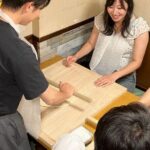
The key technique is gripped sumi, made from soft sumi ink. You knead the ink infused with fragrance, then shape it by hand. The process is tactile and active, which is a big part of the value—you’re not passively observing.
As you work, your fingers leave imprints and pressure marks. That’s not an accident. It’s how your piece becomes yours, because the final form carries the effort and feel you put into it during shaping.
The sensory lesson: aroma, warmth, and texture
Most people think about ink as something cold and flat. This workshop nudges you to see it differently because you’ll experience the material through multiple senses.
You’ll notice the aroma of the ink as you knead it. You’ll also feel the warmth and pay attention to the ink’s texture while shaping it. This is the kind of learning that sticks because your body remembers what your mind learned.
There’s also something satisfying about watching the craft respond to touch. When your hands press, the marks become part of the final work, so you’re actively shaping both the ink and the outcome. If you like crafts where technique meets personality, this is a strong match.
Your guide and the workshop feel in English
A practical win here is that the workshop language is English. The craftsman leading the process speaks English and comes across as friendly, which lowers the friction for first-timers.
That friendliness matters more than it sounds. When instructions are clear, you waste less time worrying if you’re doing it wrong and you spend more time learning what the hands-on steps are teaching you.
You’re also arriving to a historic Nara sumi workshop, so the atmosphere has that old-school rhythm. It feels like a working craft space, not a staged production, which makes it easier to take the whole experience seriously.



What you take home: a paulownia box and a real object
Many souvenirs look like tourist merch. This one is different because it’s an actual craft outcome from your time at the workshop.
After you finish your piece, it’s carefully packaged in a paulownia wood box. That packaging is part of the value: it protects the finished ink and gives it a presentable, meaningful finish.
You’ll likely appreciate that it’s ready for display. If you’re traveling light, you still get a tangible memory that feels intentional, not disposable. And if you’re looking for a gift that doesn’t look generic, this is the kind of item people actually understand once you explain what you did.
Pricing and value: what $20 really buys you
At $20 per person, this workshop is priced like a cultural activity, not a luxury atelier. The value comes from the combination of things included: you get the gripped sumi experience at Kinkoen, guided instruction, and a finished product packaged in a paulownia box.
What you’re paying for isn’t just the object. You’re paying for the time with a craftsman, the chance to use your hands to shape ink, and the context around why ink matters in Nara’s calligraphy and Buddhist culture.
If you’ve spent money on experiences where you leave with a cheap-looking keepsake, this one feels like a better trade. You end up with something you made, plus a deeper understanding of what ink represents.
Who this fits best in Nara
This is a good pick if you want Nara to feel hands-on and human. It suits you if you enjoy craft, calligraphy-related culture, and anything tied to Buddhist practice and ritual aesthetics.
It also works well if you’re traveling with curiosity rather than a strict checklist. You don’t need to be an artist. You just need comfortable hands and a willingness to follow guidance and get a little ink on your clothes.
On the other hand, this might feel less appealing if you dislike messy work or you’re trying to keep your itinerary super rigid. The process is tactile, and you’ll be shaping ink with your fingers, so you should plan accordingly.
Timing and what to wear: the simple prep that matters
Ink is ink. You should dress with that in mind. The workshop asks you to wear comfortable clothes and note that the clothing can get a bit dirty from ink.
That’s the main practical consideration. Choose something you’re okay with potentially staining or at least getting ink smudges on. If you’re going straight from this to dinner, consider bringing a small plan for fresh clothes or at least something forgiving.
Also plan to arrive 10 minutes early to keep the start on time. Small timing details matter in crafts, because the process needs a steady rhythm once it begins.
Booking with flexibility: reserve first, pay later
The experience uses a flexible booking approach: reserve & pay later, so you can secure your spot without paying right away. If your schedule changes, cancellation is offered up to 24 hours in advance for a full refund.
That flexibility can be a real advantage in Nara, where your day may shift depending on weather or how your temple visits go. Just remember that bookings made within 24 hours of the start time may not be accommodated due to preparation constraints.
Should you book Kinkoen’s gripped sumi workshop?
Book it if you want a Nara memory that’s made by your hands, not just seen through a camera. The combination of traditional Nara sumi technique, English-led guidance, and a finished piece packed in a paulownia wood box is strong value for the price.
Pass or consider alternatives if you’re very sensitive to mess, or you’re hoping for a purely observation-based experience. Because you’ll knead fragrant ink and shape it with your fingers, you should expect a hands-on process and dress accordingly.
If you’re the kind of traveler who likes feeling the culture under your skin—literally through touch and aroma—this workshop is an excellent use of time in Nara.
FAQ
Where does the experience take place?
It takes place at the historic Nara sumi workshop Kinkoen in Nara, on Honshu, Japan.
How much does it cost?
The price is $20 per person.
What will I learn and make?
You’ll learn about Nara sumi and create your own gripped sumi piece by kneading soft sumi ink infused with fragrance and shaping it by hand.
What does gripped sumi mean in this workshop?
In this experience, you work with soft ink infused with fragrance, knead it, then shape it by hand. Your fingerprints and pressure marks become part of the final piece.
Is the workshop taught in English?
Yes. The workshop language is English.
What should I wear?
Wear comfortable clothes and plan for them to get a bit dirty from ink.
How early should I arrive?
Arrive 10 minutes before the scheduled time so the experience can start promptly.
Can I book last minute?
Bookings made within 24 hours of the start time may not be accommodated due to preparation constraints.
What do I get at the end?
Your finished ink is carefully packaged in a paulownia wood box, which you can display or gift.
Should I book this tour?
Yes, if you want a hands-on craft experience in Nara that connects ink to Buddhist culture and calligraphy, and you’ll enjoy kneading and shaping something you can take home. Just be sure you’re comfortable with the fact that ink can get onto your clothes, and arrive on time.