REVIEW · TOKYO
Tokyo Off the Beaten Path 6hr Private Tour with Licensed Guide
Book on Viator →Operated by Japan Guide Agency · Bookable on Viator
Tokyo feels real when you leave the crowds. The big draw here is a licensed guide who helps you build a day around customizable stops, so you’re not stuck doing a one-size-fits-all checklist. What you get is a strong mix of calm, older neighborhoods and well-chosen cultural sights, with lots of free stops built into the menu.
I especially like the way the plan nudges you toward Tokyo’s slower side, like Yanaka/Nezu and Shitamachi-style streets that survived wars and disasters. I also like that the guide can help you move between areas using taxi or public transport, then steer your day so it feels personal instead of rushed. One consideration: this is a walking-focused tour, and some entrances and transport costs are extra, so you’ll want comfy shoes and a little flexibility.
In This Review
- Key highlights worth planning around
- How this private tour actually feels in Tokyo
- A flexible site menu instead of a rigid checklist
- Yanaka and Nezu: old downtown streets with real survival stories
- Shibamata Taishakuten and the sando approach: temple time with street life
- Fukagawa: Edo-style buildings, sumo roots, and garden calm
- Asakusa add-ons: shopping streets, an old park, and a big-name temple area
- Tsukiji Fish Market and Gotokuji Temple: two very different vibes
- Price and logistics: where the value really comes from
- Pace, walking time, and how to avoid the rushed feeling
- Who should book this off-the-beaten-path Tokyo tour
- Should you book this private Tokyo tour?
- FAQ
- How many stops can I choose during the tour?
- Where does the guide meet me?
- Is transportation included in the price?
- Are entrance fees included?
- Is this a walking tour?
- Is the tour private?
Key highlights worth planning around
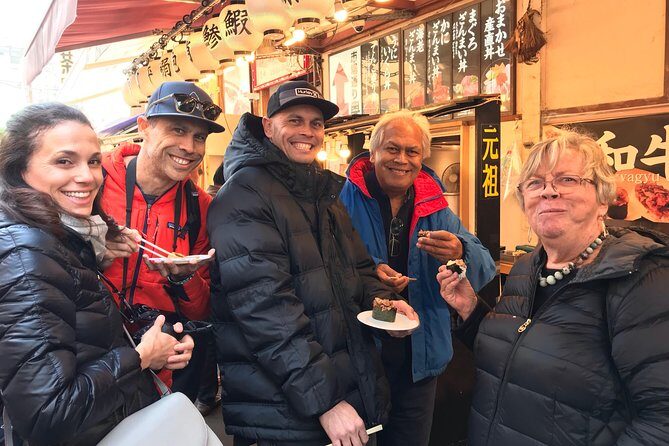
- 3–4 sites you choose, so you can tailor the day to your interests
- Hotel-area meet-up on foot, which keeps the start simple
- Licensed English-speaking guide, with real local neighborhood context
- Yanaka/Nezu + Yanesen options with free sights and old-Tokyo atmosphere
- Shibamata Taishakuten area with street-food vibes on the approach
- Old Tokyo themes across Fukagawa, Asakusa, Tsukiji, and Gotokuji-style stops
How this private tour actually feels in Tokyo
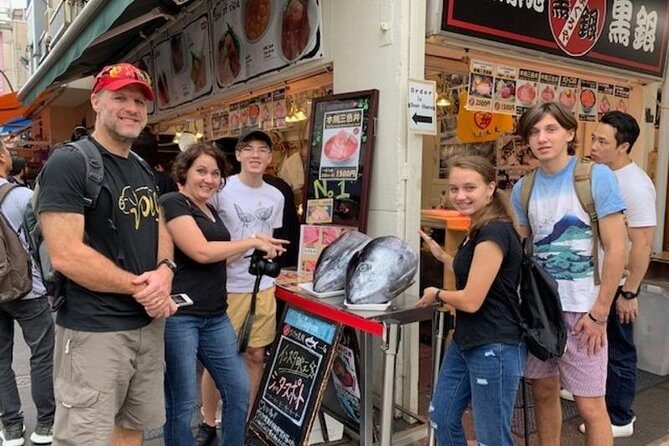
This tour is built for people who want Tokyo that’s less about shiny bullet points and more about street-level life. You get a private guide, and you choose three or four sites from a menu of older neighborhoods, temples, gardens, and local shopping streets. That flexibility matters because Tokyo rewards good pacing, and “off the beaten path” is easier when you can shape the day.
I like that you’re not just getting dropped at a landmark. You’re moving through areas in a way that helps you understand what you’re seeing: the neighborhood layout, which lanes feel lived-in, and where the quiet pockets are compared with the major stations.
The tour is also practical about how you’ll get around. Your guide can handle travel by taxi or public transport (that part costs extra), so you’re spending less time figuring out logistics and more time paying attention.
You can also read our reviews of more guided tours in Tokyo

A flexible site menu instead of a rigid checklist
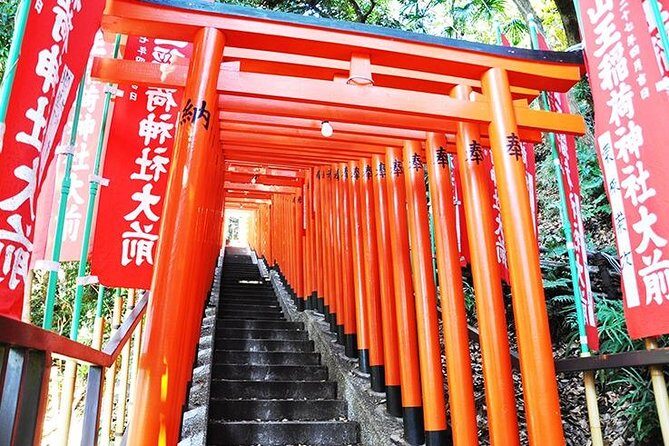
The tour is sold as customizable, and the schedule supports that. You can pick 3–4 sites from the available options, which lets you avoid the classic problem: spending your day sprinting between far-apart areas.
Here’s how the menu tends to work best in real life: group your picks by area. For example, if you choose Yanaka/Nezu and Sendagi, you’ll already be in the “Yanesen” zone and can keep travel time down. If you choose Shibamata and Taishakuten, you’re building a mini arc in one part of town. If you choose Fukagawa, you can stack temples, Edo-themed culture, and gardens without zigzagging across Tokyo.
If you’re the type who likes structure, you can still do that. The difference is you’re controlling the site mix, not the other way around.
Yanaka and Nezu: old downtown streets with real survival stories
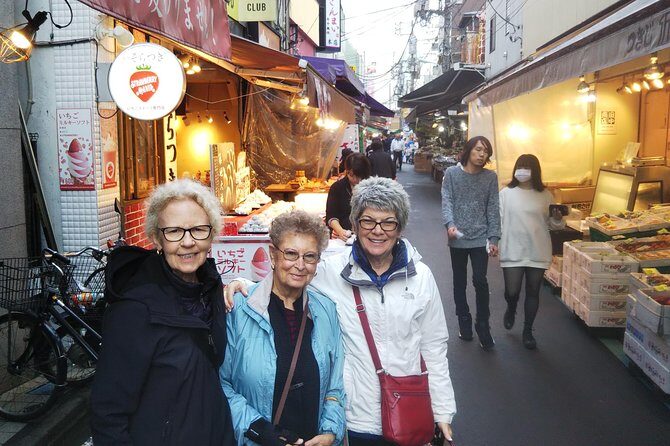
If you choose the Yanaka/Nezu cluster, you’re stepping into shitamachi territory—Tokyo’s older downtown vibe. The neighborhoods of Yanaka and Nezu are known for having avoided major damage during world wars and natural disasters, which helps explain why the streets still feel like they belong to another era. This is the kind of place where a short stop can turn into an accidental walk because the alleys look worth seeing.
Nezu (the neighborhood stop) is short on paper but big on atmosphere. Think of it as your warm-up: narrow streets, traditional buildings, and a calmer feel than the center-heavy districts.
Then you’ve got Nezu Shrine, with roots in Edo-era architecture (dating from 1706). The shrine buildings are famous for bold vermilion and gold lacquer colors, including the gongen-zukuri style—so even if you only have a few minutes, you’ll get visual payoff without needing a long ticket line.
Yanaka Ginza Shopping Street is where the neighborhood becomes personal. This is a good place to browse snacks, small shops, and local goods at a slower tempo.
SCAI The Bathhouse is an interesting twist: a former bathhouse building (over 200 years old) turned into an art space. If you care about contemporary Japanese art, this stop can feel like a bridge between “old building” and “modern Tokyo.” The trade-off is that the admission isn’t included, so budget for it if it’s on your radar.
Yanaka Cemetery may sound heavy, but it’s also one of the most scenic ways to experience historic Tokyo quietly. The long central avenue is often calm, and that changes the tone of the day in a good way.
Finally, Sendagi (part of Yanesen) rounds it out. Yanaka, Nezu, and Sendagi together form Yanesen, and the area is noted for surviving the Great Kanto Earthquake and world wars. That context helps make the nostalgia feel earned, not staged.
Shibamata Taishakuten and the sando approach: temple time with street life
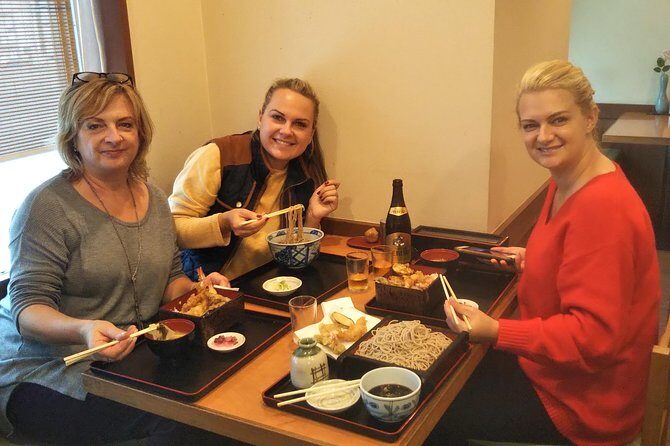
If you want Tokyo that feels older and more “local” than “tour bus,” Shibamata is a strong pick. It sits on Tokyo’s eastern end, near the Edogawa River (the natural border with Chiba Prefecture). The neighborhood retains an old-school charm that’s easier to feel once you’re walking its streets rather than reading about it.
Taishakuten-sando is the lead-in road: about 200 meters up toward the temple, with street-food stalls and little shops. If you like the sensory part of travel—smells, snacks, small storefront signs—this is where you get it.
Then comes Shibamata Taishakuten (Daikyoji Temple), a Nichiren temple with standout architecture and carvings. The Nitenmon gate is a major photo moment, and the wood carvings gallery (focused on lotus sutra themes) is notable for being made in the 1922–1934 period. This stop is short in time, but the details are strong enough that you can actually leave with memories that aren’t just a blur.
A small planning tip: if you choose Shibamata plus another area far away, you risk losing time. This one shines when you pair it with nearby choices.
Fukagawa: Edo-style buildings, sumo roots, and garden calm
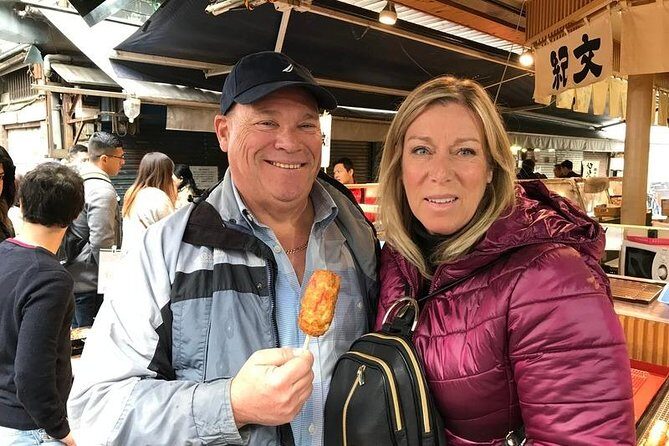
Fukagawa is a quieter, more layered choice, especially if you like Tokyo that’s historical but not museum-only. It’s also a smart option if you want your day to include different textures: canals and replicas, shrines linked to sumo, temples, and gardens.
Fukagawa Edo Museum is one of the most “old Tokyo in front of you” style stops. It’s a replica village set in the late Edo period, with houses, a canal, and even a fire watchtower concept. If you like the feeling of stepping into an earlier city, this tends to deliver quickly.
Fukagawa Fudō-dō comes off as less polished on first glance, but the wood carvings on the main building are said to be nice. It’s the kind of stop where you might enjoy it more if you like noticing craft details rather than chasing big wow moments.
Then Tomioka Hachimangu adds a big cultural anchor. It’s linked to sumo wrestling tournaments, and it’s also home to a major Shinto festival. The shrine was bombed during world war II, and the current building dates from 1956, so you’re seeing continuity with a real mark of modern rebuilding history.
Kiyosumi Teien is your reset button if you’re doing a walking-heavy day. This garden is tied to Kinokuniya Bunzaemon (1669–1734), an Edo merchant connected to citrus, lumber, and salmon among other goods. That commercial-to-garden connection helps you understand how leisure spaces grew from everyday trade life.
If you can fit it, Bashō Memorial Museum is a great writer-focused stop. Matsuo Bashō (1644–1694) is a famous Edo-period poet, and Fukagawa is where he wrote many of his works. The idea that this place served as a starting point for travel adds a “Tokyo as launchpad” flavor.
Admissions for several Fukagawa stops aren’t included, so treat this cluster as both a history walk and a budget check.
You can also read our reviews of more private tours in Tokyo


Asakusa add-ons: shopping streets, an old park, and a big-name temple area
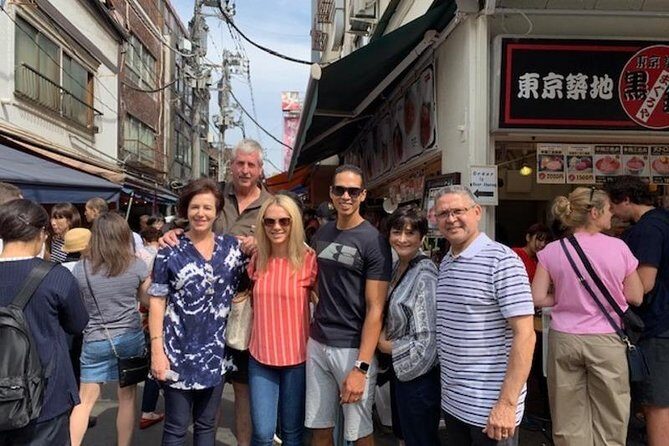
Asakusa works well as a mix-and-match zone. It’s a central enough area that you can pair it with nearby shopping streets, but it still feels like it has its own pace.
Asakusa itself is a broad area stop—use it as a way to get oriented and then zoom into specific streets you care about. If you want a straightforward day with familiar highlights, Asakusa often makes your choices feel easy.
Kappabashi Street (the kitchenware street) is where Tokyo becomes practical. You’ll find vendors selling kitchen supplies—knives, chopsticks, dishes—usually with a sense of focus that doesn’t feel like random souvenir shopping. If you’re the kind of traveler who likes bringing home something useful (not just another keychain), this is the stop.
Asakusa Hanayashiki is for fun lovers. Founded in 1853, it’s one of Japan’s oldest amusement parks and it’s near Sensoji Temple. The catch is that it’s an optional ticketed attraction, so you’ll want to decide based on your time and energy.
Asakusa Nishisando is a covered shopping street that’s worth your time even if you don’t buy anything. It helps you feel the “older Tokyo street” vibe in a way that’s less about a single monument and more about walking through an environment.
If your choices include Asakusa and you also want Tsukiji-style market atmosphere, keep in mind that you’ll be trading calm street time for busier energy.
Tsukiji Fish Market and Gotokuji Temple: two very different vibes
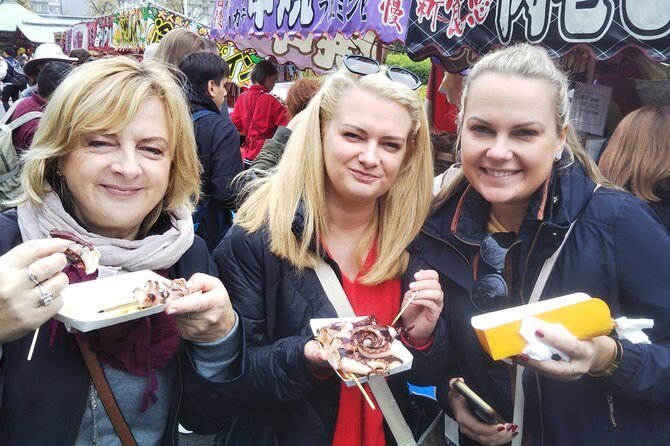
Not every off-the-beaten-path day stays quiet. If you add Tsukiji Fish Market, you’re bringing energy into the mix. It’s a 15-minute stop in this tour format, which means you’ll see the scene but won’t have time for deep vendor-to-vendor exploration. Still, it’s a recognizable sensory stop that can anchor the day if your guide builds it around what you like to eat and watch.
For a calm contrast, Gotokuji Temple is a smart late-day choice. It’s known as the birthplace of the maneki-neko, the luck-inviting cat figurine. That gives the stop a story element that’s easier to remember than another temple photo—especially if you’re into folklore details.
I’d treat Tsukiji and Gotokuji as “pairing tools.” Use Tsukiji for atmosphere, and use Gotokuji to end on something more intimate.
Price and logistics: where the value really comes from
The price is $155.22 per person for an approximately 6-hour private tour. For Tokyo, that’s not bargain-basement cheap, but you’re paying for a licensed English-speaking local guide plus flexibility to choose 3–4 sites without wasting your day on navigation confusion.
What’s not included is important. You’ll pay for transportation fees (taxi or public transport) and any entrance fees, lunch, and personal expenses. The guide’s entry fees are only covered for sights included in the listed expectations. In practice, that means your final spend depends heavily on which of the ticketed stops you select—like SCAI The Bathhouse, Fukagawa Edo Museum, Kiyosumi Teien, or Hanayashiki.
Also, this isn’t a “private vehicle day.” The tour is walking-focused, and pickup is arranged as on foot near your hotel/meeting area. If you’re expecting a driver to solve everything, you’ll be surprised.
The value shows up if you want someone to think through the day for you. In past experiences with this tour style, guides such as Yoshi and Yoshiro have been noted for helping with subway navigation and local logistics. Guides like Michio and Hideki have been praised for kindness, attentiveness, and fitting the itinerary to what people actually wanted to see.
Pace, walking time, and how to avoid the rushed feeling
This is a 6-hour day with multiple short stops. That can be great—Tokyo moves fast, and short introductions can keep your attention. It can also feel rushed if you select 4 sites without building in downtime.
Some guides are reported to be very organized, and that can mean quick transitions. If you’re sensitive to pace, I’d recommend you tell your guide you want a slower rhythm and a proper lunch break. Lunch isn’t included, but a good guide can help you plan when to eat and how to keep it from feeling like an interruption.
Comfort matters. You’ll be on foot, sometimes in hot or wet weather depending on the season. I’d bring sunscreen, water, and a compact umbrella if rain is possible. Service animals are allowed, and most travelers can participate, but the tour’s walking nature is still the main physical reality.
One more practical note: if you pick ticketed attractions, your schedule can shift slightly around entry timing. That’s normal. The best move is to choose one or two ticketed stops, not four.
Who should book this off-the-beaten-path Tokyo tour
Book this if you want a Tokyo day that feels local rather than “see everything famous in one day.” It’s ideal for first-timers who already know they’ll do major neighborhoods later, and want one day dedicated to quieter places and calmer street life.
It’s also great for:
- Families who want a guide to manage transit tips and pacing
- People who like temples, gardens, and neighborhood shopping streets
- Travelers who prefer walking with context over sitting through lectures
It may not be a great fit if you:
- Hate walking or need minimal time on your feet
- Want every entrance paid and handled with no extra costs
- Want a museum-heavy schedule without breaks
Should you book this private Tokyo tour?
Yes, if you’re serious about experiencing Tokyo’s older districts with a licensed local guide and you’re happy to make a few smart trade-offs. The tour’s biggest strength is that it can be tailored: you choose 3–4 sites, and the guide builds the day around that choice so it feels efficient without becoming robotic.
Before booking, decide which neighborhood vibe you want most—Yanaka/Nezu calm, Shibamata temple street life, Fukagawa historical layers, or Asakusa’s shopping + sights. Then pick only one or two ticketed attractions so extra costs don’t surprise you.
If that sounds like your style, this is a strong way to get off the standard route and still keep the day moving.
FAQ
How many stops can I choose during the tour?
You customize the itinerary by choosing three or four sites from the available options.
Where does the guide meet me?
The guide meets you for ease at your hotel area, and the included information also notes that the pickup/meet-up is on foot within a designated area in Tokyo.
Is transportation included in the price?
No. Transportation fees are not included. The guide can arrange travel by taxi or public transport, but you pay for those costs separately.
Are entrance fees included?
Entrance fees are not included. Some sights listed in the expectations may have the guide’s entry fees covered, but you should still expect that ticketed stops can add cost.
Is this a walking tour?
Yes. It’s described as a walking tour, with on-foot pick up/meet up.
Is the tour private?
Yes. It’s a private tour/activity, meaning only your group participates.