REVIEW · TOKYO
Sushi-Making Experience
Book on GetYourGuide →Operated by True Japan Tour · Bookable on GetYourGuide
Two hours, three sushi types, zero stress. You’ll learn nigiri zushi, gunkan maki, and hosomaki zushi in a small group (limited to 10), with hands-on coaching in English. I like that you also get two sushi-making kits to keep practising after the workshop, so the experience doesn’t end when the clock runs out.
One watch-out: there’s no hotel pickup, and you’ll meet at a specific spot inside the Kiaki Shinko Kaikan building (right opposite Tokyo Tower). If your day is packed and you dislike finding exact entrances, give yourself a little extra time to get there.
In This Review
- Key takeaways before you go
- Meeting at Kiaki Shinko Kaikan (opposite Tokyo Tower)
- The 2-hour workshop pace: sushi overview, prep, then practise
- Learning nigiri zushi: the art of simple, well-made
- Gunkan maki practice: shaping a rice mound with a topping
- Hosomaki zushi: the thin roll skill that pays off at home
- Sauce and condiment time: trying pairing flavours the Japanese way
- Japanese dining etiquette: eating like you belong
- Included extras that make the price feel fair
- Who should book this sushi workshop (and who might skip it)
- Tips to get the most from your 2-hour sushi session
- Should you book this Sushi-Making Experience near Tokyo Tower?
- FAQ
- How long is the sushi-making workshop?
- Where do I meet the instructor?
- What if I cannot find the instructor?
- Is the instructor’s language English?
- How many people are in the group?
- What sushi types will I learn to make?
- Are the sushi-making kits included?
- What is included in the price?
- Is hotel pickup or drop-off included?
- Is free cancellation available?
Key takeaways before you go
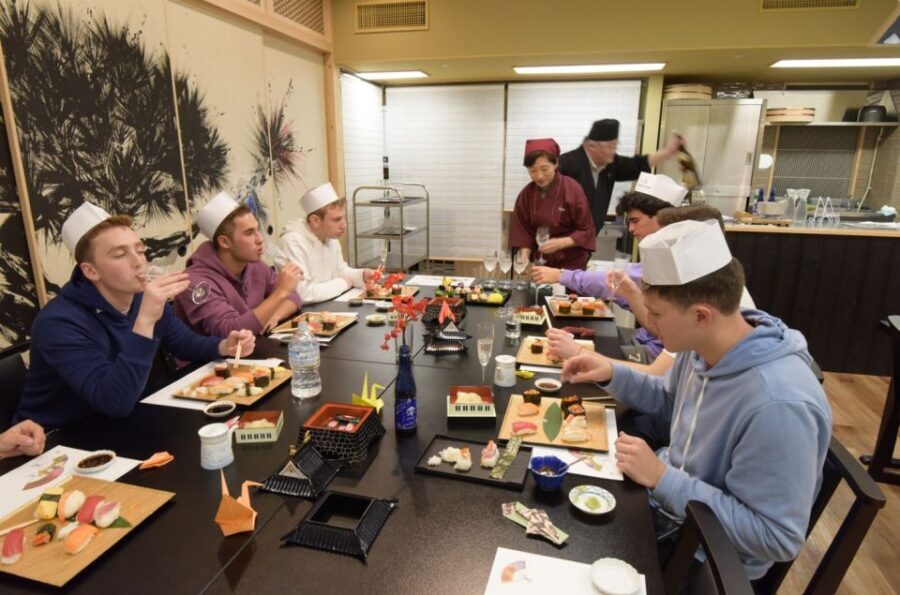
- Small group size (max 10) keeps the instructor’s attention on your hands, not just the room.
- Three sushi styles means you practice different techniques, not just one roll shape.
- Two take-home kits turn a 2-hour class into a repeatable at-home skill.
- Traditional sauces and condiments help you try flavour pairings you might otherwise miss.
- Japanese dining etiquette at the table makes the sit-down meal feel like part of the lesson, not an add-on.
Meeting at Kiaki Shinko Kaikan (opposite Tokyo Tower)
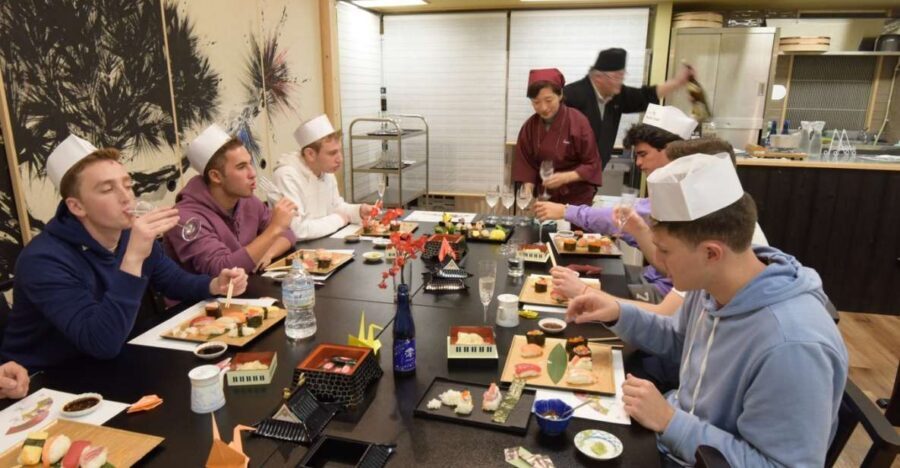
This workshop starts with a simple idea: meet your instructor where you can actually find them. You’ll meet at the main entrance of the Kiaki Shinko Kaikan building on the 1st floor, and the building is right opposite Tokyo Tower. That landmark matters—use it as your anchor when you’re navigating.
If you arrive and can’t find the instructor, you’re not stuck wandering. Head to True Japan Tour (Room B109) on the B1 floor inside the same building. I like that this is spelled out clearly, because it reduces the usual Tokyo “where is everyone?” stress.
Practical tip: aim to show up a bit early so you can settle before the group starts. With a 2-hour total duration, you’ll want your class time to stay focused on the sushi, not on hunting down the right entrance.
You can also read our reviews of more tours and experiences in Tokyo.



The 2-hour workshop pace: sushi overview, prep, then practise
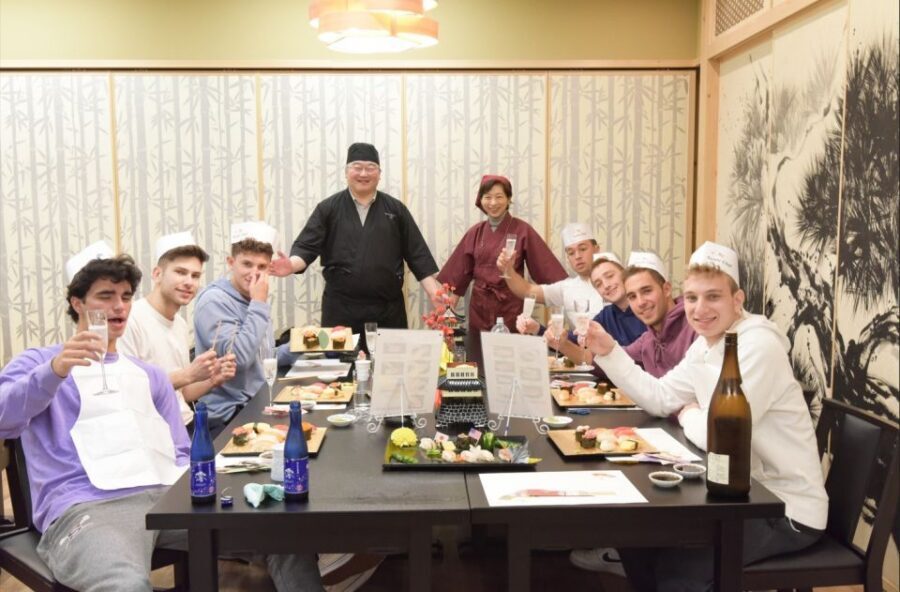
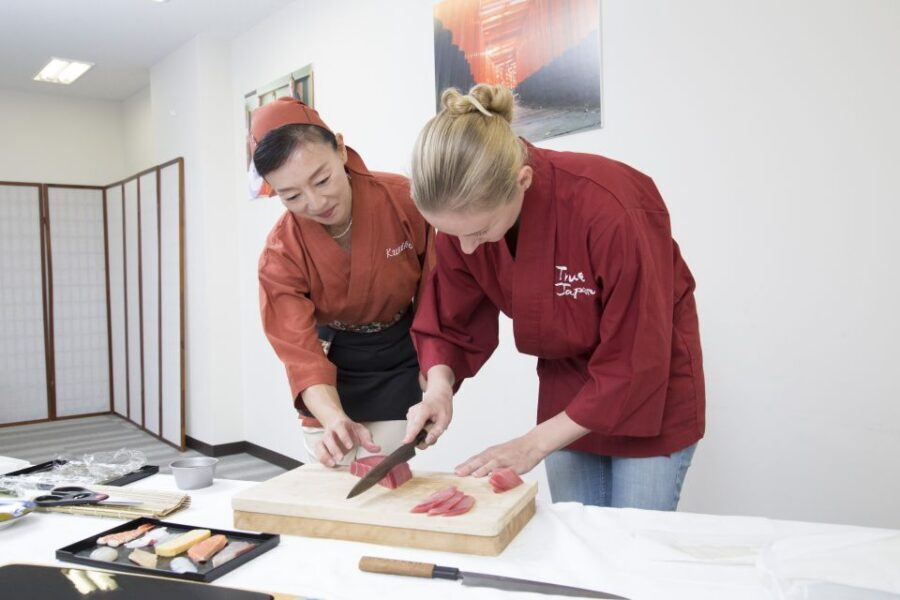
Your time here is built around a tight flow. You’ll get a brief overview of sushi in Japanese culture, then the group moves into prep. After that, you’ll watch a quick demonstration and practise the core methods with help from the experts.
Because the duration is 2 hours, the pace stays energetic. That can be a plus if you want to learn quickly without a half-day commitment. It’s also a reasonable window if you’re doing other Tokyo sights the same day.
Small groups help too. With a maximum of 10 participants, you’re more likely to get real-time fixes on technique—things like how to handle ingredients, assemble your sushi, and get the look right enough to be photo-worthy (this is specifically part of the experience).
Learning nigiri zushi: the art of simple, well-made
Nigiri zushi is often the first sushi people think about: a small rice base topped with something tasty. In this workshop, you’ll learn three different techniques, and nigiri is one of them.
What makes this section valuable for you isn’t the fancy talk. It’s that nigiri forces you to get basics right:
- Rice handling: you’ll practise forming and working with the base.
- Assembly: you’ll learn how the topping fits cleanly.
- Consistency: each piece should look intentional, not random.
Even if you’ve never made sushi before, nigiri is a good skill to learn because the structure is straightforward. Later, when you use your take-home kit, nigiri tends to be the type you can practise without needing a lot of special tools or complicated rolling.
If you’re the type who learns best by repeating the same action a few times, nigiri is the anchor that helps your confidence build fast.
Gunkan maki practice: shaping a rice mound with a topping
Gunkan maki (often described as a rice mound with topping) is different from nigiri because the form is bigger and more structured. In the workshop, you’ll practise it as one of the three main sushi types.
Why this matters: gunkan styles teach you control. You’re not just building something pretty—you’re shaping so the topping behaves the way it should. That means:
- you’ll practise forming the rice into a stable base
- you’ll learn how to place the topping style you’re working with
- you’ll see how the shape affects the final look
This is a good choice if you like a bit of challenge. It’s still doable, but it pushes your hands more than a basic piece. And since the goal includes making sushi that’s photo-worthy, this is one of the styles that tends to look great once you get the technique down.
Hosomaki zushi: the thin roll skill that pays off at home
Hosomaki zushi is a hosomaki roll—thin, compact, and very practical. In the class you’ll learn it as a dedicated technique, which is important. Many sushi experiences teach you to make one style well, then stop there. Here, you’re learning three.
Hosomaki is especially useful for your at-home practise because:
- it’s a classic roll format
- it’s often easier to repeat than more complex roll styles
- it gives you a way to use ingredients and sauces you enjoy
You’ll practise the basic methods with expert help, then finish the sushi you made and sit down to eat. If you’re thinking ahead, hosomaki is the one you’ll likely crave making again after the workshop because it feels like real, repeatable cooking—not just an experience you watch once and forget.






Sauce and condiment time: trying pairing flavours the Japanese way
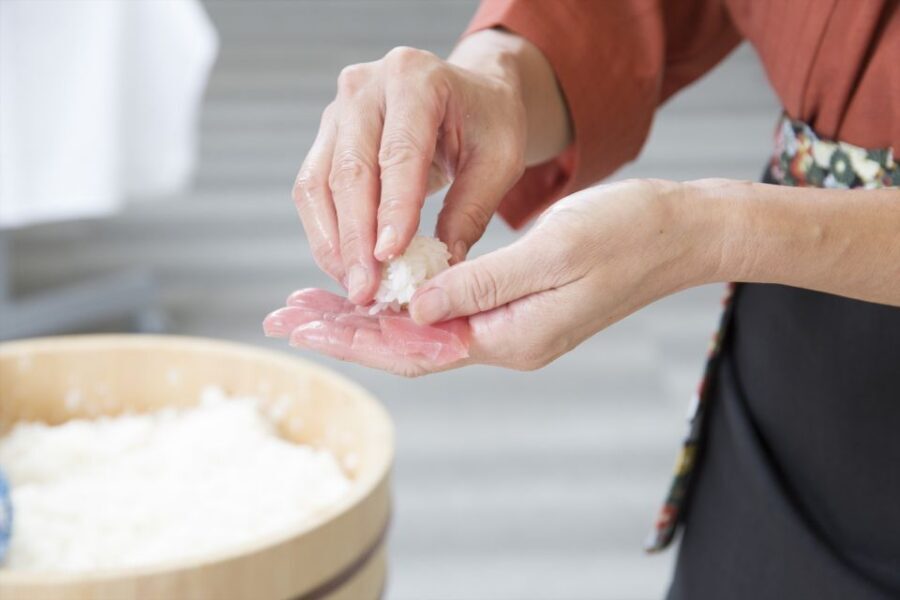
After you make your sushi, you’ll sit down for a meal and try different flavors with a variety of sauces and sushi condiments. The workshop specifically mentions sauces traditionally paired with sushi, which is more helpful than just eating what’s in front of you.
Here’s why this section is practical for you: when you learn sushi, sauce matters. Taste balance is a huge part of why sushi works. If you only learn how to form rice and toppings, you might still miss the final equation at home. Getting to try different sauces in an organised setting helps you figure out what you actually like.
Also, this is a moment when your hands and your taste buds catch up together. You just spent time learning technique. Now you can connect what you made with what it tasted like—then adjust your choices when you use the kits again.
Japanese dining etiquette: eating like you belong
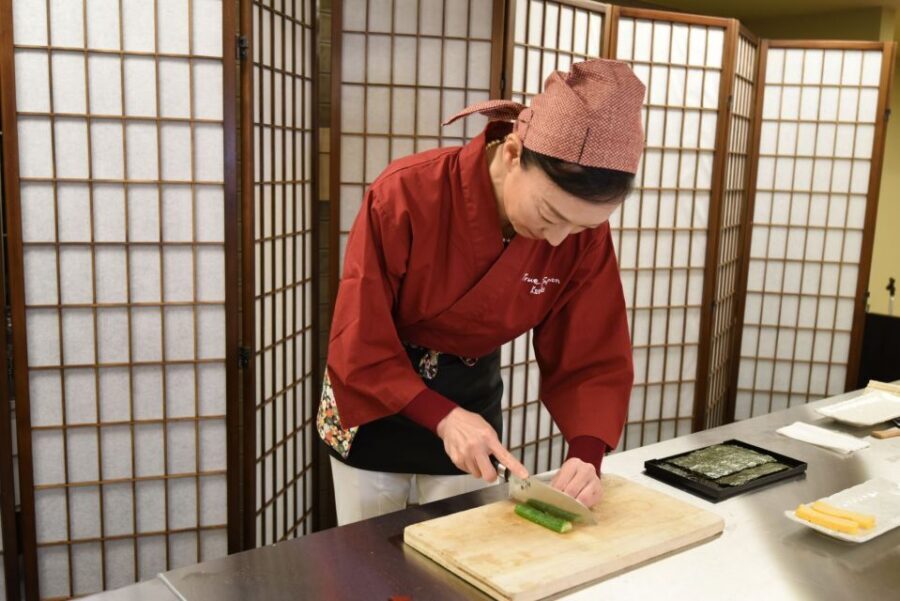
The experience includes learning Japanese dining etiquette as part of the sit-down meal. That’s not a throwaway cultural note. In a short workshop, etiquette helps you relax, because you’re not guessing what’s polite.
You’ll make your sushi, finish it, then take a seat at the table. While you eat, you’ll learn how to handle the meal in a way that fits Japanese dining customs. Even if you’re eating in a casual setting, learning etiquette can change your entire mood from “Am I doing this right?” to “I can just enjoy.”
It’s also the kind of skill that travels well. Once you’ve practised the basics here, you’ll feel more comfortable ordering sushi later and eating it without turning it into an awkward quiz.
Included extras that make the price feel fair
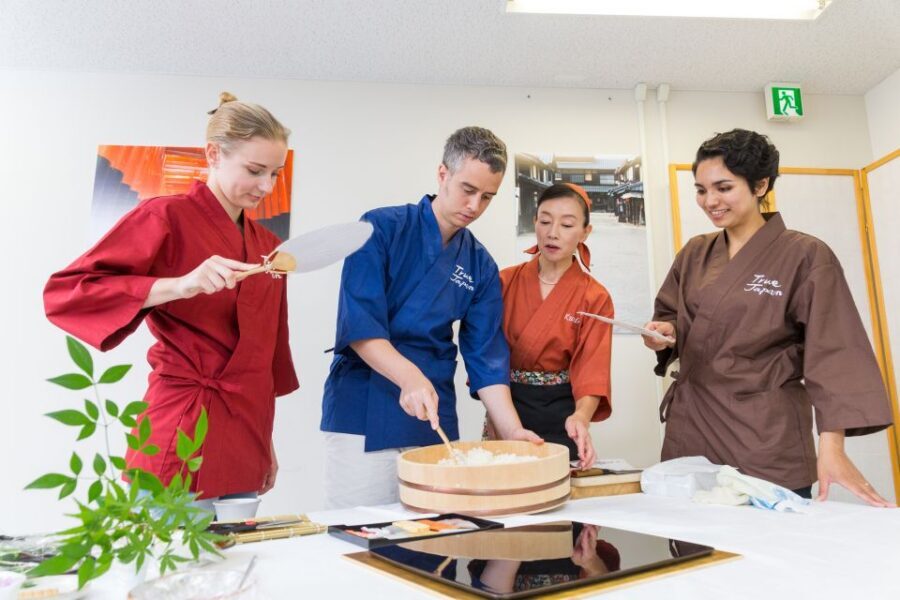
At $106 per person for a 2-hour workshop, the big question is value. Here’s what you’re actually getting, and why it adds up:
- Workshop with a nationally-accredited sushi instructor
You’re paying for instruction quality, not just ingredients.
- Ingredients for the sushi you make
That saves you from buying supplies you might not use again.
- Sushi meal
You don’t leave hungry and you don’t have to find dinner nearby right after.
- Two sushi-making kits to practise at home
This is the part that most clearly extends the value past the class itself.
The result is that you’re not just paying for entertainment. You’re buying a teach-and-repeat experience: learn techniques now, then keep practising later. For many people, that’s what makes $106 feel reasonable instead of expensive.
One more detail I like: the instructor is English, and the group is small. That combo usually means less time stuck waiting and more time getting hands-on help.
Who should book this sushi workshop (and who might skip it)
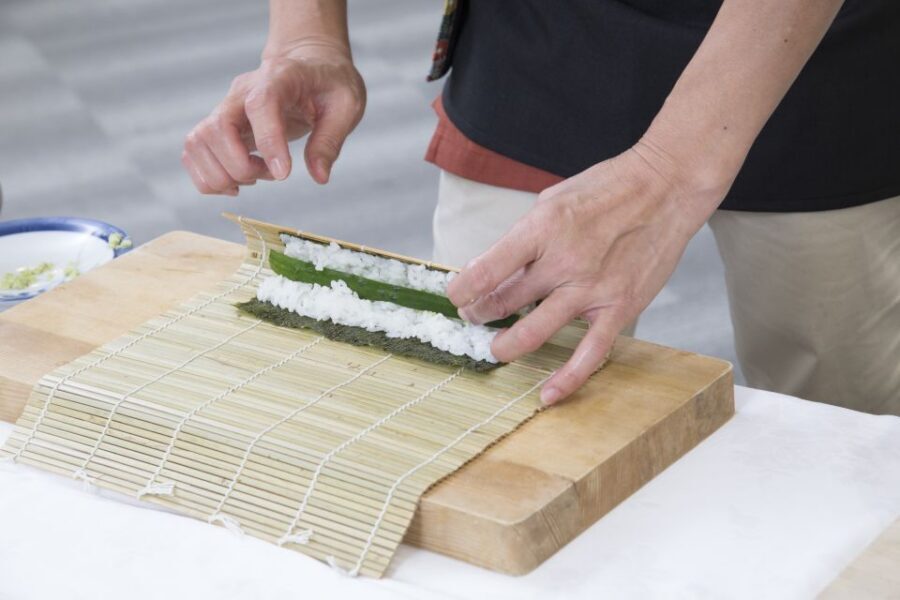
This is a great fit if you:
- want a beginner-friendly, structured sushi session
- like small groups (max 10) and hands-on guidance
- want to learn multiple sushi types instead of one
- enjoy bringing skills home, since you’ll get two kits
- need English instruction and appreciate the class format
It may not be the best match if:
- you hate planning around a set meeting point and there’s no hotel pickup
- you’re looking for a long, deep culinary course (this one is intentionally 2 hours)
Good news: it’s listed as wheelchair accessible, which helps make it easier to plan if mobility is a factor.
Tips to get the most from your 2-hour sushi session
You’ll learn three sushi techniques, practise with expert help, and then eat the sushi you made. To maximize your time, do these simple things:
- Go in hungry enough to enjoy the meal after practising. You’ll be working with your hands.
- Pay attention during the demonstration. The later practise builds directly on it.
- When you finish your sushi, take a moment before eating to look at what you made. The workshop’s focus on a photo-worthy result is basically teaching technique through visual cues.
- Think about the kits while you’re learning. If you can picture your first practise session at home, you’ll remember more.
And yes—expect to feel a little clumsy at first. That’s normal. Sushi is hand skill. The class format is built for that reality.
Should you book this Sushi-Making Experience near Tokyo Tower?
If you want a fun, focused way to learn real sushi technique in Tokyo—plus keep practising after with two sushi-making kits—this is a strong choice. The small group size, English instruction, and hands-on practice across nigiri, gunkan, and hosomaki make it feel like more than a one-off meal.
I’d book it if you like structured lessons, you don’t mind meeting at a specific location, and you want your Tokyo food day to leave you with an actual skill. If convenience matters more than learning, you’ll need to plan your arrival because there’s no hotel pickup.
FAQ
How long is the sushi-making workshop?
The workshop lasts 2 hours.
Where do I meet the instructor?
Meet at the main entrance of the Kiaki Shinko Kaikan building on the 1st floor (opposite Tokyo Tower).
What if I cannot find the instructor?
Go to True Japan Tour, Room B109, on the B1 floor inside the same building.
Is the instructor’s language English?
Yes, the instructor is listed as English.
How many people are in the group?
It’s a small group limited to 10 participants.
What sushi types will I learn to make?
You’ll learn three types: nigiri zushi, gunkan maki, and hosomaki zushi.
Are the sushi-making kits included?
Yes. You receive two easy-to-use sushi-making kits to practise at home.
What is included in the price?
Included: workshop with a nationally-accredited sushi instructor, ingredients, sushi meal, and two sushi-making kits.
Is hotel pickup or drop-off included?
No, hotel pickup and drop-off are not included.
Is free cancellation available?
Yes, free cancellation is available up to 24 hours in advance for a full refund.