REVIEW · TOKYO
Tokyo:Cherry Blossom Mt Fuji & Shibazakura Festival Day Trip
Book on GetYourGuide →Operated by Hakuu Co Ltd. · Bookable on GetYourGuide
Fuji turns pink on this day trip. I like how this tour pairs the Shibazakura festival at Lake Motosuko with hands-on time for Mt. Fuji photos at places like Oishi Park and the famous Lawson viewpoint. The route is built for first-timers who want big views without doing train transfers all day.
Here’s the one thing to watch: the two signature quick photo stops (Lawson Kawaguchiko and Hikawa Clock Shop) are weather-dependent, so if clouds swallow Mt. Fuji, your photos will look different than the postcards. Also, this is a driver-guide setup, so if you’re expecting a deep, animated lecture, you may want to set expectations ahead of time.
In This Review
- Key things to know before you go
- Leaving Tokyo early: pickup, Tokyo Station meet, and the van ride
- Lake Motosuko Shibazakura Festival: your pink-carpet Mt Fuji moment
- Oishi Park on Lake Kawaguchiko: one of the best Fuji panoramas
- Lawson Kawaguchiko Station and Hikawa Clock Shop: quick Fuji-framing wins
- Oshino Hakkai Springs: the calm rural finish
- The pace of a 10-hour day: what to expect on the road
- Price and value: what $77 really buys you
- Comfort, safety, and expectations around the driver-guide
- Who this trip suits best (and who should skip it)
- Tips to maximize your chances of a clear Mt. Fuji view
- Should you book this Mt. Fuji and Shibazakura day trip?
- FAQ
- How long is the Tokyo: Cherry Blossom Mt Fuji & Shibazakura Festival Day Trip?
- What time does the tour depart Tokyo?
- Where do I meet if I do not want hotel pickup?
- Is the Shibazakura Festival entry fee included?
- What meals are included in the tour price?
- What languages are available for the driver-guide?
- Is there a limit on luggage size?
- Will I need WhatsApp during the trip?
Key things to know before you go
- Lake Motosuko Shibazakura entry is included, so you can spend more time wandering the fields and less time on logistics
- Photo stops are short but iconic, with Mt. Fuji-framing spots like Oishi Park, Lawson, and Hikawa Clock Shop
- You get a real amount of festival time, 120 minutes at the main Shibazakura area
- Oshino Hakkai is a calm finish, with eight spring-fed ponds fed by melted snow from Mt. Fuji
- Departure is early and the day is full, so pack light and be ready for a 10-hour schedule
Leaving Tokyo early: pickup, Tokyo Station meet, and the van ride

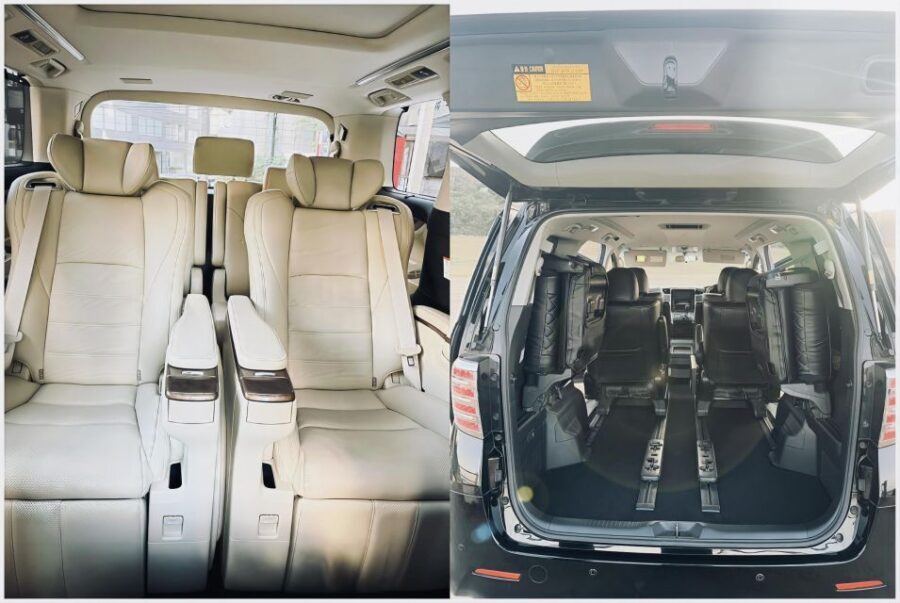
This trip runs for about 10 hours, with departure set somewhere between 7:30am and 8:30am. You’ll either get picked up at a hotel in one of 12 central Tokyo wards or meet your guide at Tokyo Station, Marunouchi North Exit (1-chōme-9-1 Marunouchi). If you’re meeting at Tokyo Station, you’ll receive the gathering location photo via WhatsApp.
Once everyone’s in, you’ll ride in a comfy van toward the Mt. Fuji area. The pickup order depends on where you’re located, which matters because it’s how they keep the schedule from turning into a long city detour.
Two practical tips here:
First, if you can, choose the Tokyo Station meeting point. It’s usually more predictable than guessing timing for hotel pickup. Second, keep your phone ready. Your guide contacts you the night before via WhatsApp and expects you to have the app downloaded for smooth communication.
A few more Tokyo tours and experiences worth a look



Lake Motosuko Shibazakura Festival: your pink-carpet Mt Fuji moment
The centerpiece is the Fuji Shibazakura Festival at Lake Motosuko, with about 120 minutes on site and the festival grounds entry ticket included. This is the seasonal highlight, typically mid-April to late May, when moss phlox (Shibazakura) turns the foothills into a sea of pink.
The numbers you’re seeing on arrival are the point: around 800,000 blossoms help create that classic flower-carpet look, with Mt. Fuji as the big background. You’ll have time to walk through the fields, stop for photos, and just enjoy the seasonal buzz.
What I like about this stop for real travel value: you’re not just passing by a pretty view. You’re there long enough to switch spots, try different angles, and still avoid the feeling of being rushed. And because the entry fee is covered, you don’t waste time figuring out ticket counters when you could be scanning the sky for that clear Fuji silhouette.
Festival food is also available, but it’s on you. You’ll have free time to sample items at your own expense, so I’d treat lunch as optional and only buy what you actually want to eat.
Oishi Park on Lake Kawaguchiko: one of the best Fuji panoramas
Next comes Oishi Park on Lake Kawaguchiko for about 50 minutes. This is a lakeside flower garden known for offering one of the best panoramic views of Mt. Fuji across the water.
Even though Shibazakura is the star today, Oishi Park still earns its place. The park’s look changes by season (lavender in summer, cosmos in autumn), so you’re getting a second viewpoint on the same mountain-from-a-different-angle story.
For photos, this is where you slow down. You’re not chasing a single perfect frame like at the Lawson and Hikawa stops. Here, you can wander a bit along walking paths and let the view come to you.
Big caveat: like all Mt. Fuji viewing, visibility depends on weather. If the mountain is hidden, you’ll still have the lake-and-garden atmosphere, but the wow factor can drop. I’d still go for the walk, because the motion of the lake and the seasonal plantings are part of the experience.
Lawson Kawaguchiko Station and Hikawa Clock Shop: quick Fuji-framing wins

These two stops are short—about 20 minutes each—but they’re famous for a reason.
1) Lawson Kawaguchiko Station photo stop
This is the classic Mt. Fuji photo spot where the convenience store’s blue signage frames the mountain. It’s an easy snapshot, and it’s also a fun cultural contrast: modern everyday Japan, instantly branded by the mountain behind it.
2) Hikawa Clock Shop (Ladder Town) photo stop
This is the narrow lane where the street lines up with Mt. Fuji in a very specific way. It’s the kind of spot you either nail immediately or you don’t, so arrive ready to move fast, take the picture, then step aside.
Here’s the practical thing: these are highly weather-dependent. If you can’t see Mt. Fuji clearly, your photos won’t match the viral angles. Still, I think these are worth it because they’re part of the tour’s identity: you’re collecting a few signature Fuji frames without needing to plan your own route.
Oshino Hakkai Springs: the calm rural finish

About 40 minutes later, you’ll reach Oshino Hakkai, a traditional village setting around eight crystal-clear ponds. These ponds are fed by spring water from melted snow on Mt. Fuji, which is a cool detail because it ties the whole day together: from spring flowers to the mountain’s water system.
This stop feels quieter than the festival. You can wander at an easy pace, look at koi-filled ponds, and enjoy the simple rural charm. It’s also a good moment to reset your day before the drive back to Tokyo.
If you’re the type who likes variety, this is where the tour stops being only about photos and becomes about atmosphere—walking paths, pond reflections, and an old-school feel that’s different from Tokyo’s energy.






The pace of a 10-hour day: what to expect on the road
This tour is full. That’s the trade. You’ll cover multiple regions around the Fuji lakes and still be back in Tokyo by around 6:00pm.
Because the day runs like a schedule, you’ll want to travel like a minimalist:
- Keep your bag small. Luggage space is limited, so avoid large suitcases.
- Use the given photo-stop windows wisely. When a stop is 20 minutes, you don’t have time to browse every corner.
- Be mentally ready for traffic. The tour notes that departure time and itinerary can shift with peak-season traffic, so I’d avoid plans that depend on an exact return time later that night.
Also, the van pickup and drop-offs mean you might not be the first on or off at each location. The payoff is convenience. The cost is a little unpredictability.
Price and value: what $77 really buys you
At about $77 per person, this day trip is priced for people who want structure and minimal hassle. The biggest value drivers are what you don’t have to pay separately or plan yourself:
Included in the price:
- Round-trip transportation from Tokyo within designated pickup/drop-off areas
- English and Chinese speaking driver-guide service
- Entrance fee to the Shibazakura Festival grounds at Lake Motosuko
- Highway tolls, parking fees, and vehicle expenses
Not included:
- Meals and drinks (you’ll get free time at the festival food stalls)
- Personal spending
When I look at value for a day like this, I think about time more than cost. Getting to Lake Motosuko and doing the Fuji-photo circuit is doable on your own, but it’s also where tourists waste time: transfers, ticket buying, and route juggling. Here, you’re paying to avoid that.
The one place to be realistic: if Mt. Fuji is mostly hidden by clouds, you may feel like you bought a scenic drive more than a mountain-photo dream. On clear days, this route can feel very worth it. On gray days, it’s still a nice day, but your main visual payoff changes.
Comfort, safety, and expectations around the driver-guide

One important note for how to set yourself up: the service is described as an English & Chinese speaking driver-guide. That’s not the same thing as a full-time, lecture-style tour guide, and some people may find the guiding focuses more on getting you to the right photo spots on time.
So if you need lots of narrative history or fluent, continuous commentary, I’d plan on learning most of the story from what’s in front of you: festival signage, views, and the vibe of each stop.
Also, because you’re riding by road between lakes and viewpoints, you should be comfortable in a van during mountain-region driving. If you’re sensitive to motion or you get nervous in traffic on winding roads, take that seriously.
Who this trip suits best (and who should skip it)
This is a strong match if you’re:
- Visiting Tokyo and want a single-day Mt. Fuji hit in spring
- A photo-first traveler who loves collecting specific viewpoints like Lawson and Hikawa Clock Shop
- The type who appreciates short, focused stops and a clear schedule
It’s less ideal if you:
- Need a slow travel pace with lots of time to roam each location
- Are expecting deep guiding throughout the entire day
- Are in the tour’s not-suitable age range (it’s listed as not suitable for people over 70 years)
And a couple rules to know ahead:
- Pets aren’t allowed (assistance dogs are allowed)
- Alcohol and drugs aren’t allowed
Tips to maximize your chances of a clear Mt. Fuji view
Even with the best itinerary, Mt. Fuji is a weather deal. Here’s how to stack your odds based on how the day is built:
- Go into the Lawson and Hikawa stops prepared to shoot quickly. Those windows are short, and alignment is a big part of why they work.
- If Fuji is visible on arrival at Lake Motosuko, you’ll likely get better results across the day. If it’s hidden early, keep expectations flexible.
- Wear layers. Spring can shift fast around lakes and viewpoints.
Most importantly: show up on time for departure. The tour is explicit that the bus departs on time with no exception. That’s not just a rule; it protects everyone’s schedule for photo stops and festival timing.
Should you book this Mt. Fuji and Shibazakura day trip?
If you want one day where Tokyo becomes Mt. Fuji and spring flowers, I’d seriously consider booking. The tour’s value is in how it packages the main festival moment at Lake Motosuko, adds a second high-viewpoint stop at Oishi Park, then delivers two fast Fuji photo frames at Lawson and Hikawa Clock Shop, plus a peaceful ending at Oshino Hakkai.
Book it if you’re okay with a packed schedule and you’re visiting during the typical Shibazakura season window (mid-April to late May). Skip it if you’re the type who needs lots of guided talk, or if you’re very sensitive to driving and motion, or if you’ll be deeply disappointed by the chance that clouds hide the mountain for parts of the day.
FAQ
How long is the Tokyo: Cherry Blossom Mt Fuji & Shibazakura Festival Day Trip?
It runs for about 10 hours.
What time does the tour depart Tokyo?
Departure is scheduled between 7:30am and 8:30am, depending on the pickup and traffic.
Where do I meet if I do not want hotel pickup?
You meet your guide at Tokyo Station, Marunouchi North Exit (1-chōme-9-1 Marunouchi, Chiyoda City, Tokyo).
Is the Shibazakura Festival entry fee included?
Yes. The entry fee to the Fuji Shibazakura Festival grounds at Lake Motosuko is included.
What meals are included in the tour price?
Meals and drinks are not included. You’ll have free time to eat at festival food stalls.
What languages are available for the driver-guide?
The service is described as English and Chinese speaking, and the activity lists languages as English, Japanese, and Chinese.
Is there a limit on luggage size?
Yes. Luggage space is limited, so it’s best to avoid bringing large bags.
Will I need WhatsApp during the trip?
Yes. Your guide contacts you the night before via WhatsApp, including the gathering location photo when meeting at Tokyo Station.