REVIEW · OSAKA
Osaka Home Feast Cooking and Sake Experience
Book on Viator →Operated by MagicalTrip Inc. · Bookable on Viator
One evening, one apron, and real Osaka cooking. This home-feast format is built around a grocery run plus hands-on cooking of Osaka-style takoyaki and other izakaya dishes, paired with sake as you go. I really like that you’re not just watching a class; you’re making decisions at the store and cooking like you actually eat in Japan. The main thing to consider is the timing: it starts at 4:30 pm and lasts about 3 hours, so you’ll want a low-stress evening plan.
What also works well is the small size—up to 7 people—which keeps the pace friendly and the questions coming. In prior groups, guides such as Chie and Nina have been especially good at mixing cooking with simple Japan context, so you leave with flavors and a bit more understanding. The only drawback: it’s not the kind of class where you can wander off to sightsee between steps; it’s a tight, guided flow from start to finish.
In This Review
- Key Highlights You Can Feel in Your Day
- Osaka Home Cooking Starts at a Corner Grocery Run
- How the Supermarket Shapes Your Osaka-Style Takoyaki
- Inside the Cooking Studio: Apron On, Confidence Up
- The Dishes You’ll Cook, and Why Each One Works
- Crispy takoyaki: the Osaka signature
- Chicken with green onion, mayo, and ponzu
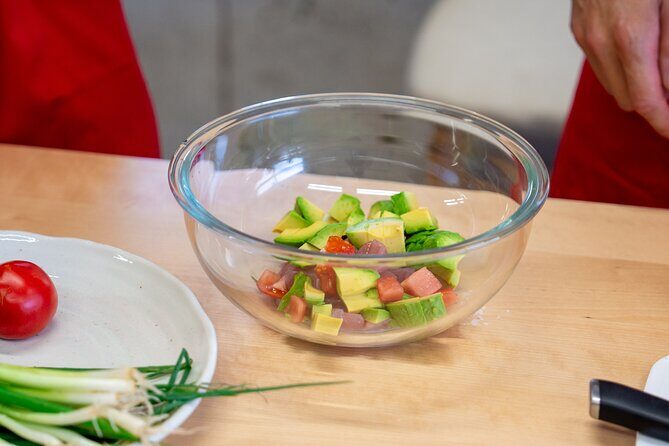
- Wasabi-marinated tuna
- Sake Pairing While You Cook: What It Adds to the Night
- The Feast Table: Takunomi Vibe and Good Conversation
- What You Take Home: The Downloadable Recipe Pack
- Price, Group Size, and Timing: Is It Good Value?
- Practical Tips for Getting the Most Out of It
- Should You Book This Osaka Home Feast and Sake Experience?
- FAQ
- What is the duration of the Osaka Home Feast cooking and sake experience?
- Where does the experience start, and what time does it begin?
- How much does it cost per person?
- How many people are in a group?
- What will I be cooking?
- Does the experience include sake?
- Will I get recipes to take home?
- Is it easy to get to the meeting point using public transport?
- Is there a free cancellation option?
Key Highlights You Can Feel in Your Day
- Supermarket start that teaches you how to choose ingredients for Osaka cooking, not just follow steps
- Takoyaki filling brainstorming so you see how toppings and mix-ins change the bite
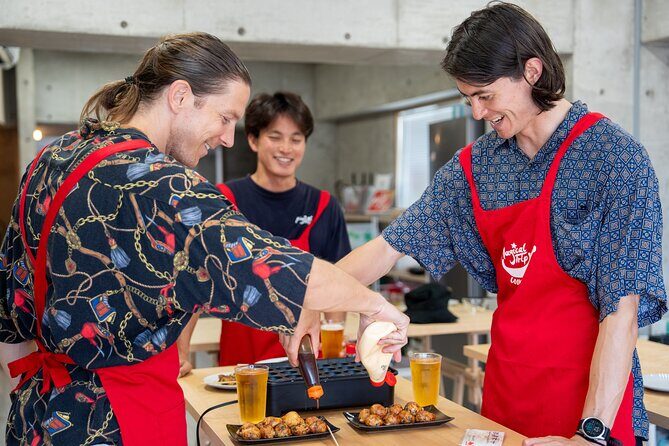
- MagicalTrip apron and studio setup that keeps everything practical and hands-on
- Izakaya-style dishes paired with handpicked sake (plus beer or soft drinks) while you cook
- Small group experience (max 7 people) that makes it easier to ask questions
- Downloadable recipe pack so you can recreate the meal later at home
Osaka Home Cooking Starts at a Corner Grocery Run
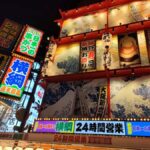
Osaka at night has a specific rhythm, and this experience uses it well. You meet your English-speaking local guide and then walk to a nearby supermarket, where the tour shifts from tourist mode to kitchen mode.
I like that the first step is shopping, because it answers the big question you’ll have later: where do these ingredients come from, and what do they actually look like before they hit a pan? You’re also doing something that feels very Japanese but not complicated—reading labels, spotting what’s used locally, and learning what to buy for classic comfort food.
At a practical level, the tour stays compact. It’s about 3 hours, starts at 4:30 pm, and ends back at the meeting point, so you don’t have to stitch together multiple activities.
You can also read our reviews of more food & drink experiences in Osaka


How the Supermarket Shapes Your Osaka-Style Takoyaki
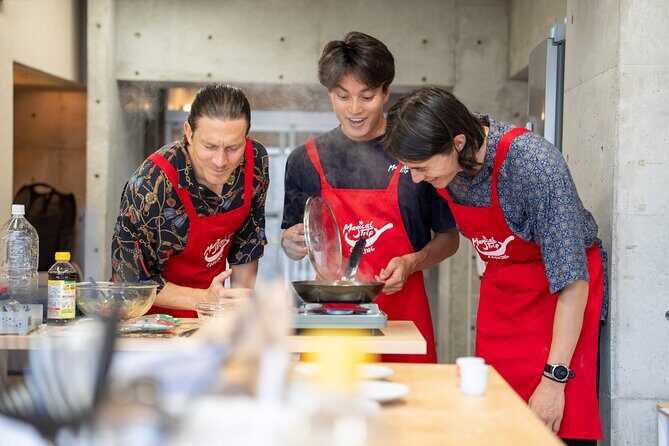
The grocery store is more than a warm-up. It’s where you’ll brainstorm takoyaki fillings in Osaka-style, which is the kind of detail that makes the finished dish feel personal.
Takoyaki is often treated like a one-size snack, but the filling choices change the whole character—savory, spicy, fresh, creamy, or all of the above. In this format, you get to think about what goes inside before you start cooking, so you’re not just copying a technique; you’re building a version that matches your taste.
You’ll also get a real sense of how Japanese households shop for dinner. The value here is simple: once you’ve seen what gets bought and how it’s bundled, you’ll be better at recreating things later at home with what’s available where you live.
Inside the Cooking Studio: Apron On, Confidence Up
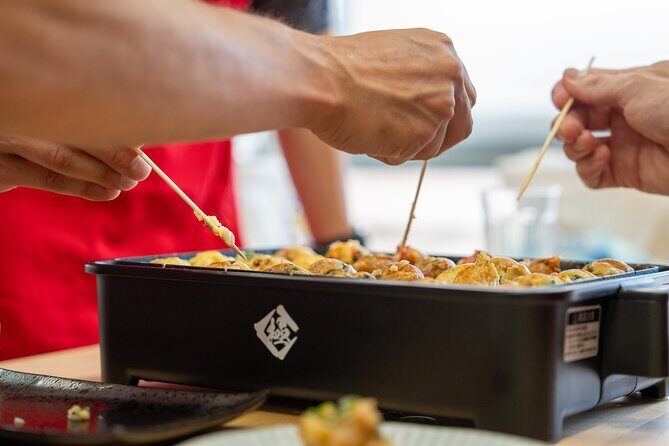
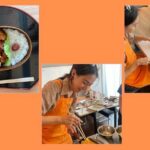
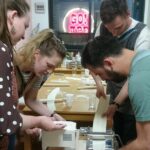
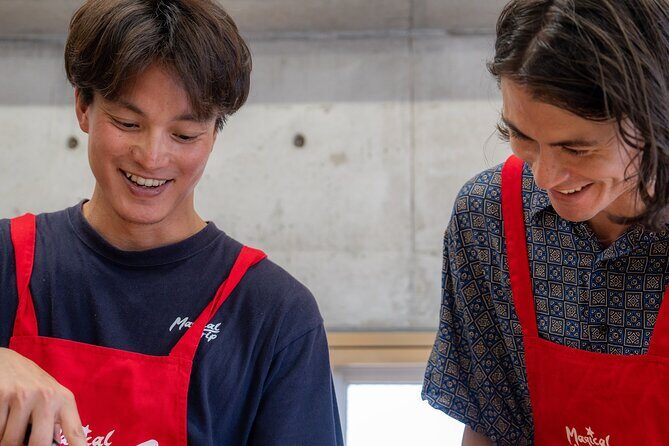
After the supermarket, you head to a cozy cooking studio and slip on your MagicalTrip apron. This part matters because it turns the whole night into a clear sequence: prep, cook, taste, adjust.
The experience is izakaya-style, which is a polite way of saying it’s made for sharing and small plates rather than one formal set meal. You’ll likely move through the process with a guide who’s focused on teaching what you need, not overwhelming you with technical language.
I also appreciate the pacing. Since the group is limited to 7 people, you generally aren’t stuck waiting long stretches for your turn. And if your group ends up being smaller, the guide can slow down and focus on what you want to learn—something that’s come up in prior experiences with guides like Nina.
The Dishes You’ll Cook, and Why Each One Works
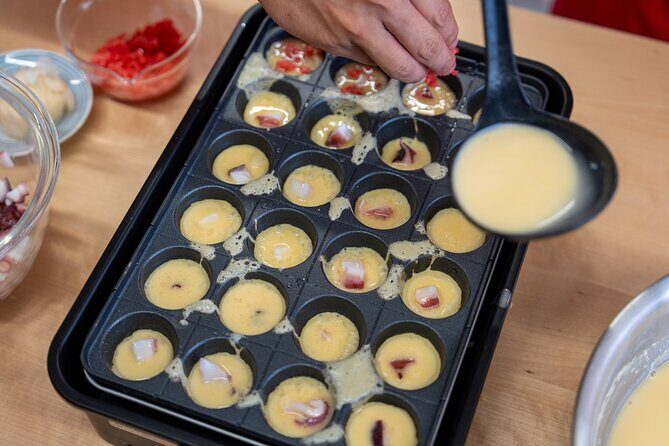
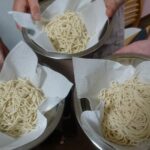
You’ll start with early bites as you cook—good for energy and also for learning the flavors in the middle of the process, not only at the end. Expect things like Mugen Cabbage and Wasabi Tuna Salad, which give you that crunchy, fresh start that balances the richer cooking to come.
Then you’ll move into the main techniques behind a classic izakaya spread.
Crispy takoyaki: the Osaka signature
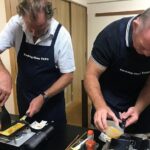
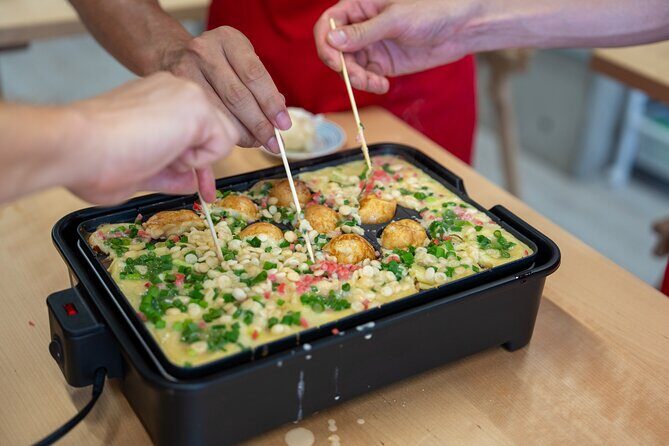
Takoyaki is the centerpiece for a reason: it’s fun, visual, and very forgiving if you understand the basics. You’ll learn how to make crispy takoyaki so you get that contrast between outside crunch and inside juiciness.
A tip you’ll likely appreciate: when you’re cooking street-food style items at home, the details matter more than you think—heat control, timing, and how you handle each ball as it sets. The guide’s role here is to keep you from overthinking and instead focus on repeatable moves.
You can also read our reviews of more cooking classes in Osaka

Chicken with green onion, mayo, and ponzu
Next comes chicken with green onion, mayo, and ponzu—a combo that hits multiple notes at once. Ponzu brings citrusy tang, mayo adds body, and the green onion keeps it sharp and clean.
What I like about this dish is that it feels very Japan without being complicated. You can recreate it later with ingredients you can usually find or substitute, and you don’t need special kitchen equipment beyond the basics.
Wasabi-marinated tuna
You’ll also work with wasabi-marinated tuna, which brings heat and brightness without making the meal one-note. It’s also a good lesson in balance: wasabi is powerful, so the marinade and timing are part of the flavor logic.
If you’re the type who worries that home cooking won’t match restaurant taste, this dish shows the opposite. Small choices in seasoning and freshness go a long way.
Sake Pairing While You Cook: What It Adds to the Night
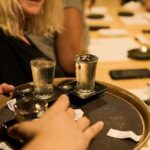
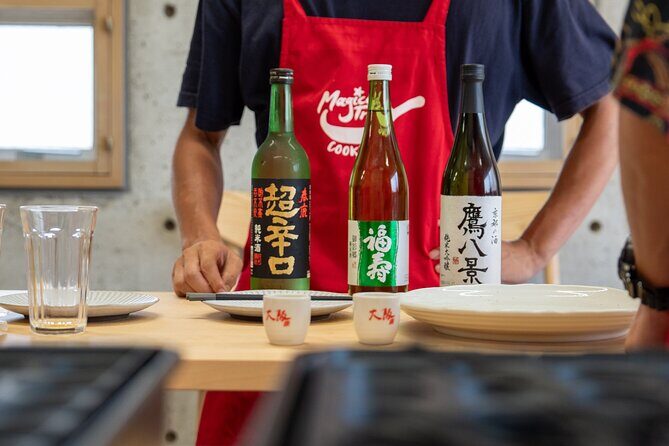
This isn’t a formal wine-and-cheese class. You’ll be sipping handpicked sake while cooking, and the experience also includes beer or soft drinks. That matters because it keeps the whole night casual in the best way—like a relaxed home dinner that happens to teach you something.
The idea behind pairing here is that sake changes how you experience food. Dry, crisp sakes can cut through richness; other styles can smooth spice and lift savory flavors. Even without becoming a sake expert, you’ll start noticing that the same dish tastes different depending on what you’re drinking.
If you like food pairing, you’ll get a lot out of this. If you don’t, you’ll still benefit because the drinks are part of the rhythm of the meal, not an extra task you have to study.
The Feast Table: Takunomi Vibe and Good Conversation
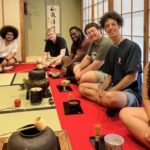
Once everything is ready, you’ll eat the spread you made in a relaxed, friend-like atmosphere. This is where the “home feast” part becomes real, because you’re not just finishing a cooking lesson—you’re sharing a meal.
The vibe is often described as taku-nomi, the home-drinking feel: not fancy, not stiff, and very social. With a max group size, you can actually talk while you eat, and you’re not stuck in a loud room with no chance to ask questions.
One bonus that shows up in past experiences with guides like Chie: the guide often adds Japan context and answers questions as the evening unfolds. That can be simple stuff—food habits, etiquette, or everyday culture—yet it makes the experience feel more grounded than a standard cooking demo.
What You Take Home: The Downloadable Recipe Pack
You’re not left with only memories. Before parting, you get a downloadable recipe pack so you can recreate the flavors later.
This is a big value point. A lot of cooking experiences teach technique but don’t give you a reliable way to repeat it at home. Here, the recipe pack turns the class into a future meal plan, not just a one-time event.
I also like that the recipes match what you actually cooked that night. That means you’re more likely to succeed the next time, especially if you buy similar ingredients and follow the steps that the guide used while cooking.
If you’ve ever tried to recreate something from a restaurant without knowing how it was built, you’ll appreciate having a blueprint.
Price, Group Size, and Timing: Is It Good Value?
At $91.04 per person for about 3 hours, this lands in the midrange for a food-and-drink experience. The value comes from three things you often pay extra for separately in Japan: guided ingredient shopping, hands-on cooking, and drink pairing that keeps you moving through the evening.
Also, the max 7 people size matters. With smaller groups, the guide’s attention is more practical, and you’re less likely to spend half the class waiting. For many people, that alone is worth the cost.
Timing-wise, starting at 4:30 pm is great if you like eating before the late-night rush. You’ll also be done early enough to continue your evening on your own, since it returns you back to the meeting point.
If you’re on a tight schedule, note that it’s a set block. It’s not designed to flex into a half-sightseeing afternoon—this is a full-kitchen experience.
Practical Tips for Getting the Most Out of It
A few small things can make a big difference.
Wear shoes that work well for walking in a Japanese neighborhood and for moving around a studio. Bring your appetite—this is an actual meal, not a snack session. And come ready to ask questions, especially if you want the cultural bits along with the recipes.
Because you’re shopping in a supermarket, you’ll want to be comfortable carrying what you pick up until you’re done (the format implies you’ll purchase ingredients as part of the experience). Keeping your day organized around the 4:30 pm start will help you relax and enjoy the steps.
Finally, if you’re a first-timer with Japanese cooking, this is a friendly way to learn. The dish variety—from salads to takoyaki to ponzu chicken—gives you a sense of how flavors stack in an izakaya meal.
Should You Book This Osaka Home Feast and Sake Experience?
Book it if you want a practical, hands-on Osaka evening that teaches you how a home cook builds an izakaya-style meal. It’s especially a good fit if you like food that’s interactive—shopping first, then cooking, then eating what you made—and if you want the drink pairing to be part of the fun, not a separate activity.
Skip it if you’re hoping for a big sightseeing day, a long explanation class, or a very formal culinary workshop. This is about the kitchen flow and the meal itself. For most people looking for a real taste of Osaka beyond restaurants, that’s exactly the point.
FAQ
What is the duration of the Osaka Home Feast cooking and sake experience?
It lasts about 3 hours.
Where does the experience start, and what time does it begin?
The meeting point is FamilyMart Minamimorimachi station South side, Osaka (Kita Ward, Tenjinbashi 2-chōme 310 1F), and the start time is 4:30 pm.
How much does it cost per person?
The price is $91.04 per person.
How many people are in a group?
The experience has a maximum of 7 travelers, keeping the group small.
What will I be cooking?
You’ll cook izakaya-style dishes such as crispy takoyaki and chicken with green onion, mayo, and ponzu, plus items like wasabi-marinated tuna and early bites including Mugen cabbage and wasabi tuna salad.
Does the experience include sake?
Yes. You’ll be sipping handpicked sake, and you can also have beer or soft drinks as part of the experience.
Will I get recipes to take home?
Yes. You’ll receive a downloadable recipe pack before you part ways.
Is it easy to get to the meeting point using public transport?
Yes. The meeting point is near public transportation.
Is there a free cancellation option?
Yes. You can cancel for a full refund up to 24 hours before the experience starts.