REVIEW · HYOGO PREFECTURE
Exclusive Sushi Making Experience with a Master Chef – Osaka Area
Book on Viator →Operated by A DAY of EXPERIENCE of SUSHI 一日にぎり寿司体験 · Bookable on Viator
A quiet sushi lesson can beat a busy food tour. This fully private, one-group-per-day nigiri experience in Ashiya (Hyogo) lets you work step by step with a master chef in a home setting, and you also get serious hands-on practice with the key shaping techniques like tate-gaeshi, kote-gaeshi, honte-gaeshi, and itte-nigiri. Two things I really like are the personal attention and the fact that you take home skills you can repeat, not just a meal. The only real catch is logistics: private transportation isn’t included, so you’ll want to plan how you’ll reach Ashiya from Osaka, Kobe, or Kyoto.
You can start within the late-morning or early-evening window (11:00 AM to 2:00 PM, or 5:00 PM to 8:00 PM), and the whole session runs about 3 hours. The class includes the meal experience (positioned as lunch or dinner depending on your start time), plus tools, gear, and simple drinks like tea or water. If you want crisp, photogenic results, bring your phone ready, because you’ll make sushi you’ll actually want to capture.
In This Review
- Key Highlights You Should Know Before You Go
- Why Ashiya Makes This Osaka-Area Sushi Class Feel Special
- Booking Value: What You’re Paying For at $115
- Arrival in Ashiya: Getting Settled Before You Start
- The Lesson Core: Learning Nigiri Techniques That Control Shape
- Hands-On Without the Mess: Clean Workflow with Gloves
- Fish and Rice Meet: Making Step-by-Step Nigiri You Can Eat
- What You’ll Learn to Recreate at Home (Without Fancy Shopping)
- How Private Attention Changes the Experience
- Timing Tips: Lunch vs Dinner Sessions
- Who This Fits Best
- Should You Book This Private Nigiri Class in Osaka Area?
- FAQ
- What is the duration of the sushi making experience?
- What time options are available?
- Is lunch or dinner included?
- Do I need to bring tools or ingredients?
- Are kids allowed?
- Can I cancel for a full refund?
Key Highlights You Should Know Before You Go
- One group per day means you get time for questions, not a rushed assembly line.
- 4 named nigiri techniques help you understand shape and pressure, not just copy a final look.
- Fresh ingredients and a guided process so you learn what makes good fish + good rice work together.
- Hands-on practice with sanitary gloves keeps the workflow tidy and beginner-friendly.
- You leave with practical at-home guidance using simple, easy-to-find ingredients.
Why Ashiya Makes This Osaka-Area Sushi Class Feel Special
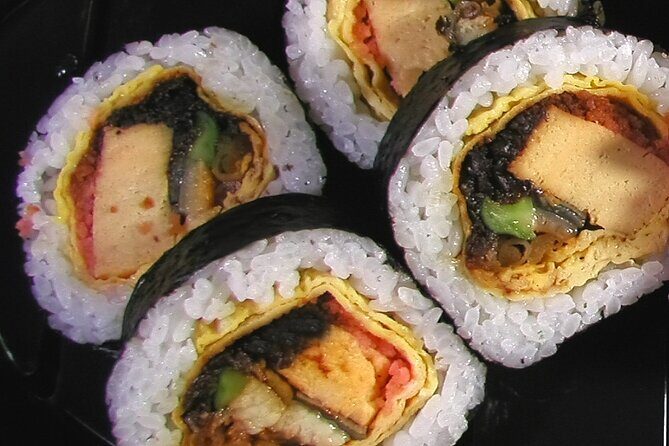
Ashiya is a smart base if you’re planning to spend your trip around Osaka, Kobe, or Kyoto. It’s close enough for easy day trips, but the vibe is calmer than the biggest tourist hubs. That matters here because this isn’t a factory-style class in a storefront. It’s a private session at the host’s home setup, so the atmosphere stays relaxed and personal.
I like that you’re not squeezed into a schedule with strangers. With one group per day, you can move at a comfortable pace and ask the chef to show things again. That also means you can focus on technique, like how rice should feel in your hands, rather than trying to hit a timed checklist.
The other big plus is the master-chef focus. The instruction is coming from a sushi professional with 40-plus years of experience, and the hosts you’ll meet (including Mika and Keitaro, as named in guest feedback) tend to make the experience welcoming. You’re learning craftsmanship, but you’re also being taught how to have fun with it.
You can also read our reviews of more tours and experiences in Hyogo Prefecture.


Booking Value: What You’re Paying For at $115
At $115 per person for about 3 hours, the price might look “premium” at first glance. But the value is in how the time is used. You’re getting a private, one-group-per-day class with tools provided, plus the ingredient work that goes into making several pieces of nigiri. You’re not just watching, and you’re not sharing attention with a bigger group.
It also helps that the experience is designed around food you make and eat on the spot. The inclusion of lunch and dinner (with sessions timed for late morning or early evening) means your ticket covers the meal portion, not just the lesson. Add drinks like Japanese tea or water, and it starts to feel closer to a high-quality dinner experience that happens to come with real instruction.
If you’re visiting Japan and you want one “skill-based” food moment, this is a strong candidate. It’s especially good value if you care about sushi technique enough to practice at home afterward.
Arrival in Ashiya: Getting Settled Before You Start
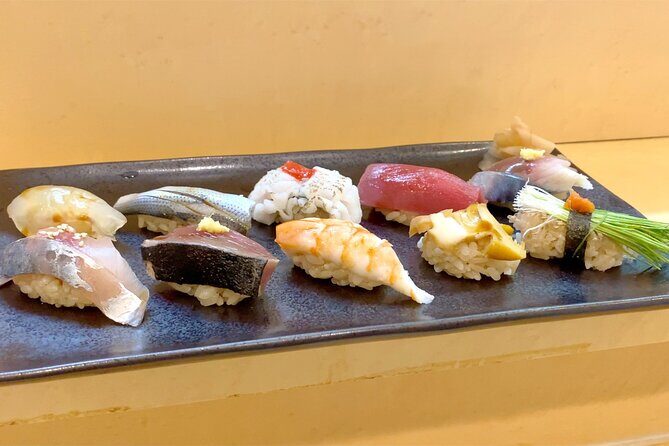
Your session starts and ends at the same meeting point in Ashiya, Hyogo (17-18 Iwazonochō, Ashiya). The area is described as near public transportation, which is helpful because it means you have options other than taxiing the whole time.
When you arrive, you’re stepping into a home-style setup. The experience notes include a comfy couch, plus help carrying a stroller upstairs if needed. That’s a small detail, but it makes the start feel smooth and not like you’re fighting with stairs, gear, or awkward logistics right before you begin.
You’ll also get everything you need for the hands-on part. The class provides all tools and gear, so you don’t show up thinking you need to bring a sushi mat, a knife, or anything specialized.
The Lesson Core: Learning Nigiri Techniques That Control Shape
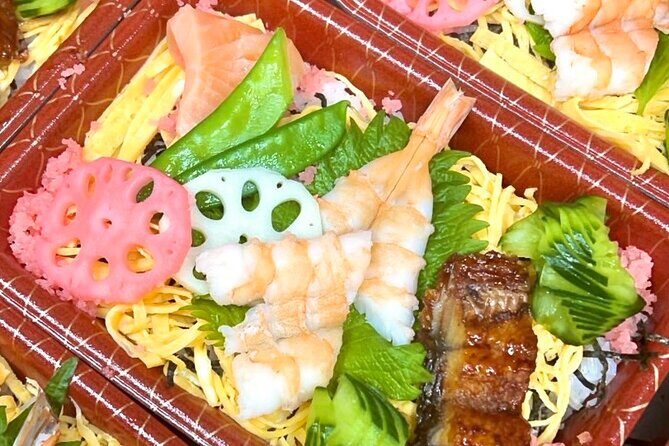
This class is built around four core nigiri rice-shaping techniques: tate-gaeshi, kote-gaeshi, honte-gaeshi, and itte-nigiri. That’s the heart of why this works for beginners and sushi fans alike.
Here’s what you’re really learning: not just how to make a piece of nigiri, but how sushi chefs think about form. Different folds and motions change how the rice compresses and how it supports the fish topping. Once you understand those mechanics, you can adjust your own technique faster.
You’ll practice shaping sushi rice before you move into making nigiri step by step. That order is smart. Rice is the foundation, and rice is where most beginners struggle. By building confidence in the shaping first, you avoid the frustration of trying to master everything at once.
Also, you’ll learn about the history and traditions of sushi along the way. Even if you don’t memorize every detail, the context helps you understand why the technique matters, and why Japanese chefs care so much about consistency.
Hands-On Without the Mess: Clean Workflow with Gloves
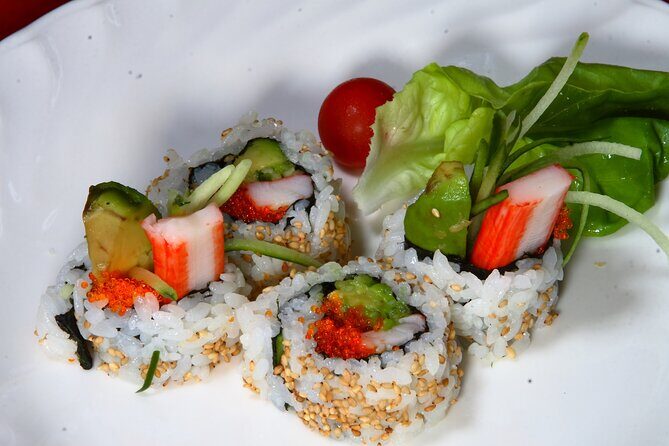
One of the most beginner-friendly parts is the sanitary glove approach. The experience description specifically mentions making nigiri with sanitary gloves, which means you’re not worrying about cleanliness while you’re still learning pressure, grip, and timing.
This is a bigger deal than it sounds. When you’re nervous or clumsy, your brain focuses on not making a mess. Gloves help you focus on doing it right. You’ll still learn practical handling, but the setup makes it easier to practice without stress.
The class also encourages you to use your smartphone or camera to capture your creations. That’s not just for fun. Photographing what you’re making helps you compare your pieces as you go, so you can spot improvements in shape and proportion during the session.


Fish and Rice Meet: Making Step-by-Step Nigiri You Can Eat
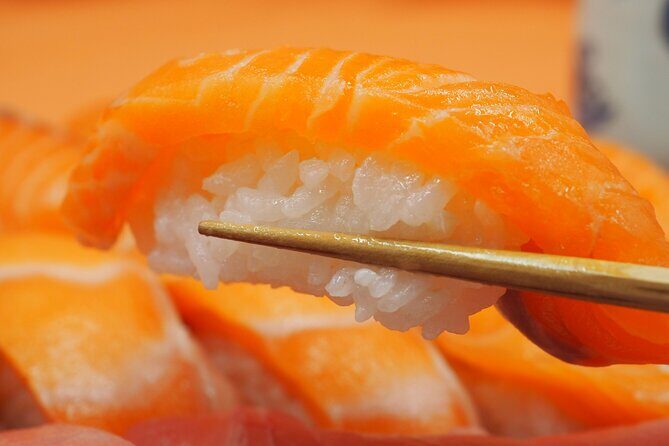
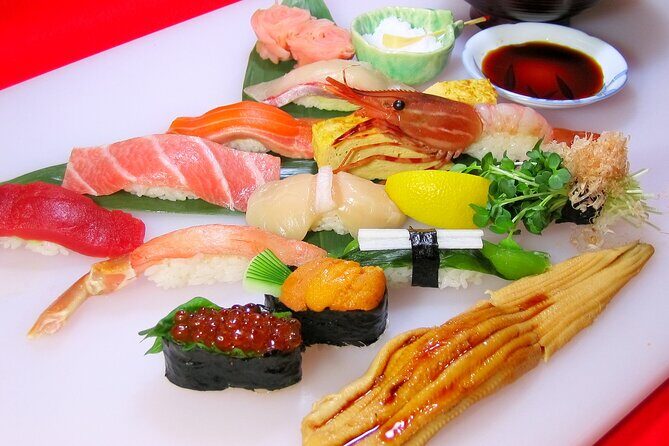
After you’ve practiced rice shaping, you move into making your own nigiri step by step with expert guidance. Because you’re working with fresh, high-quality ingredients, the experience teaches you what fresh fish actually feels like in terms of texture and taste.
This part is also where you learn the logic behind good sushi. Great nigiri is a balance: rice temperature and texture, careful shaping, and fish that fits the rice both in size and in bite feel. When the chef guides you, you start to notice those details in a way that a restaurant meal alone doesn’t always make clear.
You’ll finish by enjoying what you craft yourself. The portions can be generous, and guest feedback highlights that there’s more food than you’d expect, which is exactly what you want from a class like this. A sushi workshop that leaves you still hungry is a letdown. Here, the setup is clearly meant to end with a real meal.
What You’ll Learn to Recreate at Home (Without Fancy Shopping)
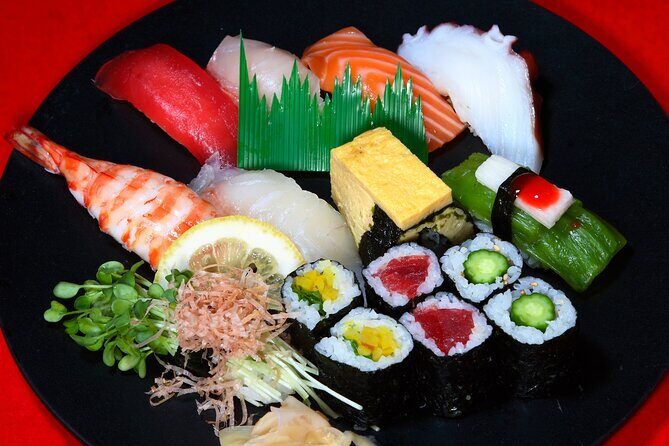
The class isn’t just about being able to make nigiri in that kitchen. The goal includes teaching you how to recreate sushi at home using simple ingredients.
That matters because home sushi isn’t only about rice and fish. The biggest challenge for most people is figuring out what’s essential versus what’s optional. By the end, you should have a clearer sense of the method you can repeat, plus how to approach rice shaping so your pieces look more consistent.
The chef’s insider tips are also part of the value. The instruction includes guidance you can carry forward, and the class is designed to help you feel confident about sushi nights after your trip. Even if you don’t make nigiri every week, you’ll likely be able to improve your results quickly when you try.
How Private Attention Changes the Experience
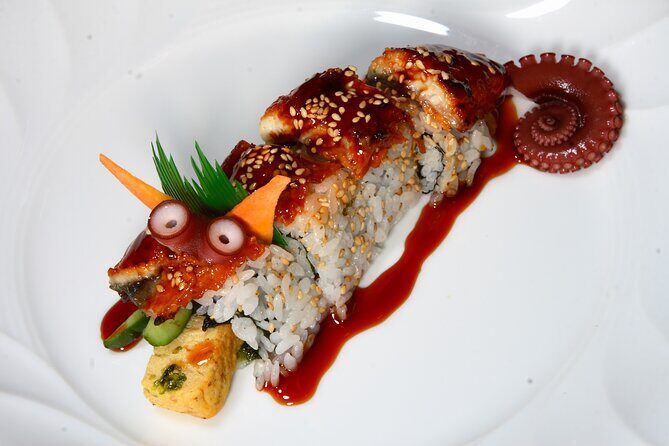
In a group class, you get the basics and then you wait your turn. In this one, you get feedback while you’re working. With one group per day, you can ask follow-up questions and adjust in real time.
That’s why I think this is a better choice than a more crowded cooking tour if you’re serious about technique. You’re not just collecting information. You’re practicing, getting corrections, and learning the little details that make sushi feel deliberate.
Guest feedback also points to the warmth of the hosts, including Mika and Keitaro. That kind of hosting matters because sushi shaping can feel fiddly at first. When the vibe is friendly, you’ll keep trying instead of shutting down after your first awkward piece.
Timing Tips: Lunch vs Dinner Sessions
You can choose a start within a late morning or early evening window. The experience notes say 11:00 AM to 2:00 PM works well for lunch, while 5:00 PM to 8:00 PM fits beautifully for dinner.
If you prefer a full meal afterward, dinner timing can feel especially satisfying since you finish near the evening rhythm. If you’re visiting temples or doing city walks earlier in the day, the late-morning slot helps you avoid rushing.
Either way, the session is about 3 hours, so plan it like a real activity block, not a side stop.
Who This Fits Best
This is a great fit if any of these sound like you:
- You want a hands-on Osaka-area food experience with real technique.
- You like learning how cooks think, not only eating the result.
- You’re traveling in a duo or small group and want privacy.
- You’re a beginner who’s curious about nigiri and want guidance that doesn’t assume prior skills.
It’s also family-friendly in a practical way: kids aged 0 to 9 join for free. That can make it easier to include younger travelers without turning the cost into a headache.
If you’re the type who hates transportation planning, do note that private transport isn’t included. Still, because the meeting point is near public transit, you may be able to handle it with normal transit planning rather than relying on taxis.
Should You Book This Private Nigiri Class in Osaka Area?
I’d book it if you want your sushi experience to include skill, guidance, and a proper meal in the same package. The private setup, the named nigiri techniques, and the focus on shaping rice first make it a strong class for both beginners and people who already eat sushi regularly.
You should think twice if you’d rather do a broad sightseeing day and you don’t want to handle transit to Ashiya. Also, since the experience uses fresh ingredients, it’s best to reserve with enough notice so everything can run smoothly.
If you want to come home with more than memories—if you want a sushi routine you can actually repeat—this is one of the more practical, satisfying ways to spend a few hours in the Osaka-Kobe-Kyoto area.
FAQ
What is the duration of the sushi making experience?
It runs for about 3 hours.
What time options are available?
You can start between 10:00 AM and 6:00 PM, with operating windows listed as 11:00 AM to 2:00 PM and 5:00 PM to 8:00 PM.
Is lunch or dinner included?
Yes. The experience includes lunch and dinner, and sessions are timed to fit either the lunch or dinner window.
Do I need to bring tools or ingredients?
No. All tools and gear are ready, and you don’t need to bring anything besides yourself and your appetite.
Are kids allowed?
Kids aged 0 to 9 join for free.
Can I cancel for a full refund?
You can cancel up to 24 hours in advance for a full refund. If you cancel less than 24 hours before the start time, the amount paid won’t be refunded.