REVIEW · HYOGO PREFECTURE
E-Bike tour through old rural Japanese silver mining town
Book on Viator →Operated by Roots & Routes · Bookable on Viator
Quiet hills, then real mining history. This e-bike tour moves through rural Ikuno at an easy pace, from a climb you’ll barely feel to a tunnel and down into farmland views, plus river crossings and quiet woods with small finds you’ll want your camera for. If you like places where daily life still looks local—shrines, farms, mine tracks—you’ll enjoy how the route tells the story as you ride.
I especially liked two things: the electric assist makes the route feel relaxed, even when it looks hilly on the map, and the guide—often Kevin—keeps the history clear without turning it into a lecture. You’ll also get pointed toward photography moments, including a well-loved spot for catching a passing train close-up.
One thing to plan for: this experience needs good weather, and the tour doesn’t include lunch or bottled water. You’ll want to budget for snacks and drinks, and keep an eye on what you’ll buy along the way.
In This Review
- Key things to know before you pedal
- Entering Ikuno on an E-bike: why this route feels different
- Price and time: what $130.31 buys you (and what it doesn’t)
- The route: tunnel to train spot, with river-and-wood pauses
- The climb that doesn’t exhaust you
- The tunnel and the first shift in scenery
- River crossing and woods with small discoveries
- The train-photo moment locals care about
- Stop 1: Ikunocho Kuchiganaya and the old mine-town heart
- 1,200 years of mining-town layers
- Shrines, rivers, and the everyday around the mines
- French engineers and the path to modernization
- Where the rivers fit into the geography
- Admission note
- Cycling back to Ikuno Town: what the return trip adds
- The short walking tour in Ikuno Town: quick, but pointed
- Guide quality: the difference between facts and meaning
- What to pack: water, rain gear, and souvenir-friendly bags
- Who this tour suits best (and who should skip it)
- Should you book this e-bike tour through Ikuno’s mining countryside?
- FAQ
- Where does the tour start?
- How long is the e-bike tour?
- What does the tour include?
- Is lunch included?
- Is bottled water included?
- Do I need a printed ticket?
- Is this a private tour?
- Is the meeting point near public transportation?
- What happens if it’s canceled due to weather?
- Can I cancel for free?
Key things to know before you pedal
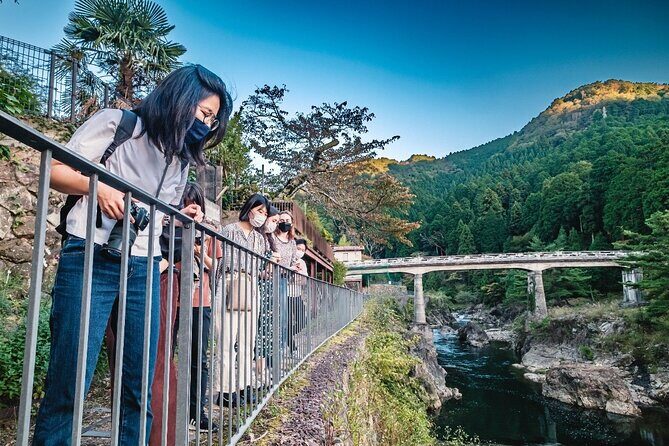
- E-bike assist for real hills so the ride stays comfortable
- Mining-town walking + photo spots after the cycling part
- Kevin-style guiding: easy to talk to, strong on local history
- Rainwear included if the sky gets grumpy
- No lunch and no bottled water included, but you can buy it locally
- Private tour format, just your group on the route
Entering Ikuno on an E-bike: why this route feels different
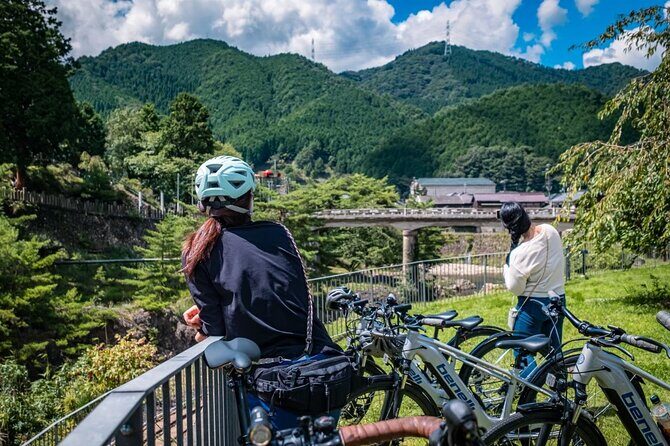
Ikuno (in Hyogo Prefecture) is the kind of place that doesn’t need big crowds to feel alive. It has layers—river life, farm life, and an old silver mining town story that goes back for centuries. The e-bike helps you connect those layers without arriving sweaty and out of breath.
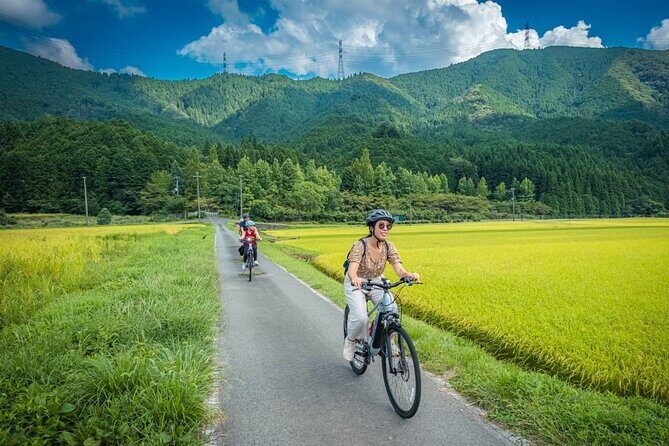
The ride starts at Ikuno Station, then you head out on a gradual ascent. The important part is how the assist works: you still pedal, but climbs don’t steal your energy. You’re free to notice details—old structures, river lines, shrines, and the quiet rhythm of rural life—instead of focusing only on not dying on a hill.
And then the route shifts. You cycle through a tunnel, then the terrain opens into a gentle descent. That change matters because it keeps the tour from feeling like one long effort. You’ll have the chance to settle in and enjoy the countryside instead of muscling through it.
You can also read our reviews of more cycling tours in Hyogo Prefecture
Price and time: what $130.31 buys you (and what it doesn’t)
The price is $130.31 per person, with a duration of about 3 to 4 hours. That’s a pretty good match for people who want a meaningful slice of rural Japan without spending the whole day commuting between stops.
Here’s the value angle: you’re paying for transportation (a quality e-bike), guidance, and safety gear. You’re also getting a guided mix of riding and walking through key parts of Ikuno and the surrounding areas—plus help spotting history and photography moments you’d likely miss on your own.
What you should budget extra for:
- Lunch (not included)
- Bottled water (not included), though bottle cages are available and the guide can carry water if needed
Also, the experience is weather-dependent. If it gets canceled due to poor weather, you’re offered a different date or a full refund. That’s fair and it protects your time.
The route: tunnel to train spot, with river-and-wood pauses
Even without a formal “stop list” for every segment, the route is built like a story with mood changes.
The climb that doesn’t exhaust you
You begin with a gradual ascent. The e-bike assist is the difference between grinding through it and arriving ready to look around. If you haven’t ridden a bike in a while, this is a smart choice.
The tunnel and the first shift in scenery
Cycling through a tunnel gives you a break from open views and adds that “we’re really moving through the landscape” feeling. Then you roll into a gentle descent, and the view opens up into farmland.


River crossing and woods with small discoveries
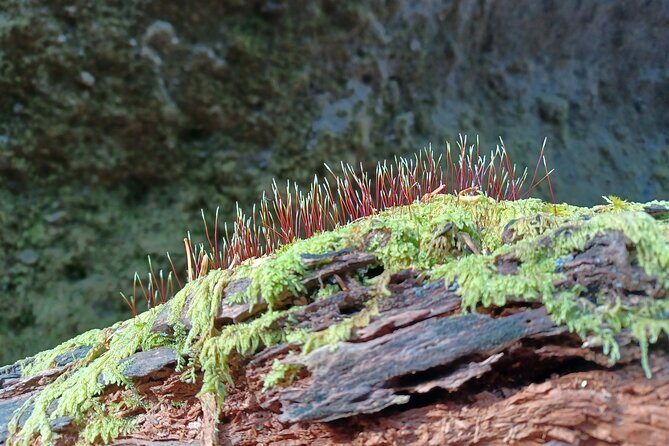
After farmland, you cross a river and head into the woods. This is where you’ll notice artifacts and details along the route—things you wouldn’t see if you were just driving past.
Some tours hit rural scenery and then move on. This one slows enough that you can look, ask questions, and take photos without feeling rushed.
The train-photo moment locals care about
If you like “real life” photography, this is a highlight. The ride includes a chance to visit a renowned photography spot loved by locals, where you may be able to capture a close-up shot of a passing train.
You don’t control when trains come, but the guide’s job is to get you set up at the right moment. If trains are your thing, this part alone can make the tour feel special.
Stop 1: Ikunocho Kuchiganaya and the old mine-town heart
Your first major focus is Ikunocho Kuchiganaya. This is where the silver mining story becomes physical—on foot, with the ground details that make history feel tangible.
1,200 years of mining-town layers
Ikuno is described as a mining town with over 1,200 years of history. The tour gives you time to walk along the tracks of mine carts that once carried ore. That walking matters. It turns the story from something you read into something you can see in space.
Shrines, rivers, and the everyday around the mines
You’re not just walking in a museum-like zone. As you move along the tracks, you’ll notice how the area combines mining remains with rivers, shrines, and nature. That blend is the point of Ikuno: the old industry didn’t replace the local landscape—it became part of it.
French engineers and the path to modernization
A key history theme is the role of French engineers in developing industrialization tied to the town. You’ll learn how that connects to the first steps toward modernization in Japan.
I like this kind of context because it keeps the story anchored. You’re not memorizing dates; you’re understanding why the town changed and how foreign expertise factored into that shift.
Where the rivers fit into the geography
Ikuno sits at a geographic junction in Hyogo, connecting regions like Tajima and Harima. The town includes headstreams of two rivers: the Maruyama River drifting toward the Sea of Japan, and the Ichikawa River drifting toward the Seto Inland Sea. Even if you don’t go deep on watersheds, it helps you understand why the town grew and how travel routes and water sources mattered.
There’s also a mention that the area acts as a watershed of the larger river systems. If you like geography as a storytelling tool, you’ll probably enjoy how the guide frames it.
Admission note
This stop is listed as admission ticket free, so you’re not adding extra entrance fees for the main part of the mining-town experience.
Cycling back to Ikuno Town: what the return trip adds
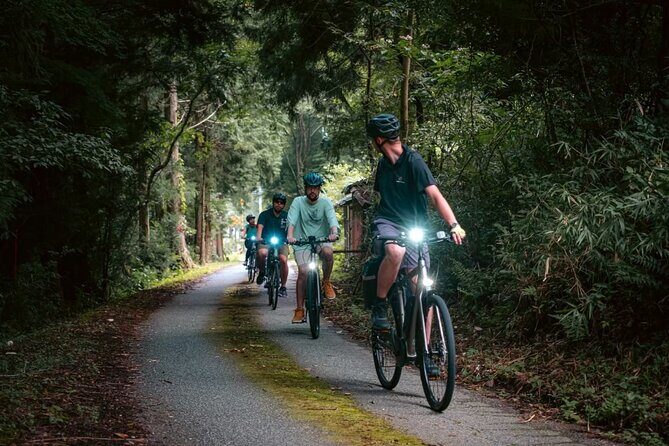
After the riding segments and the first big stop, the guide navigates the route back toward Ikuno Town. This isn’t just “getting there.” The return helps you see how the scenery and the town character shift as you approach the center.
In rural places, it’s easy to miss details on the way back because you’re tired or eager to wrap up. Here, the pace and the guide’s attention mean you’re still able to notice things and ask questions.
Also, the timing can flex a bit. The remaining hours are reserved so you can add extra small stops—like grabbing souvenirs—or simply take a bit more time walking to appreciate what you see.
The short walking tour in Ikuno Town: quick, but pointed
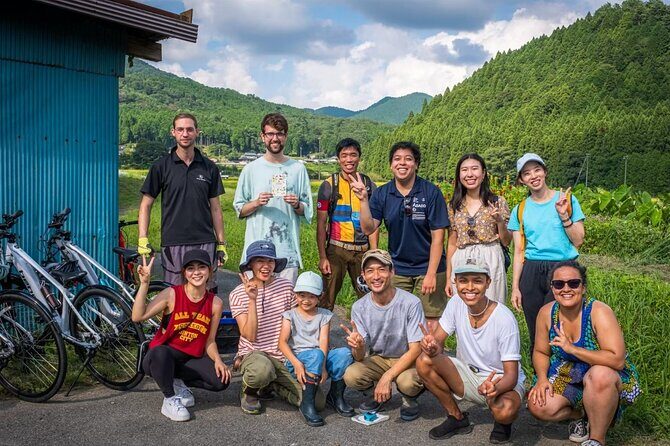
Once you reach the destination, there’s a brief walking tour in Ikuno Town to round things out. This is where you get the “town feel” after the countryside cycling.
You’re not signing up for a long museum day, so the walking tour is designed to hit the essential flavor: local character, mining-town context, and key points of interest you can carry with you after the ride ends.
If you enjoy conversations with locals, you may also appreciate the way local women’s stories can show up in the experience. In the past, guides have guided groups to meet or learn from local people connected with community activities like Machizukuri Kobo, which can add a human voice to the history.
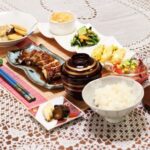
(Note: the exact food and meeting details can vary. Lunch and bottled water are listed as not included, even though some guides have been known to time local food breaks.)
Guide quality: the difference between facts and meaning
A good guide doesn’t just recite information. They help you connect what you see with why it matters.
In this case, Kevin comes up repeatedly in past experiences as someone who’s easy to talk to and genuinely knowledgeable about both the area’s history and broader Japan context. That matters because it changes your questions. You’ll find yourself asking simpler things like how people lived here, why the mines shaped the roads, and what still matters today.
The best part is that the guidance often feels practical. For example, you’re more likely to be able to focus on photography when someone helps you time the moments and position you safely.
What to pack: water, rain gear, and souvenir-friendly bags
You’re given rainwear if it rains, plus a helmet and safety equipment. That’s a big deal in Japan because weather can change fast, and you won’t want to guess whether you’ll get soaked.
What to bring:
- A small bag or backpack if you plan to shop for souvenirs (you may want your own bag for purchases)
- Comfortable shoes for the short walking portion
- Your own phone camera batteries if you’re planning on train photos
- If you like being prepared: an extra drink or a snack, since lunch and bottled water aren’t included
The bike comes with bottle cages, and the guide may carry water for you depending on what’s needed. Still, I’d treat this as a “buy-as-needed” day.
Who this tour suits best (and who should skip it)
This works great for:
- People who want rural Japan + real history without spending all day hiking
- Photography lovers, especially train-spot style shooting
- Anyone who finds normal cycling tours tiring but still wants the freedom of riding
- Groups who like a private format and a guide who can pace the route to your group
You might want to choose another option if:
- You’re only looking for a long, strenuous bike day (this is paced to feel approachable)
- You dislike weather-based plans, since the experience requires good weather and can be rescheduled
Should you book this e-bike tour through Ikuno’s mining countryside?
If you want a day that blends quiet countryside with a mining-town story that feels physical, I think this is a smart booking. The electric assist keeps the ride comfortable, and the mix of cycling plus a short walking tour gives you more than a scenic drive. Add in the chance for a local-loved train photo spot, and it’s the kind of experience that leaves you with images that feel earned, not posed.
I’d book it if you’re excited by:
- Mine tracks and town history taught in an understandable way
- Rural life—shrines, rivers, farms—at a human pace
- A guide like Kevin who can make the area’s context click
If the weather looks shaky, keep flexibility in mind. And remember: plan for water and meals on your own. With that handled, you’ll get a memorable slice of Hyogo that feels genuinely local.
FAQ
Where does the tour start?
It starts at Ikuno Station (Ikunocho Kuchiganaya, Asago, Hyogo 679-3301, Japan).
How long is the e-bike tour?
The duration is about 3 to 4 hours.
What does the tour include?
It includes use of bicycle, rainwear if it rains, and a bicycle helmet and other safety equipment.
Is lunch included?
No. Lunch is not included.
Is bottled water included?
No. Bottled water is not included. You can buy it from vending machines or convenience stores, and the bicycles have bottle cages (the guide may carry water for you too).
Do I need a printed ticket?
No. You get a mobile ticket.
Is this a private tour?
Yes. It’s a private tour/activity, and only your group participates.
Is the meeting point near public transportation?
Yes. The start point is listed as near public transportation.
What happens if it’s canceled due to weather?
The experience requires good weather. If it’s canceled because of poor weather, you’ll be offered a different date or a full refund.
Can I cancel for free?
Yes. You can cancel up to 24 hours in advance for a full refund. Canceling less than 24 hours before start time is not refunded.