REVIEW · TOKYO
Kamakura and Yokohama Private Tour with Bilingual Chauffeur
Book on Viator →Operated by BANZAI · Bookable on Viator
Kamakura hits different when you have a driver. You’ll see the Great Buddha of Kamakura at Kotoku-in and walk the Hokoku-ji bamboo grove, both with an in-person English guide who can answer real questions (thanks to Abdul, who made the history feel fun and clear). One thing to plan around: several major sites charge their own entry fees, so budget for admissions on top of the tour price.
This is a small-group day built for comfort and flexibility. You get an air-conditioned vehicle, bottled water, and help with pictures or video, which is great if you want clean photos without chasing your group. The trade-off is simple: it’s a busy schedule, and some stops are optional, so you’ll want to decide what matters most to you before you go.
You’ll start in Kamakura, where Japan’s samurai era roots show up in places like Tsurugaoka Hachimangu, then you can continue to Enoshima and end with Yokohama’s Chinatown. If you’re trying to maximize one day from Tokyo without wrestling trains, this private format is a strong value.
In This Review
- Key highlights at a glance
- Why Kamakura plus Yokohama makes sense in one long day
- Private transportation and the comfort details that actually matter
- Kotoku-in and the Great Buddha: the 13.35-meter stop you’ll remember
- Hokoku-ji bamboo grove: where the hour feels quiet and slow
- Tsurugaoka Hachimangu Shrine: samurai patron deity and everyday flow
- Hasedera Temple: flowers season vibes plus coastal views
- Komachi Street, Enoshima Island, and Chinatown: choose your add-ons
- Komachi Street shopping time (optional)
- Enoshima Island by the sea (optional)
- Yokohama Chinatown at the end (optional)
- Price and value: $435.71 per group can be a bargain with the right party
- Abdul and the bilingual guide touch: when explanations make the sites click
- Practical tips for planning your route with optional stops
- Who should book this Kamakura and Yokohama private day
- Should you book it?
- FAQ
- Is this tour private?
- How long is the Kamakura and Yokohama private tour?
- What is the group size limit?
- What’s included in the price?
- What admissions or entry fees are not included?
- Are Komachi Street, Enoshima Island, and Yokohama Chinatown included?
- How do tickets work?
- Is there free cancellation?
Key highlights at a glance
- Private ride up to 6 people: door-to-door pickup offered, plus AC comfort for the long day
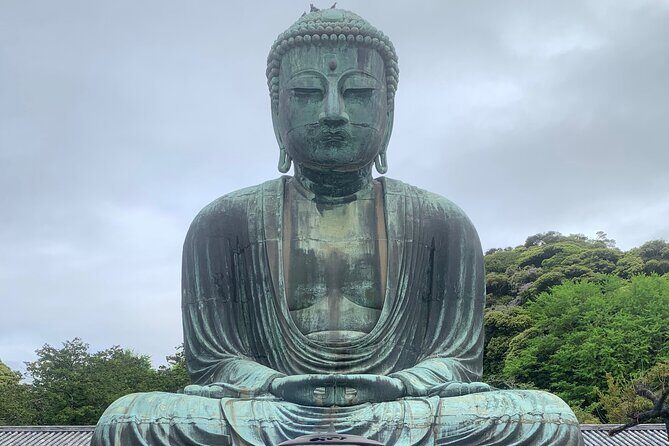
- Great Buddha photo moment: the 13th-century bronze Amida Buddha at Kotoku-in
- Zen calm in the bamboo grove: Hokoku-ji Temple, founded in 1334
- Samurai link at Tsurugaoka Hachimangu: dedicated to Hachiman, patron deity of the samurai
- Flexible add-ons: optional Komachi Street, Enoshima Island, and Yokohama Chinatown
- Guide Q and A support: Abdul was praised for answering personal questions and making the history easy to enjoy
Why Kamakura plus Yokohama makes sense in one long day
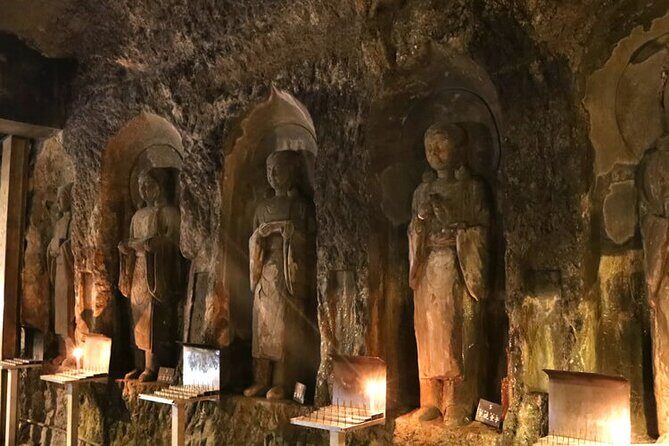
Kamakura is one of those places where you can feel time layered on top of itself. One minute you’re looking at bronze and stone from centuries ago; the next you’re walking a shopping street that still feels like everyday Kamakura life. Pair that with Yokohama’s Chinatown, and you get a clean contrast: Eastern traditions and Western ports meeting in the same day.
I like that the tour is designed for people who want a lot of “meaning” without getting lost. A private chauffeur helps you focus on the sites rather than the route math, especially when you’re bouncing between Kamakura and Yokohama.
You can also read our reviews of more private tours in Tokyo

Private transportation and the comfort details that actually matter
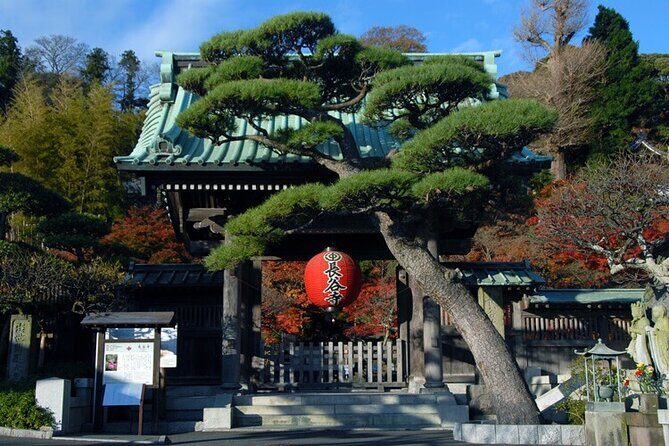
This tour runs 8 to 10 hours, and it’s private for your group (up to 6). That means fewer waiting moments and less “where is everyone?” stress. You also get an air-conditioned vehicle, bottled water, and help with picture-taking or video if you want it.
Those small comforts matter more than they sound, because Kamakura sites are walk-and-pause places. You’ll want your energy for the moments that feel special, like stepping into the bamboo grove or finding the right angle for the Great Buddha at Kotoku-in.
Also worth noting: pickup is offered, and the tour includes fuel charges, parking fees, and toll/tool charges (as listed). That saves you from surprise add-ons that can happen when you piece together your own day.
Kotoku-in and the Great Buddha: the 13.35-meter stop you’ll remember
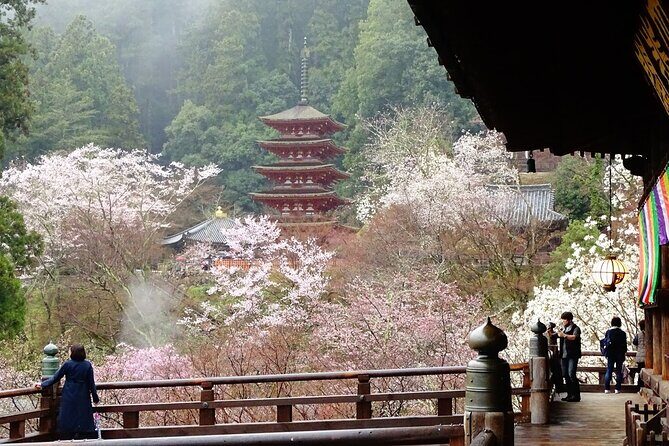
Kotoku-in is where most first-time visitors fall in love with Kamakura fast. The star is the Great Buddha of Kamakura: an outdoor bronze statue of Amida Buddha on the temple grounds, about 13.35 meters tall.
Here’s what makes this stop worth your time even if you’ve seen other Buddhas before. This one isn’t indoors, and that changes the experience. You’re looking at a large spiritual icon under open sky, so light and weather shape how the statue feels. If it’s bright, the bronze catches the day; if it’s overcast, the whole scene turns calmer and more grounded.
Practical note: entry/admission to Kotoku-in isn’t included. That’s common for Japan temple stops, so treat admissions as part of your day budget rather than a surprise.
Hokoku-ji bamboo grove: where the hour feels quiet and slow
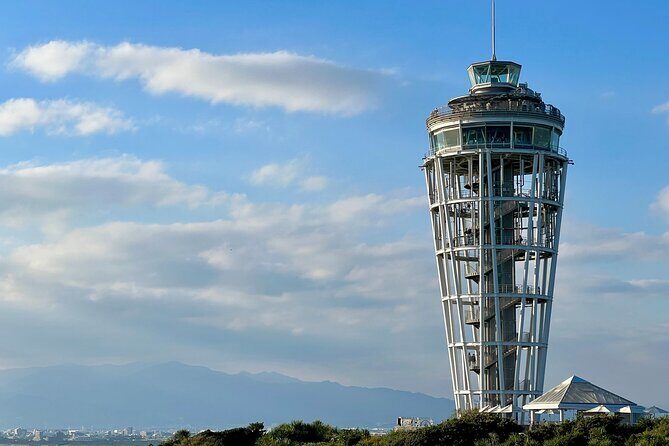
Hokoku-ji Temple is famous for its bamboo grove, and the tour gives you about 1 hour here. This is a Zen Buddhist sanctuary founded in 1334, and even if you don’t know the details, the mood communicates right away: shade, stillness, and the steady rhythm of walking through bamboo.
What I like about adding this stop is that it breaks up the day. After the Great Buddha’s open grounds, the bamboo grove is a different kind of attention. You’re not scanning for landmarks as much—you’re letting the space work on you.
Another practical detail: admission for Hokoku-ji (Takedera Temple) isn’t included. The grove is the main draw, so try to enter with a little time buffer in your mind for photos and quiet minutes.
Tsurugaoka Hachimangu Shrine: samurai patron deity and everyday flow
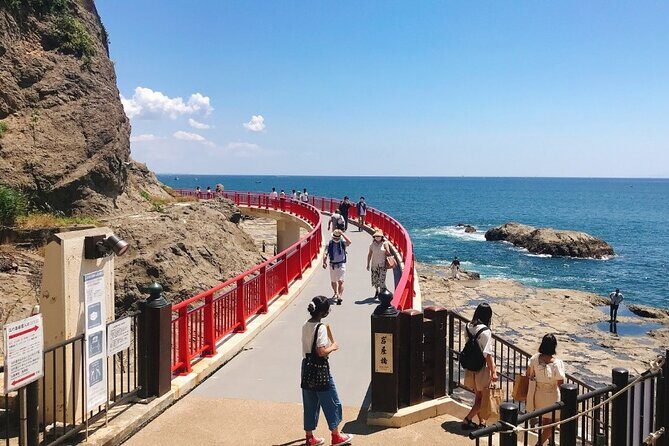
Tsurugaoka Hachimangu is Kamakura’s most important Shinto shrine, dedicated to Hachiman, the patron deity of the samurai. The site traces back to 1063 (per the tour info).
This is a place where you can connect history to real cultural practice. Even if you’re not thinking about feudal Japan the whole time, the shrine explains itself through its role and symbolism. It’s not just a building to check off; it’s an active center of meaning that helps you understand why Kamakura mattered.
You’ll spend about 1 hour here. That feels right: enough time to see the main areas, slow down for photos, and take in the atmosphere without feeling rushed.
Admission isn’t included for Tsurugaoka Hachimangu either, so again, plan for site fees. The good news is that the shrine timing often works well in a day like this, since you can pair it naturally with nearby shopping.
A few more Tokyo tours and experiences worth a look
Hasedera Temple: flowers season vibes plus coastal views
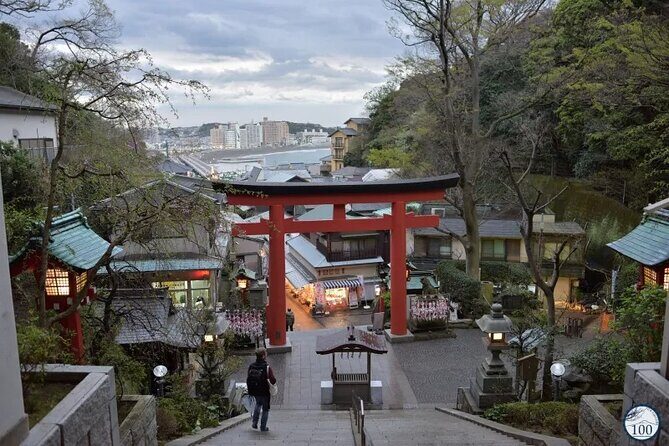
Hasedera Temple is often called the Temple of Flowers, and the tour builds in 1 hour 30 minutes for it. It’s known for seasonal flowers, coastal views, and a setting that feels made for taking your time.
If you’re visiting outside peak flower season, don’t panic. In many Japanese temples, the gardens and vantage points still give you that “wow” feeling, even when blossoms aren’t at their maximum. The coastal aspect also helps. It turns the temple into a viewpoint, not only a sanctuary.
Admission for Hase-dera isn’t included. If you’re budgeting, this is one of the stops where it’s worth expecting a ticket fee as part of the day’s plan.
Komachi Street, Enoshima Island, and Chinatown: choose your add-ons
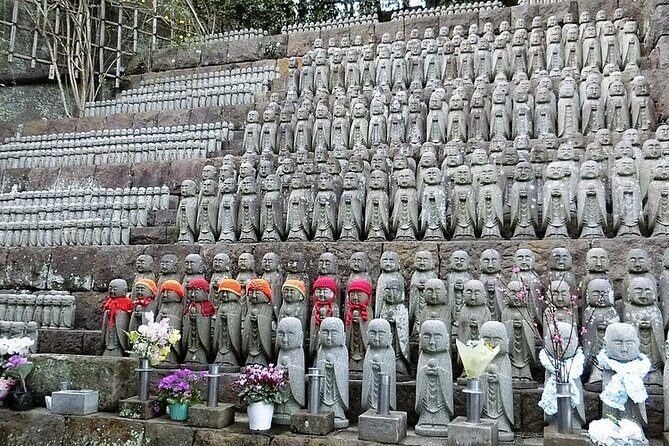
This tour doesn’t force a single rigid script. Some stops are optional, which is one of the best reasons to book it.
Komachi Street shopping time (optional)
Komachi Dori is Kamakura’s shopping street, stretching from the entrance of Tsurugaoka Hachimangu. You get about 1 hour, and entry is free.
I like Komachi Street because it gives your day a human pulse. Temples are timeless; a shopping street is where you see today’s Kamakura life. If you want snacks, small souvenirs, or just a break with less walking, this is a smart add-on.
Enoshima Island by the sea (optional)
Enoshima Island is the coastal escape near Kamakura, with shrines and ocean views. You get about 1 hour 30 minutes here, but admission for Enoshima Island is not included.
Enoshima is a good choice if you want your Kamakura day to include water views and a slightly different rhythm. It’s also a nice way to make the day feel more like a trip, not only a temple checklist.
Yokohama Chinatown at the end (optional)
Yokohama Chinatown is described as Japan’s largest and most vibrant Chinatown, with over 600 restaurants, shops, and cultural sites. You’ll have about 1 hour 30 minutes, and entry is free.
Chinatown works well as a finale. After long temple walks, it’s energy you can eat and wander. If you like trying a variety of small bites, this is where the day can turn playful instead of solemn.
Price and value: $435.71 per group can be a bargain with the right party
The price is $435.71 per group (up to 6) for an 8 to 10 hour private tour. That’s not cheap if you’re traveling solo, but it can be very reasonable when you split it among family or friends.
Think about what you’re paying for: a private air-conditioned vehicle with parking and toll charges handled, plus an in-person English guide, plus a chauffeur who keeps the day moving. Also, you’re not paying separate transportation logistics (like multiple transfers or waiting around for taxis) between scattered sites.
If your group is 4 to 6 people, you’re buying convenience and time-saving, not just sightseeing. If you’re 2 people, it may feel more like a splurge, but the private setup can still be worth it if you hate train transfers and you want control over which optional stops you prioritize.
For timing, the tour is commonly booked around 13 days in advance on average, so if you’re traveling in a busier season, earlier booking can help you lock in your preferred date.
Abdul and the bilingual guide touch: when explanations make the sites click
One theme from the guide experience is clear: the history isn’t just facts on a card. Abdul was praised for arriving on time, being courteous, and making the information about the Buddha feel fun and easy to understand.
What I love about a guide like that is the Q and A part. You often have personal questions—how a temple relates to Japanese culture, what symbols mean, why these specific places mattered in the past. Abdul was specifically noted for answering even personal questions, which is exactly what you want from a private format.
If you like understanding what you’re looking at, this is the kind of tour where the guide can meaningfully change how the day feels.
Practical tips for planning your route with optional stops
Because the day is long, the biggest planning choice is which optional elements you want.
- If you want maximum temple time, you can treat Komachi Street and Enoshima as shorter breaks, or skip one.
- If you want sea views, choose Enoshima and consider keeping Komachi Street for your shopping and snacks afterward.
- If you want food variety and a late-day vibe, keep Yokohama Chinatown in your plan.
Also, expect site tickets for Kotoku-in, Hasedera Temple, Hokoku-ji, and Enoshima Island. The rest is listed as free (like Komachi Street and Chinatown).
Finally, the tour notes that it requires good weather. If weather goes bad, you’ll be offered a different date or a full refund. That’s not a small detail in Kamakura, where walking is a big part of the experience.
Who should book this Kamakura and Yokohama private day
This tour is a strong fit if you:
- Want a private chauffeur and hate figuring out trains with luggage or tight timing
- Prefer a guided explanation rather than wandering with guesswork
- Are traveling with a small group (up to 6) and can share the cost
- Want a mix of spiritual sites and practical urban fun, with optional Enoshima and Chinatown
If you’re someone who loves solo exploring with public transit, you can DIY this route. But if you value comfort, clear pacing, and a guide who can answer questions, the private format is the point.
Should you book it?
Yes, if your goal is a smooth, guided day that links Kamakura’s major spiritual stops with Yokohama’s Chinatown, while keeping optional add-ons like Enoshima within reach. I’d especially recommend it if you care about explanations and want someone like Abdul to make the meaning of the sites click for you.
I’d hesitate if you’re traveling solo and admissions fees add up for your budget, or if you prefer a light, slow pace with zero scheduled structure. This is a full day, and the best experience comes when you choose your optional stops intentionally.
FAQ
Is this tour private?
Yes. It’s a private tour/activity, and only your group will participate.
How long is the Kamakura and Yokohama private tour?
The duration is about 8 to 10 hours.
What is the group size limit?
The tour is priced per group up to 6 people.
What’s included in the price?
Included features are an air-conditioned vehicle, private transportation, bottled water, fuel charges and parking fee and tool charges, free picture taking or video making assistance if needed, and an in-person English guide.
What admissions or entry fees are not included?
Entry/admission is not included for Kotoku-in (Great Buddha of Kamakura), Hase-dera Temple, Hokoku-ji Temple (Takedera Temple), and Enoshima Island.
Are Komachi Street, Enoshima Island, and Yokohama Chinatown included?
Komachi Street, Enoshima Island, and Yokohama Chinatown are listed as optional stops. Chinatown entry is free, and Komachi Street entry is free, but Enoshima Island admission is not included.
How do tickets work?
The tour uses a mobile ticket, and confirmation is received at booking.
Is there free cancellation?
Yes, there is free cancellation. You can cancel up to 24 hours in advance for a full refund, and poor weather may lead to a different date or a full refund.