REVIEW · SHIZUOKA
Private Sightseeing Tour from Shimizu Port / Sedan Taxi
Book on Viator →Operated by Local Travel Partners,Inc · Bookable on Viator
Mt. Fuji shows up like a curtain call. This private taxi tour strings together Nihondaira’s views and the Tokugawa Ieyasu shrine at Kunozan, then finishes with Miho no Matsubara for one of Japan’s most famous shoreline scenes. The big drawback to keep in mind is that Kunozan Toshogu involves stone steps, so you’ll want comfortable shoes and a steady pace.
I like that it’s built for real time limits: you’re back at Shimizu Port within about 4 hours, and you get a guide who can help you move briskly between viewpoints. Start as early as you can to reduce your chances of ropeway lines, and if you’re traveling as three larger adults, the sedan taxi can feel tight in back—this is where a van-style tour is worth considering.
In This Review
- Key Highlights If You Want This Style Of Day
- Shimizu Port Start: Tight Schedule, Zero Guesswork
- Nihondaira Plateau And Ropeway: Suruga Bay Views With Built-In Time
- Kunozan Toshogu Shrine: Tokugawa Ieyasu And Stone-Step Reality
- Japan’s Observatory Stop: A Second Shot At Mt. Fuji
- Tea Fields And Ochakaikan: Green Tea Views That Actually Help
- Miho no Matsubara: Pine Grove, Black Sand, And That Mt. Fuji Frame
- Mihoshirube Culture Center: A Calm 20 Minutes With Story Context
- Price And Value: What You Pay For, And What Costs Extra
- Sedan Taxi Reality: Best For 1–2 Adults, Not 3 Big Ones
- Practical Tips For A Smooth 4-Hour Shimizu Day
- Should You Book This Shimizu Private Sightseeing Tour?
Key Highlights If You Want This Style Of Day
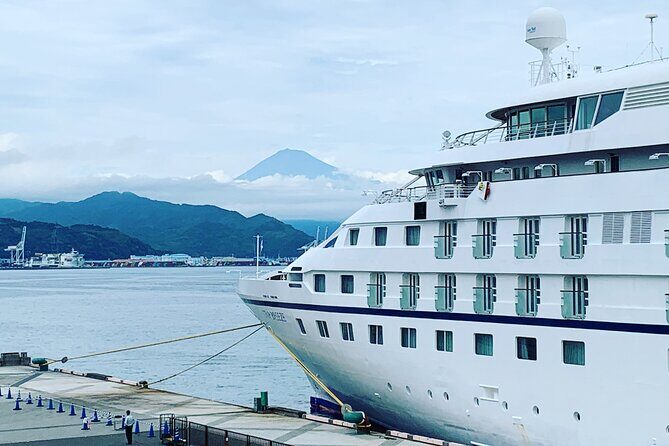
- Port pickup that saves your planning time at Shimizu Port (near the Espals Dream Ferry area)
- Nihondaira ropeway round trip with Suruga Bay views and quick access to the area
- Kunozan Toshogu Shrine tied to Tokugawa Ieyasu plus time for photos before you descend
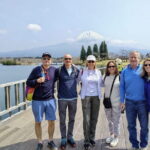
- Multiple Mt. Fuji viewpoints from the observatory, tea garden, and Miho no Matsubara
- English-speaking guide support that keeps explanations clear (and questions welcome)
Shimizu Port Start: Tight Schedule, Zero Guesswork
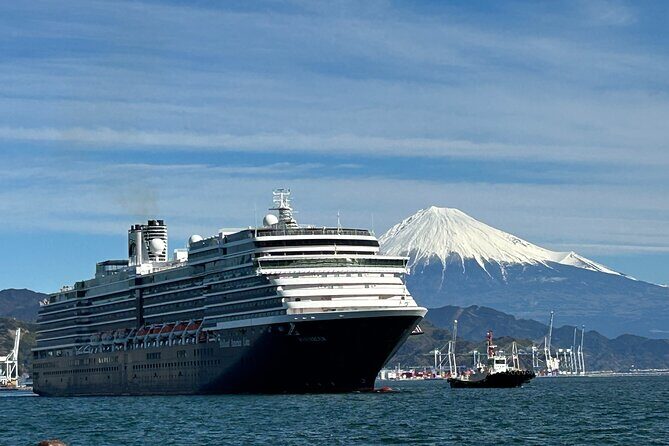
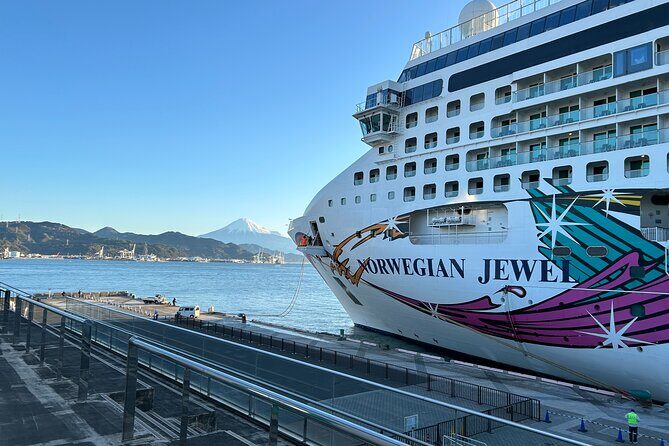
This tour is designed for people who want Shizuoka’s best scenery without the puzzle of trains, transfers, and figuring out which bus goes where. The meeting point is at Shimizu Port in the Hinodechō area, near the Espals Dream Ferry side, so cruise-day timing works well. You’ll be met and taken care of right after you get off—one reason this kind of private tour feels so calm compared with DIY days.
I really like the focus. Instead of trying to do everything, you hit the strongest views and cultural stops around Shimizu: Nihondaira for Mt. Fuji angles, Kunozan Toshogu for Edo-period significance, and Miho no Matsubara for that postcard pine-and-coast feeling. It’s also a mobile ticket experience, which usually means less paper shuffling.
One practical note: the tour runs for about 4 hours, so lunch is not built in. If you’re the type who needs a sit-down meal, plan a snack before you start and a proper meal back in town afterward.
You can also read our reviews of more private tours in Shizuoka
Nihondaira Plateau And Ropeway: Suruga Bay Views With Built-In Time
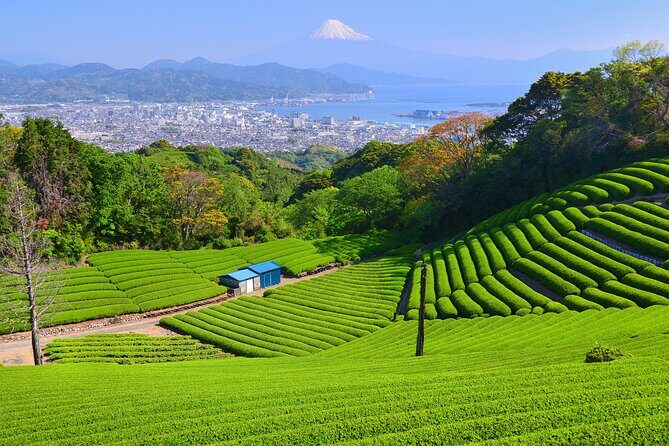
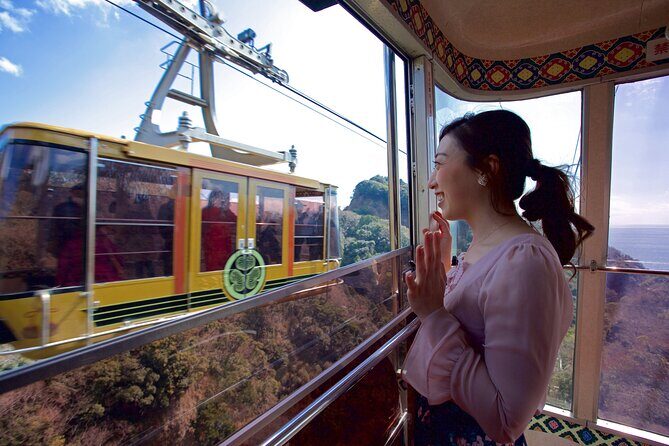
Nihondaira is the part of Shizuoka that makes you understand why locals talk about weather and visibility. Your day gives you ropeway access plus several viewpoint breaks. The ropeway connects Nihondaira and Kunozan Toshogu quickly, but you’ll still want to factor in time for waiting and riding. The ride itself is short, yet the round trip usually totals around 20 minutes depending on the line.
I love this approach because it gives you options: if one view is hazy, you might get a better look from the next stop. The ropeway area also frames Suruga Bay in a way that feels different from street-level overlooks. From above, the coastline becomes a shape you can actually interpret, not just something you glance at from a road.
Tip: start early. The tour guidance recommends it specifically to reduce ropeway lineup risk. That matters on busy days and also when your whole day depends on hitting Miho no Matsubara before light changes.
Kunozan Toshogu Shrine: Tokugawa Ieyasu And Stone-Step Reality
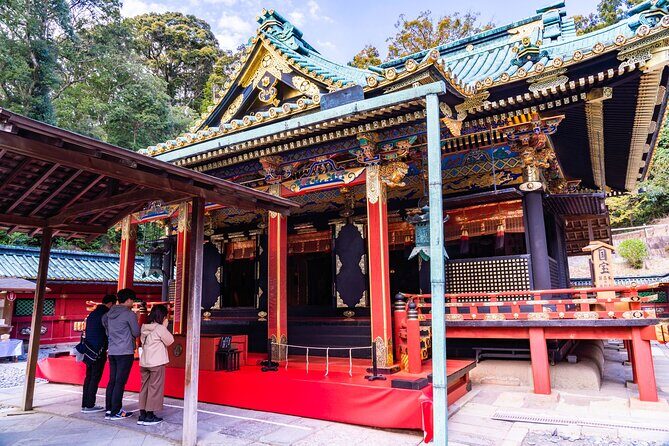
Kunozan Toshogu is a national treasure shrine tied to Tokugawa Ieyasu, the first shogun of the Edo period. This is not just a pretty garden stop. It’s a place built for worship and memory—there’s a mausoleum associated with Ieyasu, and you’ll have around 50 minutes there to look slowly.
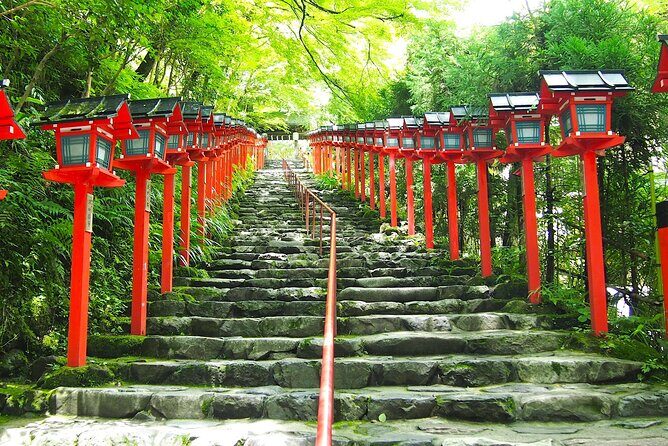
Here’s what to know before you go: after the ropeway ride, you need to walk up stone steps to reach the shrine. The steps are manageable for many people, but if stairs are a strain for you, pack patience and take your time between steps. Your guide can help set a comfortable pace, and one review highlights how a guide checked in with people as they climbed.
Once you’re inside, the shrine visit becomes a cultural reset. It’s the kind of stop where your brain switches gears from “where is the best photo angle” to “what story am I seeing here.” The shrine’s connection to Ieyasu gives the day more meaning than pure sightseeing.
Tickets for Kunozan Toshogu and the associated museum area are not included in the set price of the tour, so you’ll need to budget extra per person.
Japan’s Observatory Stop: A Second Shot At Mt. Fuji
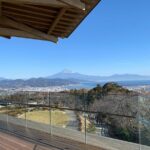
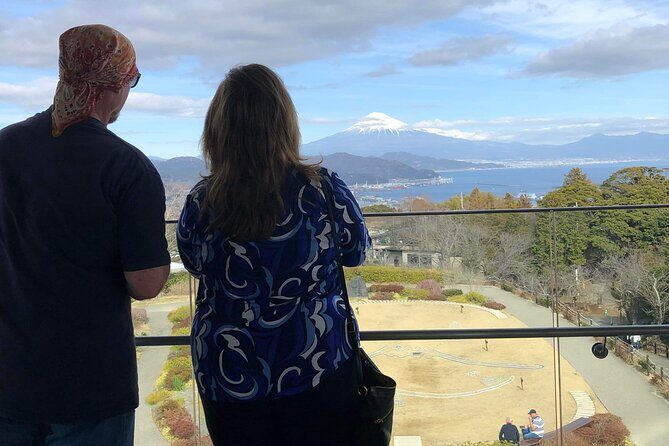
After shrine time, your route shifts toward viewpoints that help you chase Mt. Fuji in a practical way. One highlight is the Japan observatory area, called 日本平観光天文センター. It opened in November 2018, and it’s built for exactly the kind of day where your view might change minute to minute.
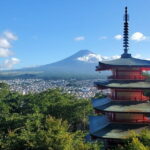
You get about 20 minutes here, and the payoff is the broad-scope panorama: Mt. Fuji on a clear day, plus Shimizu Port, the Izu Peninsula, and the Southern Alps view line (when conditions allow). The value of adding an observatory stop is simple: it’s not just another photo spot. It helps you place the geography around Mt. Fuji, so the mountain doesn’t feel random in your photos.
This is also one of those stops that tends to feel worthwhile even if it’s not perfectly clear. The point is that you’re using time efficiently. If you’re lucky with clouds, you get a strong look. If not, you still get a sense of how the area fits together.
Tea Fields And Ochakaikan: Green Tea Views That Actually Help
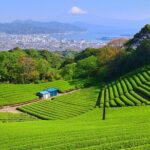
Next up is Nihondaira Ochakaikan, which mixes a tea shop with a green tea field setting. This is one of the easiest stops to enjoy because it doesn’t require physical effort and it works whether Mt. Fuji is visible or not. On clear weather, you can take photos of Mt. Fuji framed above the tea plants, and that’s the kind of shot that feels uniquely Shizuoka.
You’ll have about 20 minutes here, with entry marked as free. I like this stop because it adds local flavor without adding complexity. It’s also a good moment for a short break after shrine steps, so your energy stays steady for the Miho portion of the day.
If you’re the type who asks questions, your guide can usually explain what makes the tea region special and what to look for in the field setting. In similar private tours, English-speaking guides are often the difference between a glance and a real understanding, and that matches what people have praised from this tour style.
Miho no Matsubara: Pine Grove, Black Sand, And That Mt. Fuji Frame
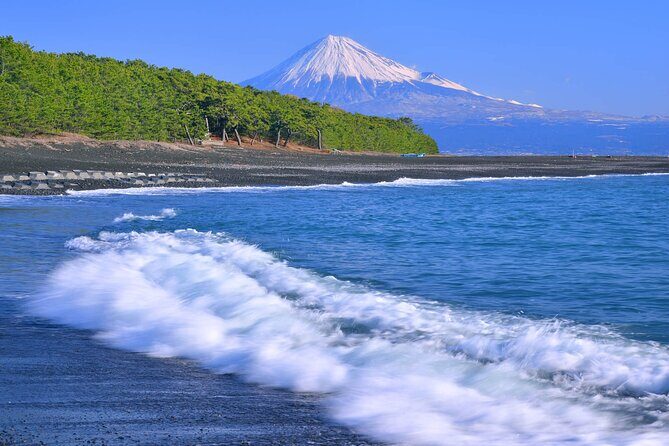
Then comes the stop most people recognize: Miho no Matsubara, part of the Mt. Fuji World Heritage area. This portion of the coast is famous for the pine tree grove and the dramatic shoreline. You’ll have around 40 minutes at the seacoast scene, which is enough time to take photos, walk a little, and soak in the mood.
What I find compelling here is how many “elements” the view includes in one frame. The coast brings together pine trees, black sand, and the rhythm of waves. When Mt. Fuji is visible, it becomes the vertical anchor for the whole landscape.
This is the moment where timing matters, too. Light shifts fast along the coast, and weather can change quickly. Having multiple Mt. Fuji viewing stops earlier in the day helps you improve your odds, so you’re not betting everything on one single overlook.
Admission is free for this portion, which makes it feel even better value-wise.
Mihoshirube Culture Center: A Calm 20 Minutes With Story Context
After the beach scene, you’ll visit the Miho no Matsubara Culture & Creativity Center, called Mihoshirube, opened in March 2019. This is a compact cultural stop with about 20 minutes on the schedule.
The center focuses on the area’s story, including the Hagoromo legend, and there’s also a short movie about Miho no Matsubara. Even if weather limits how much Mt. Fuji you see, the story content gives the day something to hold onto besides scenery.
I like adding a story stop because it keeps your brain engaged. You go from shrine symbolism to coastline scenery to legend context. That flow turns the day into more than a checklist.
Admission here is free, so it’s a smart add when you have limited time.
Price And Value: What You Pay For, And What Costs Extra
The tour price is listed as $527.11 per group up to 3 people, for about 4 hours, with private transportation and an English-speaking guide included. That price can actually be fair if you’re traveling as a small group, because you’re paying for comfort, time management, and door-to-view convenience from Shimizu Port.
But you should plan for extra admissions. The set ticket for the ropeway and Kunozan Toshogu Shrine and museum costs ¥1,950 per person and is not included in the tour price. By contrast, the observatory stop and Ochakaikan tea shop time are marked free, and Miho no Matsubara and Mihoshirube are also free.
So the value equation looks like this:
- You’re paying for the private routing and the guide.
- You’re also paying for the convenience of ropeway access and shrine time.
- You save money on several free stops once you’re already in the area.
If you’re only going to split cost between two adults, the per-person number climbs, but you still get real benefits: faster movement, less friction, and a guided day that’s easier to enjoy in a short window.
Sedan Taxi Reality: Best For 1–2 Adults, Not 3 Big Ones
The tour uses a sedan taxi arrangement with capacity listed as 3 guests plus a guide, but there’s an important recommendation: for comfort, it’s best for up to 2 guests plus the guide. For 3 big adults, the rear seating can be uncomfortable.
If you’re traveling as three adults and you hate cramped rides, consider a van-style option instead. I treat this as a comfort issue, not a tiny detail. A long day with lots of walking and looking around feels much better if your transport doesn’t drain you before you even reach the views.
Wheelchair info is also handled case-by-case: if you have one, let them know the size so the team can advise. The tour notes a moderate physical fitness level requirement, mainly because of the stone steps at Kunozan.
Practical Tips For A Smooth 4-Hour Shimizu Day
You’ll enjoy this tour more if you treat it like a fast, guided route rather than a slow stroll.
- Wear shoes for stone steps. Kunozan’s climb is the main physical challenge.
- Bring a light layer. Coastal and plateau weather can shift fast, and observatory time means open-air exposure.
- Start earlier when possible. The ropeway line is the time wildcard. Earlier helps you avoid losing momentum.
- Pack a camera plan. You’ll have multiple Mt. Fuji opportunities, so don’t expect one perfect angle at one moment.
- Have a snack strategy. Lunch isn’t included, so plan a quick snack before you meet the guide and eat after you’re back at the port.
One more thing that shows up in the praised experiences: clear pre-trip communication and on-time port meeting. People have mentioned identifying pickup support and a guide who kept the day moving with explanations and photo help. That’s exactly what you want when your schedule is tight.
Should You Book This Shimizu Private Sightseeing Tour?
Book it if you want a focused, high-impact Shizuoka day anchored to Shimizu Port, with a guide and private transport doing the hard work of timing. The strongest reason to choose it is the combination of Mt. Fuji viewing locations plus culture stops that make the scenery feel connected, not random.
I’d skip it or adjust expectations if:
- stairs are a big problem for you (Kunozan includes stone steps),
- you’re traveling three larger adults and you know you’ll dislike cramped taxi seating,
- or you want a long lunch-focused day rather than a tight 4-hour circuit.
If your priority is clear views, thoughtful context, and smooth logistics from the port, this is the kind of small-group private outing that pays off quickly.
![[Sapporo] Go by private car! Takino Cemetery, Hokkaido Shrine, Shiroi Koibito Park - Getting Oriented: Timing, Pickup, and How the Day Flows](https://images.thejapantraveler.com/wp-content/uploads/sapporo-go-by-private-car-takino-cemetery-hokkaido-shrine-shiroi-koibito-park.jpg)