REVIEW · SHIZUOKA
Step- Free easy going tour from Shimizu Port / Sedan Taxi
Book on Viator →Operated by Local Travel Partners,Inc · Bookable on Viator
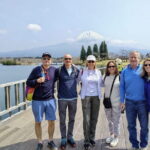
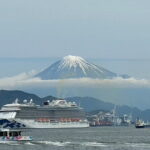
Fuji views without the stair slog. This private 4-hour circuit from Shimizu keeps the pace easy while putting Nihondaira Plateau and Miho no Matsubara on the same day.
I like that it’s built for real-world movement limits: fewer stairs, shorter stretches, and help from an English-speaking guide. I also like the value of a private car plan that groups together viewpoints that most people would otherwise struggle to link efficiently. One watch-out: even with the easy setup, there can still be some stairs or uneven ground, so it’s worth telling your guide your exact needs upfront.
In This Review
- Key highlights worth booking
- From Shimizu Marine Terminal to Nihondaira: the ride that sets the tone
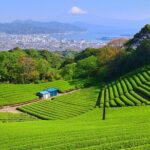
- Nihondaira Plateau: observatory + tea fields for Mt. Fuji views
- Ryugeji Temple: a calm, scenic stop (plus a small admission fee)
- Miho no Matsubara: pine grove, black sand, and a culture center stop
- A step-free style tour with a sedan taxi reality check
- Price, timing, and the real value of 4 hours in Shizuoka
- Guides who actually manage the day: Miyuki and Motoko
- Should you book this Shimizu easy-going taxi tour?
- FAQ
- How long is the tour?
- Where do we meet?
- Is this a private tour?
- What’s included in the price?
- Is lunch included?
- Do I need to pay anything at Ryugeji Temple?
- Can the tour handle a wheelchair or stroller?
Key highlights worth booking
- Step-free friendly plan focused on guests who don’t do well with steps and long walks
- Private sedan taxi, driver + English guide for a calm, no-rush day
- Multiple Mt. Fuji viewpoints across Nihondaira and Miho
- Ryugeji Temple feels local with a national natural treasure tree and a great view
- Guide experience shows in the details like close parking and elevator use when possible
- Mobile ticket makes the day simple, starting at Shimizu Marine Terminal
From Shimizu Marine Terminal to Nihondaira: the ride that sets the tone
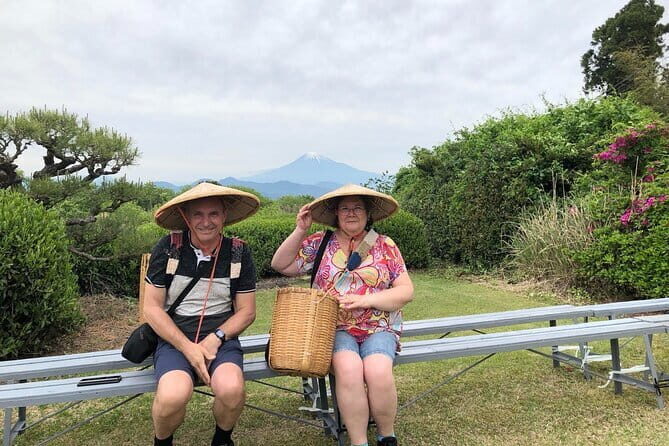
The day starts at Shimizu Marine Terminal in Shizuoka. From there, you’re in a private sedan taxi with an English-speaking guide handling the timing and smooth transitions. It’s the kind of plan that keeps you from “touring stress,” because you’re not hunting buses, coordinating transfers, or spending your time guessing where the next stop is.
Right after pick-up, the tour moves toward Nihondaira—a high area with famous Mt. Fuji views. The transfer is quick, around 20 minutes, and that matters more than it sounds. When you’re trying to keep walking light, those short car segments are what make the day feel doable.
If you’re picturing a rigid, nonstop sightseeing line, you can drop that idea. This tour is built to be leisurely, with breaks at each viewpoint/spot long enough to take photos and reset your legs.
Also, keep in mind this is a small-day operation. There’s a limit of up to 10 group bookings per day, and it’s one group per booking slot. That small capacity is part of why the guides can focus on the details that make this type of day work for mobility needs.
You can also read our reviews of more tours and experiences in Shizuoka.
Nihondaira Plateau: observatory + tea fields for Mt. Fuji views
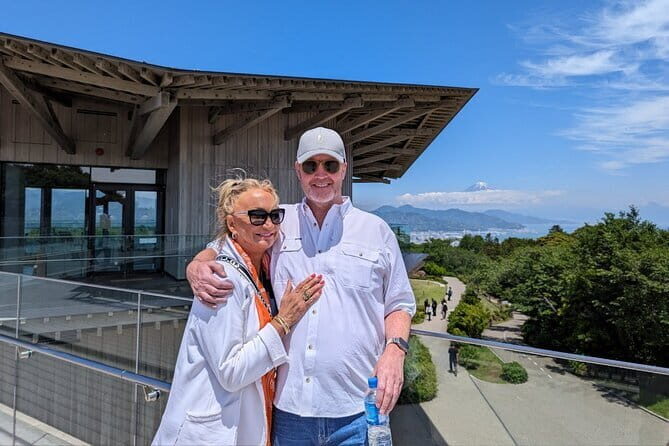
Nihondaira is where the day starts flexing its best trick: big views, without needing a major climb. You’ll hit two main stops here, both around 20 minutes each.
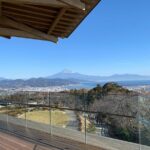
First up is a newer observatory area, Japan Observatory Center (日本平観光天文センター). This place opened in November 2018, and it’s set up to show Mt. Fuji from above the city. You can also see Shimizu Port, the Izu Peninsula, and the Southern Alps on a clear day. The key is that the observatory experience is straightforward. It’s not a long trek—more like a quick, comfortable window into the region’s geography.
Next comes Nihondaira Ochakaikan, which is part tea culture, part viewpoint. You get a tea-shop stop with green tea fields. When the weather cooperates, it’s a strong photo moment—Mt. Fuji framed over the tea. This is also a nice change of pace from pure “lookouts,” because you can slow down and experience the place a bit more like a local stop (even if it’s still a scenic spot).
If you care about photos, aim for consistency: check your light and don’t expect every viewpoint to be equally clear. The schedule gives you multiple tries across the day, which improves your odds when clouds roll in.
Ryugeji Temple: a calm, scenic stop (plus a small admission fee)
After Nihondaira, the tour heads to Ryugeji Temple. The ride is short (about 20 minutes), and your time on site is around 50 minutes—enough to actually look around instead of rushing.
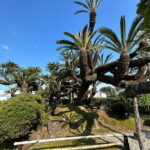
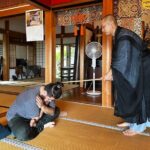
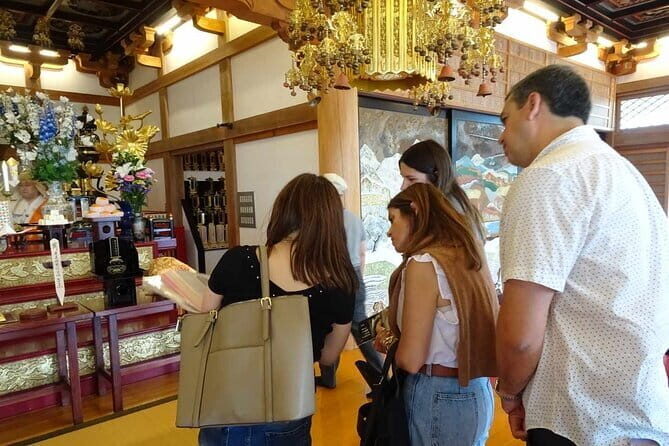
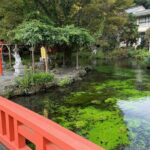
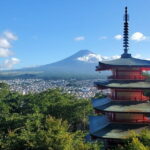
This temple is known for a spectacular Mt. Fuji view and a standout natural landmark: a national natural treasure tree. The setting is part of the appeal. It doesn’t come off as a theme-park-style stop. The vibe is more quiet and grounded, and that’s a big reason this temple works well on an easy-going itinerary.
There’s one practical cost here: Ryugeji Temple admission is ¥400 per person, and it’s not included. If you’re budgeting, count it early so you’re not doing math at the entrance.
Mobility-wise, the tour is designed to be realistic for people who don’t do well with lots of steps or long awkward routes. In one example from the guide team, Motoko and driver Ted were able to park close to entries and use elevators to minimize stairs and walking distance when possible. That’s exactly the kind of operational detail that makes a difference at older sites.
Still, remember the earlier note: even on an easier tour, you might encounter some stairs or uneven areas depending on the exact path taken at each stop. If your mobility needs are strict, tell the guide what works and what doesn’t. They can’t redesign geography, but they can often choose a better route inside the constraints.
Miho no Matsubara: pine grove, black sand, and a culture center stop
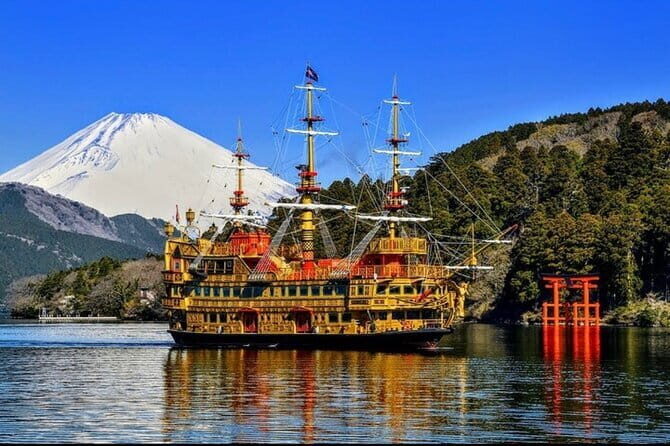
Then you shift to Miho, and the scenery changes fast. You’ll ride to Miho no Matsubara / Miho Seacoast for a stop that includes both a beach/pine grove feel and a strong viewpoint. The transfer is about 20 minutes, and you’ll have roughly 40 minutes here.
Miho no Matsubara is tied to the Mt. Fuji World Heritage area. The view described here is vivid: green pines, a black sand beach, white waves, and blue sky. Even if conditions aren’t perfect, the design of the spot is built around giving you that classic Fuji-and-coast perspective.
After the coastal time, there’s a quick cultural layer at the Miho no Matsubara Culture & Creativity Center (Mihoshirube). The stop is about 20 minutes. This is where you can learn the history of Miho and the Hagoromo legend, plus you can watch a short movie about Miho no Matsubara.
Why this matters: the day isn’t only photos and temples. You also get context so that when you look at the pine grove afterward, it’s not just scenic—it has meaning tied to the place.
One nice bonus of timing: this center stop works whether or not the weather is ideal for Fuji views. If you can’t get a crisp Mt. Fuji sightline, you can still get something worth your time.
A step-free style tour with a sedan taxi reality check
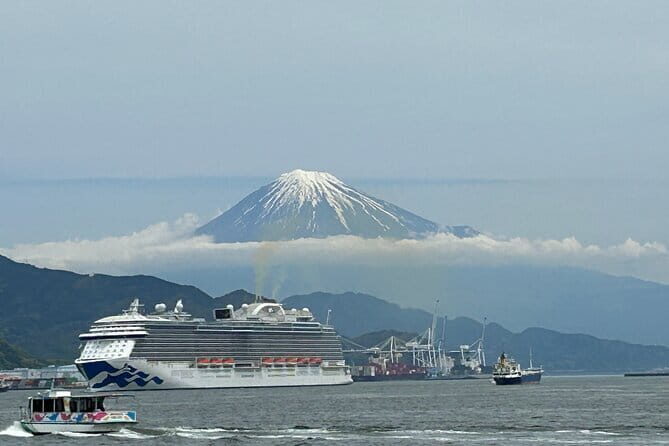
This is a private tour/activity, with your group only. That alone helps with pacing and comfort, especially when you’re managing mobility. There’s no mixing with strangers, no waiting around in a crowd, and fewer “everyone get ready” moments.
The tour uses a sedan taxi with a capacity of 3 guests + a guide, but the operator recommends something very specific: it’s best for up to 2 guests + a guide. If you’re thinking about 3 adults, it may feel tight in the rear seat for larger passengers. If you’re traveling with three big people and you want comfort first, you may want to choose the van option instead—this sedan setup is optimized for lighter pairs.
For mobility equipment, they ask you to tell them if you have a wheelchair or stroller, including its size. That’s a real-world detail. Car doors, step heights, and inside space vary, and sharing your dimensions helps the team plan the smoothest approach.
And about stairs: one review included an apology for the presence of stairs and uneven ground, even though the tour is aimed at easy walking days. Another review highlighted the practical help—close parking and elevator use. Put together, the takeaway is simple: it’s designed to minimize strain, but it doesn’t promise a zero-step environment everywhere.
So the smart move is to communicate early. If you can do short walks and a few steps with support, this likely fits well. If you need fully step-free routes, ask directly what areas have steps and what the available options are at each stop.
Price, timing, and the real value of 4 hours in Shizuoka
The price is $521.22 per group (up to 3 people) for about 4 hours. That’s not cheap in a pure “per person” sense, so you’ll want to think in terms of what you’re buying.
You’re buying:
- Private transportation (the work of linking Shimizu, Nihondaira, Ryugeji Temple, and Miho in one day)
- An English-speaking guide
- Time at several major viewpoints and a cultural stop, without wasting energy on finding routes
For a couple, the value gets easier to see. You’re not paying extra for each stop; you’re paying for the whole timed experience and the comfort of a plan that adapts to your pace.
Also note the demand signal: on average, this tour gets booked about 126 days in advance. That usually means two things. First, people want Fuji-day comfort without logistics headaches. Second, guide capacity is limited, since they cap bookings per day. If you’re traveling during a high season or on a busy cruise schedule, book early rather than hoping something opens up.
Don’t forget the only added cost noted: Ryugeji Temple ¥400 per person. Lunch is not included. This matters because you might want to plan snacks or a light meal before/after, depending on your energy level.
Guides who actually manage the day: Miyuki and Motoko
Part of what makes this tour feel “easy-going” is that the guide isn’t just translating signs. They’re managing the practical flow—parking position, how you move between spots, and how you handle small transitions.
In one review, the guide Miyuki was praised for strong English and for being knowledgeable. The highlight wasn’t just facts—it was the feeling that everything stayed leisurely and private, with minimal hassle between doorways and entrances.
In another review, the guide Motoko and driver Ted received specific praise for parking close to entry doors and using elevators to reduce steps and long walking distances. That’s the kind of detail that can turn a “hard day” into a manageable one.
Even without naming every part of the process, you can use these examples to your advantage: if you have mobility needs, it’s worth telling the guide what success looks like for you (for example, short walks, support if needed, elevator preference). Then you’ll get the best version of this tour.
Should you book this Shimizu easy-going taxi tour?
Book it if:
- You want Mt. Fuji views from both Nihondaira and Miho no Matsubara in one smooth half-day.
- Your group prefers a private, calm experience with an English-speaking guide.
- You’d rather spend time looking at scenery than solving transport problems.
- Mobility matters and you want a plan that aims to reduce stairs and long distances.
Skip it or consider an alternative if:
- You’re traveling with three larger adults and comfort in a sedan taxi is a priority.
- You need a truly zero-step plan; even this “easy-going” route may include some stairs and uneven ground.
- You’re the type who wants a longer day with more walking, because the schedule is intentionally paced for easier movement.
If you’re a couple or a small group who values practicality and viewpoint variety, this tour is a strong fit. It’s not trying to squeeze in everything. It’s trying to do the important things right—views first, then a temple and a culture center—without making the day a physical challenge.
FAQ
How long is the tour?
It runs about 4 hours (approximately).
Where do we meet?
The meeting point is Shimizu Marine Terminal, Shimizu Ward, Hinodechō, 1080 (清水マリンターミナル).
Is this a private tour?
Yes. It’s private, and only your group participates.
What’s included in the price?
You get an English-speaking guide and private transportation. Some stops include admission tickets as noted.
Is lunch included?
No. Lunch time is not included in the tour.
Do I need to pay anything at Ryugeji Temple?
Yes. Ryugeji Temple admission is ¥400 per person, and it is not included. (Japanese Yen only.)
Can the tour handle a wheelchair or stroller?
If you have a wheelchair or stroller, you should let the provider know the size. The tour is made for guests with mobility challenges, and the guide/driver may use steps-avoiding options where possible.