REVIEW · SHIZUOKA
Private sightseeing tour from Shimizu Port / Van Taxi
Book on Viator →Operated by Local Travel Partners,Inc · Bookable on Viator
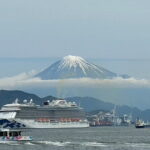
Shimizu packs a Mount Fuji punch fast. This private taxi-and-guide plan is built for cruise-day timing, with a jumbo van that leaves room for luggage and helps you beat the chaos. I like the focused route—ropeway views, the Kunozan Toshogu Shrine, and the Miho coast in one run—and I especially like how guides such as Kiyo, Miyuki, Nobuko, and Hero guide the day with clear English, stories, and photo help. One thing to consider: the ropeway gets you close, but you still climb stone steps to reach the shrine area, and the ropeway can involve some waiting.
You also get built-in flexibility. Choose a morning or early-afternoon departure, then let your guide adjust the rhythm to your group so the day doesn’t feel like a stop-and-sprint. Still, since Mount Fuji visibility depends on weather, plan to enjoy the places even if the mountain plays shy.
In This Review
- Key things that make this tour click
- Why This Private Van Taxi Works for Shimizu Port Days
- Getting Started at Shimizu Port: Fast Meets, Luggage Space, Real Timing
- Nihondaira Ropeway: The Best Views Come With the Waiting Game
- Kunozan Toshogu Shrine: Tokugawa Ieyasu Up Close (and Stairs Ahead)
- Nihondaira Observatory + Tea Fields: Fuji Photos Even When Clouds Roll In
- Miho no Matsubara: UNESCO-Linked Coast With the Most Famous Fuji Angle
- Mihoshirube Culture Center: Hagoromo Legend When Fuji Hides
- Pricing and What You Actually Get for $713 per Group
- Best Guide Moves: English, Humor, and Photo Help That Save the Day
- Practical Tips Before You Go (Comfort, Shoes, and Lunch Plans)
- Should You Book This Shimizu Private Tour?
- FAQ
- How long is the private sightseeing tour from Shimizu Port?
- What’s included in the price?
- What tickets or admissions are not included?
- Is lunch included?
- Where do we meet, and where does the tour end?
- Do I need to climb steps during the tour?
- Is free cancellation available?
Key things that make this tour click
- Private jumbo van taxi for up to 8: luggage-friendly and more comfortable than bus hopping.
- Ropeway + shrine timing: guides work to reduce stress when there are lots of cruise crowds.
- Fuji photo strategy: tea fields, an observatory, and Miho no Matsubara are chosen for sightlines.
- English guidance that goes beyond dates: you get cultural context as you move between spots.
- Short, high-impact stops: you cover several highlights in about 4 hours without a full-day commitment.
- Newer viewpoint stops: an observatory opened in 2018 and a culture center opened in 2019.
Why This Private Van Taxi Works for Shimizu Port Days
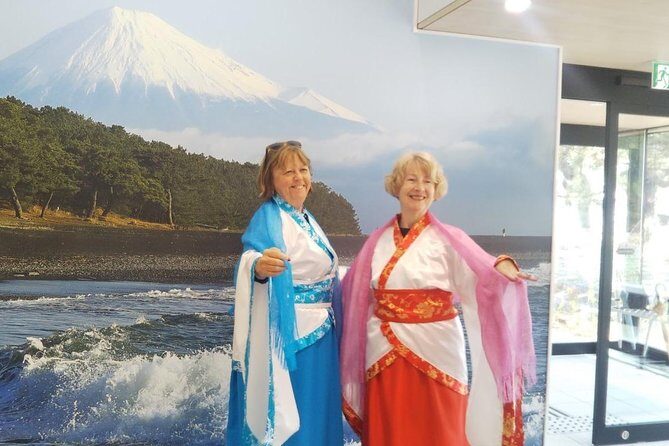
If you’re coming in through Shimizu Port, your biggest enemy is wasted time. This tour is designed so you don’t start the day hunting for trains or lining up for transfers. You meet at Shimizu Port’s FT area (linked with the Esparus Dream Ferry), then a driver takes you straight into the Shimizu hillside and coast zone.
What I like most is how the plan matches the geography. You’re not bouncing randomly around Shizuoka—you’re following a logic: viewpoints above the bay, then a major shrine on the mountain side, then tea-field Fuji angles, and finally the UNESCO-linked Miho pine and beach view area.
The other practical win is group size. With a private setup for up to 8 people, it feels easier to ask questions, ask for a photo moment, or adjust pace when someone’s tired.
You can also read our reviews of more private tours in Shizuoka
Getting Started at Shimizu Port: Fast Meets, Luggage Space, Real Timing
The meeting point is specific, which helps a lot if you’re coordinating a cruise stop. You start at Shimizu Port FT (Esparus Dream Ferry) and the tour ends back at the same meeting area. That roundtrip structure matters because it reduces the risk of getting stranded far from where you need to return.
The ride is a private jumbo taxi/van with room for luggage. That sounds small until you have suitcases, camera bags, and the usual “I’ll just carry it” items. In tight shore excursions, that extra space often makes the difference between a relaxed day and a stressful one.
You can also pick tour times in the morning or early afternoon. For me, that flexibility is the difference between a good day and a rushed one—especially if your ship arrival timing is unpredictable.
Nihondaira Ropeway: The Best Views Come With the Waiting Game
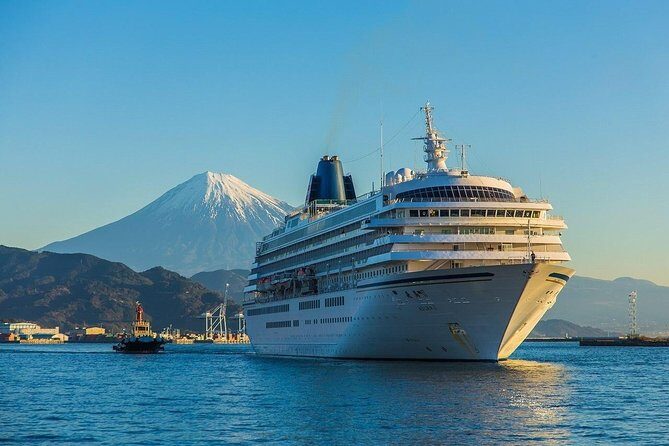
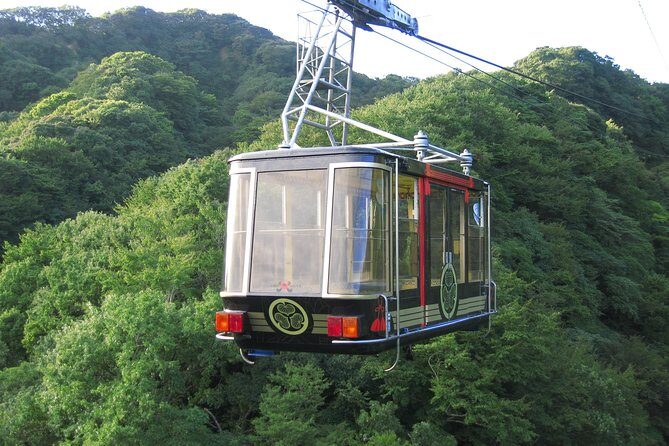
The tour’s first major climb comes early: you drive from Shimizu Port to Nihondaira, then ride the Nihondaira Ropeway. The ropeway connects Nihondaira to the Kunozan Toshogu Shrine area, and the round trip typically takes about 20 minutes combined with waiting and riding.
Here’s the honest part: ropeways are one of those places where crowds can spike. If multiple cruise ships dock the same day, you can see more people at the ropeway station. The good news is that your guide can help you make smart timing decisions and keep you organized so the wait feels shorter than it is.
What you get for the time is worth it. From up there, you’re dealing with the Suruga Bay view and the wider coastal panorama that makes Shizuoka feel different from cities like Tokyo or Kyoto. It’s the kind of view that makes your camera work overtime.
Practical note: ropeway tickets are not included. The set ticket price for the ropeway plus the shrine/museum is listed as ¥1,950 per person.
Kunozan Toshogu Shrine: Tokugawa Ieyasu Up Close (and Stairs Ahead)
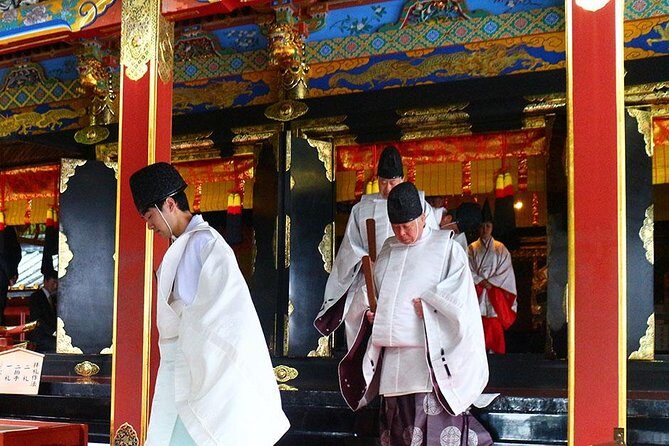
Next comes Kunozan Toshogu Shrine, a major shrine registered as a national treasure. This is the Tokugawa story territory: the shrine is linked to Shogun Tokugawa Ieyasu, and the area includes his mausoleum.
The visit time is about 50 minutes, which is enough to walk the grounds and take in the key sights without turning it into a race. In the real world, though, expect the shrine approach to involve effort. The tour notes that after you get off the ropeway, you need to climb up stone steps to reach the shrine.
If your group is comfortable with stairs and uneven stone paths, you’ll likely love this stop. If not, plan your pace with your guide right away. This is also a good moment to slow down and let your guide’s explanations land—one of the strongest things about this tour is that guides don’t just point; they explain what you’re seeing and why it matters.
Nihondaira Observatory + Tea Fields: Fuji Photos Even When Clouds Roll In
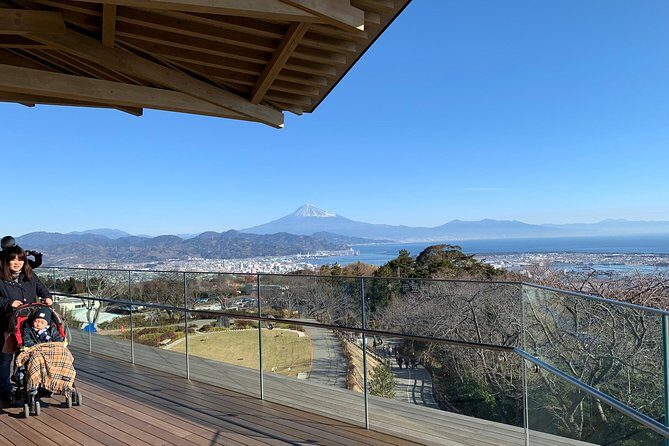
After the shrine, you get a pair of stops built for views and time for photos.
First is 日本平観光天文センター (Nihondaira Kanko Tenbocenter), an observatory opened in November 2018. Admission is free, and the stop is about 20 minutes. The views described include Mount Fuji, Shimizu Port, the Izu Peninsula, and the Southern Alps. Even if Fuji isn’t fully visible, the observatory is a strong place to re-orient yourself—this is where Shimizu starts to make sense as geography, not just a port town.
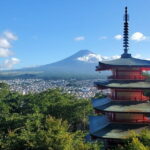
Then you move to Nihondaira Ochakaikan, a Japanese tea shop with a tea field. This is another free 20-minute stop. When weather conditions cooperate, you can take photos of Mount Fuji with the tea fields in the foreground. And if the mountain is hidden, the tea-field setting still feels like a real slice of Shizuoka life rather than a generic viewpoint.
One small thing I like: this portion of the day is light on complicated ticketing and heavy on “pause and look.” It’s easier to enjoy when you’re not rushing.
Miho no Matsubara: UNESCO-Linked Coast With the Most Famous Fuji Angle
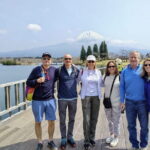
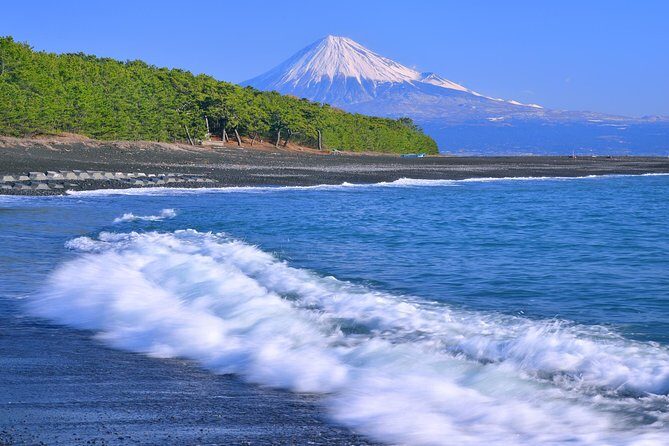
The tour shifts from hillside views to the coast with a short drive toward the Miho Pine Tree Grove area. The big payoff comes at Miho Seacoast (Miho no Matsubara Beach), described as part of Mt. Fuji World Heritage.
This stop is about 40 minutes, and it’s the one many people are chasing. You get a classic postcard mix:
- pine tree grove
- black sand beach
- white waves
- and, when the sky cooperates, a clear Mount Fuji backdrop
Even when Fuji is partially covered, this is still a beautiful place to walk slowly and frame photos. The pine grove and coastline combo gives you depth, not just a single viewpoint.
If you’re traveling with kids, camera-lovers, or anyone who wants time to linger, this 40-minute window is where you feel it most. It’s long enough to take a few angles without feeling guilty that you’re holding the group up.
Mihoshirube Culture Center: Hagoromo Legend When Fuji Hides
If clouds roll in, don’t treat that as a loss. The tour includes Shizuoka City Miho no Matsubara Culture & Creativity Center Mihoshirube, opened in March 2019, with a free 20-minute visit.
This stop helps you keep the day meaningful even if the Fuji photo goal doesn’t fully work out. You can learn history of Miho, hear the Hagoromo legend, and watch a short movie about Miho no Matsubara. When the weather isn’t kind, this is where the “why this place is famous” part kicks in.
It’s also a relief stop for anyone who needs a break from outdoor walking, sun, or wind.
Pricing and What You Actually Get for $713 per Group

The price is $713.53 per group (up to 8) for about 4 hours. That’s not cheap if you split it just by number of people, but it becomes reasonable when you treat it like a private transfer plus a guide.
Here’s the math logic you can use:
- If you fill the van with 8 people, the cost is about $89 per person.
- If you have fewer people, it naturally costs more per person.
For many groups, what you’re paying for isn’t just transportation. It’s the guide’s ability to manage timing, translate cultural details quickly, and help you get better photos without wasting daylight. The reviews place a lot of weight on English comfort and pacing, and that tracks with how this itinerary is built: several stops in a short window, each with its own “how to see it well” angle.
Don’t forget what’s not included. A set ticket for the round-trip ropeway plus admission fee to Kunozan Toshogu Shrine and museum is ¥1,950 per person. Lunch also isn’t included, and the tour doesn’t build in a lunch stop.
Best Guide Moves: English, Humor, and Photo Help That Save the Day
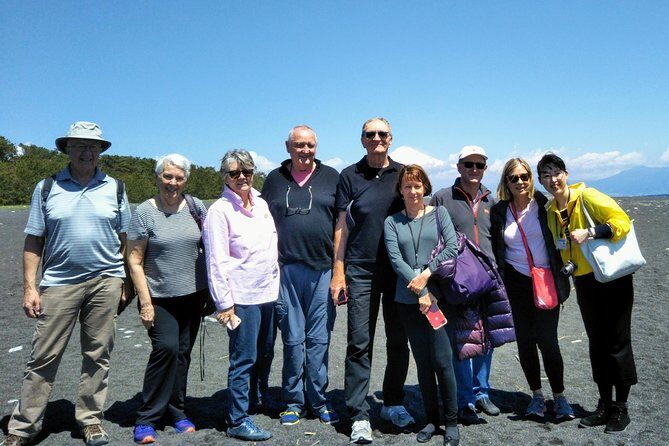
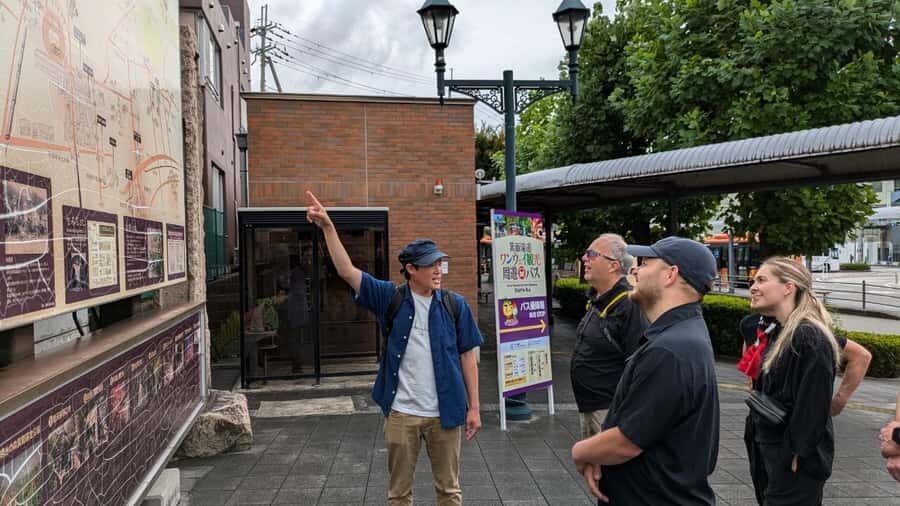
One consistent theme across the guide performance is how smoothly they handle real-life conditions. Guides like Kiyo, Miyuki, Nobuko, Hero, Yoko, and Motoko show up as strong communicators—clear English, friendly tone, and stories that make the sites feel connected rather than random.
What I’d actively look for is how your guide handles photo logistics. Multiple guide-led experiences emphasize photo moments and even taking pictures for you so you don’t have to juggle your camera while trying to frame Fuji. If Fuji is cloudy or shy, a good guide doesn’t just shrug—they point you to the angles most likely to work and keep the day moving so disappointment doesn’t swallow time.
Some guides also add small touches. One example mentioned cooling wipes and hydration tablets, which is the kind of practical help you’ll appreciate more than you expect on a warm day.
And timing matters. People valued the fact that guides sometimes got groups to key spots before heavier rush—especially around the ropeway and the shrine approach. If your ship schedule is tight, that skill becomes part of the value.
Practical Tips Before You Go (Comfort, Shoes, and Lunch Plans)
- Wear shoes you trust on stone steps. The shrine approach requires climbing after the ropeway.
- Bring sunscreen and water. Even though the itinerary is only 4 hours, it’s still an outdoor-and-viewpoint day.
- Plan lunch off-tour. Lunch isn’t included, and the tour time focuses on moving through stops efficiently.
- Bring a light layer. Coast and higher viewpoints can feel cooler than the port area, especially if it’s windy.
- If Fuji is your main goal, know that visibility depends on conditions. The observatory and tea-field viewpoints are designed to help, but nature decides the final result.
Should You Book This Shimizu Private Tour?
I’d book this if you want a short, well-paced Shimizu highlight day without the stress of transit changes. It’s especially good for:
- cruise passengers with limited time
- small groups (up to 8) who want a private van experience
- anyone prioritizing Mount Fuji viewpoints plus culture at Kunozan Toshogu Shrine
- travelers who appreciate a guide who explains stories as you go, not just at one stop
I’d hesitate if your group is very sensitive to stairs or rough surfaces, since the shrine approach includes stone steps. I’d also set expectations that Fuji may not appear, because the tour is still structured to be rewarding even when clouds win.
If you book, choose a departure time that fits your energy level—morning can feel calmer for viewpoints, but early afternoon can work too if it matches your ship and weather.
FAQ
How long is the private sightseeing tour from Shimizu Port?
The tour runs for about 4 hours (approx.). You’ll visit multiple stops, with time built in for viewpoints and short walks.
What’s included in the price?
The tour includes private transportation and an English-speaking guide. You also start and end back at the Shimizu Port meeting point.
What tickets or admissions are not included?
Ropeway and shrine/museum set admissions are not included. The listed set ticket price is ¥1,950 per person (round trip ropeway plus admission fee to Kunozan Toshogu Shrine and museum).
Is lunch included?
No. Lunch is not included, and the itinerary notes that lunch time is not part of the tour.
Where do we meet, and where does the tour end?
You meet at Shimizu Port FT (Esparus Dream Ferry) in Shimizu Ward, Shizuoka. The tour ends back at the same meeting point.
Do I need to climb steps during the tour?
Yes. To get to Kunozan Toshogu Shrine, you need to climb up stone steps after getting off the ropeway.
Is free cancellation available?
Yes. You can cancel for a full refund up to 24 hours in advance of the experience start time.