REVIEW · SHIZUOKA
Hakone Full Day Tour with Guide and Vehicle
Book on Viator →Operated by Japan Guide Agency · Bookable on Viator
Hakone in one day, without the stress. A licensed English-speaking guide (for example Seizo Kamiuto) plus a private vehicle helps you see the big sights in a smart order, with room to ask questions as you go. The trade-off: entrance fees and lunch aren’t included, and you’ll usually fit only a few stops from a long menu.
What I like most is how this tour turns Hakone’s scattered highlights into one workable plan. You’re not stuck figuring out connections between the ropeway, the lake area, museums in Gora, and the volcanic zone, and your guide can time key viewpoints—like the Hakone torii gate area—so you spend your energy sightseeing instead of waiting.
Just know that Hakone has serious walking and slopes. Some places work best with comfortable shoes, and if you’re planning a more active add-on like the nature trail, you’ll want to bring the right attitude and stamina.
In This Review
- Key things to know before you go
- Why Hakone feels easier with a private guide and vehicle
- Price and what $732.97 per group actually buys you
- The smooth morning flow: Lake Ashinoko and Hakone Shrine
- Art stops in Gora: museums, open-air sculpture, and glass
- POLA Museum of Art (short but focused)
- Okada Museum of Art (ceramics and East Asian pieces)
- Hakone Museum of Art (Gora setting)
- The Hakone Open-Air Museum (big sculpture day)
- Hakone Venetian Glass Museum (Italian-style buildings, stroll time)
- Dollhouse Museum Hakone and Narukawa Art Museum (quirky culture)
- Ropeway views and Sengokuhara’s seasonal mood
- Owakudani Valley: the volcanic heart of Hakone
- Owakudani Nature Research Trail: closer looks, extra planning
- Temples and gardens: Choanji, Shisseikaen, Gora Park
- Choanji Temple (quiet Soto Zen)
- Hakone Shisseikaen: wetlands botanical garden
- Gora Park: western-style unwind space
- Hakone Shrine ties the bow
- Stop-by-stop rundown of your 16 site options
- Lake Ashinoko
- Hakone Shrine
- Pola Museum of Art
- Okada Museum of Art
- Hakone Ropeway
- Sengokuhara
- Hakone Venetian Glass Museum (Hakone Glass no Mori)
- Hakone Museum of Art
- Choanji Temple
- Hakone Shisseikaen
- Gora Park
- Hakone Open-Air Museum
- Owakudani Valley
- Dollhouse Museum Hakone
- Narukawa Art Museum
- Owakudani Nature Research Trail
- How the private pacing changes your experience (and your feet)
- Who should book this Hakone private tour?
- FAQ
- FAQ
- What sites are included in the tour?
- How long is the Hakone full day tour?
- Is pickup offered?
- Is the tour in English?
- Are entrance fees and lunch included?
- Do I get tickets on my phone?
- Do I need the Hakone Freepass?
- Are there any extra costs for Owakudani’s nature trail?
- Are car seats available for kids?
- Is there free cancellation?
- Final call: should you book this Hakone tour?
Key things to know before you go
- Private car + English guide means an efficient day and easy explanations, not just drop-off and go
- Pick 3–4 sites from a larger list, so you can match your interests (art, nature, volcano, lake)
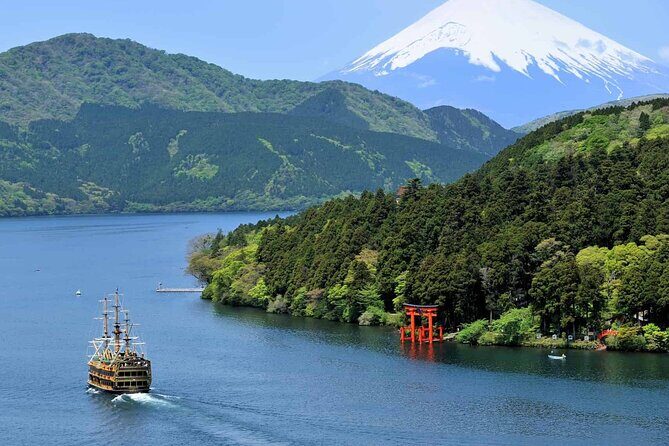
- Lake Ashi + Hakone Shrine are quick, calming stops with major views and long temple-sparking history
- Owakudani is the star for geothermal drama and the chance to try black boiled eggs
- Art options in Gora are real culture time, from museum stops to the open-air museum
- Flexible pacing shows up in the way guides time waits and coordinate your route
Why Hakone feels easier with a private guide and vehicle
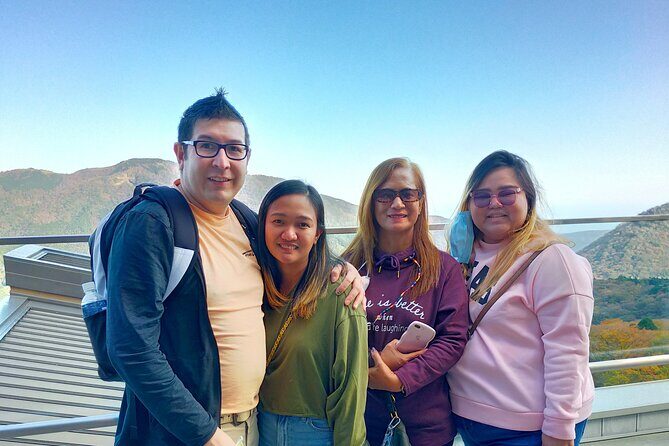
Hakone is one of those places where the headline sights are spread out. Lake Ashi sits in one direction, Gora and the museums are in another, and Owakudani is its own whole world. With a private vehicle, you can jump between areas without building your day around train schedules and last-minute transfers.
Also, the value of a licensed English guide isn’t just translation. A good guide helps you understand what you’re looking at while you’re standing there—like the volcanic story behind Owakudani, or why the torii gate experience matters once you’re on the water side of Lake Ashi. In short: your time gets used for real moments, not logistics.
And based on past guide experiences, you’ll likely get a bit of practical coaching too. One guide experience name you may hear is Kei, praised for being informative and flexible, while Seizo was specifically noted for coordinating time around the famous Hakone torii gate. That’s the kind of small difference that can turn a good day into a great one.
You can also read our reviews of more guided tours in Shizuoka
Price and what $732.97 per group actually buys you
This tour costs $732.97 per group (up to 2 people) for about 6 hours. That’s pricey on paper, but it’s worth looking at the structure:
- You’re paying for a private vehicle and a licensed local English-speaking guide, not just a seat on a bus.
- You’re buying time and convenience: one car, one plan, and less decision fatigue.
- Entrance fees, lunch, and personal expenses are not included, so you’ll budget separately for museums/attractions that charge.
If you’re traveling as two, the per-person cost drops compared with solo travel. If you’re traveling with more people, the price is still listed per group up to 2, so you may need to confirm how many people your exact vehicle setup can handle.
One more value point: because you’re customizing 3–4 stops, you can prioritize what you actually want. If you love art, you can lean harder into Gora museums. If volcano and geothermal sights are your thing, you can make Owakudani the center of the day.
The smooth morning flow: Lake Ashinoko and Hakone Shrine
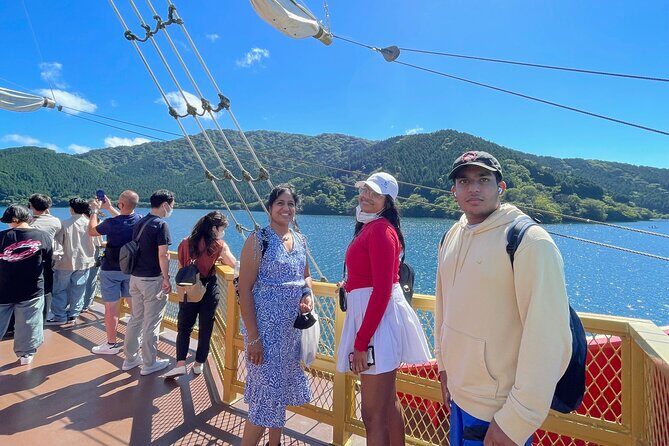
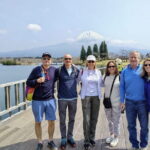
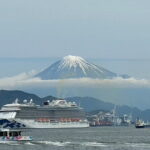
Most good Hakone days start with the lake. Lake Ashinoko is the centerpiece for the Mount Fuji backdrop, and it has a geological origin that makes the scenery feel more meaningful. The lake formed in the caldera of Mount Hakone after the last eruption about 3000 years ago. So when you look across the water, you’re seeing the result of a real volcanic system, not just a pretty postcard.
The timing here is friendly: the stop is about 15 minutes, and the admission ticket is free. You can use that short window to take photos, enjoy the calm, and get oriented before the day gets busy.
Next, you have Hakone Shrine (Hakone-jinja) for about 20 minutes. This place is quietly powerful: the shrine history stretches back more than 12 centuries, and the buildings have been rebuilt multiple times after fires. That resilience is part of the atmosphere, and it pairs well with Lake Ashi’s open views. It’s the sort of stop where you can reset your brain before museums or the ropeway.
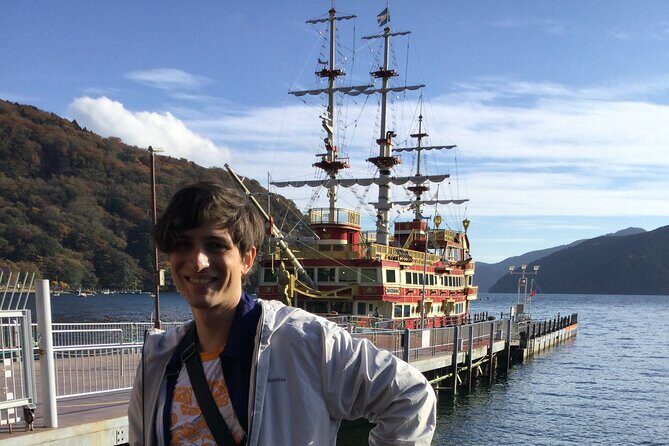
A practical tip: if the torii gate or lake-side views are a priority, ask your guide how they plan to time the water-area moments. One guide experience specifically mentioned waiting to see the famous torii gate, and that’s exactly the kind of coordination worth having.
Art stops in Gora: museums, open-air sculpture, and glass
Hakone has a surprising art scene. If you’re the type who likes museum time without turning the day into a lecture, this part of the itinerary is a strong reason to book a private tour.
POLA Museum of Art (short but focused)
Pola Museum of Art is about a 20-minute stop and is not included in admission. It opened in 2002 to display the company’s private art collection (connected to the POLA group). What you’ll likely appreciate is the way it’s designed as a curated viewing experience rather than a random collection dump.
A few more Shizuoka tours and experiences worth a look
Okada Museum of Art (ceramics and East Asian pieces)
Okada Museum of Art is also about 20 minutes, and admission isn’t included. It’s a private museum opened in 2013, known for spanning art from antiquity to modern times. East Asian ceramics are highlighted, so if you like fine craft and material detail, this can be a good match.
Hakone Museum of Art (Gora setting)
Hakone Museum of Art is about 20 minutes, with admission not included. It was founded in 1952 by Okada Mokichi. If your day already includes other museum stops, this one can act as either a main art event or a lighter add-on depending on your energy.
The Hakone Open-Air Museum (big sculpture day)
If you want art you can walk through slowly, Hakone Open-Air Museum is the headline option. It’s about 20 minutes in the provided plan, and admission isn’t included. It’s described as the first open-air art museum in Japan, built to harmonize nature and art, spread across around 70,000 square meters. Even if your stop is short, you’ll see how the museum uses space and outdoor staging to make art feel part of the environment.
Hakone Venetian Glass Museum (Italian-style buildings, stroll time)
The Hakone Glass no Mori (Venetian Glass Museum area) is another art-leaning choice, about 20 minutes. It’s not included in admission. The grounds include an Italian styled building setup plus a strolling garden with a canal-like pond. If you want something lighter than a traditional museum, this can be a pleasant break between lake views and volcanic heat.
Dollhouse Museum Hakone and Narukawa Art Museum (quirky culture)
For a more unusual angle:
- Dollhouse Museum Hakone (about 20 minutes) keeps dollhouses from around the world, some over 200 years old. Admission isn’t included.
- Narukawa Museum of Art is devoted to nihonga, Japanese-style painting. It’s about 20 minutes, with admission not included.
These are good options if your group includes at least one person who loves odd, specific collections rather than only big-name monuments.
Reality check: Because the tour is designed for 3–4 chosen sites, you probably won’t do every art stop in one day. Pick based on your strongest interest—museum craft, open-air sculpture, glass aesthetics, or smaller quirky collections.
Ropeway views and Sengokuhara’s seasonal mood
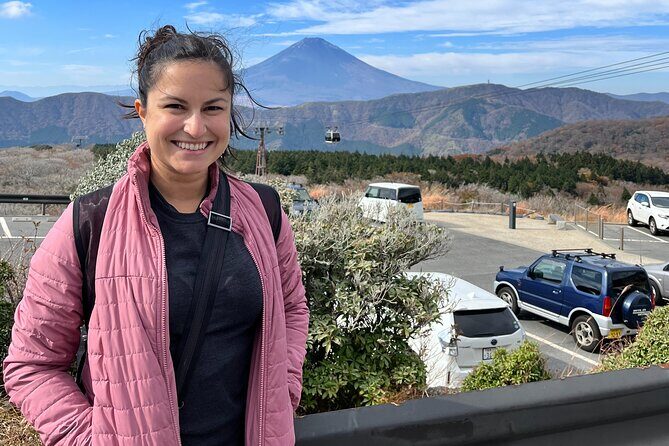
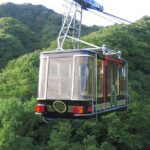
The itinerary includes Hakone Ropeway for about 20 minutes. It connects Sounzan Station (at the end of the Hakone Tozan Cablecar) to Togendai Station, putting you in position to experience the dramatic switching between mountain areas and the lake side. Admission isn’t included, so you’ll budget for the ropeway ride itself.
Then there’s Sengokuhara, about 20 minutes and free admission. This is described as a slope of pampas grass that looks especially good in autumn. Even if you’re visiting out of peak season, it can still be a pleasant, open-air pause—just don’t expect a guaranteed peak foliage moment year-round.
Owakudani Valley: the volcanic heart of Hakone
If you only do one Hakone highlight, Owakudani is the one most people remember.
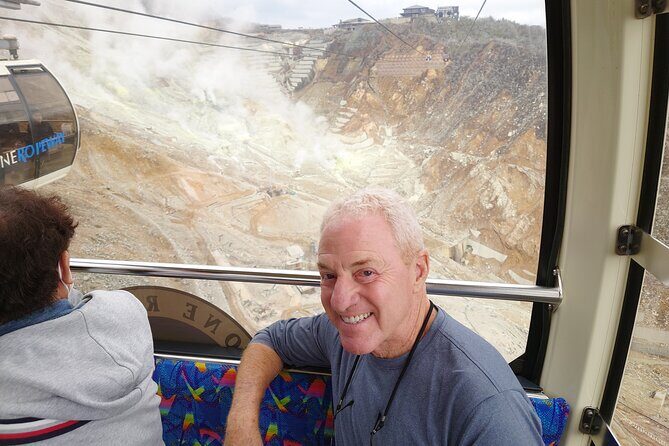
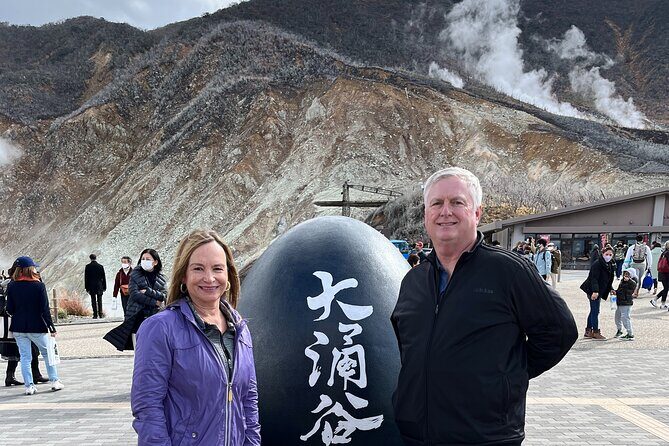
Owakudani is an active volcanic area that powers the local hot springs. In the provided plan, you spend about 20 minutes there, and the stop is listed as free. The experience centers on geothermal activity and information from the observatory side, plus the famous local food moment: black boiled eggs that turn black from the spring minerals.
This is also one of the easiest places for your guide to add value. They can point out what you’re seeing and connect it to the heat sources around you, so it doesn’t feel like you’re just standing near sulfur steam.
Owakudani Nature Research Trail: closer looks, extra planning
There’s an optional extra in the same volcanic world: Owakudani Nature Research Trail. It’s listed as about 40 minutes, with a reservation requirement and an entrance fee of 800 yen. Admission isn’t included in the tour, so plan on paying separately if you add it.
This trail is described as a walking route through an active volcanic area with close-up geothermal views. The big consideration is the extra planning step (advance reservation) and the fact that you’ll be in an active environment longer than the main Owakudani stop.
Temples and gardens: Choanji, Shisseikaen, Gora Park
Hakone isn’t only volcano and museums. The softer side matters too, especially if you want a day that doesn’t run on adrenaline the whole time.
Choanji Temple (quiet Soto Zen)
Choanji Temple is about 30 minutes, and admission isn’t included. It’s a Soto school Zen Buddhism temple established in 1356 in the Sengokuhara area. It’s described as atmospheric and located in a quiet spot at the base of a hill. If you’re looking for a slower pause between ropeway views and museum time, this is a solid choice.
Hakone Shisseikaen: wetlands botanical garden
Hakone Shisseikaen (Hakone Botanical Garden of Wetlands) is about 20 minutes, not included in admission. It’s in the highlands of Fuji Hakone Izu National Park, founded in 1976 to preserve plant life. If you like botany or want visual variety beyond sculptures and lava zones, this garden offers a different kind of Hakone mood.
Gora Park: western-style unwind space
Gora Park is another 20-minute stop, admission not included. It’s described as a western style landscape park on a steep slope above Gora Station, made for relaxing with scenery and views. This works well as a lighter break if you feel museum-saturated.
Hakone Shrine ties the bow
After you’ve done water, volcano, and art, you can end or pass through Hakone Shrine again in your day’s flow (depending on your exact chosen stops). It’s a good mental reset because it’s tranquil and rooted in deep local tradition.
Stop-by-stop rundown of your 16 site options
Because this tour is built around choosing 3–4 sites from a larger list, think of the following as a menu. Your guide will select the order based on your picks, timing, and how much walking you want.
Lake Ashinoko
A lake formed in the caldera of Mount Hakone after the last eruption about 3000 years ago. Admission ticket free; about 15 minutes. Best for photos, orientation, and Mount Fuji backdrop moments.
Hakone Shrine
A tranquil shrine with history over 12 centuries, rebuilt multiple times after fires. Free; about 20 minutes. Good for calm, atmosphere, and cultural grounding.
Pola Museum of Art
20 minutes; admission not included. A museum showing a private collection connected to the POLA group; opened 2002. Best if you want indoor art time without wandering for hours.
Okada Museum of Art
20 minutes; admission not included. Private museum opened 2013, spanning antiquity to modern, with emphasis on East Asian ceramics. Best if you like craft objects and curated material detail.
Hakone Ropeway
20 minutes; admission not included. Part of the Hakone Round Course, connecting Sounzan to Togendai. Best for switching mountain-to-lake scenery.
Sengokuhara
20 minutes; free. Known for pampas grass, especially pretty in fall. Best if your timing matches autumn, or if you want open-air views.
Hakone Venetian Glass Museum (Hakone Glass no Mori)
20 minutes; admission not included. Italian styled buildings plus a strolling garden with a canal-like pond. Best as a scenic break in a day heavy on museums and volcanic stops.
Hakone Museum of Art
20 minutes; admission not included. Founded in 1952 by Okada Mokichi. Best as a classic art museum choice in the Gora area.
Choanji Temple
30 minutes; admission not included. Soto Zen temple from 1356, atmospheric and quiet. Best for breathing space and a slower pace.
Hakone Shisseikaen
20 minutes; admission not included. Wetlands botanical garden founded 1976 to preserve plants. Best if you want nature variety and a different feel from geothermal heat.
Gora Park
20 minutes; admission not included. Western-style park on a steep slope above Gora Station for relaxing views. Best as an easy scenic pause.
Hakone Open-Air Museum
20 minutes; admission not included. Japan’s first open-air art museum, designed to combine nature and art across about 70,000 square meters. Best if your group loves outdoor sculpture energy.
Owakudani Valley
20 minutes; free. Active volcano that powers hot springs. Expect observatory learning and black boiled egg fun. Best as the day’s dramatic highlight.
Dollhouse Museum Hakone
20 minutes; admission not included. Worldwide dollhouses, some over 200 years old. Best if you want something playful and specific.
Narukawa Art Museum
20 minutes; admission not included. Dedicated to nihonga painting. Best for a focused art style.
Owakudani Nature Research Trail
40 minutes; advance reservation required; 800 yen entrance fee. Best if you want a longer walk in a geothermal area and you’re okay with extra planning.
How the private pacing changes your experience (and your feet)
Here’s the underrated benefit: when you’re not doing route research all day, you’re free to adjust. If the weather shifts, you can prioritize indoor art. If the ropeway line or the lake-side crowd feels heavy, you can swap order or choose the calm spots first. This is exactly the kind of flexibility guides were praised for, including being willing to wait for the torii gate timing.
Also, your stop lengths are relatively short (often 15–20 minutes, with a few longer ones). That’s helpful because Hakone is easy to overpack. In a private plan, you can still slow down where it matters most to you, instead of forcing every stop to match a fixed group schedule.
Your biggest practical job: bring comfortable shoes. Stepping between stations, parks on slopes, and temple grounds is part of the day, and Hakone is not flat.
Who should book this Hakone private tour?
This tour makes the most sense if:
- You want to see major Hakone highlights without wrestling with transportation and transfers
- Your group includes at least one person who values an English guide for explanations (not just pictures)
- You care about mixing nature and art, especially the Gora museums plus Owakudani
- You’re traveling as up to two people and want a private vehicle experience
If you’re a solo budget traveler, you might prefer a cheaper public-transport strategy. If your group is four or more, you’ll want to confirm how the vehicle setup and pricing works for your exact number of people, since the listed pricing is per group up to 2.
FAQ
FAQ
What sites are included in the tour?
The tour is customizable: you choose 3–4 sites from the What to expect list, such as Lake Ashinoko, Hakone Shrine, POLA Museum of Art, Okada Museum of Art, Hakone Ropeway, Owakudani Valley, and several others.
How long is the Hakone full day tour?
It lasts about 6 hours.
Is pickup offered?
Yes, pickup is offered.
Is the tour in English?
Yes, it includes a licensed local English-speaking guide.
Are entrance fees and lunch included?
No. Entrance fees and lunch are not included, along with other personal expenses.
Do I get tickets on my phone?
Yes, it includes a mobile ticket.
Do I need the Hakone Freepass?
A Hakone Freepass is not included, so you would need to handle it separately if you plan to use one.
Are there any extra costs for Owakudani’s nature trail?
Yes. The Owakudani Nature Research Trail requires advance reservation and has an 800 yen entrance fee, and admission is not included.
Are car seats available for kids?
Car seats and booster seats are limited, and rear-facing car seats are not available. You need to contact the provider directly if you need them.
Is there free cancellation?
Yes. You can cancel for a full refund up to 24 hours in advance of the experience start time.
Final call: should you book this Hakone tour?
If your goal is a smooth, high-value Hakone day with less hassle, I’d book it. The private vehicle + licensed English guide combo is the reason this tour works: it turns a scattered region into one coherent itinerary, with flexibility and real guidance for stops like Lake Ashinoko, Hakone Shrine, the ropeway area, and Owakudani.
I would reconsider only if you’re chasing the lowest cost, or if your interests don’t match the mix of lake views, volcano energy, and optional art/museum time. In that case, public transport might suit you better. But for most people trying to see Hakone’s highlights efficiently, this private format is an easy win.