REVIEW · SEKI
Seki: Samurai Knife Making Experience at the Knife Museum
Book on GetYourGuide →Operated by MOST JAPAN · Bookable on GetYourGuide
Seki makes metal feel human. In this one-day experience, you’ll create a personalized Damascus kitchen knife at a workshop tied to the G. Sakai knife world, then test the edge the way cooks actually judge sharpness. Two things I like a lot are the hands-on pace with master instructors and the way your knife ends with a real, satisfying performance check.
What you’ll walk away with is not just a souvenir. I love that you’ll engrave/personalize the blade and learn practical sharpening technique you can use afterward, plus you get a broader look at Seki’s sword culture in the museum stops.
One consideration: the process can run long. Even when the day is planned, you should expect the workshop steps to take their time, so build in a relaxed, full-day mindset.
In This Review
- Key things to know before you go
- Seki City and why a knife day feels more personal than a museum day
- Making your own Damascus-style samurai kitchen knife (what you actually get)
- G. Sakai Knife Museum workshop: the steps, the feel, and the teaching style
- Writing your name in kanji/kana and polishing details that change the blade
- Testing your knife on fresh vegetables (the sharpness moment)
- Swordsmith history at Seki’s Blacksmith/Sword Museum: connecting knives to samurai sword culture
- Lunch in Seki after the workshop: sushi, eel, and food that resets your brain
- Value check: is $322 a good deal for a day in Seki?
- Practical tips for a smooth day from Sekitomioka Station
- Should you book this Samurai knife making experience?
- FAQ
- How long is the experience?
- Where do I meet the group?
- What is included in the price?
- What do I make during the workshop?
- Is there time to test the knife after making it?
- What museums do we visit?
- What languages are available?
- Is it suitable for children?
- What about the group size?
- What is the cancellation and payment flexibility?
Key things to know before you go
- Small group (up to 5) means more instructor attention and less waiting around.
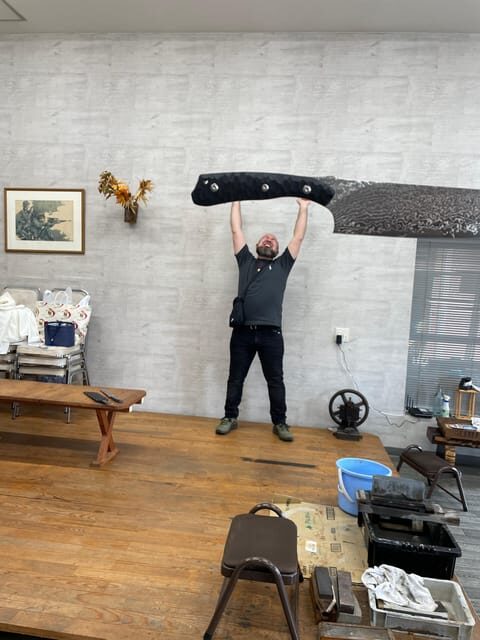
- Workshop + personalization: you’ll make a knife from start to finish and put your name on the blade using special techniques.
- Real sharpness test: you’ll try your knife on fresh vegetables, so you feel the difference right away.
- Factory-connected museums: the Knife Museum is tied to the G. Sakai knife factory, not just a generic display room.
- Sword context in Seki: the Swordsmith Museum helps you connect kitchen-cutting tools to Japanese sword-making traditions.
- Lunch is part of the story: you’ll finish the hands-on work with authentic Japanese cuisine in town.
Seki City and why a knife day feels more personal than a museum day
Seki City, in Gifu Prefecture, is the kind of place where you can tell craft isn’t a hobby. It’s local identity. The region has been known for blade making for centuries, helped by the ingredients needed for traditional forging: iron sand, charcoal, and water. That matters because this tour isn’t staged far from the work. You’re in the same broader world that produces knives and sword-related craftsmanship.
What I think makes the experience feel special is the sequence. You don’t start by watching. You start by doing. And once you’ve shaped, polished, engraved, and sharpened, the museum pieces make more sense. A sword display stops being abstract history and becomes a continuation of a craft you just held in your hands.
You can also read our reviews of more tours and experiences in Seki.
Making your own Damascus-style samurai kitchen knife (what you actually get)
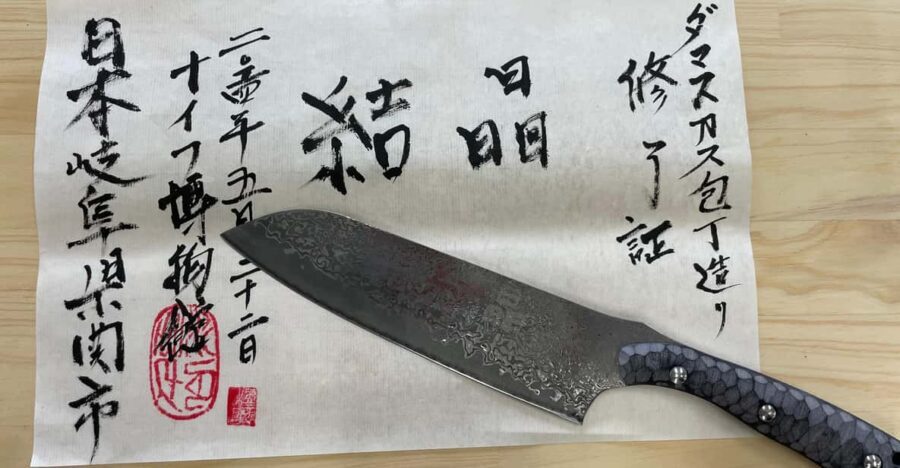
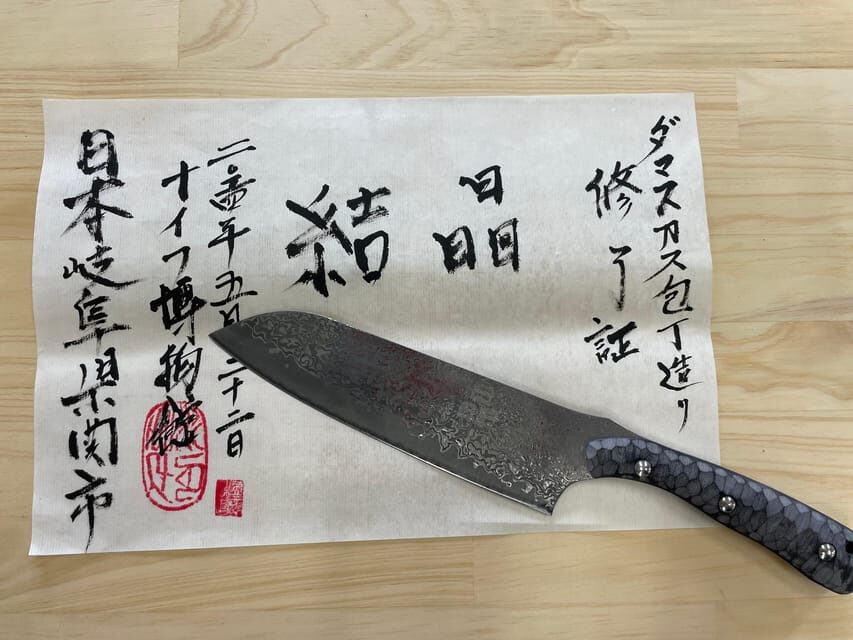
This is a knife-making experience focused on a kitchen knife, not a full katana sword. The “samurai” connection is cultural and technical: discipline of the process, respect for the blade, and the attention to edge performance. You’ll create a personalized Damascus kitchen knife from the early steps through finishing and sharpening.
A few details that make it feel like yours:
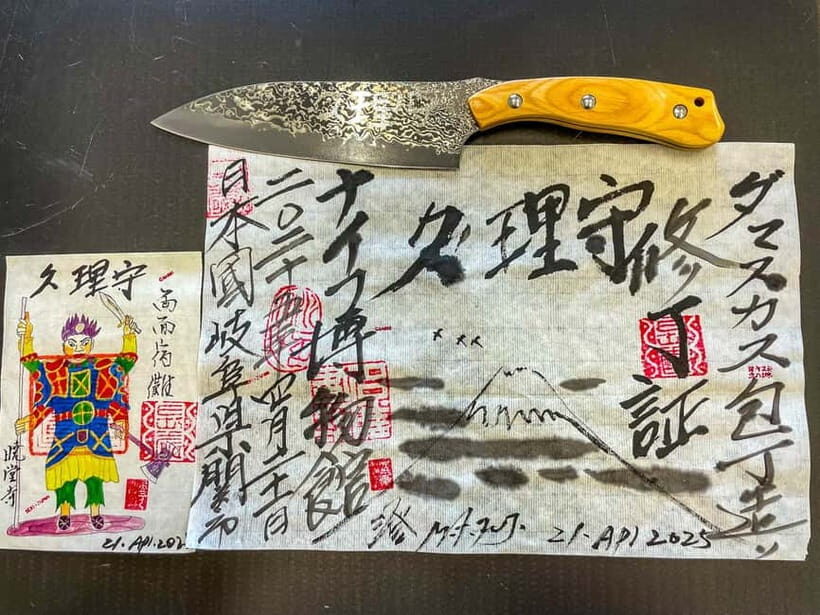
- Your blade is personalized with your name. You’ll use a special method to write it on the knife, and you may work with kanji or kana depending on how your name is represented.
- You’ll polish and sharpen your knife, not just assemble parts.
- You’ll get a limited-edition mini knife gift and a certificate to take home.
Also, the day is designed so you can actually use the end result. Your knife is made for real cutting, and part of the satisfaction is leaving with something that belongs in a kitchen drawer, not only under glass.
One thing to note for expectations: there aren’t unlimited style choices. The available knife options can feel limited compared to what you might imagine from a big “choose anything” workshop.
G. Sakai Knife Museum workshop: the steps, the feel, and the teaching style
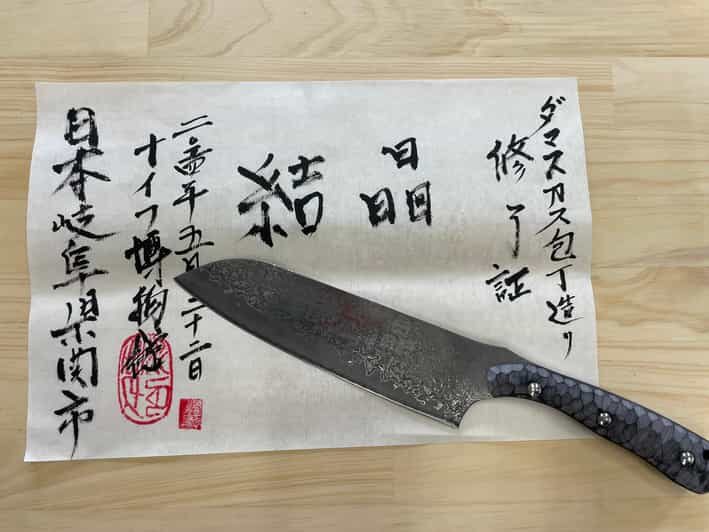
You meet at Sekitomioka Station and then head to the G. Sakai Knife Museum area for the workshop. The museum part matters because it’s tied to the manufacturing ecosystem. You’re not only learning theory; you’re working in a craft environment where knives are a serious business.
Inside the workshop, the process is paced in stages. The instructors guide you step-by-step, which is great if you’re starting from zero. Many participants leave impressed by how patient the teaching feels, especially during the fine, slow parts like polishing and edge finishing.
What you can expect to do (not just watch):
- Participate in the making process from early shaping stages to final setup.
- Polish the blade surface and refine the finish.
- Engrave/etch your name onto the blade using a special technique.
- Receive sharpening instruction so you learn the why behind the edge, not just the how.
In practical terms, the workshop is where you earn the skill. If you’ve ever bought a knife and wondered how to keep it sharp, this is the day that answers the question with your own hands.
Writing your name in kanji/kana and polishing details that change the blade
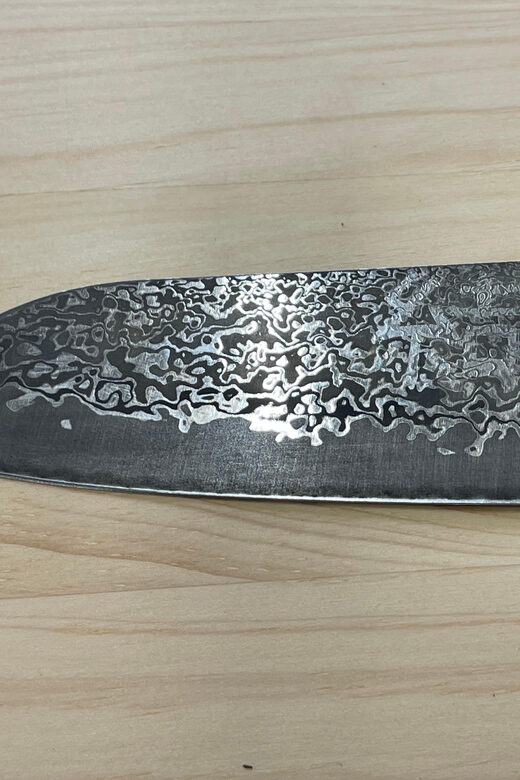
Personalization is the “wow” moment, but it’s also where the craft shows its seriousness. Writing your name on the blade isn’t just decoration. It forces you to slow down and think about alignment, readability, and how surface prep affects the final look.
During the process, you might work through name conversion and then apply it to the blade. People often find this part surprisingly memorable because it connects language to metal. It turns the knife into a personal artifact rather than a generic product.
Polishing is the other make-or-break phase. Polishing isn’t busywork. It affects how the blade reflects light and how the finished surface feels to the touch. More importantly, polishing plus sharpening is what sets up the later sharpness test to actually mean something.
Testing your knife on fresh vegetables (the sharpness moment)
Here’s where the tour becomes practical. After you finish sharpening, you test the knife on fresh vegetables. That’s not a gimmick. Cutting something soft-but-firm helps you feel:
- how clean the edge slices,
- how stable the blade feels in motion,
- and whether the sharpness matches the time spent.
This test is also a confidence builder. If your knife feels different in your hand than you expected, you’ll understand why that difference matters. And if it cuts better than you imagined, you’ll understand why chefs pay attention to edge quality and maintenance.
Some groups even get a quick extra sharpness-style moment (like slicing a water bottle), but the core and most useful check is the vegetable test.
Swordsmith history at Seki’s Blacksmith/Sword Museum: connecting knives to samurai sword culture
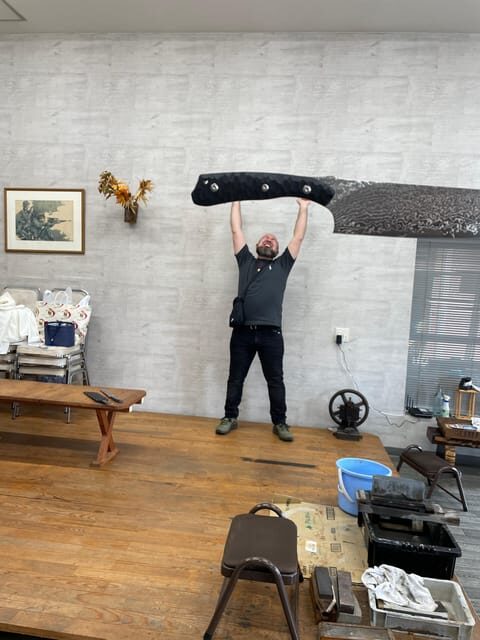
After the knife workshop, you shift gears to the history side. The Seki Swordsmith Museum helps you place what you did into the larger story of Japanese sword-making traditions. You’ll learn about the history of samurai and Japanese swords, and Seki’s role in that tradition.
This stop is valuable because it reframes the day. Once you’ve held a knife blank and worked on a blade, the museum explanations land differently. You notice the discipline of finishing. You understand why blade performance depends on more than just “sharp.”
You also have a chance to see the sword-making world in action through the museum setting connected to local workshops. If you like asking questions, this is the section where talking shop makes sense, since the craft is right there and the guide can connect details back to what you experienced earlier.
Lunch in Seki after the workshop: sushi, eel, and food that resets your brain
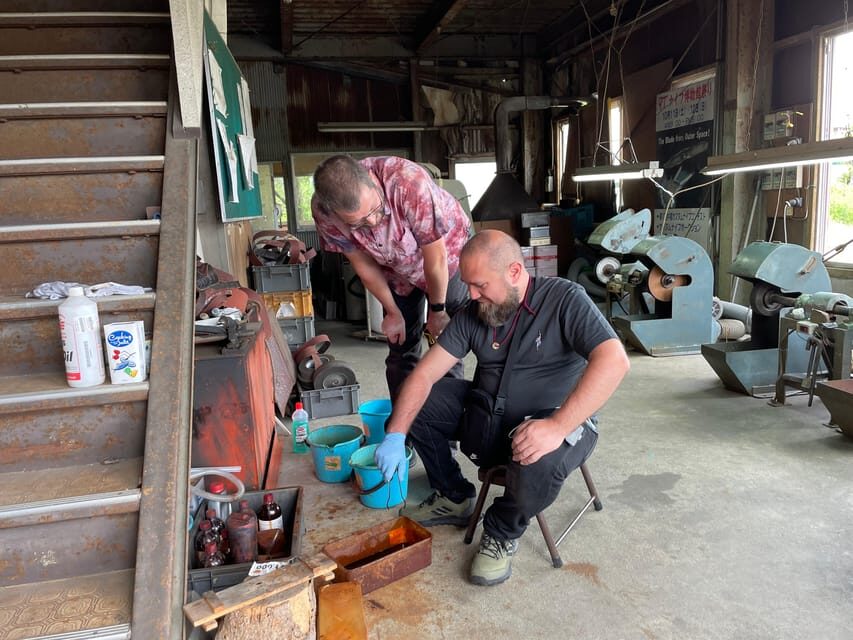
After metal dust and careful hands, you’ll need a reset. Lunch is part of the plan, and it’s authentic Japanese cuisine served in a local restaurant.
What’s great here is the timing. You finish sharpening and personalization, then you eat before the next museum stop. That keeps the day from feeling like back-to-back lessons.
Food-wise, the lunch experience can include sushi, and some participants report eel as well. There may also be choices among meal types. If you’re hungry for a “proper Japan meal,” you’re not going to be stuck with generic set lunch food.
Value check: is $322 a good deal for a day in Seki?
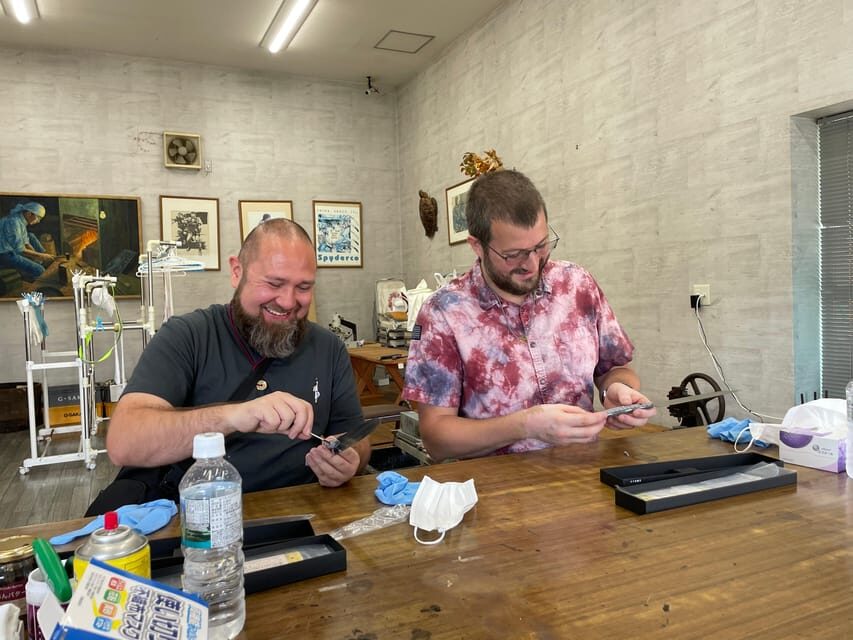
At $322 per person, this isn’t a cheap activity. But it also isn’t a quick photo stop, and that changes the value equation.
Here’s what you’re paying for:
- A hands-on knife-making workshop led by instructors who teach you polishing, engraving/personalizing, and sharpening.
- Your knife is not just assembled. You participate in finishing, and you test performance afterward.
- Museum entry and the sword-history stop add context.
- Lunch is included.
- Transportation is included, and the group size stays small.
If you’ve ever bought a nice knife and realized you don’t know how it should feel when it’s truly sharp, this day gives you a direct benchmark. You’ll understand sharpness in a physical way, and you’ll take home a usable kitchen knife plus a mini-knife keepsake and certificate.
Could you buy a knife for less? Yes. But you’d be missing the one-day craft education and the personal, name-on-the-blade satisfaction. For many people, that’s the difference between a purchase and a story.
Practical tips for a smooth day from Sekitomioka Station
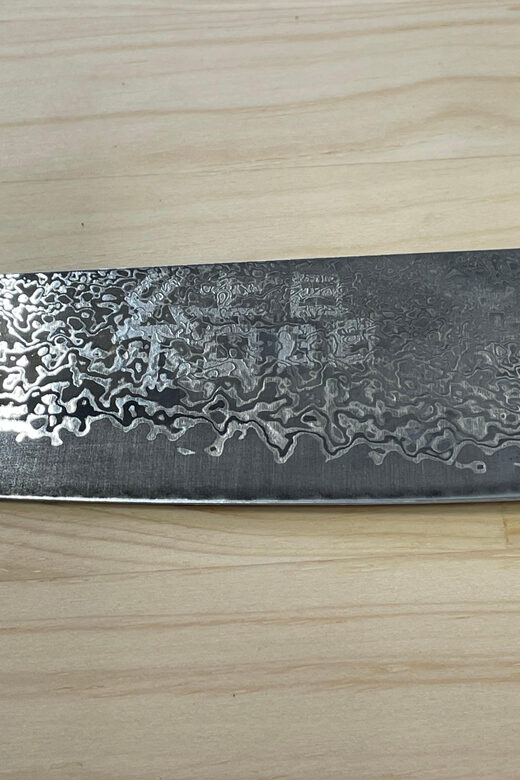
Plan to commit to a calm day. Even though the itinerary is set in hours, the workshop steps can take longer than the bare schedule suggests. The best strategy is simple: don’t schedule tight train connections right after the workshop. Give yourself breathing room.
A few practical points that matter:
- Meeting time: you’ll meet at Sekitomioka Station around the arrival window (the driver picks you up by car).
- Small group: up to 5 participants, so you’ll likely move as a tight unit. Follow the guide’s timing cues.
- Languages: the tour runs in English and Japanese, with an English guide and instructors who can explain steps.
- Not for kids: it’s listed as not suitable for children under 18.
- Take photos: the guide team typically captures parts of the process (many participants appreciate that you’re not stuck holding your phone the whole time).
Finally, wear clothes you don’t mind getting a bit “workshop-used.” You’ll be in a metal-and-finishing environment, and comfort beats fashion.
Should you book this Samurai knife making experience?
If you want a hands-on cultural day with a real end product, I think you should seriously consider booking. This is ideal for people who:
- enjoy crafts and careful work,
- want more than a standard museum visit,
- and love the idea of leaving with a kitchen knife that’s actually tested and personalized.
I’d hesitate if you’re only looking for a quick, light activity. The workshop is the main event, it takes time, and the process can run long. Also, if you hate any chance of schedule slipping, keep a buffer day in your plan.
If you do book, go in expecting patience to be part of the value. You’re not racing through steps. You’re learning how sharpness is made, how names become part of the blade, and how Seki’s knife culture connects to samurai-era sword-making traditions.
FAQ
How long is the experience?
The tour is described as lasting 1 day, with the workshop running about 2.5 hours, plus lunch and a museum visit.
Where do I meet the group?
You meet at Sekitomioka Station (Nagara River Train). The driver picks you up by car from there.
What is included in the price?
The price includes the knife-making set, lunch, entry tickets to the museums, transportation, an English guide, and an instructor for the making process.
What do I make during the workshop?
You make a personalized Damascus-style samurai kitchen knife. You’ll sharpen, polish, and engrave/personalize your name on the blade.
Is there time to test the knife after making it?
Yes. After the workshop, you check the knife’s sharpness and feeling by cutting fresh vegetables.
What museums do we visit?
You visit the G. Sakai Knife Museum area and then go on to the Seki Swordsmith Museum (also referred to as a blacksmith/sword history stop).
What languages are available?
The tour is offered with an English guide, and the activity is supported in English and Japanese.
Is it suitable for children?
No. The experience is listed as not suitable for children under 18.
What about the group size?
It’s a small group limited to 5 participants.
What is the cancellation and payment flexibility?
You can cancel up to 24 hours in advance for a full refund, and there’s a reserve now & pay later option (availability and terms apply).
![[Japan Wellness] Zen Meditation and Temple Tour in Matsushima - Timing and meeting point: plan like a calm person](https://images.thejapantraveler.com/wp-content/uploads/japan-wellness-zen-meditation-and-temple-tour-in-matsushima.jpg)