REVIEW · TOKYO
Tokyo: Nikko Toshogu Shrine and Kegon Waterfall Tour
Book on GetYourGuide →Operated by GORYO TRAVEL CO. LTD. · Bookable on GetYourGuide
Nikko is the kind of day trip that feels like two worlds. You’ll go from Tokyo’s rush to Toshogu Shrine splendor and then up close with Kegon Waterfall power. What makes this tour click is the tight rhythm: big sights, real context from your guide, and enough time to actually look instead of just moving past everything.
I like that you get guided history right before you enter the shrine complex, so the details land faster. I also like the mix of culture and nature—stone, color, then roaring water, then a lakeside pause. One drawback to plan for: it’s a long day (about 10.5 hours), and lunch isn’t included, plus you’ll want cash for purchases.
In This Review
- Key Things I’d Not Miss
- Getting Out of Tokyo: Why This 10.5-Hour Day Works
- Price and Value: What You’re Actually Paying For
- Meet-Up and the Coach Ride: Where Comfort Helps
- Shinkyo Bridge (Starting Oct 1, 2025) or Nikko Onsen (Until Sep 30, 2025)
- Toshogu Shrine: Tokugawa Ieyasu, UNESCO Details, and the Stair-Test
- Irohazaka Slope: The 48 Turns Road You’ve Seen in Initial D
- Kegon Waterfall: Nearly 100 Meters of Real Power
- Lake Chūzenji: Cold Views, Quick Shopping, and a Walk That Helps
- Your Guide Matters: English/Chinese Hosting and Real-Life Advice
- What to Bring: Shoes, Water, and Cash-Only Reality
- The Verdict: Should You Book This Tokyo to Nikko Tour?
- FAQ
- Where are the meeting points in Tokyo?
- How long is the tour?
- What major stops does the tour include?
- Is lunch included?
- Do I need to bring cash?
- Are credit cards accepted at the stops?
- Is Shinkyo Bridge always part of the tour?
- Are tattoos allowed?
- Can I bring luggage or large bags?
- What happens if the weather is bad?
Key Things I’d Not Miss

- Toshogu’s Tokugawa stories before you step inside so carvings and symbolism make sense.
- Kegon Waterfall timing + viewpoints for photos without feeling like you’re sprinting.
- Lake Chūzenji time for walking and shopping rather than a rushed photo-only stop.
- Irohazaka’s famous 48 turns as a scenic break on the way to the falls.
- Shinkyo Bridge vs Nikko Onsen swap depending on your travel date.
Getting Out of Tokyo: Why This 10.5-Hour Day Works
This tour is built for people who want Nikko’s top highlights without turning the day into a logistics puzzle. You’re leaving Tokyo early enough to feel like you got a full day out there, but you’re not stuck thinking about trains, transfers, or timing.
And Nikko rewards the effort. You’re dealing with both human-made “wow” (the Toshogu shrine complex) and raw nature “wow” (Kegon’s drop and the Lake Chūzenji views). If you only wanted one of those, you could do it on your own. But the combo is the point here.
You can also read our reviews of more tours and experiences in Tokyo.



Price and Value: What You’re Actually Paying For
The price is $84 per person, and that matters less than what’s included. You’re paying for round-trip transport by coach, a bilingual guide (English/Chinese), and the Toshogu Shrine entry ticket.
The places on this route are popular, and the ticketed shrine is a real cost. On top of that, your guide helps you connect dots quickly—why Toshogu looks the way it does and why Tokugawa Ieyasu still matters. That guidance is hard to replicate when you’re solo.
The main “not free” item is food. Lunch isn’t included, and credit cards aren’t accepted at all locations, so you should budget cash for a meal or snacks.
Meet-Up and the Coach Ride: Where Comfort Helps
You meet either at Tokyo Yaesu Bus Terminal or at the ground floor of Sumitomo Mitsui Bank, Shinjuku Nishiguchi Branch. The exact meeting spot can vary by day, so check your schedule the day you book.
The coach ride is part of the experience. One nice detail from the experience of recent riders: some departures have Wi‑Fi and USB charging ports. Even if you don’t use them, it’s a comfort boost after a morning start.
You’ll spend about 2.5 hours heading toward the first Nikko area stop, then about 3 hours returning to Tokyo. If traffic happens, your timing can shift, but you’ll still get the core sights.
Shinkyo Bridge (Starting Oct 1, 2025) or Nikko Onsen (Until Sep 30, 2025)
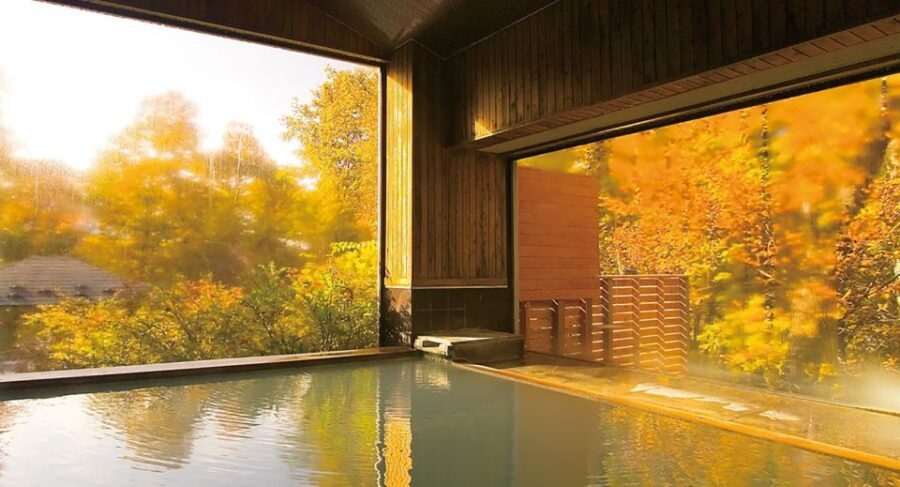
Here’s the key date-based swap you need to know. Until September 30th, 2025, the tour goes to Nikko onsen instead of Shinkyo Bridge. Starting October 1st, 2025, that onsen stop is changed to Shinkyo Bridge.
If you’re going on the Shinkyo Bridge version, you’ll see the bridge as a dramatic red arched crossing over the Daiya River. It marks an entrance into Nikko’s sacred area, and even as a quick photo stop, it helps you understand you’re stepping into a specific world, not just a scenic town.
If you’re going on the onsen version, you’re swapping “iconic bridge photos” for “hot-spring calm.” Either way, this early stop is about setting the tone before the main shrine.
Toshogu Shrine: Tokugawa Ieyasu, UNESCO Details, and the Stair-Test
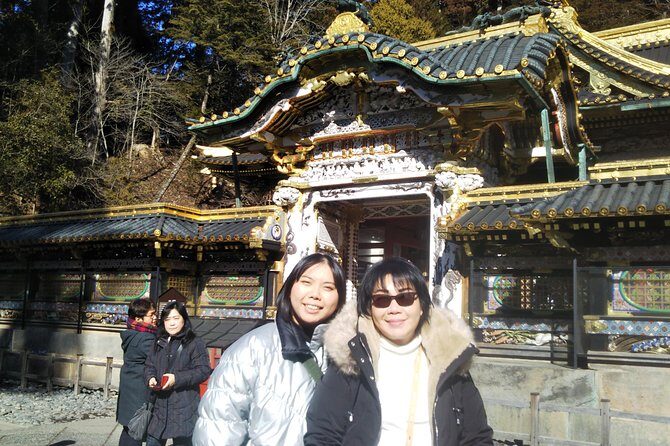
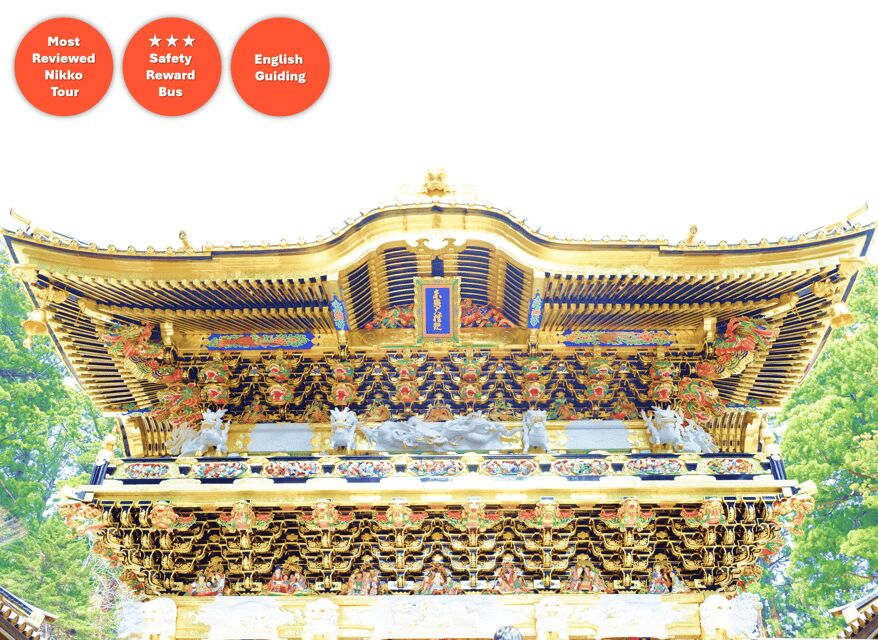
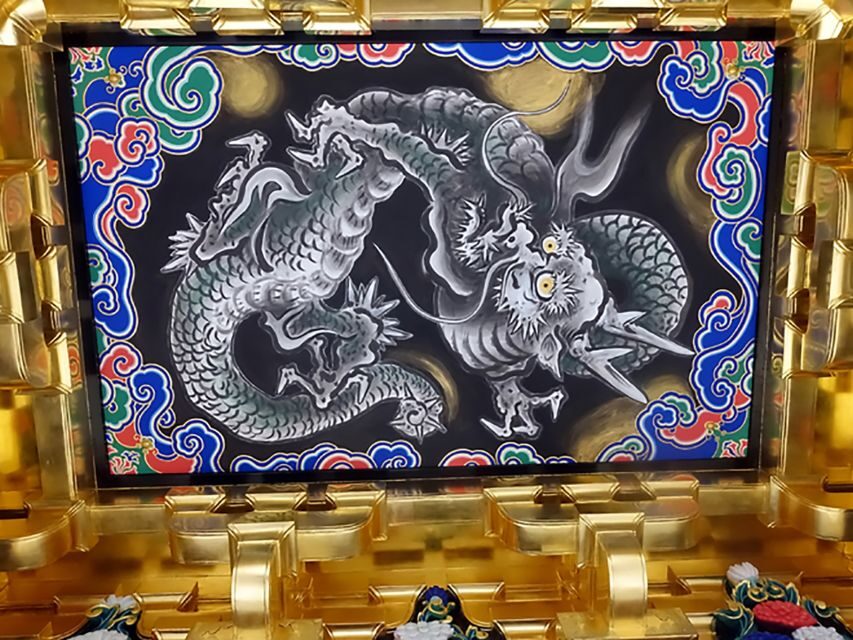
Toshogu is the headliner for a reason. It’s the final resting place of Tokugawa Ieyasu, the founder of the Tokugawa shogunate that ruled Japan for more than 250 years until 1868 (the Edo Period). The shrine complex is a UNESCO World Heritage site, and your guide will explain stories and legends tied to the buildings as you walk.
What I love about going here with a guide first: the place can look like pure decoration if you show up cold. With context, those details start to feel intentional—like the shrine is communicating ideas through color, carvings, and layout, not just showing off.
Plan for walking and stairs. Some visits note climbing a lot of steps (around 207 steps) to reach key areas, and you’ll feel it. Wear comfortable shoes and take short breaks if you need them.
The time on site is about 75 minutes, which is generally enough to see the most famous parts. That said, Nikko can get busy, and I’ve seen comments that the shrine can feel slightly rushed during peak periods. If that’s your fear, aim for a calmer pace mentally: focus on a few areas you want to photograph, and let the rest unfold slowly.





Irohazaka Slope: The 48 Turns Road You’ve Seen in Initial D
Between Toshogu and the falls, you’ll pass Irohazaka, the winding mountain road famous for its 48 sharp turns and associated with the anime Initial D.
This part is short—around 20 minutes—so don’t expect a long scenic hike. Think of it as a breath of drama while the bus climbs and curves. If you’re visiting in autumn, this is also the kind of route that lines up nicely with fall leaves, and you’ll likely get views even from roadside pull-offs.
If you’re the type who loves roadside stops and photo moments, you’ll appreciate this in a “quick hit” way. If you hate waiting near curves, keep your patience ready—this is one of those “pass by and absorb” segments.
Kegon Waterfall: Nearly 100 Meters of Real Power
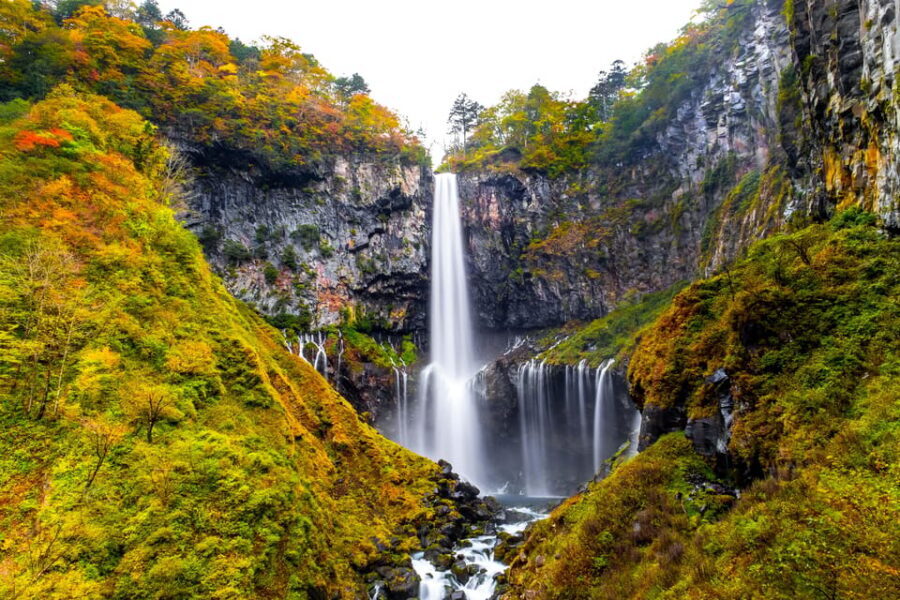
Then comes Kegon Waterfall, one of Japan’s most famous waterfalls and often listed among the country’s top three scenic falls, alongside Nachi Waterfall and Fukuroda Waterfall. Kegon is nearly 100 meters tall, and the scale is the point. Up close, it feels less like a postcard and more like weather in motion.
You’ll have about 75 minutes at this stop, with time for photos, sightseeing, and time to eat. Lunch is not included, but this is where you’ll have your best chance to buy food and drinks during the day.
A practical note: one helpful tip you’ll want to remember is that the elevator to the waterfall area isn’t included in the tour. So if you want the easiest access, be ready for extra steps and/or pay-your-way options. Bringing cash matters even more here.
Also consider the weather. Mist and rain can change the view a lot. If the day is socked in, you’ll still get the experience, but your photos may look hazy rather than crisp.
Lake Chūzenji: Cold Views, Quick Shopping, and a Walk That Helps
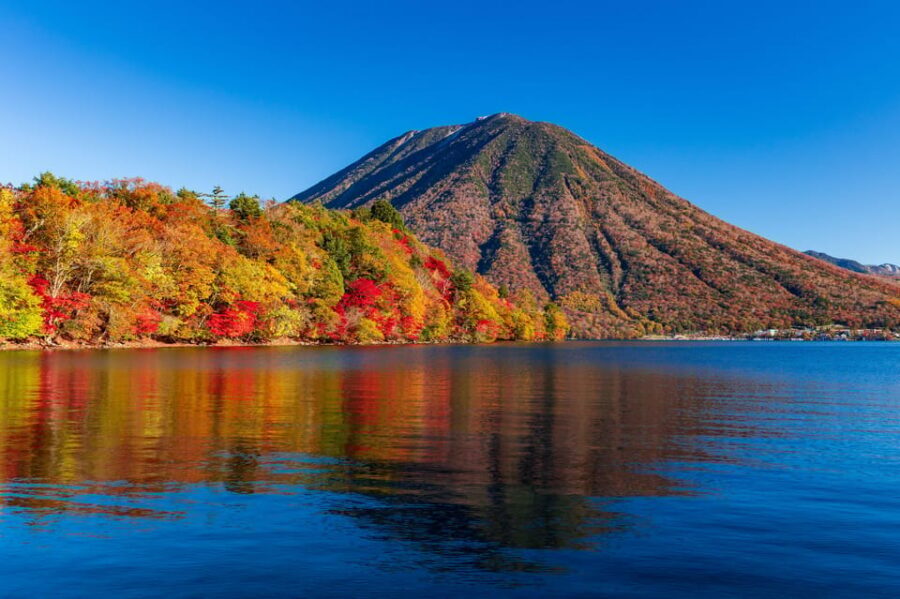
Lake Chūzenji is your final scenic stop. You’ll get about 45 minutes for a photo stop, sightseeing, shopping, and a walk.
This is a good counterbalance to the waterfall. The water and mountain setting tend to slow the pace down. You can also pick up snacks or small items here if you didn’t eat enough earlier.
One thing to plan for: it can be cold near the lake, even when Tokyo feels mild. Bring layers. A thin jacket can turn into a regret fast once you’re standing still for photos.
Your Guide Matters: English/Chinese Hosting and Real-Life Advice
The tour includes a bilingual English/Chinese guide, and the way the guide works can make or break a day like this. From the style of service reported by past groups, the best guides do two jobs: explain key history at the right moment, then keep the day running smoothly so you’re not constantly checking what comes next.
You might meet different guides on different days. Names that show up with strong feedback include Sophie, Vicki, Zoe, Tina, Jax, Annie, Jeff, and Sheila. The common thread isn’t the name—it’s the way they handle timing and information.
A small but valuable bonus: some guides offer food recommendations. That can help you avoid guessing where to eat when you’re already tired from the travel day. If your guide suggests a spot, take the hint.
Also, the tour leader typically stays with your group the whole day. That’s reassuring if you’d rather not navigate crowds alone.
What to Bring: Shoes, Water, and Cash-Only Reality
This tour runs on comfort and practicality. Bring:
- Comfortable shoes (walking, uneven ground, and stairs at the shrine)
- Water
- Cash
Cash is not optional in the practical sense. The tour notes that credit card payments aren’t accepted at all locations, so you should bring enough for snacks and lunch, plus any small extras like elevator access.
You’ll also want to travel light. No luggage or large bags are allowed, and only one carry-on bag is allowed. If you’re a big-bag traveler, leave the suitcase at the hotel.
One more cultural note: tattoos are considered taboo in this area, so if that applies to you, plan accordingly.
If the weather turns ugly, the tour may cancel. You’ll be told on or before 2:00 PM the day before if cancellation happens, so don’t leave everything until the last minute.
The Verdict: Should You Book This Tokyo to Nikko Tour?
Book it if you want a guided, no-stress Nikko highlight day. This is especially smart if you’re short on time in Tokyo and you don’t want to figure out routes to Toshogu and Kegon on your own.
I’d also book it if you love getting meaning with your sightseeing. The shrine is dramatic, but it makes much more sense when someone puts Tokugawa Ieyasu and the shrine symbolism into plain terms right before you walk in.
Skip or reconsider if you hate long days, you’re picky about food (since lunch isn’t included), or you’re not comfortable paying in cash. If you’re the type who wants deep, slow time at one place, the shrine time can feel quick on a busy day.
If you want Japan’s “serious sacred place” energy plus “real nature power” in a single day, this tour is a strong pick.
FAQ
Where are the meeting points in Tokyo?
You meet at Tokyo Yaesu Bus Terminal or at the ground floor of Sumitomo Mitsui Bank, Shinjuku Nishiguchi Branch. The exact meeting spot can vary by day, so check your tour schedule.
How long is the tour?
The total duration is 630 minutes (about 10.5 hours).
What major stops does the tour include?
The tour includes Nikko Toshogu Shrine and Kegon Waterfall, plus a stop at Lake Chūzenji. Depending on the date, you may also visit Shinkyo Bridge (starting Oct 1, 2025) or Nikko onsen (until Sep 30, 2025).
Is lunch included?
No. Lunch is not included, so bring cash for food during the day.
Do I need to bring cash?
Yes. The tour notes that credit card payments are not accepted at all locations, so you should bring cash for meals and other purchases.
Are credit cards accepted at the stops?
Not always. The tour information states that credit cards are not accepted at all locations, so plan on cash.
Is Shinkyo Bridge always part of the tour?
No. Until Sep 30, 2025, the tour goes to Nikko onsen instead of Shinkyo Bridge. Starting Oct 1, 2025, Shinkyo Bridge is added.
Are tattoos allowed?
Tattoos are considered taboo in this area.
Can I bring luggage or large bags?
No large items. The tour specifies no luggage or large bags, and only one carry-on bag is allowed. Unaccompanied minors aren’t allowed either.
What happens if the weather is bad?
If the weather is too bad and the tour must be canceled, you’ll be informed on or before 2:00 PM the day before.