REVIEW · KYOTO
Kyoto: Kimono Rental Traditional Experience at Wargo in Gion
Book on GetYourGuide →Operated by Kyoto Kimono Rental WARGO · Bookable on GetYourGuide
Kimono in Gion turns heads fast. That is the point, and it also changes how you see Kyoto’s old lanes. I love that WARGO staff help you get dressed correctly and that the kimono options look great for photos. The main thing to plan for is a possible waiting stretch before you’re fitted.
You can keep it simple with the standard rental, or go premium for more kimono choices and women-only hairstyling. Plus-size kimonos are available too, so it’s not a one-size-only gimmick.
The full set is ready for you—kimono, obi, sandals, socks, and a satchel—so you can focus on walking and pictures. Just remember the shop runs 10:00 to 5:30, and you need to be back by then.
In This Review
- Key things to know before you go
- Kimono Rental at WARGO in Gion: The real experience starts at the dressing room
- Standard vs Premium (and what the upgrade really changes)
- What you wear: Patterns, grades, and the comfort factor
- The dressing process: fast when it’s not busy, but plan breathing room
- Kyoto in kimono: why the streets look different (and photograph better)
- Timing and return: how to avoid the end-of-day scramble
- Price and value: does $33 feel worth it?
- Who this suits best (and who should skip it)
- Should you book the WARGO Kyoto kimono rental in Gion?
- FAQ
- FAQ
- What is included with the standard kimono rental?
- What is included with the premium plan?
- How long does it take to get dressed?
- Are plus-size kimonos available?
- What are the operating hours and return time?
- Can I wear the kimono into the evening?
- Is there waiting time before I get fitted?
- Where is the meeting point?
- Is hairstyling available for men?
- Who is this not suitable for?
Key things to know before you go
- On-site staff actually help you get dressed properly
- Premium plans add women-only hairstyling and extra kimono options
- Plus-size kimonos are available
- You get a complete outfit kit: obi, sandals, socks, and a satchel
- Waiting time can be 30 to 90 minutes depending on the slot
- The location is convenient for train-based sightseeing
Kimono Rental at WARGO in Gion: The real experience starts at the dressing room
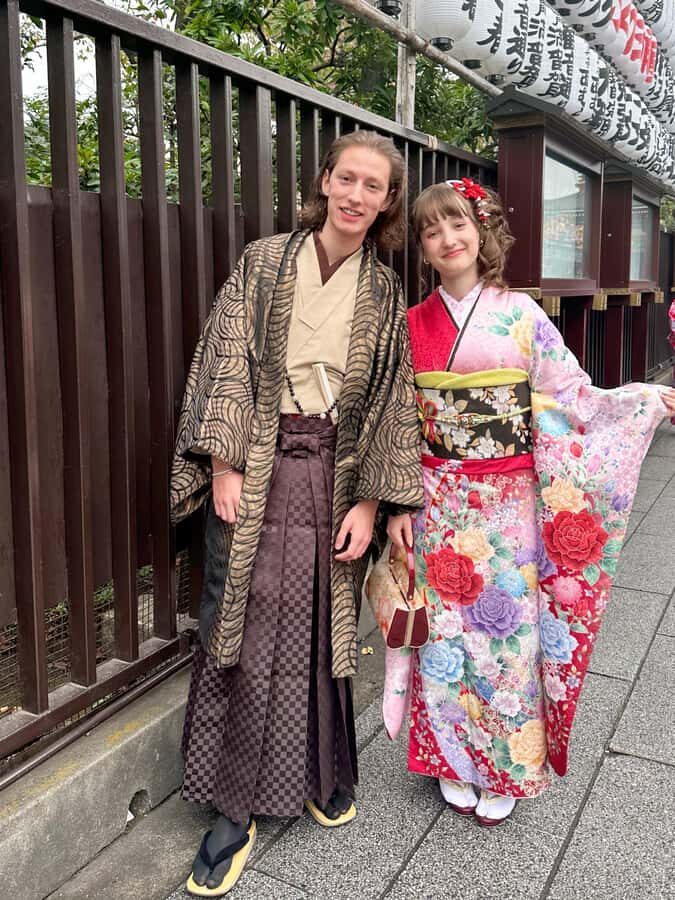
Kyoto looks like Kyoto when you are in a kimono. But the best part here is how quickly you go from modern traveler to outfit that fits the place. When you arrive, you start by selecting your kimono during checkout, then you’re guided through the dressing process by staff on site. This isn’t just handed-over clothing. They help with the fit and the steps, and that matters because a kimono that sits right photographs better and feels better as you walk.
I like the vibe because it feels orderly. You’re not guessing, tugging, and hoping you did the obi right. Staff do the work. And even if English is limited, the process is visual and clear—one of the reviews highlighted that the language gap did not stop anyone from understanding what to do.
Here is one practical heads-up: fitting times can expand. If your time slot lines up with a busy moment, you might wait about 30 to 90 minutes. If you hate uncertainty, book earlier in the day when possible.
You can also read our reviews of more tours and experiences in Kyoto.


Standard vs Premium (and what the upgrade really changes)
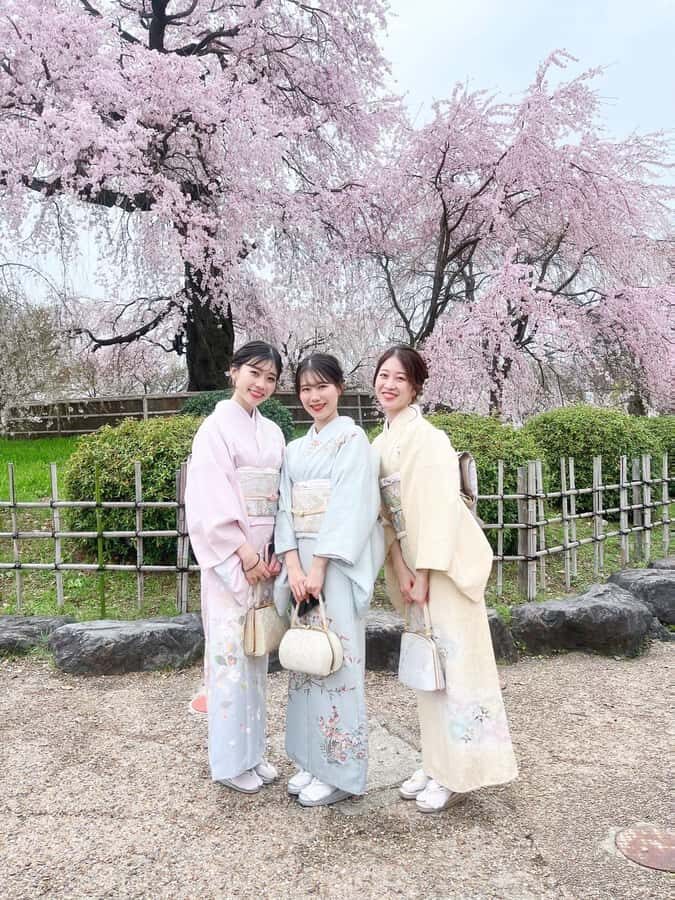
This rental is built around two choices: a standard plan and a premium plan. The standard option gives you the essentials for the day, while premium adds the extras that turn a nice photo outing into a full-on styling moment.
What comes with both plans
- Kimono rental
- Obi (the sash belt)
- Japanese satchel (clutch-style bag)
- Sandal-like footwear
- Socks
- Help getting dressed
So even the standard plan is not bare-bones. You leave with the full “you are in Kyoto” package, not just a robe on a hanger.
What changes with the premium plan
- Hairstyling for women only
- Access to a wider selection of kimonos
If you want the full effect, premium is the move. Hair is a big part of how polished the look feels in photos, and you also save yourself from the work of figuring out traditional styling on your own.
There’s also mention of a Deluxe upgrade option, where you can upgrade the grade of the kimono and obi to a certain level, plus a standard hairstyle is included (women only). Store-by-store availability can vary, so you’ll want to check what upgrades are offered for the specific location and selection at checkout.
What you wear: Patterns, grades, and the comfort factor
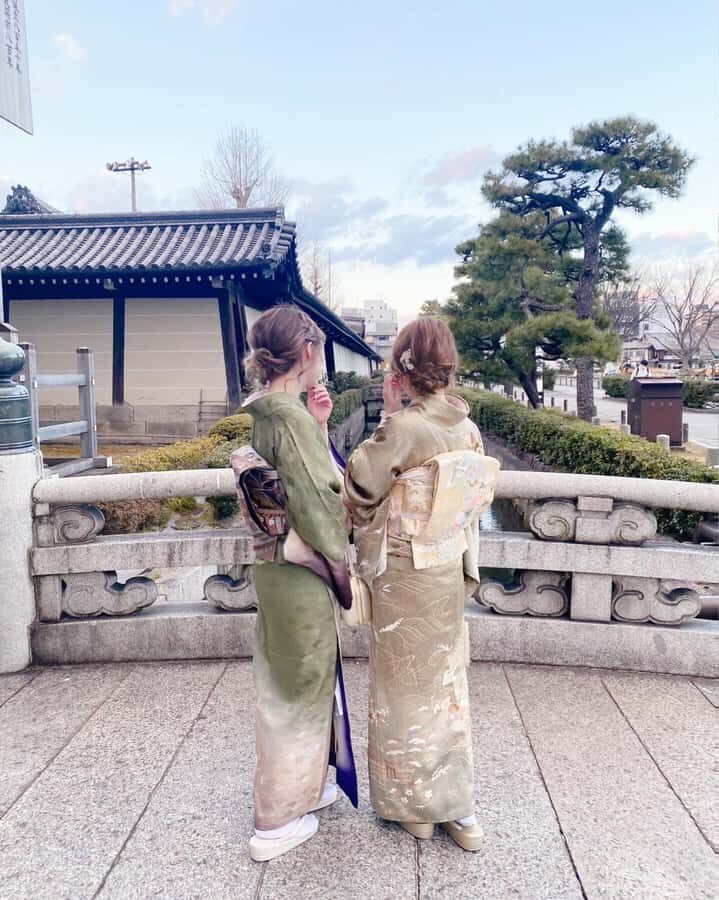
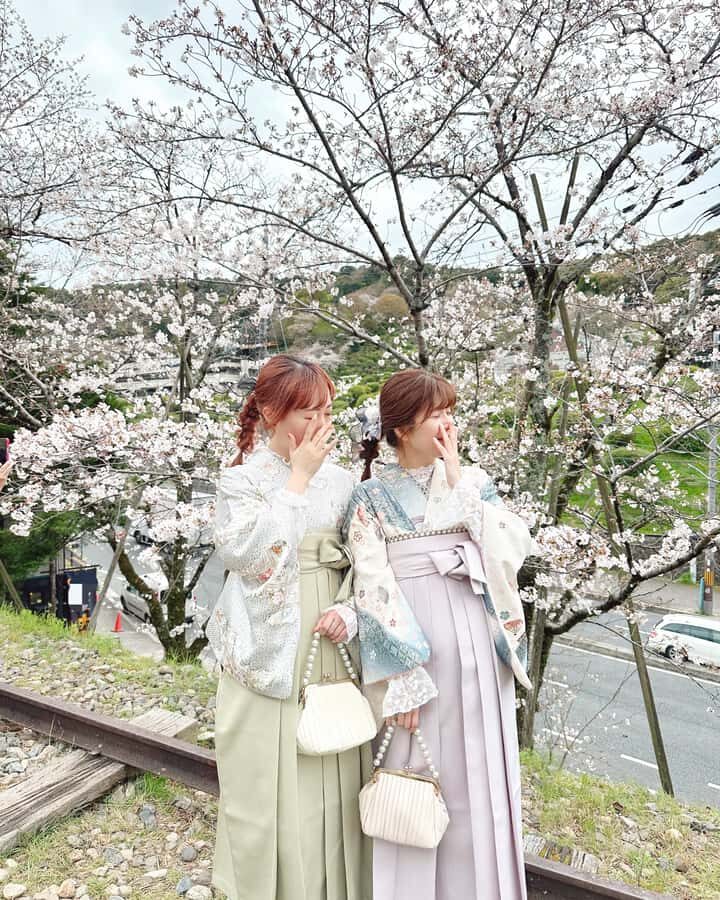
Kyoto kimonos are not all the same vibe. At WARGO, you can choose among traditional patterns and designs, plus there are options that lean modern too. That matters because you can match your kimono to the mood of your day—classic for temple lanes, or a more playful design if you want your photos to feel less formal.
One detail I really appreciate: plus-size kimonos are available. That’s a big deal. It means the rental experience is not built around one body type, and you’re more likely to get a fit that looks intentional rather than forced.
Also, kimono grades and upgrade choices can vary by store. So if you care about a specific quality level or obi style, don’t assume every location has the same set. The safest approach is to review your available options during checkout and confirm what upgrades are offered for your booked store.
The dressing process: fast when it’s not busy, but plan breathing room
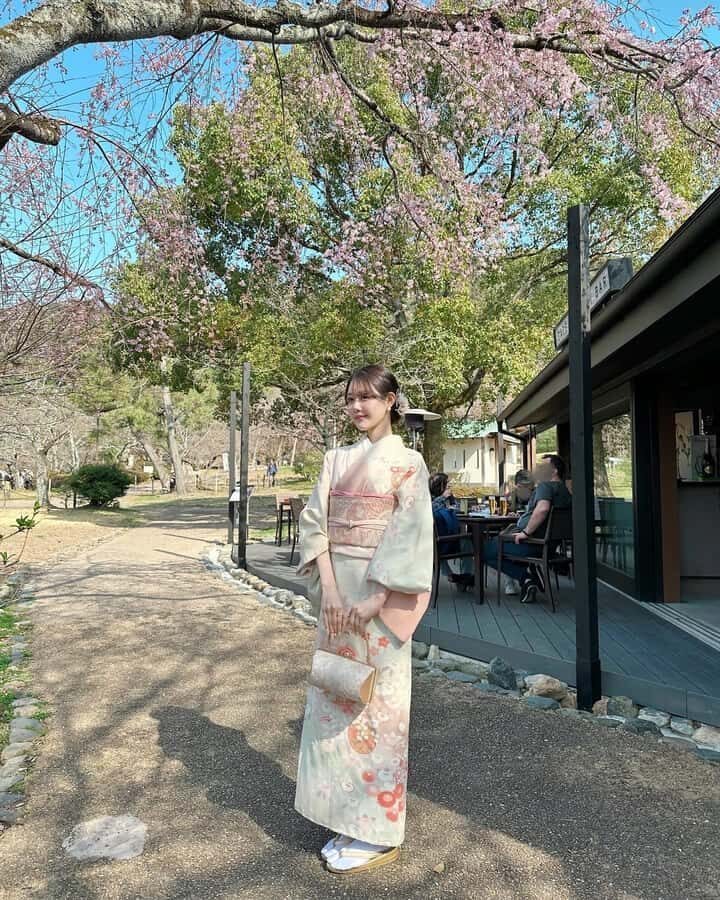
Even with staff assistance, dressing takes time. The expectation is that if it’s not too busy, the process should take less than an hour. That’s reasonable. Kimono dressing has steps, and the goal is not to rush you into something that slips later.
Here’s how to make it feel smoother on your end:
- Arrive ready for the process and be patient during fitting.
- Don’t schedule something immediately after your reservation that requires you to sprint.
- If you’re heading to a tea ceremony or another timed activity, build in buffer time.
One review specifically praised the staff for being flexible with timing—an appointment could be extended beyond three hours so there was less rushing back afterward. That suggests the shop understands how Kyoto days work, not just how the clock works.
Kyoto in kimono: why the streets look different (and photograph better)
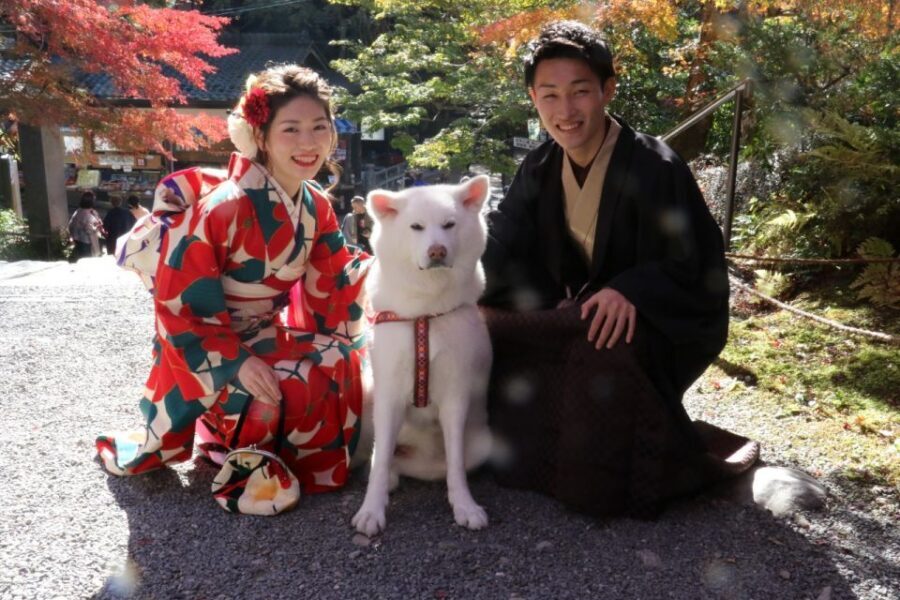
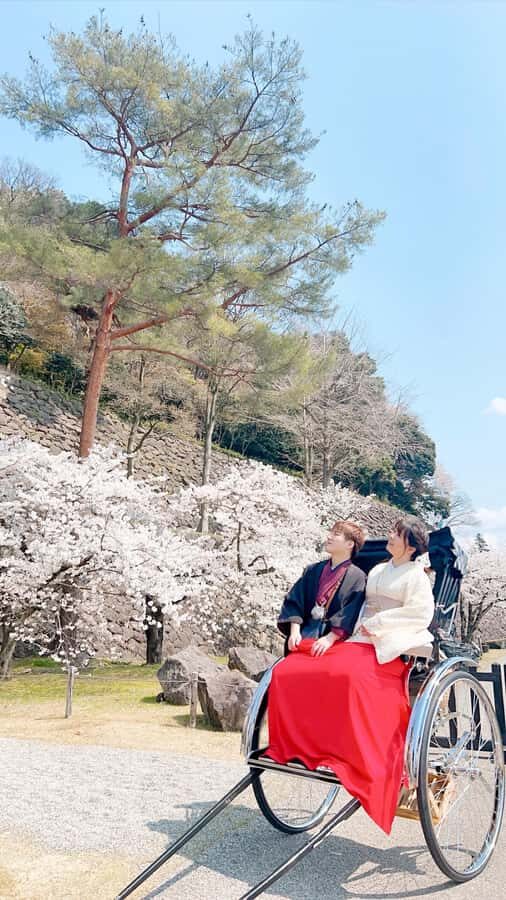
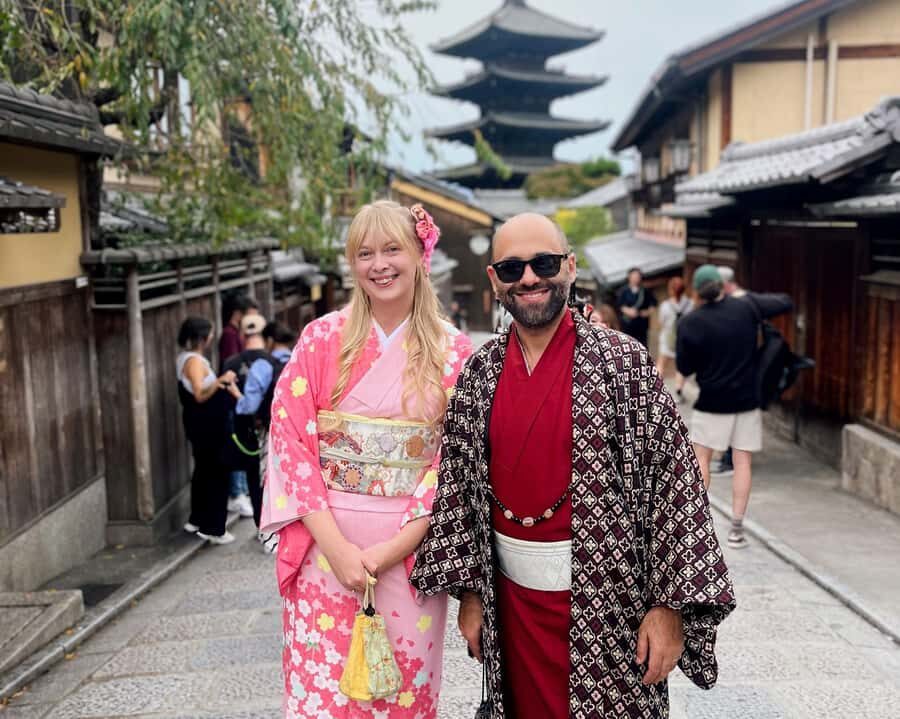
Once you’re dressed, the point becomes walking and looking. The kimono instantly changes your posture and your pace, and Kyoto benefits from that. You’re strolling historical streets where the scenery and the outfit share the same language: wood, stone, lanterns, and old facades.
You’ll get better photos if you treat your walk like a mini photo tour rather than just transport. Pause often. Step into quieter lanes. Let the light hit your outfit. The kimono makes you the focal point, so even simple street corners can become a scene.
Gion is the obvious zone for this kind of experience, but the nice thing about WARGO is that it’s set up for easy pairing with other sightseeing. One review called out how convenient it is next to a train station, which makes it simpler to combine kimono time with other Kyoto plans. If you want a low-stress itinerary, choose a time slot, wear the kimono for your central-area wandering, then take the train to other stops after.
And yes, one practical bonus from reviews: checking out a bit of Kyoto Tower before or after can be an interesting contrast to traditional streets. It is the kind of comparison that makes the day feel less like a one-note theme park.





Timing and return: how to avoid the end-of-day scramble

This is the part that can make or break your day.
Operating hours are 10:00 AM to 5:30 PM, and you should return by 5:30 PM. If you want to enjoy Kyoto in a kimono in the evening, next-day return is possible for an additional cost payable on site.
Waiting time is also slot-dependent. Depending on the time slot and season, plan for 30 to 90 minutes of waiting at the store. If you’re going in during peak periods or booking later at night for the next day, the timing can feel tighter.
One more caution: if you make a reservation after 3 PM the day before, you may have to wait a little while at the store. That doesn’t mean you’ll have a bad experience—it just means you should not build a rigid schedule around the appointment start time if you are arriving from elsewhere in Kyoto.
Price and value: does $33 feel worth it?
At $33 per person, this isn’t just about renting a costume. You’re paying for:
- the kimono and accessories (kimono, obi, sandals, socks, satchel)
- staff help to get you dressed correctly
- the time saved by not having to figure out traditional wear yourself
Even without the premium hairstyling, the included kit is what makes the value click. You could spend more on an outfit purchase, and you still would have to learn how to wear it, tie the obi, and make it look right in photos. Here, staff handle the hard part.
If you upgrade to premium, you’re also paying for hairstyling (women only) and extra kimono options. That upgrade can be worth it if photos matter to you, or if you want the full traditional look with your hair matching the outfit. If you are mostly interested in strolling and taking a few photos, standard may be enough.
My rule of thumb: choose premium when you want the day to feel like a complete transformation. Choose standard when you want the kimono experience without turning it into a full styling session.
Who this suits best (and who should skip it)
This is a great fit if:
- You want an easy way to experience Kyoto in traditional clothing without figuring out logistics.
- You care about photos and want a kimono setup that looks right and feels wearable.
- You want staff support during dressing, not a DIY trial run.
- You need plus-size kimono options and want the fit to be handled by professionals.
It’s not a fit if:
- You’re pregnant.
- You have mobility impairments.
- You’re a wheelchair user.
If you fall into one of those categories, you’ll want to look for alternatives that match your comfort and safety needs.
Also, if you hate waiting, pick your time slot carefully. The experience can be smooth when it’s not busy, but waiting time can be a real factor depending on season and slot.
Should you book the WARGO Kyoto kimono rental in Gion?
If your goal is a classic Kyoto day with a real sense of place, I think this is an easy yes. The staff help you dress properly, the kit is complete, and the kimono experience is set up for actual sightseeing, not just a quick photo op. Add premium if you want a more polished look with women-only hairstyling.
Book it if you can handle the timing realities: potential waiting, and a return deadline of 5:30 PM unless you arrange next-day return at additional on-site cost. If you do that part well, you end up with a day that feels different in your body, not just in your camera.
If you’re the kind of person who wants Kyoto to feel like Kyoto, this is a simple, high-impact way to get that.
FAQ
FAQ
What is included with the standard kimono rental?
You get a kimono rental, an obi sash belt, a Japanese satchel, traditional sandal-like footwear, socks, and help getting dressed.
What is included with the premium plan?
The premium plan includes everything from the standard plan plus hairstyling for women only. It also offers a wider selection of kimonos.
How long does it take to get dressed?
If it’s not too busy, the dressing process should take less than an hour.
Are plus-size kimonos available?
Yes, plus-size kimonos are available so everyone can enjoy the experience comfortably.
What are the operating hours and return time?
Operating hours are 10:00 AM to 5:30 PM, and you should return the kimono by 5:30 PM.
Can I wear the kimono into the evening?
Next-day return is possible if you want to enjoy Kyoto in the evening, but it involves an additional cost payable on site.
Is there waiting time before I get fitted?
Depending on the time slot and season, you might wait about 30 to 90 minutes.
Where is the meeting point?
The meeting point may vary depending on the option you book.
Is hairstyling available for men?
Hairstyling is described as women only for the premium plan (and women-only hairstyle references are included in the upgrade information).
Who is this not suitable for?
It is not suitable for pregnant women, people with mobility impairments, and wheelchair users.
If you want, tell me your travel dates and the time you want to start exploring, and I’ll suggest a practical time slot strategy to minimize waiting and keep your day flexible.