REVIEW · TOKYO
Tokyo Tsukiji Fish Market Food Tour: 15 Stops & Walk Local Street
Book on Viator →Operated by Fuji Tour · Bookable on Viator
Tsukiji is fast, so you need a plan. This small-group tour (max 15) helps you see the area with a real guide, and you get food etiquette stories along the way plus photos taken during the walk. One snag to watch: the tour description mentions food tastings, but the details also list Food as not included, so confirm what you’ll actually sample.
You start at Tsukiji Hongan-ji Temple and then work your way through shopping lanes and market sights, finishing back at the same meeting point. If you like moving at a human pace through tight streets, the route is built for that. And because it’s a mobile ticket experience, it’s simpler to show up and get rolling.
In This Review
- Key Things To Know Before You Go
- Price and Logistics: What $80 Buys You in Tsukiji
- Starting at Tsukiji Hongan-ji Temple: Getting Oriented Without Rushing
- Tsukiji Jogai Market and the 400-Shop Shopping Lanes
- A Pass by the Mini Wholesale Market: Seeing Freshness Up Close
- Namiyoke Inari Shrine: The Meaning Behind the Market’s Spirit
- 15 Stops in 2 to 3 Hours: The Pace and How It Helps
- The Guide Factor: What You Learn Beyond What You Eat
- Photos Included: A Small Extra That Adds Real Value
- Food Reality Check: Tastings vs. a Full Meal
- Who This Tour Suits Best
- Should You Book This Tsukiji Fish Market Food Tour?
- FAQ
- How long is the Tsukiji Fish Market food tour?
- How much does the tour cost?
- Is this a small group experience?
- What does the tour include?
- Is food included in the price?
- Where does the tour start?
- Do I need to use transportation or bring my own?
- How do I contact the tour on the day?
- Is there free cancellation?
Key Things To Know Before You Go
- Small group size (up to 15): you’ll have an easier time hearing the guide and keeping up in narrow streets.
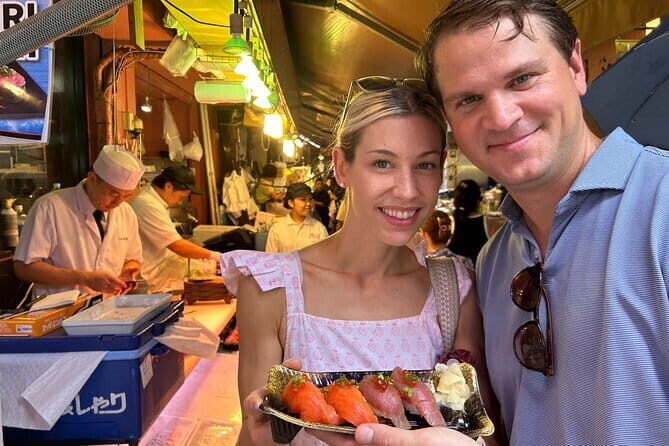
- Photos included: you get images from the tour sent to you after.
- Food culture focus: you’re not just sight-seeing; the guide explains food customs and sushi-eating etiquette.
- Four anchor stops, lots of walking: temples and shrine moments break up the market scenes.
- Food inclusion may be limited: tastings are mentioned, but Food is listed as not included, so manage expectations.
- WhatsApp day-of contact: download it ahead so you don’t miss instructions.
Price and Logistics: What $80 Buys You in Tsukiji

At $80 per person for a 2 to 3 hour walk, this isn’t a budget street snack crawl. You’re paying for guided interpretation, a tight route through Tsukiji, and extras like photos. You’re also getting a Japanese guide and explanations about culture and etiquette, not just a map and a timer.
Here’s the key value question: what’s actually included for eating? The highlights say you enjoy food tastings, but the provided details list Food under Not Included. Translation: you may receive small samples as part of the tour, but you should not assume a full meal is covered at this price.
If you want to avoid disappointment, message the operator before you book and ask what tastings are included versus what you might pay for on the spot. That one check can save you real money and a lot of frustration.
You can also read our reviews of more walking tours in Tokyo
Starting at Tsukiji Hongan-ji Temple: Getting Oriented Without Rushing
The tour kicks off at Tsukiji Hongan-ji Temple (3-chōme-15-1 Tsukiji, Chuo City, Tokyo 104-8435). This matters more than it sounds. Tsukiji can feel like sensory overload: tight lanes, quick foot traffic, and stands packed close together. Starting at a temple gives your brain a reset point before you enter market mode.
Expect about 15 minutes here. You’ll meet in front of the entrance, then visit the temple grounds briefly. It’s a good first stop because the guide can set the tone for what you’re about to see: how markets connect to daily life, not just food.
Practical note: temples are calmer than the surrounding streets. Use that time to get your bearings, check your shoes, and make sure your camera isn’t dying.
Tsukiji Jogai Market and the 400-Shop Shopping Lanes
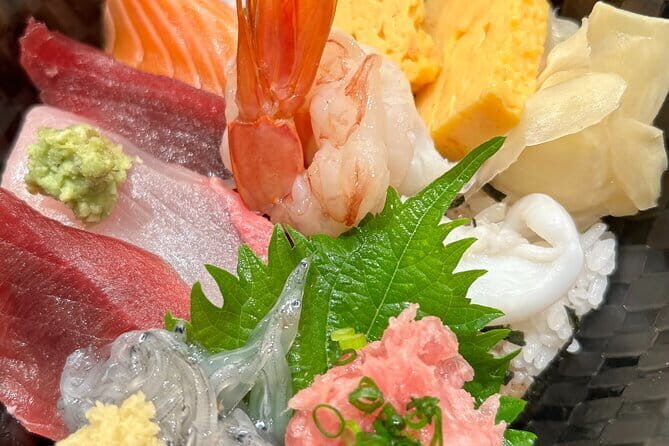
Next comes Tsukiji Jogai Market, where you spend about 1 hour 30 minutes. The big idea is straightforward: you’ll get the feel of Tsukiji as a neighborhood market, not a single stall you visit and leave.
The description points to a shopping street with over 400 shops, so this segment is about wandering with purpose. You’ll likely see a mix of food-related goods and everyday supplies that support people who shop here regularly.
There’s also an expectation of a meal on your way, but again, this is where you should stay alert about what’s actually included for you. If you’re hungry, don’t arrive counting on a full lunch to be provided. Instead, think of this portion as the tour’s chance to explain what you’re looking at and how people shop and snack in Japan.
Also, this is where a guide pays off. Without one, it’s easy to bounce between stalls randomly. With one, you can ask questions about what to try, when to try it, and how to handle yourself politely in tight spaces.
A Pass by the Mini Wholesale Market: Seeing Freshness Up Close
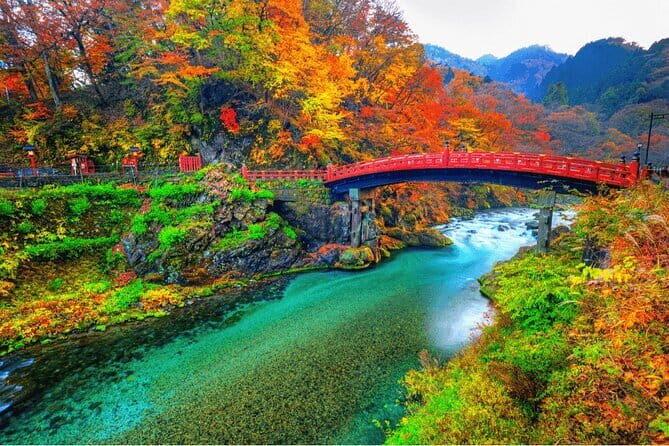
After that, you get a shorter, high-impact market moment: you pass by a mini wholesale market to see hundreds of types of fish. This part is timed at about 30 minutes.
Even if you’re not a hardcore seafood person, this is where Tsukiji’s scale becomes obvious. You see how many varieties exist, and you understand that the market isn’t just about restaurants. It’s about supply chains—people, systems, and timing.
The main value here is context. A guide can connect what you’re seeing to how Japanese seafood culture works day to day. You also get a sense of why certain fish get treated differently depending on season and use, rather than being lumped together as just seafood.
One consideration: market areas can have closures or limited access on certain days. In at least one case, the market had closure due to a holiday, and the guide adjusted quickly so the tour still worked. That doesn’t mean you’ll never run into restrictions, but it’s a good sign to see that the experience isn’t rigid.
Namiyoke Inari Shrine: The Meaning Behind the Market’s Spirit
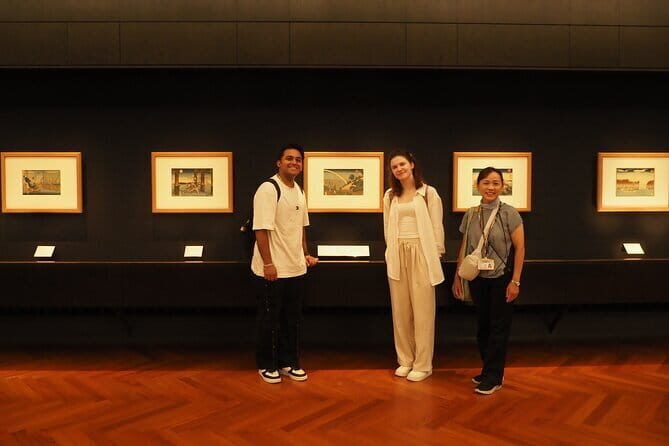
Stop 4 is Namiyoke Inari Shrine, about 15 minutes. The name points to the purpose of the shrine: it wards off disasters and weathers the waves, with Namiyoke Inari enshrined here.
This stop is quick, but it’s more than a photo break. Tsukiji is historically tied to sea trade and the rhythms of shipping and fishing. A shrine like this helps you see the market through a cultural lens: people aren’t only buying and selling; they’re also observing traditions meant to protect and guide daily life.
If you like travel that explains why a place feels the way it does, you’ll probably appreciate this contrast. After the fish sights, the shrine gives your mind something quieter to hold onto.
You can also read our reviews of more food & drink experiences in Tokyo


15 Stops in 2 to 3 Hours: The Pace and How It Helps
Even though the itinerary details list specific stops you’ll hit, the tour is described as having 15 stops total. That’s a classic guided-walk structure: lots of short moments, fewer long gaps.
In practice, this matters because Tsukiji is not a place where you want to meander alone for two hours without a plan. You’ll walk anyway, but a good guide keeps you from spending half your time lost or stopping at the wrong places.
A small group also helps. With a max of 15 travelers, you can move through narrow sections without feeling like you’re herding people. The guide can also adjust in real time—changing order if there’s crowding or closures.
One extra tip: wear shoes you can stand in for a while. Market streets are rough on ankles, and you’ll be shifting positions constantly as you look around.
The Guide Factor: What You Learn Beyond What You Eat
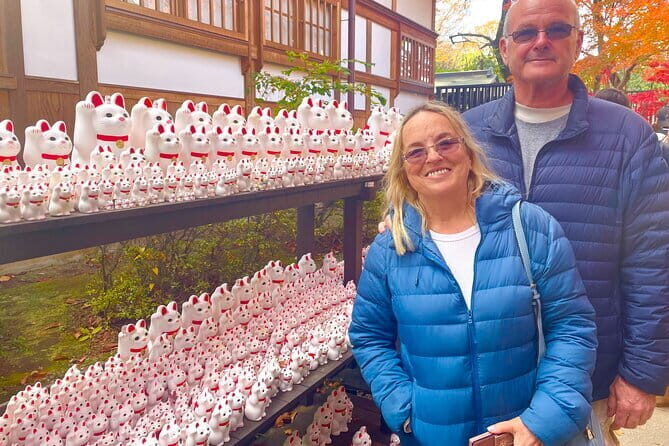
This tour includes a Japanese guide and explanation about food, etiquette, culture, and history. Even if you consider yourself an experienced eater, etiquette is the secret sauce that makes a market visit feel easier and more respectful.
One guide name that came up is Sakura-san. On one outing, she guided someone through Japanese sushi-eating and other etiquette, and the person felt the experience helped them understand how to eat and behave. That matches the tour’s promise: this is not just taste-testing; it’s learning the rules of the game.
So what should you expect from the conversation? Generally:
- How Japanese people approach ordering and eating in busy places
- What manners matter in seafood-focused environments
- Food culture context so choices make sense
You won’t feel like you’re being lectured. The best tours like this keep explanations practical—something you can use immediately as you pass stalls and decide what to try.
Photos Included: A Small Extra That Adds Real Value
You’ll get photos taken during the tour sent after the experience. This might sound like a marketing add-on, but it’s handy in Tsukiji.
Market conditions are tricky for selfies: people block the angle, stalls crowd the frame, and you’re usually walking. Having photos taken for you means you’re less worried about catching everything and more able to look, ask questions, and enjoy the moment.
If you’re traveling with family or going solo, this can be even more useful. You’ll have proof you were there, and you’ll also remember what you tasted and why it mattered.
Food Reality Check: Tastings vs. a Full Meal
This is the part you should plan around.
The highlight says you enjoy food tastings included. But the details list Food under Not Included. That combination usually means the tour might provide small bites, while you may still pay for additional food if you want a full meal.
Here’s how to handle it like a pro:
- Come hungry enough to want a snack, but not so hungry you’re expecting a complete lunch covered.
- If a tasting portion isn’t enough for you, be ready to buy additional food during the market browsing.
- Before booking, confirm what tastings are included and whether you’ll have time to sit and eat.
If your ideal tour is an all-inclusive food fest with no extra spending, this may not match your expectation. If your ideal tour is a guide-led food culture walk where you sample a few things and then make your own choices, it can be a great fit.
Who This Tour Suits Best
This is especially good if:
- You want a guided orientation to Tsukiji without spending hours figuring things out
- You care about food etiquette and cultural context, not just eating
- You prefer a small-group walk (max 15) over a giant bus-tube experience
- You want photos from the day plus a guide-led story thread through the markets
It’s also a solid choice for first-timers because you hit key anchors: a temple, a major shopping street, market sights, and a shrine—all within a short timeframe.
If you’re traveling with kids, this could work, but only if they can handle walking and crowds. The tour length is only 2 to 3 hours, yet Tsukiji has constant movement.
Should You Book This Tsukiji Fish Market Food Tour?
I’d book it if you want a structured Tsukiji walk with a real guide, especially if you’re curious about sushi and Japanese dining etiquette. The price can feel fair because you’re not paying only for food—you’re paying for interpretation, a guided route, and the included photos.
I would not book it blindly if you’re expecting a full meal with no additional spending. The details hint at tastings, but they also list Food as not included. That contradiction is your decision point. Send a quick question to confirm exactly what you’ll be eating, and then decide.
If you do that simple check, this tour can be a smart, time-saving way to see Tsukiji like a local would: with context, manners, and just enough taste along the way.
FAQ
How long is the Tsukiji Fish Market food tour?
It runs about 2 to 3 hours.
How much does the tour cost?
The price is $80.00 per person.
Is this a small group experience?
Yes. The group is capped at a maximum of 15 travelers.
What does the tour include?
You get photos taken during the tour (sent after), explanation about food and etiquette/culture, and a Japanese guide.
Is food included in the price?
Food is listed as not included, but the tour highlights mention food tastings. Because of that, you should confirm what tastings are provided before you go.
Where does the tour start?
It starts at Tsukiji Hongan-ji Temple, 3-chōme-15-1 Tsukiji, Chuo City, Tokyo 104-8435, Japan.
Do I need to use transportation or bring my own?
Hotel pickup/drop-off and transportation fee to the meeting point are not included. The meeting point is near public transportation.
How do I contact the tour on the day?
For day-of communications, you’re asked to download WhatsApp for contact.
Is there free cancellation?
Yes. You can cancel up to 24 hours in advance for a full refund.