REVIEW · TOKYO
Shibuya Authentic Tea Ceremony with experienced instructor
Book on Viator →Operated by Shibuya Tea Ceremony Tokyo-Chaan · Bookable on Viator
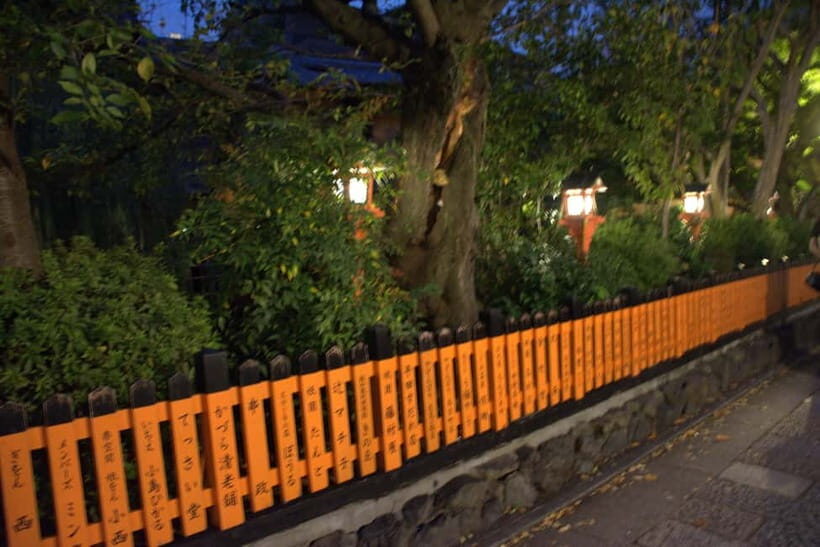
Tokyo gets louder outside this tea room. This Shibuya experience trades busy sightseeing for a calm, small-group Japanese tea ceremony where you’ll learn the matcha ritual step by step.
I like two things a lot. First, the setting is described as peaceful and tucked away on a side street, so you can actually slow down. Second, the instruction is practical and hands-on, ending with you making your own matcha and tasting it with traditional sweets.
One consideration: the whole session is about 50 minutes, so it is a focused introduction rather than a long, multi-hour ceremony.
In This Review
- Key highlights to look for
- Why Shibuya’s Tea Room Feels Like a Reset
- Meeting Your Tea Master in a Calm Small-Group Setting
- Matcha History and the Stone Mill: What You Actually Learn
- Watching the Traditional Tea Ceremony and Tasting Nerikiri
- Making Your Own Matcha with Traditional Tools and a Chawan Choice
- Getting Value from a 50-Minute Matcha Class in Shibuya
- Who This Shibuya Tea Ceremony Is Best For
- Should You Book the Shibuya Authentic Tea Ceremony?
- FAQ
- How long is the Shibuya tea ceremony?
- What is the group size limit?
- What will I do during the session?
- Is matcha included, and do I taste sweets?
- Can I make my own matcha?
- Can I choose a tea bowl (chawan)?
- Where does the experience start in Shibuya?
- Do I get a mobile ticket?
- Is cancellation free?
- Where does the experience end?
Key highlights to look for
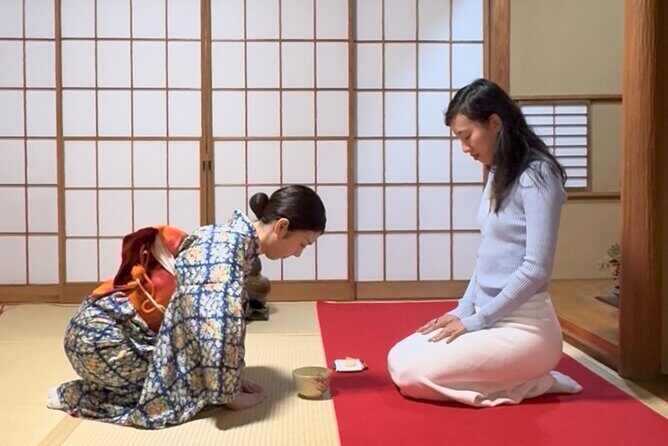
- Small group pace (max 8) so the teacher can guide you while you participate
- Stone-mill matcha basics paired with an overview of tea history in Japan
- A traditional tea ritual with roots described as over 500 years old
- Hands-on matcha preparation using traditional tools
- Chawan choice: you can pick a tea bowl from a selection of options
- Nerikiri sweets included alongside freshly prepared matcha
Why Shibuya’s Tea Room Feels Like a Reset
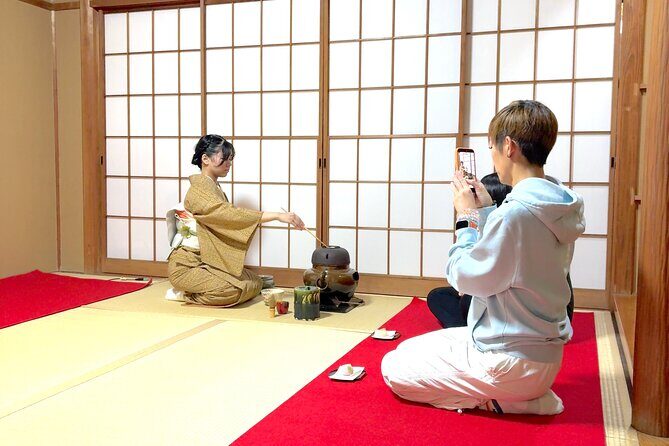
Shibuya has energy. This is the point: you walk in from the street noise and end up in a quieter rhythm where the ceremony actually feels like ceremony, not a performance for tourists. People often call out how relaxing the tea house atmosphere is, including the feeling of being tucked away on a little side street.
You get a break from the usual Tokyo pattern of rushing from one landmark to the next. Instead, you spend time with Japanese tea culture in a small setting, which makes everything more watchable, more teachable, and easier to remember later.
The structure also helps your brain. You move from context (tea history) to craft (how matcha is made) to ritual (watch the traditional process) and then to participation (make your own bowl). That flow is perfect if you want something authentic without committing your whole day.
You can also read our reviews of more tours and experiences in Tokyo.



Meeting Your Tea Master in a Calm Small-Group Setting
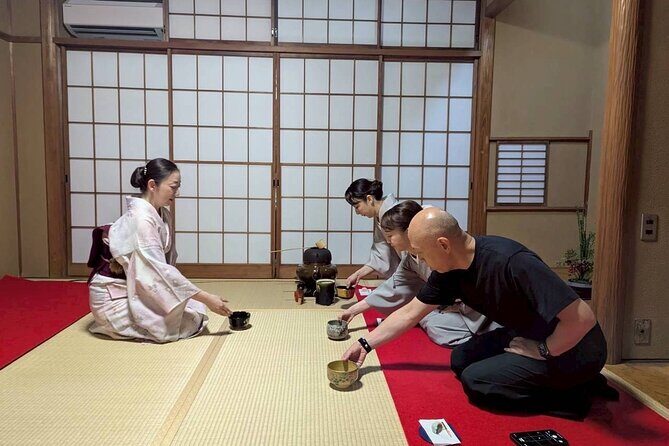
This is scheduled for small groups of up to 8 people, and that matters more than you might think. With fewer people, you’re less likely to feel like you’re standing at the back while someone else does everything. You can ask questions, watch the details more clearly, and follow along at a comfortable pace.
A Japanese tea master leads the session, and the vibe described is welcoming and friendly. In particular, one instructor name that comes up is Mai, praised for being kind and knowledgeable, which matches what you want from a class where you’re handling traditional tools.
You’ll also get that quick sense of order tea ceremonies are known for. Even if you have no experience, the teacher’s job is to guide you through the steps and help you understand what you’re doing and why it matters.
Matcha History and the Stone Mill: What You Actually Learn
A good tea class doesn’t just say, This is matcha. It shows you where it starts. Early in the session, you’ll hear an explanation of the history of tea in Japan, then you’ll see how matcha is made using a traditional stone mill.
That stone-mill part is the practical eye-opener. It connects the final cup you drink to the work behind it—grinding, texture, and the way matcha becomes a key ingredient in a whole ritual system. If you’ve only had matcha from a drink menu, this helps you understand why matcha has the reputation it does.
You also pick up techniques you can recreate at home. The goal isn’t to turn your kitchen into a tea room overnight, but to take away usable steps and a clearer sense of what makes matcha taste right and feel right in the bowl.
Watching the Traditional Tea Ceremony and Tasting Nerikiri
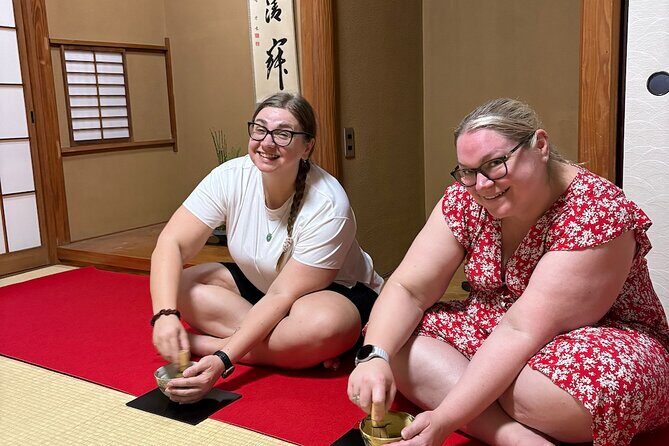
After the history and matcha overview, you shift into watching the traditional tea ceremony. The experience is described as rooted in practices with a history of over 500 years, and the teacher performs the ritual as you follow along.
This is where the culture lands. Even if you don’t know all the meanings behind every movement, you can still see how the process creates focus and calm. It’s not about speed. It’s about attention.
Then you taste what you’ve been learning. You’ll enjoy freshly prepared matcha along with nerikiri, a traditional Japanese sweet designed to pair with tea. Nerikiri matters here because it changes how you experience the matcha. The sweetness and texture give your palate something to compare against, and it makes the tasting feel like part of the ceremony rather than a side snack.
Making Your Own Matcha with Traditional Tools and a Chawan Choice
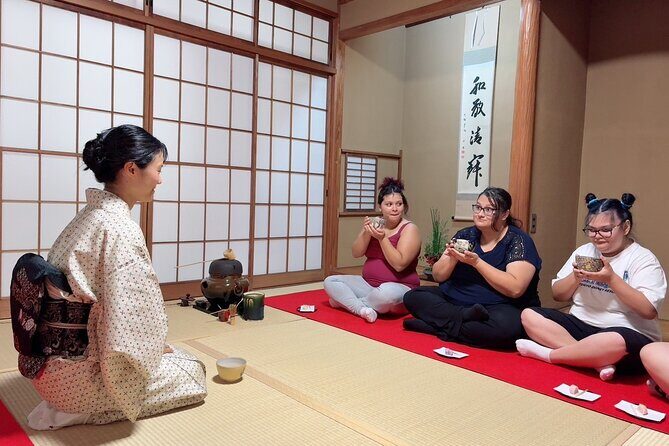
The best part of this experience is also the most useful: you make your own bowl of matcha. You’ll use traditional tools, and you’ll be guided step by step so you’re not just miming what you’ve seen.
You’ll also be able to choose your favorite tea bowl, or chawan, from a variety of options. That detail is more than decoration. The bowl shape and style influence your first experience of pouring and whisking, and the act of choosing makes the moment feel personal.
When you whisk your own matcha, you learn two things at once: the mechanics and the mindset. Mechanics are about how to handle the tools and follow the sequence. Mindset is about slow focus—staying with the process instead of rushing through it.
Practical tip for when you’re doing your own bowl: treat it like a craft step, not a coffee order. Move deliberately, and if something feels off, pause and follow the instructor’s guidance rather than trying to power through. That’s the difference between a matcha moment that feels awkward and one that feels satisfying.






Getting Value from a 50-Minute Matcha Class in Shibuya
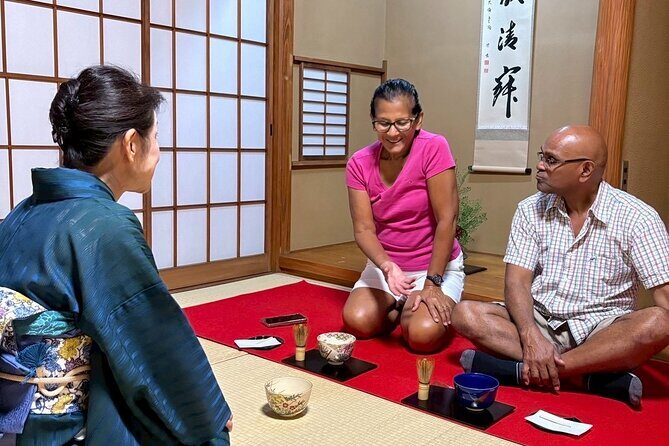
This session is about 50 minutes, and that timing is a big part of the value. You get:
- a short history overview,
- a demonstration of matcha production using a stone mill,
- a traditional tea ritual to watch,
- nerikiri and matcha to taste,
- and finally your own bowl to make.
For $25.76 per person, the value is in the combination. Many experiences offer either tasting or watching. This one combines context, performance, and hands-on practice. It’s also small-group, which improves the quality of instruction you receive.
Also, you’re in Shibuya, so this fits into a real day. You don’t need to plan a half-day trek. You’re swapping one type of sightseeing for another—more culture, less line-standing—without turning your schedule into chaos.
The place matters, too. The tea house is repeatedly described as old, original, and quietly relaxing, with a feeling of leaving the outside rush behind. That atmosphere is part of the product, not an accident.
Who This Shibuya Tea Ceremony Is Best For
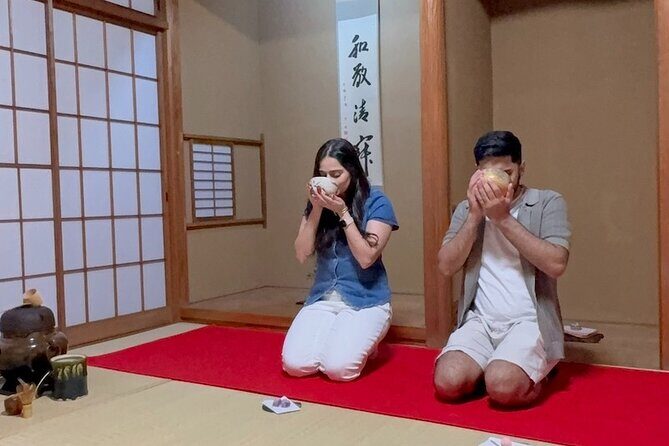
This is a great fit if you want a meaningful cultural experience without a language barrier. The session is structured: learn a bit, watch a ritual, taste, then do it yourself. You don’t need to already know tea to enjoy the craft.
It’s also ideal if you’re the kind of traveler who appreciates details—like how matcha is made with a stone mill, or what a chawan choice means when you’re holding it in your hands.
If you’re hoping for a long, traditional multi-hour ceremony with every step in deep, scholarly detail, this may feel short. But if you want a clear introduction you can carry home, it lands in the sweet spot.
Should You Book the Shibuya Authentic Tea Ceremony?
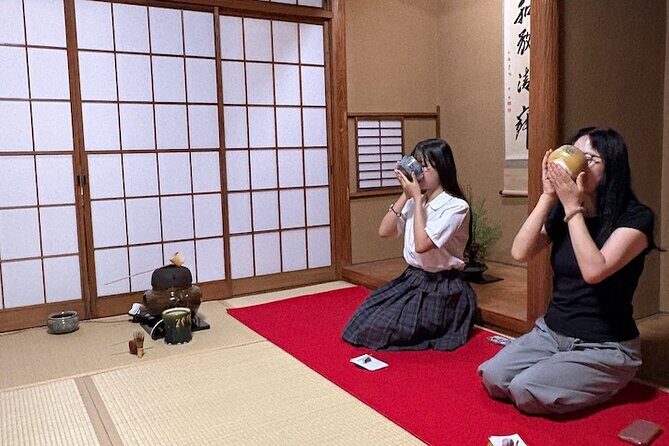
Yes, if you want an authentic Shibuya activity that slows you down and teaches you something concrete. This one is built around what you can watch and what you can actually do: tasting matcha with nerikiri, learning the tea story, and whisking your own bowl with traditional tools.
Book it especially if you care about small-group attention and a peaceful setting. The combination of expert-led guidance, hands-on matcha prep, and a choice of chawan makes it feel more personal than a standard demonstration.
If you only want a quick photo stop, you might find this too calm and too process-based. But if you want a real Japanese tea experience that you can remember (and repeat), this is an easy decision.
FAQ
How long is the Shibuya tea ceremony?
The experience lasts about 50 minutes (approx.).
What is the group size limit?
The tour/activity has a maximum of 8 travelers.
What will I do during the session?
You’ll learn about the history of tea in Japan, see how matcha is made using a traditional stone mill, watch a traditional tea ceremony ritual, and then make your own bowl of matcha using traditional tools.
Is matcha included, and do I taste sweets?
Yes. You’ll taste freshly prepared matcha, and you’ll also enjoy Japanese sweets called nerikiri with your tea.
Can I make my own matcha?
Yes. The final part of the session includes hands-on experience preparing matcha with traditional tools.
Can I choose a tea bowl (chawan)?
Yes. You can choose your favorite chawan (matcha bowl) from a variety of options.
Where does the experience start in Shibuya?
The meeting point is at Japan, 150-0043 Tokyo, Shibuya, Dōgenzaka, 1-chōme15 万字ビル.
Do I get a mobile ticket?
Yes. The tour features a mobile ticket.
Is cancellation free?
Free cancellation is available. You can cancel up to 24 hours in advance for a full refund.
Where does the experience end?
The activity ends back at the meeting point.