REVIEW · KYOTO
Kyoto: Traditional Concert at Townhouse or Bathhouse
Book on GetYourGuide →Operated by Gen · Bookable on GetYourGuide
Kyoto’s traditional music hits different when it’s up close. This experience pairs professional koto and shamisen with clear, bilingual explanations so you actually get what you’re hearing, not just what it sounds like. I especially like the small-group feel (often just single digits in the townhouse) and the chance to ask questions afterward with artists like Gen, Samuel, or hosts in that same team style. One thing to plan for: the townhouse venue is cozy but sometimes a bit tricky to find without the provided coordinates, and the bathhouse shows run irregularly on Mondays.
You’ll choose between two Kyoto venues with very different sound worlds. The townhouse keeps things warm and conversational; the historic bathhouse hall makes the notes ring and bloom off tiled walls. Expect 45–105 minutes depending on whether you add the optional koto workshop.
In This Review
- Key Things That Make This Kyoto Concert Worth Your Time
- Townhouse Concerts: Cozy Koto and Shamisen Where You Catch Every Nuance
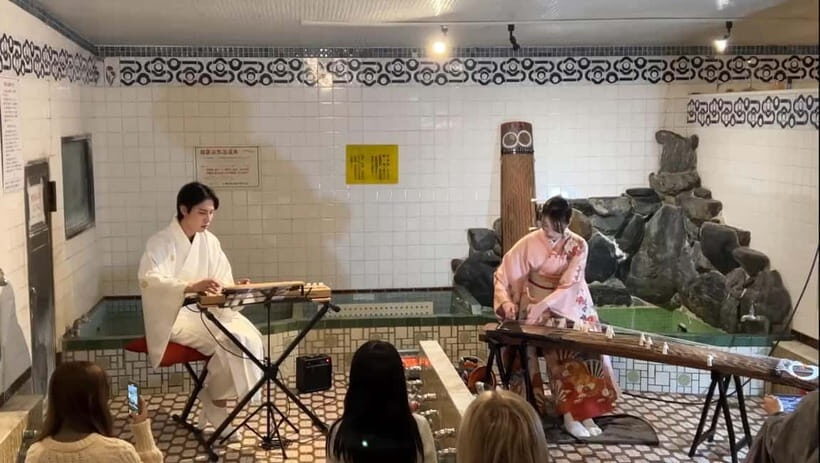
- Bathhouse Hall Concerts: Duets That Explode in Resonant Space
- The 45–105 Minute Flow: What Happens From Arrival to Koto Workshop
- How the Music Gets Explained: Bilingual Mini-Commentary You’ll Actually Use
- Picking the Right Venue for Your Kyoto Day
- Timing It With Kyoto Sights: Easy Pairings Near Arashiyama, Nijo, and Nishiki
- Price and Value: Why $32 for 4–5 Pieces Feels Fair
- Who Should Book This Kyoto Concert (and Who Might Skip It)
- Should You Book This Koto and Shamisen Concert in Kyoto?
- FAQ
- What is the price for the Kyoto koto and shamisen concert?
- How long does the experience last?
- What’s included with the ticket?
- Is there a koto hands-on workshop?
- What are the main differences between the two venues?
- Are explanations available in English?
- Do I need prior knowledge of koto or Japanese music?
- Can I get a full refund if my plans change?
- When is the historic bathhouse hall performance scheduled?
Key Things That Make This Kyoto Concert Worth Your Time
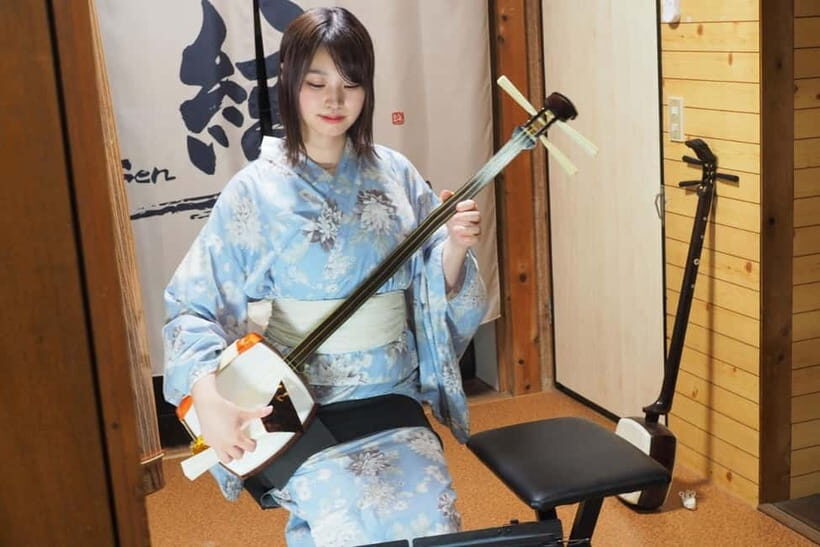
- Two venues, two sound worlds: townhouse closeness vs bathhouse reverberation
- Concert plus real explanations: instrument intro, notation basics, and bilingual mini-commentary
- Solo and duet programs: koto can stand alone or trade musical ideas with shamisen, shakuhachi, taishōgoto, flute, or guitar
- You can meet the performers: post-concert Q&A and a photo moment
- Optional hands-on koto workshop: only available at the townhouse booking
- Professional range: classical, contemporary, and original selections in each program
Townhouse Concerts: Cozy Koto and Shamisen Where You Catch Every Nuance
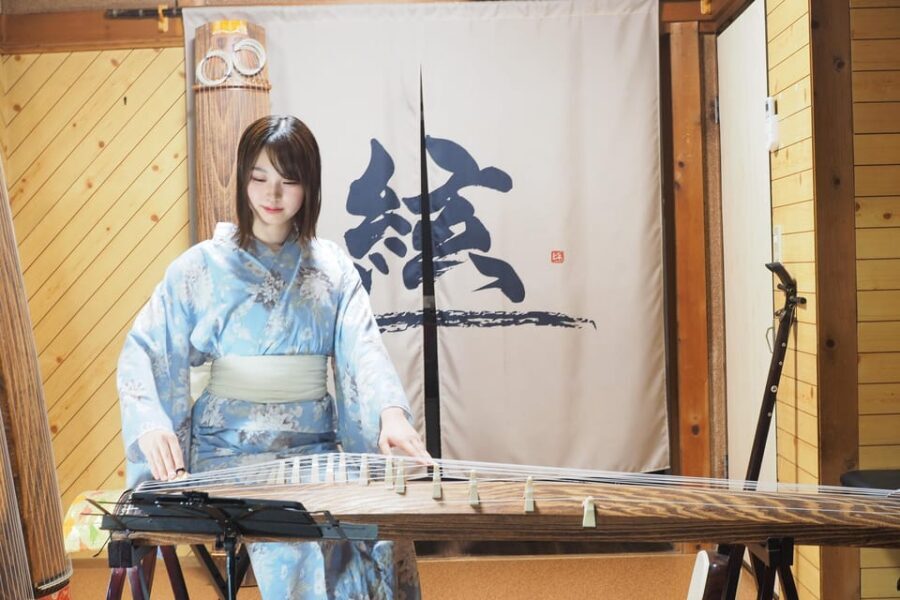
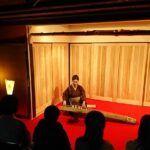
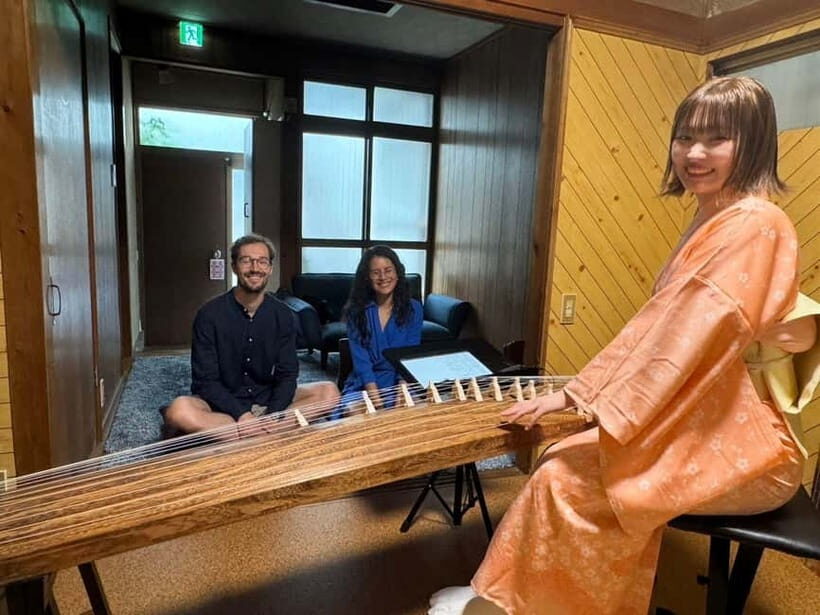
If you want Kyoto music in a living-room scale setting, the traditional townhouse is the move. Capacity is up to about 11 people, and the vibe is exactly what you’d hope for: quiet, close, and easy to read the performers’ hands as they work the instrument. In the townhouse programs, you’ll get solo sets of around 4–5 pieces, usually a blend of Japanese classical and more contemporary works.
What I like here is the detail you notice once you’re near enough. You can hear changes in touch and timing, the little hesitations before a phrase, and the difference between a smooth melodic line and a more angular passage. Part of the program is built for that moment: there’s an instrument introduction that covers how koto and shamisen are played, including parts like picks/bridges and how the music is notated. If you’ve never seen Japanese notation before, don’t worry. You get a mini-primer before the concert so the sheet music isn’t just decorative.
The other practical plus is the atmosphere. Reviews mention people feeling like they stepped out of the day’s noise and into something reflective. That matches what the townhouse is designed to do. You also sit either on cushions (or chairs, depending on the setup), so you’ll want to wear clothes you can sit comfortably in for the time window.
One drawback: the workshop option is townhouse-only. If hands-on playing is a top goal, you’ll want to pick this venue (and plan enough time to stay for the workshop segment).
A few more Kyoto tours and experiences worth a look
Bathhouse Hall Concerts: Duets That Explode in Resonant Space
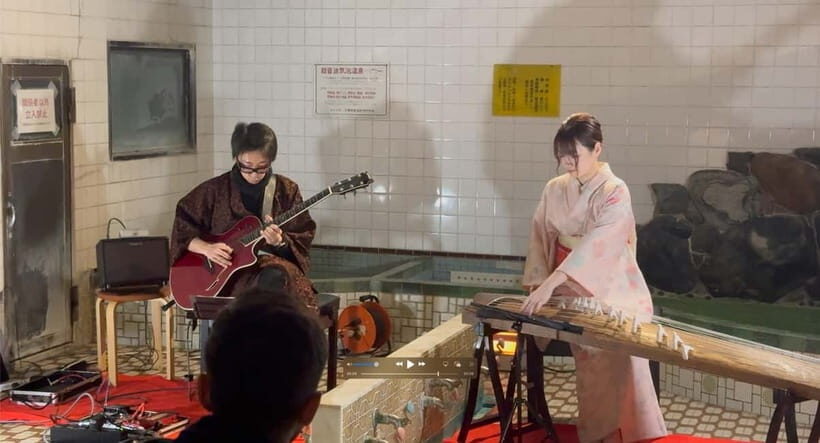
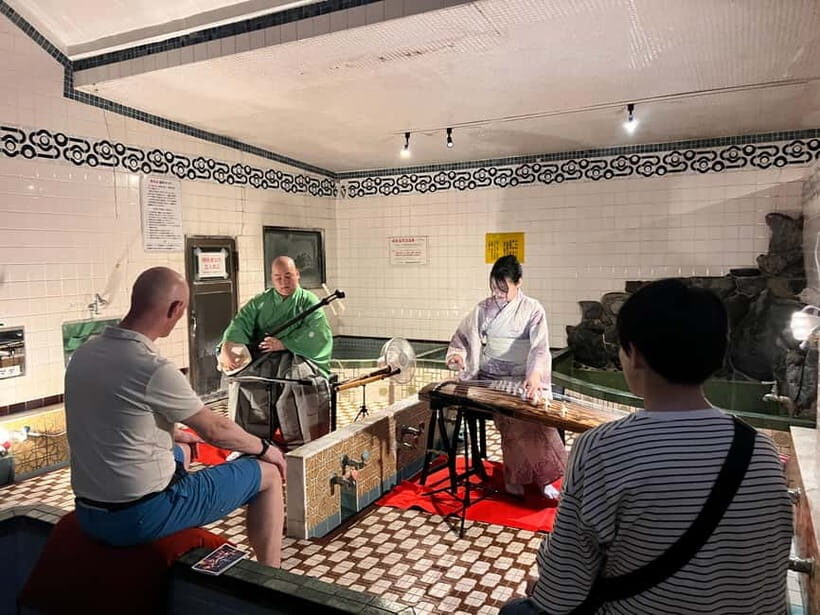
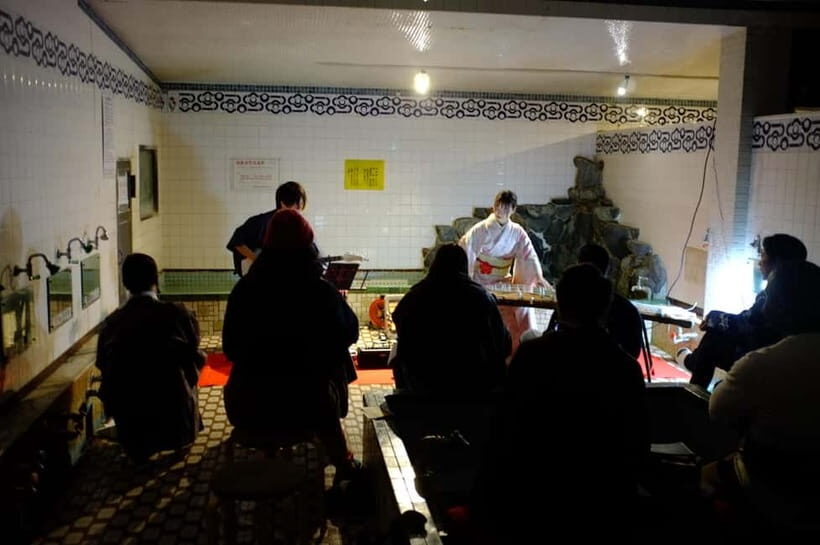
For a louder, more dramatic listening experience, go to the historic bathhouse hall. Capacity is larger, up to about 30 people, and the sound is built-in. Tiled walls and a hall-like shape give koto notes extra lift, making the music feel bigger than the number of performers on stage.
The format is also different. Expect koto plus another instrument in duet or collaborative pieces across about 4–5 selections (the opener piece is excluded from that count). The pairing depends on the program date, but it can include shamisen, shakuhachi, taishōgoto, flute, or guitar. Even if you only know koto as a solo instrument, this is where you start understanding how these instruments “talk” to each other—different tones and attack styles bouncing off one another in the room.
I’d book the bathhouse hall if you like listening for layers: melody against counter-melody, rhythmic push-and-pull, and the way an instrument’s sustain changes when the space gives it more time to ring. The program still includes the same core flow—check-in, instrument introduction, concert, then Q&A and photos—but the sound texture is the big story.
Two practical considerations. First, these bathhouse performances are offered irregularly on Mondays, so you need to match your Kyoto dates to the calendar. Second, because it’s a bigger room than the townhouse, you won’t have the same hand-level intimacy, even though the audience experience stays close enough to feel personal after the Q&A.
The 45–105 Minute Flow: What Happens From Arrival to Koto Workshop
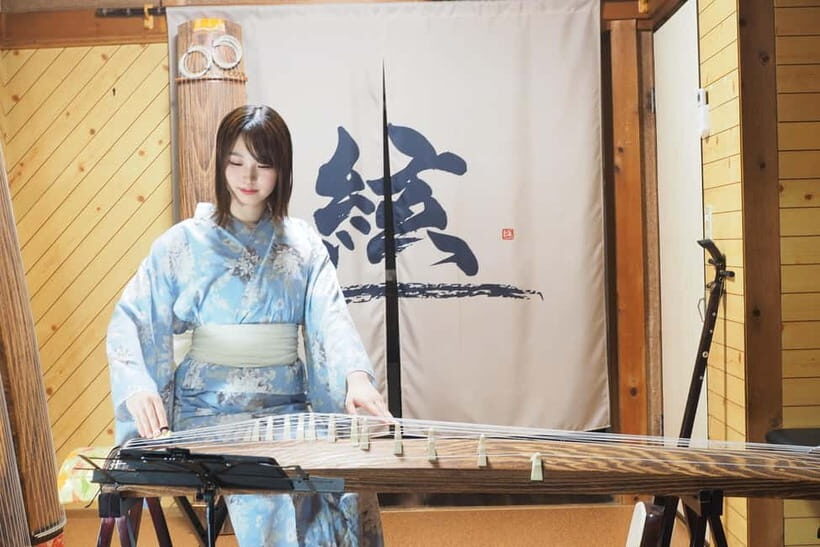
The program is structured so you’re never stuck guessing. Here’s the typical timeline, in plain language:
1) Check-in and seating (about 5–10 minutes)
You’ll get a quick welcome and venue etiquette. This matters more than it sounds. Sitting arrangements in small Japanese spaces can be very intentional.
2) Instrument introduction (about 10–15 minutes)
You learn how koto and shamisen work: what the strings and bridges/picks do, how phrases are formed, and how reading the music notation works at a basic level. This is the part that makes the concert click afterward.
3) Concert (about 25–30 minutes)
You’ll hear 4–5 pieces depending on the venue format. Programs can range from classical works to contemporary arrangements and original compositions. In townhouse solo programs, it’s usually just koto and/or shamisen by the main artist; in the bathhouse hall, expect duet pairings between koto and another instrument.
4) Q&A and photos (about 5–10 minutes)
This is one of the most enjoyable segments because you get direct answers. Hosts and performers such as Gen, Samuel, or artists like Kyoko, Furan, and Aoi (names you may hear in different sessions) often explain what’s behind specific pieces: why a phrase feels the way it does, or what to listen for next time you hear a similar sound.
5) Optional hands-on koto workshop (about 35–40 minutes)
Only at the townhouse venue booking. You’ll try basic koto techniques and a short phrase. Instruments are sanitized and you get guidance, so you’re not wandering into chaos with a stringed alien. Many people finish this part feeling surprised that they made something that resembles music.
Timing tip: If you’re doing the workshop, build your evening buffer. This experience is short enough to fit into a travel day, but it’s also long enough that rushing out right after can steal your enjoyment.
How the Music Gets Explained: Bilingual Mini-Commentary You’ll Actually Use
A koto concert can go one of two ways: either you’re left watching hands and hoping you catch the meaning, or you get just enough context to listen differently. This one leans hard toward the second.
You’ll receive bilingual mini-commentary (Japanese/English). That means the instrument intro and piece commentary stay accessible even if you know zero about koto or shamisen. Hosts and translators—often from the same team—keep explanations practical. People mention getting information about instrument materials and how the music reflects different periods, plus how the technique connects to the sound.
The Q&A is the secret sauce for many people because it’s not performance-only. You can ask what you’re hearing: how a specific passage is made, what a notation cue signals, or how the artists approach a piece. In multiple accounts, the host role feels friendly and involved, like Gen or Samuel guiding you through unfamiliar territory without making it feel like a test.
One extra note: some performances include singing or vocal elements alongside the instruments, depending on the artist and program that night. If you’re curious, ask during the introduction or look for the performer’s style when they describe the pieces.
One small drawback to be aware of: because this is designed for close listening, the quiet atmosphere is part of the experience. You’ll get the best results if you switch your phone to silent and treat it like an in-person show, not background music.
Picking the Right Venue for Your Kyoto Day
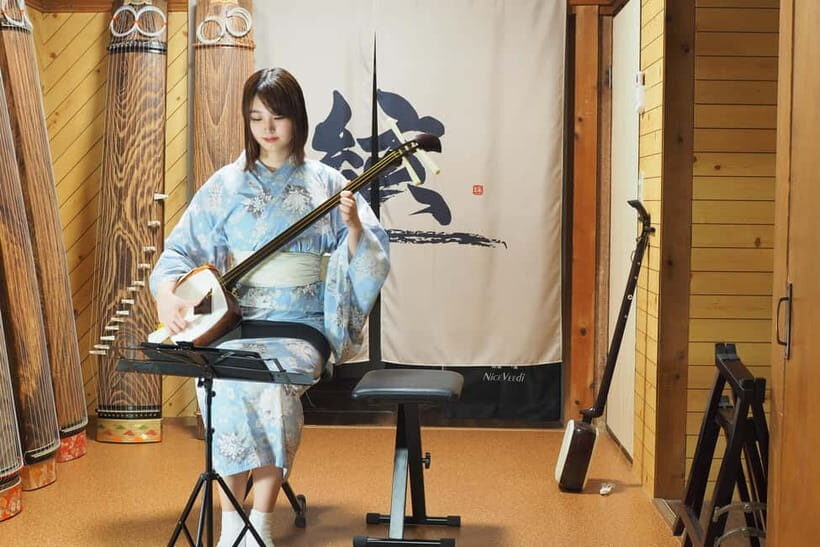
You can book one venue or do both, and the logic is simple.
Choose the townhouse if:
- you want the closest possible feel
- you care about learning how koto/shamisen are played
- you want the optional hands-on workshop
- you prefer fewer people and a warmer, living-room mood
Choose the historic bathhouse hall if:
- you want more dramatic resonance from tiled walls
- you like duet formats and cross-instrument pairings
- you don’t mind a slightly larger group size
- you’re okay planning around an irregular Monday schedule
If you’re deciding based on your personality, here’s a quick rule. If you want to ask questions and watch technique closely, go townhouse. If you want your ears to feel the room itself, go bathhouse.

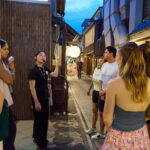
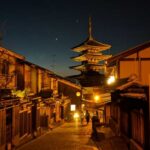
Timing It With Kyoto Sights: Easy Pairings Near Arashiyama, Nijo, and Nishiki
One smart thing about this experience is how it fits into the city without turning into a logistics puzzle. You can combine it with major sights using nearby access points.
Here are practical pairings using the provided transit guidance:
- Arashiyama (about 25 minutes)
Walk to Saiin Station, then take the Hankyu line to Katsura and transfer to the Randen Line. This is a good before-or-after plan if you’re already doing the west Kyoto route.
- Nijō Castle (about 20 minutes)
From Saiin on the Tozai subway line, it’s one stop. This is a clean option if you want history early, then music later.
- Kinkaku-ji (about 20 minutes)
Bus from Nishioji Sanjō (around 16 minutes) plus a short walk. Great for pairing the golden pavilion view with a calmer evening afterward.
- Nishiki Market (about 25 minutes)
Direct Hankyu ride to Karasuma or Kawaramachi, then you’re in a shopping-and-snack zone. This works well if you want to eat before the show.
Location finding tip: the townhouse setting can be hard to spot. One recurring piece of advice is to use the longitude/latitude coordinates if the address feels confusing on your map app. Do that and you’ll save time and stress.
Price and Value: Why $32 for 4–5 Pieces Feels Fair
At about $32 per person, this can feel like a bargain in the best way. You’re not just paying for a short recital. You’re paying for a full listening experience with context and interaction.
Here’s where the value comes from:
- You get bilingual explanations before and during the music, so your time becomes active listening, not guessing.
- Q&A and photos add real face-to-face access, which you rarely get at mainstream venues.
- The program length fits a Kyoto evening without eating half your day.
- Workshop option at the townhouse is a big added value if you want a hands-on souvenir that isn’t just a photo.
In other words, you’re paying for comprehension plus participation. And because the townhouse is small, the session can feel personal even at the same fixed price.
Is it perfect value for everyone? If you only want background ambiance, you may not use the explanations to their full potential. But if you like learning as you go, and you enjoy watching how musicians shape sound, this is strong value.
Who Should Book This Kyoto Concert (and Who Might Skip It)
This fits best if you:
- want a quieter, more reflective cultural moment than temple and market hopping
- enjoy intimate performances with direct conversation afterward
- like learning the basics of an unfamiliar tradition fast
- are interested in koto and shamisen, whether you’re a first-timer or have a little curiosity already
It may be less satisfying if you:
- dislike small venues or close seating
- need a highly flexible schedule to match last-minute plans (bathhouse dates can be irregular on Mondays)
- only want instrumental music with no talk or Q&A component
Also, it’s not suitable for babies under 1 year, which is typical for events that need a calm atmosphere.
Should You Book This Koto and Shamisen Concert in Kyoto?
Yes, if you want an experience that turns Kyoto into something you can listen to, not just see. Booking this is especially smart when you’re trying to balance the city’s busy sights with a structured, relaxing evening.
I’d pick the townhouse if you can swing the time for the workshop or you love small-group settings. I’d pick the bathhouse hall if your dates land on a session and you want duet music in a room that makes the sound feel larger.
Quick decision guide:
- Want learning + participation: book the townhouse
- Want resonance + duets: book the bathhouse hall
- Want both kinds of atmosphere: book one, then add the other if the calendar works
If you’re feeling even slightly curious about koto and shamisen, this is the kind of ticket that makes your Kyoto trip feel more complete.
FAQ
What is the price for the Kyoto koto and shamisen concert?
It costs $32 per person.
How long does the experience last?
It runs from about 45 to 105 minutes, depending on the starting time and whether you add the optional workshop.
What’s included with the ticket?
You get the live concert (about 4–5 pieces), bilingual mini-commentary (Japanese/English), post-concert Q&A, photo time with the performers, and venue seating. For townhouse bookings, you also have access to the optional hands-on koto workshop.
Is there a koto hands-on workshop?
Yes, but only for traditional townhouse bookings. The workshop includes basic technique practice and a short phrase, with sanitized instruments.
What are the main differences between the two venues?
The traditional townhouse is a cozy solo setting for smaller groups (up to about 11 people) with solo programs of around 4–5 pieces. The historic bathhouse hall is larger (up to about 30 people) and features koto duet programs with another instrument across about 4–5 pieces.
Are explanations available in English?
Yes. The experience includes English and Japanese.
Do I need prior knowledge of koto or Japanese music?
No specialized knowledge is required. Most participants have little prior knowledge, and the program includes explanations to help you follow along.
Can I get a full refund if my plans change?
Yes. You can cancel up to 24 hours in advance for a full refund.
When is the historic bathhouse hall performance scheduled?
It’s offered irregularly on Mondays, so you’ll want to check the calendar for the next available dates.