REVIEW · SHIZUOKA
Port Pick-Up: Shizuoka Tour with Licensed Guide and Vehicle
Book on Viator →Operated by Japan Guide Agency · Bookable on Viator
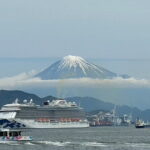
Your Fuji hunt starts at Shimizu Port. This private Shizuoka day trip pairs a licensed English guide with a vehicle plan that’s built around cruise timing, so you spend more time sightseeing and less time figuring out transit. I also like that you can use a mobile ticket, which keeps the morning simple when you’re short on time.
I love the customizable part most: you choose your must-see stops (typically from a set list) and shape the day around what you care about. I also like that the guide’s job is to manage the flow, helping you reach major spots before the biggest crowd waves hit. The possible drawback is weather and waiting time—if you choose viewpoints like the Nihondaira Ropeway, you may end up standing in sun or in line, and that can feel long on a hot, humid day.
In This Review
- Key highlights worth planning around
- Why Shizuoka is a smart cruise stop (and not just a stopover)
- Port pickup and private-vehicle comfort that saves energy
- The customization that makes the day feel like yours
- Miho no Matsubara: pine trees, Fuji views, and a classic framing trick
- Kunozan Toshogu Shrine: Tokugawa Ieyasu, but on foot and in plain sight
- Nihondaira Ropeway and Nihondaira Parkway: the Fuji view over tea fields
- Oigawa Kawagoe Square: steam-train vibes without committing to a full ride
- Shizuoka Sengen Shrine: three shrines, one Mt. Fuji worship thread
- Sumpu Castle Park: quick history in the center of Shizuoka
- Tea Museum Shizuoka: hands-on tea culture you can actually feel
- Mt. Fuji World Heritage Centre: learn first, look better
- Fujisan Hongu Sengen Taisha: the head shrine connection to Mt. Fuji
- Price and value for a private Shizuoka port day
- Practical tips: heat, timing, and what to bring
- Who this tour fits best (and who might want a different plan)
- Should you book this Shizuoka port tour?
- FAQ
- Where is pickup for this Shizuoka tour?
- How long is the tour?
- Is this a private tour?
- Can I customize which sights we visit?
- Are entrance fees included?
- Is the ticket digital?
- Are car seats available for children?
- What is the cancellation policy?
Key highlights worth planning around
- Port-first pickup at Shimizu Port or nearby hotels, so you don’t lose your cruise hour to transit
- Licensed English guidance that turns stops into stories you can actually use while you’re there
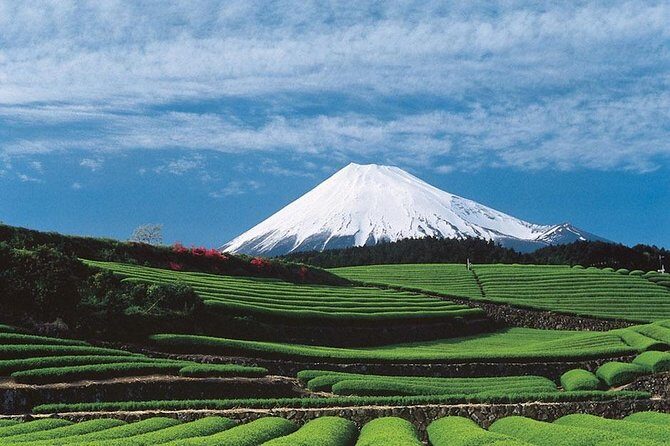
- Fuji viewpoints packaged smartly, from Miho no Matsubara to Nihondaira
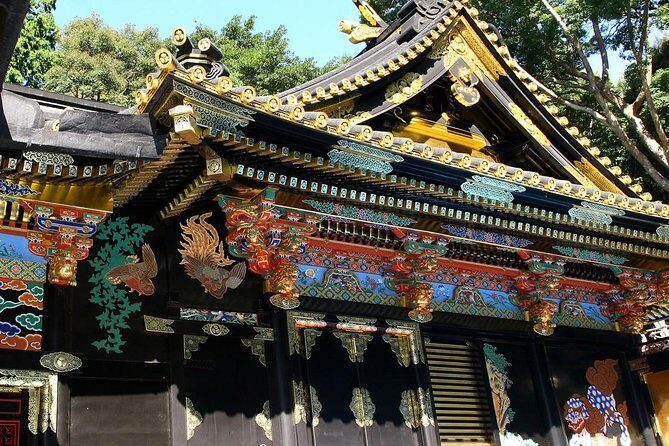
- Culture meets views, mixing Tokugawa-era shrine sites with Mt. Fuji worship centers
- Tea and heritage stops that add hands-on experiences and context beyond photos
Why Shizuoka is a smart cruise stop (and not just a stopover)
Shizuoka is one of those cities where the scenery and the culture share the same stage. You get iconic Mt. Fuji sightlines, plus layers of Japanese history in compact areas that work well for a half-day shore excursion.
The big win here is efficiency. With a private vehicle and an English guide running the schedule, you can hit multiple areas without it turning into a transportation puzzle. That matters a lot when your cruise calls you back on a strict clock.
You can also read our reviews of more guided tours in Shizuoka

Port pickup and private-vehicle comfort that saves energy
Pickup is designed for cruise reality: the tour meets you at Shimizu Port or at hotels near the port. That removes the most stressful part of a port day—figuring out where to stand and what time to leave.
You’re traveling in a private vehicle, and only your group participates. That usually means less waiting and fewer “stand here, don’t move, we’ll figure it out” moments. It also helps if your group has mobility limits, since you’re not juggling long walks between train transfers.
One practical heads-up: there are limited car seats and booster seats, and rear-facing car seats aren’t available. If you’re traveling with a child who needs one, contact the provider directly before you book so you’re not stuck on game day.
The customization that makes the day feel like yours
This tour is built for choosing what matters to you, not forcing a one-size-fits-all checklist. You select your must-see stops from the provided list, and the guide creates a customized itinerary around that selection.
Here’s why that’s valuable: Shizuoka can be very “view-heavy,” very “shrine-heavy,” or very “food/tea/heritage-heavy” depending on what you pick. Want Mt. Fuji from multiple angles? You can. Prefer culture first and viewpoints second? You can. Want a hands-on tea experience day? It’s in the mix.
In the real world, customization also helps with pacing. If your group is slower in heat, the guide can adjust the order and timing so you’re not spending unnecessary minutes exposed.
Miho no Matsubara: pine trees, Fuji views, and a classic framing trick
Miho Seacoast (Miho no Matsubara) is famous for views of Mt. Fuji and that iconic composition you see in Japanese art. Expect a long-feeling coastline with about 30,000 pine trees, and a viewpoint that was popular long before social media existed.
What I like about this stop is how it sets the tone for the whole day. Once you’ve seen Fuji from here, the later viewing points feel like variations on a theme rather than random photo spots.
What to watch for: it can be exposed. If you’re sensitive to heat, bring water and sun protection. Also, give yourself a little time here even if you’ve seen photos—conditions can change, and the best angles are worth a few minutes of searching.
Kunozan Toshogu Shrine: Tokugawa Ieyasu, but on foot and in plain sight
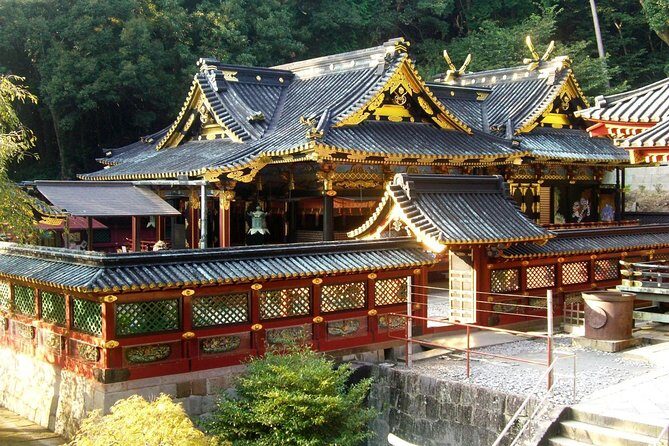
Kunozan Toshogu Shrine focuses on Tokugawa Ieyasu, the figure who helped unify Japan and established the Edo Shogunate about 400 years ago. It’s a Shinto shrine, and it gives you a cultural anchor in the middle of all those scenery stops.
Why this works on a port day: it’s history you can read with your eyes. You’re not just rushing through; you’re stepping into a place with direct ties to power and legacy in Japan’s past.
Admission is not included for this stop, so if your plan includes Kunozan Toshogu, budget for it. It’s also a good moment to slow down, especially if you’ve been outside a lot.
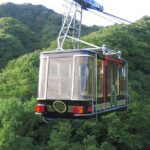
Nihondaira Ropeway and Nihondaira Parkway: the Fuji view over tea fields
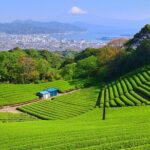
Nihondaira sits around 300 meters above Suruga Bay. It’s known for strong Fuji sightlines, with the mountain appearing beyond tea fields—almost like Fuji is framed through agricultural scenery.
This is where the day can get “worth it, even if it’s hot.” If you choose the ropeway, you might spend time waiting in the sun. One of the tour’s real-world lessons is simple: bring patience, water, and a hat.
The Nihondaira Parkway is a shorter follow-up (about 30 minutes) and works well as a second look. If Fuji is visible, this is the kind of place where a quick pause can turn into a great photo without you feeling rushed.
Oigawa Kawagoe Square: steam-train vibes without committing to a full ride
Oigawa Railway is known for traditional steam locomotives that run for more than 300 days a year. In the Oigawa Kawagoe Square area, you get that retro railway atmosphere that feels more “Japan-as-it-used-to-be” than modern transport.
This stop is useful when you’re mixing types of interests. You’ve had viewpoints and shrines; now you’re getting something nostalgic that’s still very Japanese.
Admission isn’t included here, which is nice if you want to keep costs predictable. The main value is time spent in a place with a strong theme, plus potential photos.
Shizuoka Sengen Shrine: three shrines, one Mt. Fuji worship thread
Shizuoka Sengen Shrine is actually the group name for three shrines: Kanbe, Asama, and Otoshimioya. You’ll see impressive shrine architecture, including the bright vermilion Romon gate.
This stop is powerful because it connects Mt. Fuji to everyday belief. The worship network around Fuji is a theme you’ll also see later in the tour, so Shizuoka Sengen helps stitch the story together.
It’s a short stop (about 30 minutes) and admission is free. That makes it easy to fit without burning your day.
Sumpu Castle Park: quick history in the center of Shizuoka
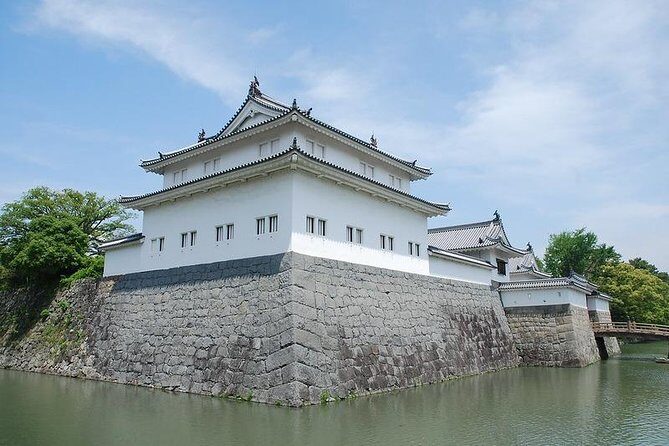
Sumpu Castle Park sits in central Shizuoka and is built on the grounds of the former Sumpu Castle. The castle began in the late 16th century and later served as a seat for leadership during the Edo period.
Even if you’re not a “history museum” person, this kind of city park stop helps you reset. You’re moving from shrines and views into something calmer, with a sense of the city’s core.
It’s also free and short (about 30 minutes), which makes it a practical buffer if the earlier stops run hot or slow.
Tea Museum Shizuoka: hands-on tea culture you can actually feel
The Tea Museum, Shizuoka is where the tour shifts into interactive culture. You’ll find exhibits about tea industry and history, plus experiences like tea-related activities and courses that aim at using the five senses.
Admissions are not included, so you’ll likely pay extra here depending on what you choose to do. But this is a good add-on if you want more than sightseeing photos.
One practical tip: if you’re heat-sensitive, indoor or semi-covered experiences can save your energy. Even if you only spend the allotted time, you leave with something more memorable than a viewpoint.
Mt. Fuji World Heritage Centre: learn first, look better
The Mt. Fuji World Heritage Centre is a museum focused on the cultural, historical, and spiritual meaning of Mt. Fuji. The UNESCO World Heritage designation is part of the story, and the exhibits help explain why Fuji matters beyond aesthetics.
This stop is the “context” piece. After you’ve seen Fuji from multiple angles, learning what it represents gives your photos a stronger why behind them.
Admissions are not included here. Still, it’s about 30 minutes—enough time to get oriented without turning the day into a museum marathon.
Fujisan Hongu Sengen Taisha: the head shrine connection to Mt. Fuji
Fujisan Hongu Sengen Taisha is the head shrine of more than 1,300 Sengen shrines across Japan. It’s closely tied to worship of Mt. Fuji, which gives it a sense of importance even during a short visit.
Admission is free, and the stop is about 30 minutes. That makes it an efficient finale if you want a shrine that ties back to the Mt. Fuji theme you’ve been building all day.
If you’re shrine-curious, this is a strong way to end because it feels like the tour is pointing toward a bigger network, not just a random roadside stop.
Price and value for a private Shizuoka port day
The price is $713.96 per group (up to 2) for about 6 hours. That’s not cheap on its face—but the value calculation changes once you factor in private pickup, a government-licensed English guide, and a vehicle that moves you across multiple areas.
Here’s where you should be realistic: entrance fees, lunch, and personal expenses are not included. You’ll also see some stops are free, and others aren’t. So your actual total cost depends on which paid sights your customized plan includes—especially places like the Tea Museum and the Mt. Fuji World Heritage Centre, where admission is not included.
Still, for two people, you’re effectively paying for a tailored day without transit friction. If you were to DIY Shizuoka from the port with taxis and a guide-for-a-day substitute, the price often ends up similar once you add time and stress.
Practical tips: heat, timing, and what to bring
Because some viewpoints involve waiting, plan for weather. One day can be cool and perfect; another can be hot and humid. If the ropeway is part of your plan, prepare for standing around.
I’d pack:
- sunscreen and a hat
- a refillable water bottle
- light layers for air-conditioned transitions
- comfortable shoes for shrine grounds and viewpoint areas
Also, since the day is private and customized, communicate what you care about most. If you want more Fuji and fewer indoor stops, say so early. The guide’s job is to shape the order around your priorities and the cruise schedule.
Who this tour fits best (and who might want a different plan)
This is a great fit if you’re:
- arriving by cruise and want maximum value per hour
- focused on Mt. Fuji viewpoints plus cultural stops
- traveling with someone who wants a private pace (up to two people)
- okay paying a few admissions on top, in exchange for guidance and efficiency
It might be less ideal if:
- you’re trying to keep every yen/dollar of the day fixed (since some key stops aren’t included)
- you strongly prefer self-guided exploration and already know how you’ll move between areas
Should you book this Shizuoka port tour?
If your cruise schedule gives you limited time and you want a day that feels organized, I’d book it. The combination of port pickup, licensed English guidance, and a route that blends Fuji viewpoints with shrine-and-heritage stops is exactly what you want from a first Shizuoka visit.
Choose it especially if you’re the kind of traveler who likes learning while you walk, not just collecting photos. Just remember to plan for heat and any paid admissions you add through your customized selections.
FAQ
Where is pickup for this Shizuoka tour?
Pickup is offered at Shimizu Port or at hotels near the port.
How long is the tour?
The tour duration is about 6 hours.
Is this a private tour?
Yes. This is a private tour/activity, and only your group participates.
Can I customize which sights we visit?
Yes. You’ll select your must-see spots from a list in the tour information to create a customized itinerary of 3-4 sites.
Are entrance fees included?
No. Entrance fees are not included, and lunch and other personal expenses are also not included.
Is the ticket digital?
Yes. A mobile ticket is provided.
Are car seats available for children?
There are limited car seats and booster seats. Rear-facing car seats are not available, so you’ll need to contact the provider directly if you require a specific type.
What is the cancellation policy?
You can cancel for a full refund if you cancel at least 24 hours before the experience starts (local time). Free cancellation is available up to 24 hours in advance.