REVIEW · KYOTO
Kyoto Hiking Tour: The Nature and Legends of Kurama and Kibune
Book on Viator →Operated by Trip Designer Inc. · Bookable on Viator
Kurama and Kibune feel worlds apart from Kyoto’s busiest streets, and the hike is tied to real legends. I love that this is a private, door-to-door experience with an English-speaking guide, and I also love that you don’t have to micromanage temple/shrine admissions. The one thing to watch is the pace: you’ll climb plenty of stairs and work your legs on uneven mountain paths.
If you like your Kyoto with a side of forests, river air, and spiritual details you can actually walk through, this day trip fits well. It’s built for people who want the story behind the scenery, not just a checklist.
In This Review
- Key things I’d plan around
- Why Kurama and Kibune beats a normal Kyoto walking day
- Door-to-door transfers and private-guide pacing that actually helps
- Yuki Shrine: the cedar tree legend and a shrine with history that moved
- Mount Kurama: Reiki origins on a mountain that still feels still
- Kurama-dera: forest steps, a classic temple setting, and the reason people linger
- Okunoin Maoden: the short stop that changes the mood
- Kifune Shrine: water, rain, and the river path vibe
- Kifune’s inner shrine and the Osaka boat legend
- How hard is the hike, really?
- What you’re paying for: value in transfers, admissions, and guide time
- Timing, rain, and what to pack for a comfortable day
- Should you book this Kyoto Kurama and Kibune hike?
- FAQ
- What’s the duration of the Kyoto Kurama and Kibune hiking tour?
- Is lunch included in the price?
- Are temple and shrine entrance fees included?
- Do I get hotel pickup and drop-off?
- Is this tour private?
- What kind of physical fitness do I need?
- Is an English-speaking guide provided?
- What happens if weather is bad?
Key things I’d plan around
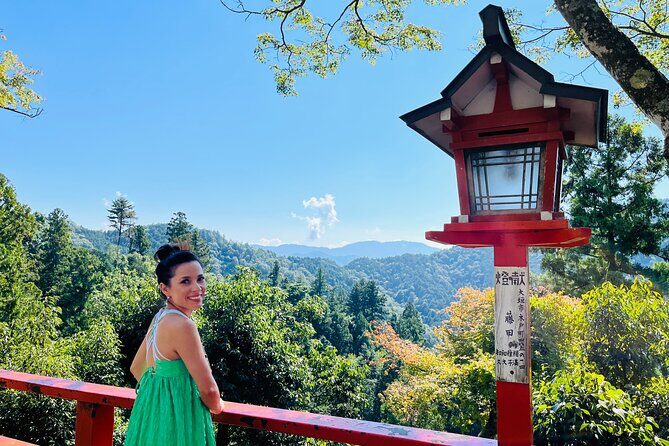
- Hotel pickup and drop-off mean you start the hike without the usual rail-bus scramble
- Private guide who keeps the day flowing and adjusts to your group pace
- Reiki origins at Mount Kuruma, including Mikao Usui’s 21-day meditation story
- Shrine and temple admissions included on multiple stops, so fewer small payments
- Stairs and uneven ground are part of the deal, so comfortable shoes matter
Why Kurama and Kibune beats a normal Kyoto walking day
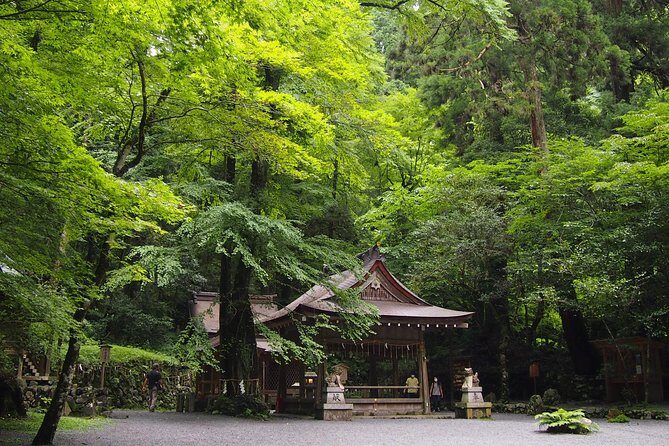
Central Kyoto is beautiful, but it can be tightly packed. Kurama and Kibune loosen the grip. You trade crowds for wooded trails, shrine gates tucked along slopes, and the kind of quiet where you can hear footsteps over stone.
This route is also a clever mix of “myth + place.” You’re not just hearing legends in a classroom. You’re walking through the settings where those legends take on weight—like why Mount Kuruma became associated with healing practices, or why people come to the river shrine for water and luck.
And you get a practical bonus: the guide helps you connect dots fast, so you’re not left reading signs while trying to avoid slipping on wet steps.
You can also read our reviews of more hiking tours in Kyoto
Door-to-door transfers and private-guide pacing that actually helps
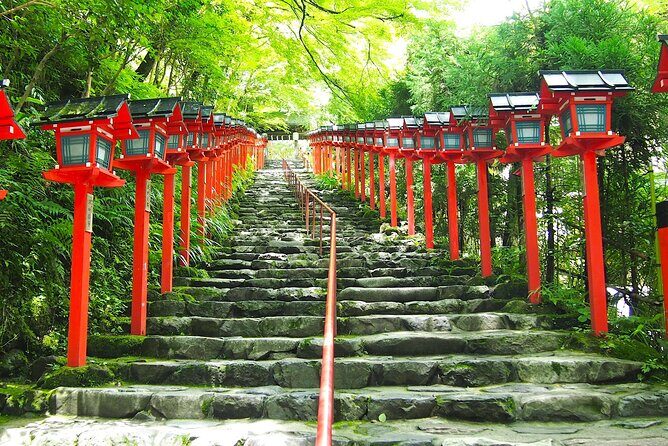
The biggest value for me isn’t the hike itself—it’s how the day is set up. Hotel pickup and drop-off cover you from the moment you leave your room to the moment you’re back. That matters in Kyoto, where it’s easy to lose half your energy figuring out the best route.
You also get a private tour for your group only. That usually means fewer “wait while everyone catches up” moments and more flexibility if you need slower pacing. From past departures, the guides have handled real-life changes too—like adjusting the route when someone had an injury or when weather conditions were rough.
One small note: the tour is about 8 hours. With stops, walking time, and shrine visits, it’s not a quick stroll. It’s a full morning-to-afternoon plan where you’ll want to think of it as a hike day first, sightseeing day second.
Yuki Shrine: the cedar tree legend and a shrine with history that moved
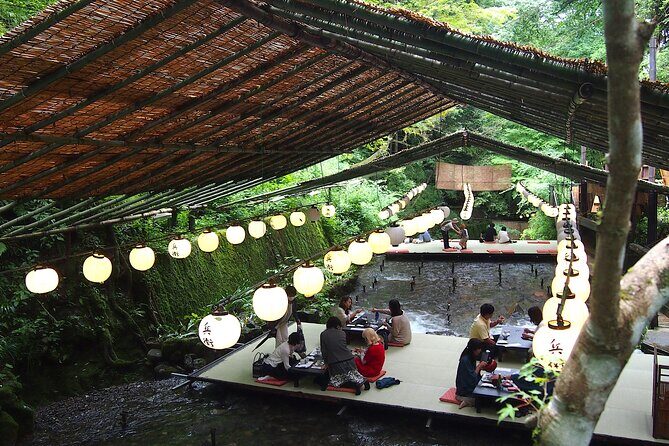
You start at Yuki Shrine, and it sets the tone. The story here is exactly the kind that makes a mountain day feel more than scenic.
Yuki Shrine was originally in central Kyoto. In 940 AD, it was moved to Kurama to protect the area from mysterious evil. Once you’re there, one highlight is an 800-year-old cedar tree, which makes the place feel rooted in time, not just arranged for photos.
Practical tip: even if you’re not a “cedar tree person,” take a moment here. The guide’s explanation usually helps you understand why later stops don’t feel random. They feel linked.
Mount Kurama: Reiki origins on a mountain that still feels still
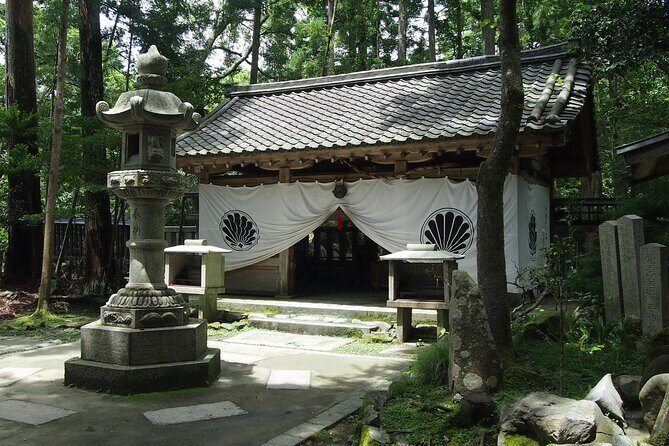
Then you head to Mount Kurama, known as the birthplace of the healing art called Reiki. The tour’s spiritual thread is tied to a very specific detail: in the early 1900s, Reiki founder Mikao Usui reportedly meditated on this mountain for 21 days.
The pacing here matters. This isn’t just a bus drop at a viewpoint. You’re on foot among the mountain paths, which makes the meditation story feel less like trivia and more like something people tried to experience in a specific place.
One useful point for your day planning: admission here is free, so you can focus on walking and listening rather than budgeting small site fees.
Kurama-dera: forest steps, a classic temple setting, and the reason people linger
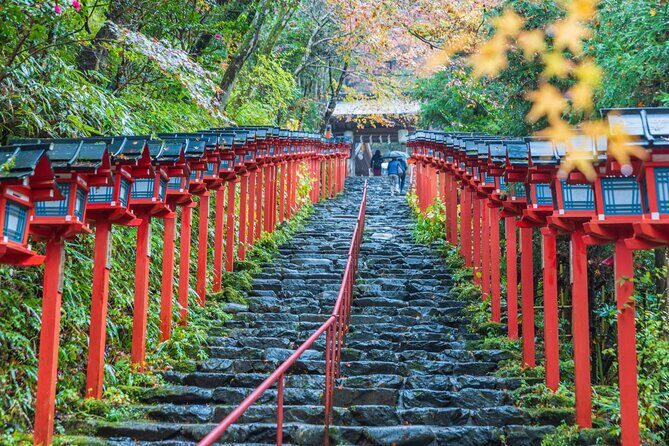
After Yuki Shrine, you’ll walk through the forest toward Kurama-dera, the area’s most famous temple. The transfer is short enough to feel easy, but long enough to let your mind shift from “city navigation” to “mountain walking.”
Kurama-dera is dedicated to the world of sacred practice and ritual, and it’s also old: it was founded in the 8th century. Expect a 25-minute-ish walk through the woods as you work your way toward the main temple complex, with plenty of time to stop and look.
This is a great stop for two reasons:
- The forest feels like a reset button from Kyoto streets.
- The guide’s story helps you understand what you’re seeing, especially when you notice small shrine features or religious imagery you might otherwise ignore.
Drawback to consider: this part includes more stairs and uneven stone than the earlier moments, so if your legs are already tired, you’ll want to slow down sooner rather than later. The best strategy is to take breaks before you’re out of breath.






Okunoin Maoden: the short stop that changes the mood
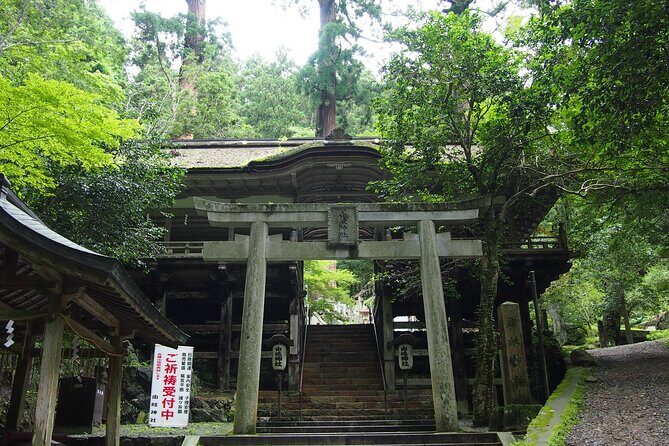
Next comes Okunoin Maoden, deeper in the mountains and known for a mysterious atmosphere. The tour frames it with a legend: it’s said to be the place where demons reign.
It’s not long—about a brief visit—but it’s memorable because it shifts the emotional tone of the day. Earlier shrines can feel historical and comforting. Okunoin Maoden leans darker, more eerie, more “why would people build this here?”
If you’re the type who likes spiritual stories but also likes variety, this stop is a nice pivot.
Kifune Shrine: water, rain, and the river path vibe
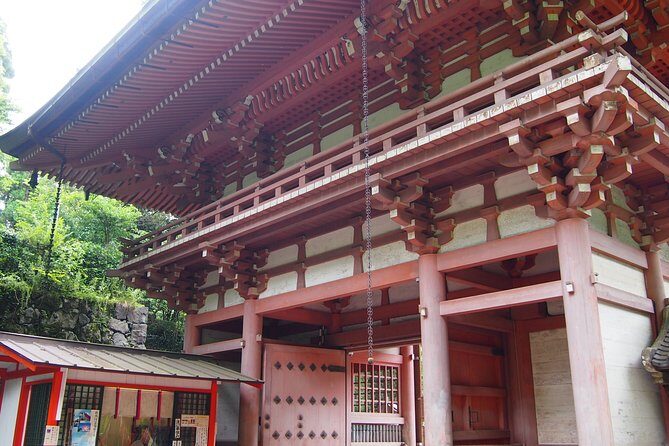
Then you arrive at Kifune Shrine, and the theme changes from mountain healing to water luck.
Kifune is dedicated to the God of water and rain. There are also places where you can drink pure mountain water fresh from the source—one of those tiny details that feels worth the effort because it connects you physically to the legend.
You also hear the sailor connection: Kifune is considered a place where people pray for luck on voyages. Even if you’re not sailing, it’s a fun angle on what shrines do. They aren’t only about abstract belief; they’re about practical hopes—weather, safety, and fortune.
Kifune’s inner shrine and the Osaka boat legend
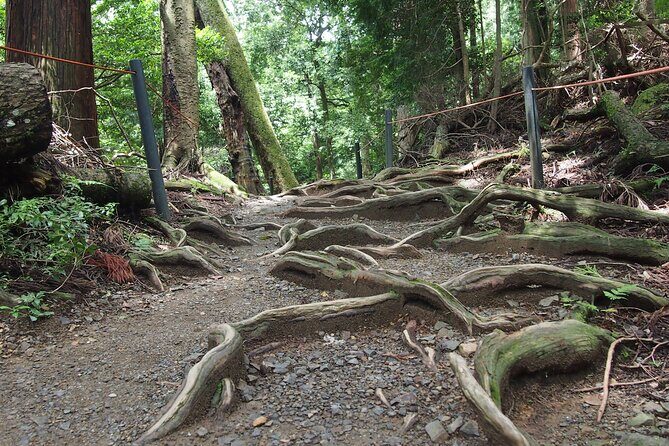
The tour doesn’t stop after the main area. You’ll also spend time at what’s described as an inner shrine experience of Kifune.
Here’s the story the guide shares: a goddess traveled in a boat from Osaka up the river into the mountains. The inner shrine is said to house the boat she rode in.
This part works because it turns the river from scenery into a character in the story. After you’ve walked the mountain, the river legend feels like the next logical chapter, not a separate attraction.
How hard is the hike, really?
The hiking itself isn’t “all day on a single incline,” but it does add up. Expect lots of steps up and down and uneven surfaces.
What I’d call out to you as the deciding factor:
- If you have strong knee tolerance and good footwear, you’ll likely enjoy this as a rewarding challenge.
- If stairs are a problem, plan to move slower and take breaks early.
The good news is that guides often manage pace carefully. From past experiences, guides have adjusted walking pace to individual needs, and in cases of injury, they’ve handled route changes to keep things safe.
So here’s my practical advice: wear shoes you trust on stone, bring a rain layer if the forecast looks iffy, and don’t treat this as a “casual walk.” Think short hike with lots of steps.
What you’re paying for: value in transfers, admissions, and guide time
At $191.60 per person, this isn’t the cheapest way to see the Kyoto mountains. But it’s also not just you walking around with a map.
Here’s where the value shows:
- Hotel pickup & drop-off saves time and energy you’d otherwise spend on transit planning.
- Private guide time for a full ~8-hour day.
- Admissions included at multiple stops, including Kuramadera Temple.
- All fees and taxes are covered, so you’re not constantly adding small charges.
- You also get photos of tour participants, and that’s a small but real convenience.
What’s not included is lunch, so you’ll want to either bring a plan for food after the hiking or accept that you’ll refuel on your own.
Also, private transportation like taxis isn’t included (it’s listed as available for an extra fee). If you have mobility limits beyond “moderate,” it may be worth discussing options ahead of time.
Timing, rain, and what to pack for a comfortable day
The start time is 9:00 am. That’s a good hour for beating the worst of morning crowds in the city—and it helps you get to mountain sites before the day drifts hotter or busier.
This is also an experience that depends on weather. The tour requires good weather, and if it can’t run due to conditions, you’ll be offered a different date or a full refund.
So pack like it’s a day hike:
- Good grip shoes for stone steps
- A light rain layer if weather looks questionable
- A water plan for yourself since lunch isn’t included
One small encouragement from how guides have handled rainy days: the guides have been prepared with small extras (like towels), but you shouldn’t rely on that as your only safety net.
Should you book this Kyoto Kurama and Kibune hike?
I think it’s a great booking if you want:
- A real hike day (not just temple photos)
- Legends tied to place, especially Reiki origins at Mount Kurama
- Fewer logistics headaches, thanks to pickup and included admissions
- A guide who can explain what you’re seeing in a way that makes the day click
I’d pass or choose a lighter option if:
- Stair climbing is a hard no for you
- You want a mostly flat, minimal-walking experience
- You’d rather DIY Kyoto and don’t value private guiding or transfers
If you fit the first group, this is one of the better ways to experience Kyoto beyond the postcards—because you end up walking through the ideas, not just reading about them.
FAQ
What’s the duration of the Kyoto Kurama and Kibune hiking tour?
It runs for about 8 hours.
Is lunch included in the price?
No. Lunch isn’t included.
Are temple and shrine entrance fees included?
Yes. Entrance fees for stops like Kuramadera Temple (and other shrine/temple visits on the route) are included, and Mount Kurama admission is free.
Do I get hotel pickup and drop-off?
Yes. Hotel pickup and drop-off are included from the Kyoto urban area and the Kurama area.
Is this tour private?
Yes. It’s a private tour/activity, meaning it’s only your group.
What kind of physical fitness do I need?
The tour is best for people with moderate physical fitness. Expect stairs, steps up and down, and uneven surfaces.
Is an English-speaking guide provided?
Yes. The tour includes an English-speaking guide.
What happens if weather is bad?
This experience requires good weather. If it’s canceled due to poor weather, you’ll be offered a different date or a full refund.