REVIEW · HAKONE
Custom Private Tour in Hakone with a Certified Local Guide
Book on Viator →Operated by Explore Hakone · Bookable on Viator
A smoky valley, a calm lake, and a shrine by the water. This private Hakone tour strings it together with a guide who can adjust the day to your pace and interests. You’ll also get a stop at a long-running teahouse for tea and a real taste of local tradition.
I especially like the private setup. Your group goes together, max 8 people, and you’re not stuck on a fixed route with a crowd. I also like the built-in breaks: tea time plus an included lunch means you can focus on sights instead of hunting for food all day.
One thing to consider is that some of the best views depend on clear weather. Mt. Fuji is a “good day” bonus at Onshi Hakone Park, and the whole experience expects you’ll have workable conditions.
In This Review
- Key things to know before you go
- Hakone Private Day, Built Around You: Pickup, Pace, and Group Size
- Your Hakone Route: From Owakudani Smoke to Lake Ashi Air
- Cable Car and Lake Ashi Cruise Options (Tickets Not Included)
- Hakone-Machi, Onshi Hakone Park, and Hakone Shrine: The Free Highlights
- Amazake Tea House Time: A 400-Year Break That Feels Like a Pause Button
- Lunch, Walking, and Getting the Logistics Right
- Riversides Onsen Soak: What the Optional Hot Spring Adds
- Price and Value: Why $300 Can Make Sense in Hakone
- Weather Expectation and Practical Tips for a Smooth Day
- Who This Hakone Tour Fits Best
- Should You Book This Private Hakone Tour?
- FAQ
- Where does the tour start and end?
- What time does the tour begin?
- How long is the tour?
- Is this tour really private, and how large can my group be?
- What’s included in the tour price?
- What is not included?
- Can I choose the ropeway and onsen options?
- Will I see Mt. Fuji?
- What happens if the tour is canceled due to poor weather?
Key things to know before you go
- Certified local guide + customization: You choose options like ropeway and the riverside onsen, and your guide can shape the day around you.
- Tea house stop with amazake: You’ll get tea provided, including time at a Hakone Amazake Tea House tied to a family with 13 generations.
- Classic Hakone highlights, not just bus stops: The day covers Owakudani (Hell Valley), Lake Ashi, Hakone Shrine, and more.
- Some admission/ticket costs are extra: Owakudani and the Lake Ashi cruise have tickets not included, and the Hakone Freepass is also not included.
- Small-group feel: Even though it’s private, the max is 8 people per booking, so it stays personal.
Hakone Private Day, Built Around You: Pickup, Pace, and Group Size
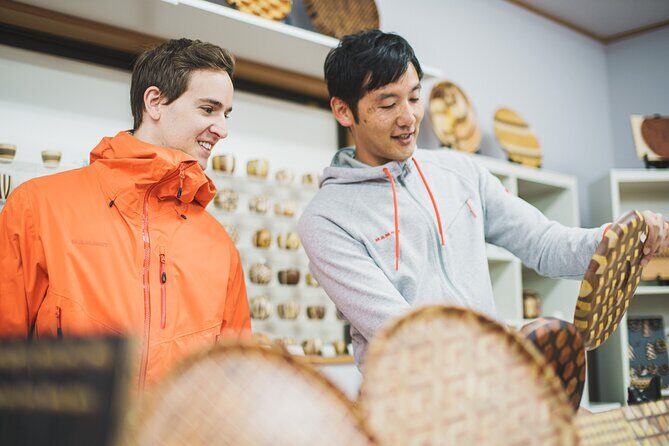
This is the kind of Hakone day that feels like you hired a local friend who knows where to go—and how long to spend. Your tour runs about 7 hours, starting at 9:00am, and ends back at the meeting point.
You’ll have options on the experience itself. You can add the Hakone Ropeway ride (great when visibility is good) and/or the riverside onsen soak (open-air hot spring). If you’re traveling with family, this is also practical: children are welcome, and your guide can explain things in a way that works for kids.
The group size is small: up to 8 people per booking, and only your group participates. That matters in Hakone because moving between viewpoints, boats, and ropeways can turn into a logistics puzzle when you’re with strangers and timed tickets. Here, you have a bit more breathing room.
You can also read our reviews of more guided tours in Hakone
Your Hakone Route: From Owakudani Smoke to Lake Ashi Air
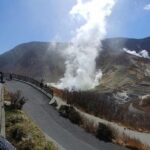
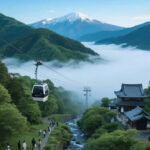
The flow starts with Owaku-dani Valley. It’s known for plumes of smoke and that dramatic “Hell Valley” vibe. Even if you’re not there for volcanic geography, it’s one of the most memorable ways to understand Hakone’s volcanic identity. You also get up above it via the Hakone Ropeway in the broader route if you select that option.
Timing-wise, the Owakudani stop is about 1 hour, and the ticket for the ropeway-related area is not included in the tour price. The good news: you’re not just passing through. The guide brings you to the right place for the right moment, rather than rushing you past the views.
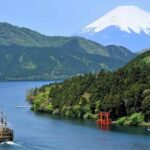
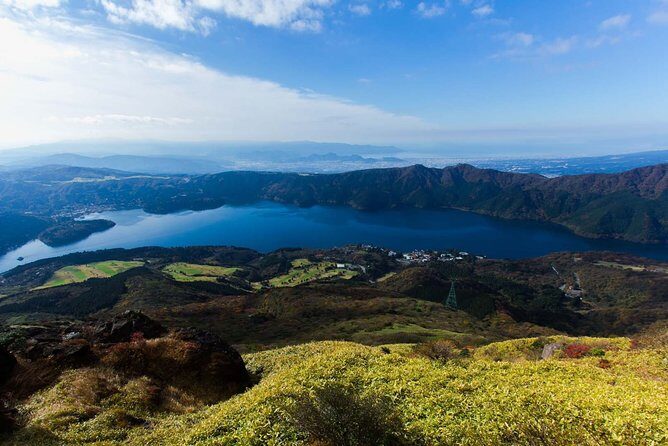
Next comes Lake Ashi and the Hakone sightseeing cruise. This is about 30 minutes, with a “pirate ship” style boat running between the ports of Hakonemachi-ko, Motohakone-ko, and Togendai-ko. The cruise is a nice change of pace after walking and waiting outside viewpoints. If the sky is clear, Lake Ashi can also be the best “Mt. Fuji in the distance” setting of the day.
Cable Car and Lake Ashi Cruise Options (Tickets Not Included)
The itinerary is built so you can choose the ropeway and boat experience, but tickets can be extra. That’s not a deal-breaker—just plan for it. Owakudani includes time, but admission tickets aren’t included. The same goes for the Lake Ashi cruise.
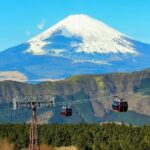
Here’s the practical angle: ropeway and boats work best when the weather cooperates. If visibility is poor, you may still enjoy the setting, but the Mt. Fuji payoff gets smaller. On a clear day, the ropeway offers views over Lake Ashi and toward Mt. Fuji, and Onshi Hakone Park is another spot where Mt. Fuji can appear over the lake.
If you’re price-shopping, treat it like this: the tour price buys the guide, the structure, and the stops. You can then layer in the optional ticketed rides you most want.
Hakone-Machi, Onshi Hakone Park, and Hakone Shrine: The Free Highlights
Some of the best “Hakone photos” are surprisingly budget-friendly once you’re there. Several major stops are free, and your guide helps you see the story behind them.
Hakone-machi is a quick 20-minute pause with a memorable detail: an avenue of cedar trees that’s about 400 years old. It’s also part of the original Tokaido road—the historic route built to connect Tokyo and Kyoto. This stop is short, but it’s one of the easiest ways to slow down and feel how old Hakone can be, not just the modern sightseeing loop.
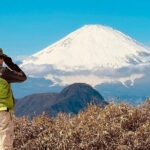
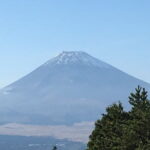
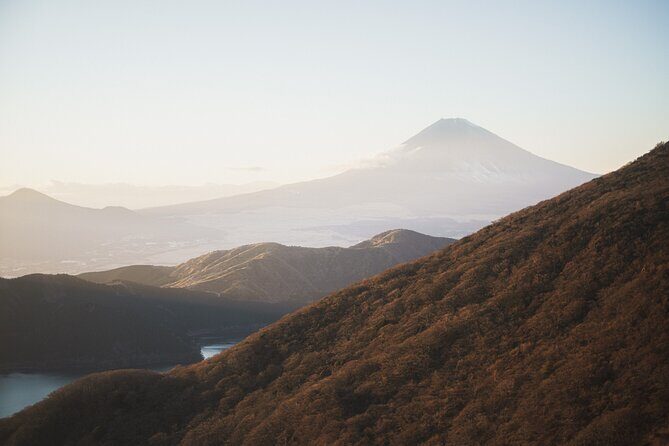
Onshi Hakone Park takes your day up a notch. It’s known for imperial history—once a summer retreat for Japanese imperial families, roughly 150 years ago—and it offers views of Mt. Fuji over Lake Ashi on clear days. The stop is about 1 hour, and because you’re standing in a viewpoint setting, it’s a good place to watch the weather trend. If clouds roll in, you can still enjoy the park, but if they clear, the Fuji moment can be worth waiting for.
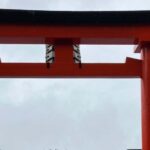
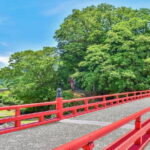
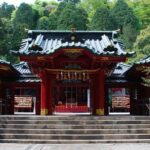
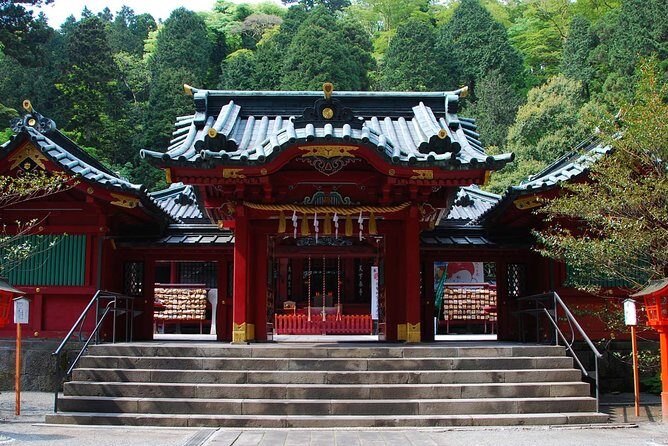
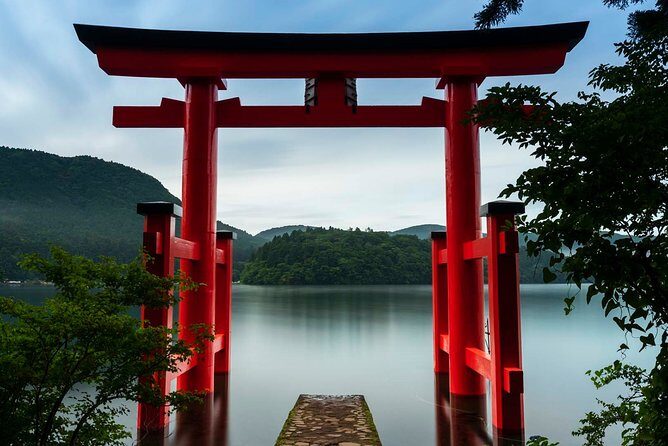
Then you reach Hakone Shrine (and Kuzuryu Shrine). This shrine is about 1266 years old, and your guide connects the site to Shinto beliefs and how they shaped local culture. The iconic red torii gate out in the water is the star here, and it’s usually the photo you’ll think about later. The stop is about 1 hour, and it’s free—one of the best time-to-wow ratios in the entire day.
Amazake Tea House Time: A 400-Year Break That Feels Like a Pause Button
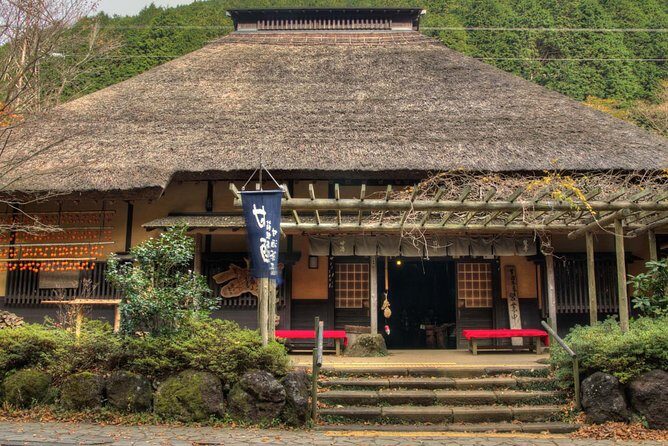
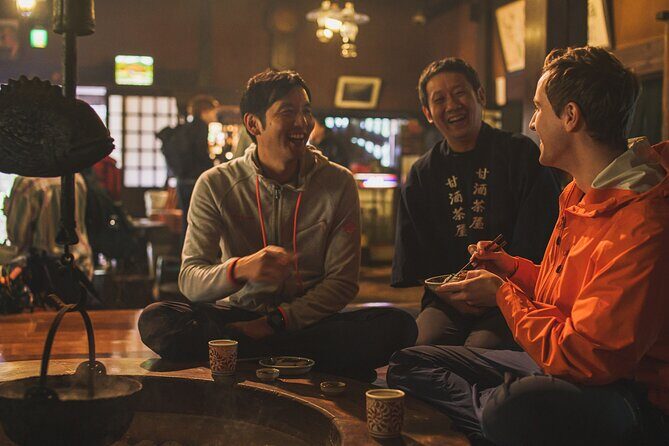
This is one of the more thoughtful parts of the tour: the day doesn’t treat tea like a checkbox. You get a stop at the Hakone Amazake Tea House, where the same family has owned it for 400 years across 13 generations.
Amazake is the local drink here (a sweet, non-alcoholic option in many settings), and you’ll have time to enjoy it as part of the tour. The tea stop is about 30 minutes, and it’s listed as included. Also, beverages at the local tea house are included overall, so you aren’t paying for every small refresh.
What makes this more than “one more shop” is the cultural framing. People come to tea houses on the journey to rest, reset, and talk. In past guided days, I’ve found that the best moments happen when your guide explains why places like this existed—especially in Hakone, where travel used to mean walking, waiting, and choosing comfort carefully.
You can also read our reviews of more private tours in Hakone

Lunch, Walking, and Getting the Logistics Right
Lunch is included, which is a quiet value win. In Hakone, it’s easy to burn time searching for something that fits your dietary needs and your walking radius. Here, your guide handles the timing so you don’t lose the afternoon to restaurant lines.
Also, this tour style tends to be more walking-focused than “sit on a bus and hope for photos.” That matters if you want the day to feel active but not exhausting. You’ll still face typical sightseeing walking and shifting between viewpoints, but you won’t be stuck in long transfers without purpose.
A good guide also means fewer wrong turns and fewer “what ticket do I need for this?” moments. In this tour, you’re explicitly dealing with some admissions that are not included, so the guide’s role becomes extra important for keeping the day smooth.
Riversides Onsen Soak: What the Optional Hot Spring Adds
If you choose the optional onsen experience, it’s a riverside soak in an open-air hot spring. That’s the classic Hakone payoff: after smoke valleys, shrine steps, and lake air, you end the day in a place designed for recovery.
Even if you’re not an onsen superfan, this part often changes the way the whole day feels. It turns Hakone from sightseeing into recovery—warm water, quiet setting, and the chance to sit while your guide wraps up details.
You’re not required to do it, and the tour still works without the hot spring addition. But if you’ve come to Hakone for the hot-spring tradition, this is the moment you’ll be happiest you planned for. One practical note: because it’s optional, pick it if you truly have time and energy. Otherwise, keep the schedule lighter and focus on the sights.
Price and Value: Why $300 Can Make Sense in Hakone
At $300 per person for a private tour, it’s not “cheap.” But Hakone is also not cheap when you add up multiple timed elements, transport, and admissions. The value here is that you’re paying for a nationally certified pro guide plus organization across a full day.
Here’s what your money is covering:
- The guide and the expertise to connect sites into one coherent day
- Beverages at a local tea house
- Lunch
And what you’ll likely pay separately:
- Private transportation
- Hakone Freepass
- Local bus fares
- Admission tickets for Owakudani and the Lake Ashi cruise
That split is common for guided sightseeing days. If you were doing Hakone on your own, you’d still pay for those admission pieces. The real question becomes: do you value someone handling timing, explaining what you’re seeing, and helping you get from A to B without stress? If yes, this format can be worth it—especially with a small group (max 8) where private pacing actually benefits you.
If you’re traveling solo, it might feel steep compared to group tours. But for families, couples, or small friend groups who want to avoid crowd chaos and want ropeway/onsen choices, it often lands closer to fair than it looks on paper.
Weather Expectation and Practical Tips for a Smooth Day
This experience is noted as requiring good weather. That’s not just a legal line—it matters because your best “Mt. Fuji from viewpoints” moments depend on visibility. Onshi Hakone Park is specifically described as a spot to see Mt. Fuji on a clear day, and the ropeway is framed as offering views over Lake Ashi and Mt. Fuji when conditions are right.
If weather becomes a problem, the experience may be canceled due to poor conditions. When that happens, you’ll be offered a different date or a full refund. That’s a rare bit of traveler-friendly flexibility.
A few practical things you should do:
- Bring a light layer even in warmer seasons; ropeway areas and lake breezes can feel cooler.
- Expect that some days are photo-light and experience-heavy. A good guide can still make it satisfying.
- Decide ropeway/onsen based on your own comfort. These choices can add time and movement.
Who This Hakone Tour Fits Best
This tour fits best if you want a full Hakone day but don’t want to micromanage everything. It also fits you if you love mixing iconic sites with small cultural stops like the centuries-old tea house.
It’s a strong match for:
- Couples who want the classic Hakone highlights plus time to relax
- Families who want explanations that land for kids, not just adults
- Small groups who want custom choices like ropeway and an onsen soak without getting stranded on logistics
If you already did a tight half-day in Hakone and you’re chasing a totally new set of sights, you may find overlap in the “big names.” Still, the private guiding can change the feel of the day because you’ll move with a plan and context, not just a checklist.
Also, if your top priority is guaranteed Mt. Fuji views, plan to stay flexible. The tour requires good weather, and Fuji sightings are tied to clear conditions.
Should You Book This Private Hakone Tour?
Yes, book it if you want one guided day that mixes volcanic drama, lake views, shrine culture, and a proper tea-house pause—with the option to finish in a riverside open-air onsen. The private pacing and certified local guide are the main reasons this works, and the included tea, lunch, and drinks help keep the day from turning into a constant expense hunt.
I’d be more cautious if you’re traveling on a tight schedule with weather that’s uncertain, or if you’re mostly chasing Mt. Fuji photos. In Hakone, conditions drive results. If you can live with that and enjoy the culture and scenery even when skies change, this tour is a very solid way to spend your day.
FAQ
Where does the tour start and end?
It starts at Hakone-Yumoto Station (Yumoto, Hakone) and ends back at the meeting point.
What time does the tour begin?
The start time is 9:00 am.
How long is the tour?
The duration is about 7 hours.
Is this tour really private, and how large can my group be?
Yes, it’s private. Only your group participates, with a maximum of 8 people per booking.
What’s included in the tour price?
Included are a nationally certified pro guide, beverages at a local tea house, and lunch.
What is not included?
Private transportation, the Hakone Freepass, and local bus fares are not included. Also, admission tickets are not included for Owaku-dani Valley and the Hakone sightseeing cruise.
Can I choose the ropeway and onsen options?
Yes. The Hakone Ropeway cable car ride is offered if that option is selected, and a riverside onsen (open-air hot spring) is optional and selected at booking.
Will I see Mt. Fuji?
You may see Mt. Fuji depending on clear conditions, such as from Onshi Hakone Park. The experience also requires good weather.
What happens if the tour is canceled due to poor weather?
If it’s canceled due to poor weather, you’ll be offered a different date or a full refund. The experience is non-refundable and cannot be changed for any reason.