REVIEW · HAKONE
Hakone 6 hour Private Tour with Government-Licensed Guide
Book on Viator →Operated by Japan Guide Agency · Bookable on Viator
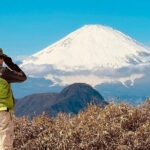
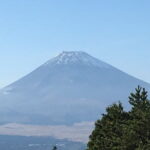
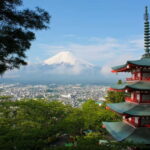
Fuji shows up when your plan is right. This private 6-hour Hakone walking tour lets you choose 3–4 stops and start times, guided by a government-licensed English speaker who keeps the day moving smoothly. You skip the herd feeling and shape the route around what you actually want to see.
I love the custom pick-3-to-4 format—it keeps the day from turning into a checklist. I also like that your guide reads the moment, like steering toward the Open-Air Museum or swapping plans when the ropeway shuts down, which comes up in Hakone’s windier weather.
One thing to consider: this is a walking-first tour, and some days get crowded or fast-paced, especially around transit connections. If you hate to walk or you’re sensitive to weather delays, you’ll want to plan for flexibility.
In This Review
- Key things I’d highlight before you go
- Entering Hakone on Your Own Schedule
- How the pick-3-to-4 plan shapes your day
- Lake Ashinoko and Hakone Shrine: a calm start with real drama
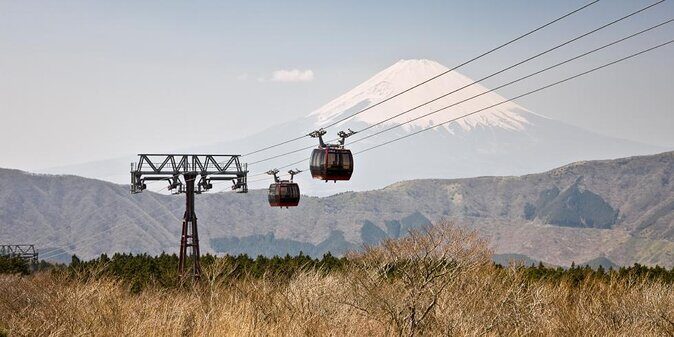
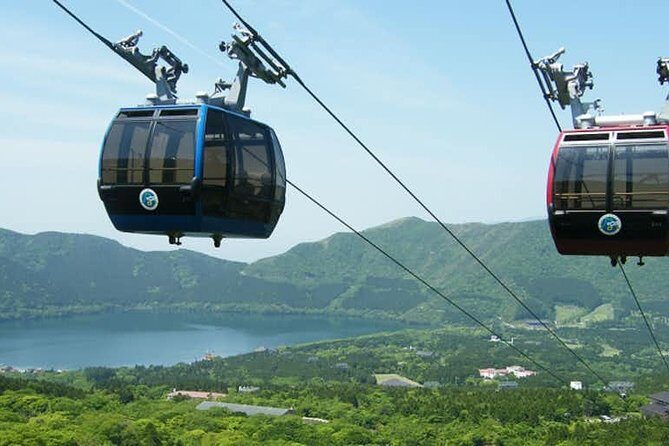
- Ropeway to Owakudani: the most Hakone part of Hakone
- Art museums and the quiet kind of wow
- Zen, gardens, and Sengokuhara’s pampas-grass views
- Walking, transit, and crowds: what “private” really means here
- Price and logistics: is $175.76 per person a good deal?
- Should you book this private Hakone walking tour?
- FAQ
- How long is the Hakone private tour?
- How many places can I choose to visit?
- Are entrance fees included?
- Is pickup included?
- Is this tour mostly walking?
- Is the tour private or will it mix with others?
- Do I need a reservation for the Owakudani Nature Research Trail?
- Is the Hakone Freepass included?
Key things I’d highlight before you go
- Pick 3–4 stops from major Hakone hits, so you don’t waste time on what doesn’t interest you
- Multiple morning start times for better odds at clear views of Mt. Fuji
- Real route problem-solving when wind cancels the ropeway or cruise options
- A true private experience with no combining with other groups
- Most entrance tickets are extra, so budget for museum/attraction fees
- Owakudani nature trail may need advance reservation and has an 800 yen entrance fee
Entering Hakone on Your Own Schedule
Hakone is one of those places where timing matters. Boats, cable cars, ropeways, and viewpoints all depend on the weather, and the area can feel confusing if you’re learning it while you travel.
This tour is designed to fix that. You choose a few stops, your guide organizes the route, and you’re not stuck waiting with a big group that’s moving at someone else’s pace. It’s also genuinely private, so you can ask questions and adjust on the fly without feeling like you’re dragging the whole tour behind you.
You can also read our reviews of more guided tours in Hakone
How the pick-3-to-4 plan shapes your day
You’ll pick 3 to 4 places from a menu of classic Hakone experiences. The tour runs about 6 hours, with morning start time options, which is helpful if you’re chasing a clear Fuji day.
What you should know: many of the listed stops are not included ticket-wise. Lake Ashinoko and Hakone Shrine are free, and Choanji Temple is free too. But ropeway rides, museums, and several art stops usually require tickets you’ll buy separately.
This setup gives you two advantages:
- You can build a day around nature + views or art + calm walking (or both).
- You avoid a 6-hour blur of “we’re here, smile, move on.” Instead, you get time to actually look.
Lake Ashinoko and Hakone Shrine: a calm start with real drama
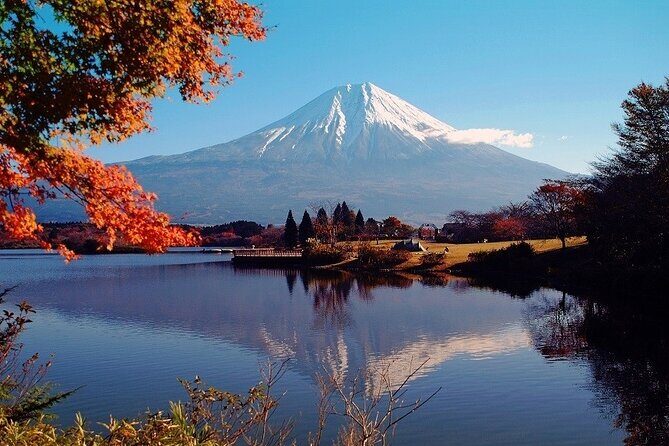
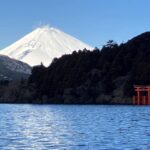
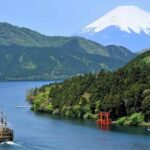
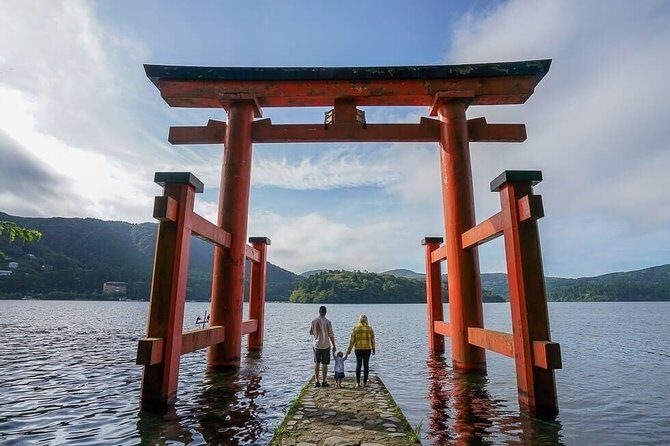
Most great Hakone days start with Lake Ashinoko. It’s formed in the caldera of Mount Hakone after eruptions long ago, and today it’s the symbol of the area. The lake view with Mt. Fuji in the background can be stunning—when conditions cooperate.
You’ll spend about 30 minutes here, with free admission. It’s enough time to take in the big picture, then pivot into the next stop without feeling rushed.
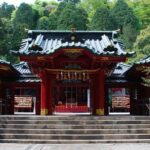
Right after, you’ll likely swing by Hakone Shrine (Hakone-jinja) for around 20 minutes. This shrine has roots reaching back more than 12 centuries, and it’s been rebuilt after fires through the years. The setting is quiet, and it’s a nice reset between transport-heavy sections.
A practical note: this early part of the day tends to be the easiest for photos and pacing. If you’re thinking Mt. Fuji might be your number-one goal, I’d front-load it.
Ropeway to Owakudani: the most Hakone part of Hakone
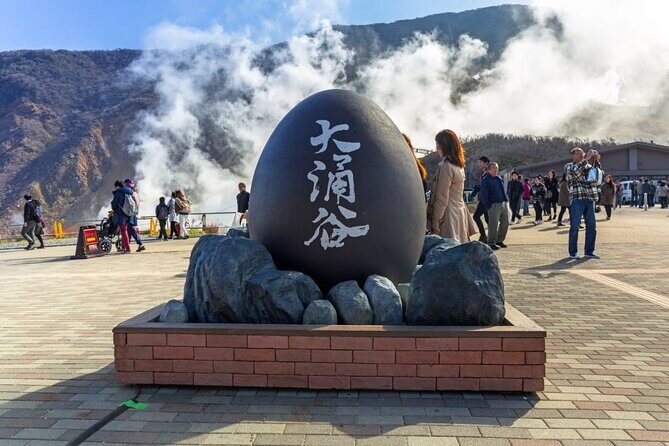
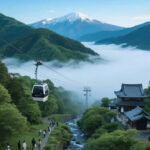
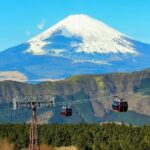
The Hakone Ropeway is one of the quickest ways to move between the lakeside and volcanic viewpoints. Your time here is short (around 20 minutes), and the ride itself is not included in the tour price.
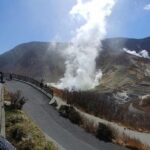
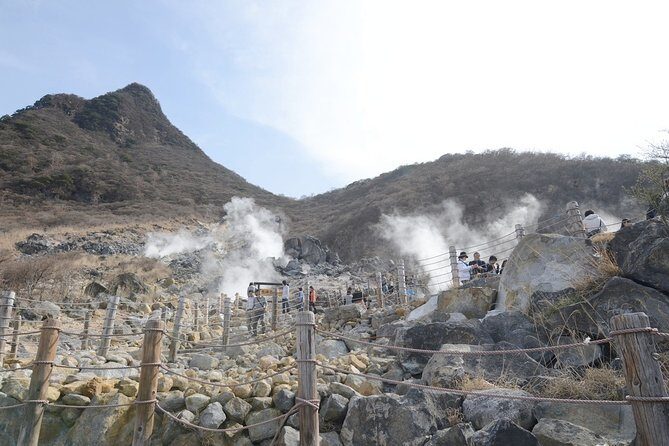
From there, you get to Owakudani Valley, the active volcanic zone that powers the local hot springs. Expect around 20 minutes at the observatory area. The big attraction is the geothermal activity—and yes, the black boiled eggs are a real thing people eat here (a fun, strange Hakone ritual).
The trade-off is weather. Strong wind can shut down the ropeway and scramble schedules. In that situation, the good guides don’t panic—they adjust. I’ve seen guides proactively reroute and manage waiting lines so you don’t lose half the day stuck with nowhere to go.
If you want something more than the standard observatory stop, there’s also the Owakudani Nature Research Trail. That’s longer (about 40 minutes) and requires advance reservation with an 800 yen entrance fee. If you’re the type who likes to walk a little deeper into a place, this option can feel more “Hakone” than another museum stop.
Art museums and the quiet kind of wow
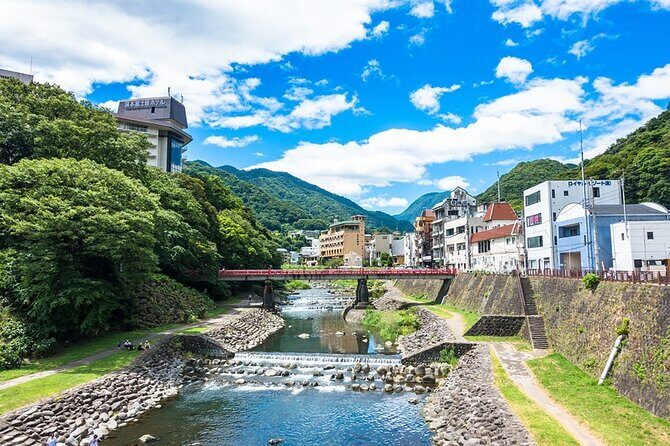
Hakone can be surprisingly good for art, and this tour treats it like part of the day’s rhythm—not an afterthought.
Here’s what’s on your menu, with the reality that most museum tickets are not included:
- Hakone Open-Air Museum: about 20 minutes. It’s Japan’s first open-air art museum, built to mix art with nature. The gardens and sculptures make it a good break from stairs and transit.
- POLA Museum of Art: about 20 minutes. It showcases the POLA company collection, opened in 2002.
- Okada Museum of Art: about 20 minutes. A private collection spanning antiquity to modern works.
- Hakone Museum of Art: about 20 minutes. Founded in Gora in 1952, connected historically to the MOA Museum of Art in Atami.
- Narukawa Art Museum: about 30 minutes. Focused on nihonga, Japanese-style painting.
Then there are the offbeat stops that don’t feel like “museum fatigue”:
- Hakone Venetian Glass Museum (Hakone Glass no Mori): about 20 minutes. Italian-styled buildings with a garden and canal-like pond setting. It’s fun even if you’re not trying to buy anything.
- Dollhouse Museum Hakone: about 30 minutes. A small, charming collection with dollhouses from around the world, some over 200 years old.
My advice: pick one art stop and one “Hakone texture” stop (lake, shrine, ropeway/Owakudani, temple). If you load up on three museums, you’ll spend your best energy moving between ticket lines instead of enjoying the scenery.
You can also read our reviews of more private tours in Hakone

Zen, gardens, and Sengokuhara’s pampas-grass views
Not every part of Hakone is about volcano steam and cable cars. Some stops are there for atmosphere and slow strolling.
You may include Choanji Temple for about 30 minutes. It’s a Soto Zen temple in the Sengokuhara area, founded in 1356. Admission is free, and it’s a peaceful counterweight to the more dramatic sights.
You might also pick Sengokuhara for about 20 minutes. It’s known for pampas grass and is best in the fall, so if you’re visiting in a different season, expect a nice slope with seasonal variation rather than peak spectacle.
Other garden-style options:
- Hakone Shisseikaen (wetlands botanical garden): about 10 minutes, not included ticket-wise.
- Gora Park: about 10 minutes, a western-style garden park above Gora Station. It’s mostly for relaxing views and a breather.
If you’re trying to keep energy for the walking segments later, these lighter stops are a smart match. They also help if the morning weather is foggy—because even when Fuji is hidden, the gardens and temple settings still feel worth it.
Walking, transit, and crowds: what “private” really means here
Private tour does not mean effortless. Hakone is popular, and it’s built around multiple stations and connections.
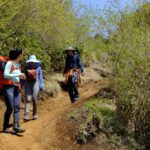
This tour is a walking tour, and the pickup is on foot within a designated area. Transportation during the day is basically on foot, plus public transit connections as needed. That’s great for getting your bearings fast, but it can also mean crowds during peak times.
So, what makes it work anyway is the guide’s route choices. Good guides know where the lines tend to form and when it’s worth waiting. In one example, a guide helped secure better seats and used smarter timing around the Lake Ashi and Owakudani connections. In another, a guide calmly rebuilt the plan when high winds canceled ropeway and cruise segments.
If you’re new to Japan, I’d also consider a Suica or PASMO card/app even if you’re using a JR Pass. One guide specifically recommended this to make local transit smoother.
Price and logistics: is $175.76 per person a good deal?
At $175.76 per person for roughly 6 hours, you’re paying for a few things that matter in Hakone:
- A government-licensed English-speaking guide
- A private day (your group only, no combining)
- Flexibility to choose 3–4 stops
- Help navigating timing, lines, and route decisions
What’s not included is equally important. Entrance fees, transport fees, and lunch are not included. Ropeway and most museums are ticketed separately. That means your final day cost can creep up depending on which stops you pick.
So here’s the value equation I’d use:
- If your plan involves multiple ticketed attractions and you’d otherwise struggle with routing and timing, this private tour can be excellent value.
- If you mainly want two low-cost sights and you’re comfortable building the route yourself, it may not feel as “worth it.”
Also note: a Hakone Freepass is not included in the tour price. Some guides may still recommend it as part of making your transit cheaper or easier, so it can be worth considering based on your chosen stops.
Should you book this private Hakone walking tour?
I’d book it if:
- You want Mt. Fuji and Hakone sights without wrestling the logistics yourself
- You care about choosing your own mix of lake, ropeway, volcano, shrine/temple, and art
- You like having a guide who can adjust when wind or weather interrupts plans
- Your group includes people who won’t enjoy a fast, fixed group tour pace
I’d skip or adjust expectations if:
- You hate walking and standing in lines (this tour is walking-first)
- You want every stop on a long list with no extra ticket budgeting (you’ll pay entrances separately)
- Your ideal day is slow and sit-down with zero transit connections (Hakone still involves moving)
If you do book, pick your 3–4 stops with intention. Pair one “big view” moment (Lake Ashinoko or Owakudani/ropeway) with one “quiet” stop (shrine/temple/garden). Then add one art option if it matches your interests. That mix is where this tour tends to feel like a win.
FAQ
How long is the Hakone private tour?
The tour is about 6 hours.
How many places can I choose to visit?
You choose 3 to 4 sites for your personalized tour.
Are entrance fees included?
No. Entrance fees are not included, except that some sites listed have free admission (like Lake Ashinoko, Hakone Shrine, and Choanji Temple).
Is pickup included?
Pickup is offered, but the tour notes that meeting the guide is done on foot within a designated area in Hakone.
Is this tour mostly walking?
Yes. This is a walking tour, and transportation during the tour is basically on foot.
Is the tour private or will it mix with others?
It’s private. Only your group participates, and you cannot combine multiple tour groups.
Do I need a reservation for the Owakudani Nature Research Trail?
Yes. The Owakudani Nature Study Path requires advance reservation, and it has an 800 yen entrance fee.
Is the Hakone Freepass included?
No. The Hakone Freepass is not included.