REVIEW · HAKONE
Hike Hakone Hachiri
Book on Viator →Operated by Walk Hakone Hachiri · Bookable on Viator
Hakone Hachiri feels like a time machine. You’re walking a protected slice of the ancient Tokaido Highway, with Amazake Chaya tea-house culture and the famous Cedar Avenue that dates back centuries. I love the way the day connects small, human moments (a 13th-generation tea house) with big, old-school history (Edo checkpoint systems). One thing to think about: this is a long hike with a moderate fitness bar, and you’ll want sturdy shoes, especially if it rains.
Two highlights that really do the heavy lifting here are the breakfast-to-trail start with Mr Yamamoto’s family teahouse and the guided historical storytelling as you move between Hakone’s old defenses, ruins, and route segments. The potential payoff is also real: on clear days, you can get Mt. Fuji views from the Yamanaka Castle Ruins area. Still, this tour depends on weather, so plan for the fact that cloudy conditions can change the view-focused parts of the day.
If you’re into authentic Japan over postcard tourism, this one fits. It’s a private tour for your group only, you get a mobile ticket, and the pacing is designed for walking rather than riding all day in a bus. The price isn’t cheap on paper, but when you factor in the guide time and the built-in entry moments, it starts to make sense for a full day outside the crowd flow.
In This Review
- Key points worth knowing
- Getting to Mishima for an 8:30 start that pays off
- Amazake Chaya with Mr Yamamoto’s family tradition
- Lake Ashi: a lunch break with crater-lake drama
- Cedar Avenue: Edo-era shade under 400-year cedars
- Hakone Sekisho and the old Tokaido checkpoint system
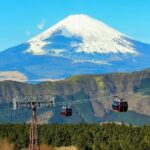
- Yamanaka Castle Ruins and the Mt. Fuji view gamble
- The big walking day: 12 km on preserved Old Tokaido between Odawara and Mishima
- Mishima finish and the Genbegawa World Water Heritage Area
- Tony’s guiding style: history that stays practical
- What to pack and how hard the hike really feels
- Price and value: why $231.18 can make sense here
- Should you book Hakone Hachiri?
- FAQ
- What time does the tour start and where do we meet?
- How long is the hike?
- Is this tour private or shared?
- What fitness level do I need?
- What’s included in the price?
- Is lunch included?
- Are coffee or tea included?
- Do we use a mobile ticket?
- What happens if the weather is poor?
- If I cancel, can I get my money back?
Key points worth knowing
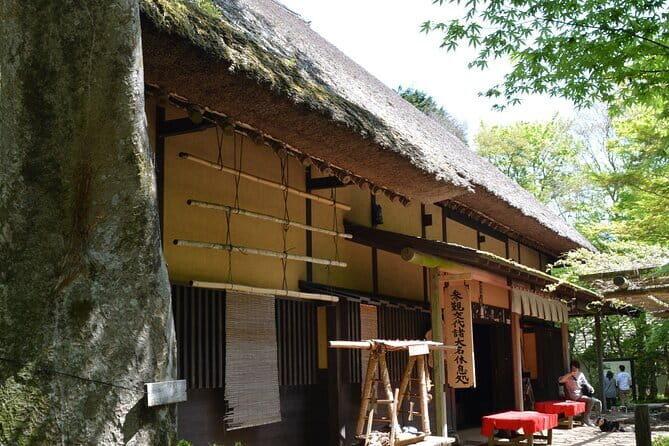
Mr Yamamoto’s 13th-generation amazake stop: You’ll meet a family-run teahouse experience tied to the old Tokaido tradition.
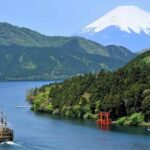
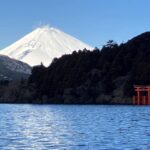
Lake Ashi crater-lake scenery at lunch time: A lunch break by Lake Ashi includes the visual of red tori gates in the water.
Cedar Avenue planted in the Edo era: You’re walking under sugi cedar ordered to be planted along the route for shade.
Hakone Sekisho checkpoint + museum: You’ll see how the old Tokaido police system protected Edo.
A serious walking segment: Expect around 12 km (about 7 miles) on preserved Old Tokaido foot highways.
Getting to Mishima for an 8:30 start that pays off
The tour meets at Mishima Station (16-1 Ichibanchō area) at 8:30 am and ends back at the same station. That early timing matters. You avoid the late-morning rush that tends to swell around major sights, and you get more calm trail time between historic stops.
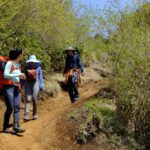
This is also a day tour built around walking, so your morning prep matters. Wear shoes you can trust on uneven ground; a few review notes mention hiking over stones, which is the kind of detail that sounds minor until you’re halfway through a damp section.
You won’t be stuck guessing where to be. You get a confirmation at booking, and the experience uses a mobile ticket, which helps you keep things simple once you’re in Japan.
You can also read our reviews of more hiking tours in Hakone
Amazake Chaya with Mr Yamamoto’s family tradition
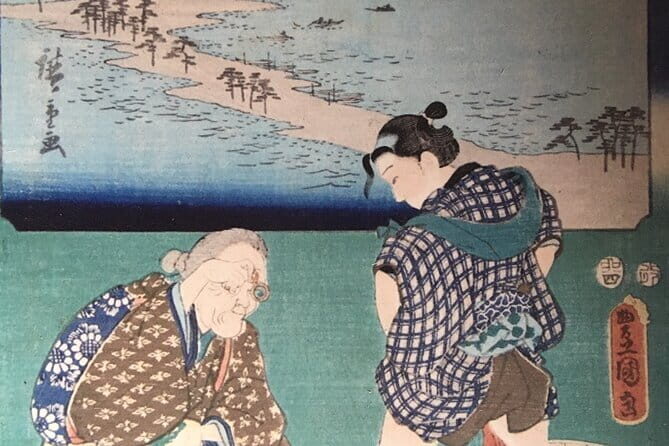
The day begins at Hakone Amazake Tea House, with time set aside for Mr Yamamoto, the 13th generation manager, and his family. This isn’t just a quick photo stop. You’re stepping into a tea-house role that’s been passed down through generations, and that context changes how you experience the place.
A big part of the appeal is the human scale. The teahouse is described as a small, traditional establishment, with the next generation part of the picture (there’s even mention of a son and daughter who could become the 14th generation managers). That’s the kind of continuity you rarely get when you only see “historic buildings” from the outside.
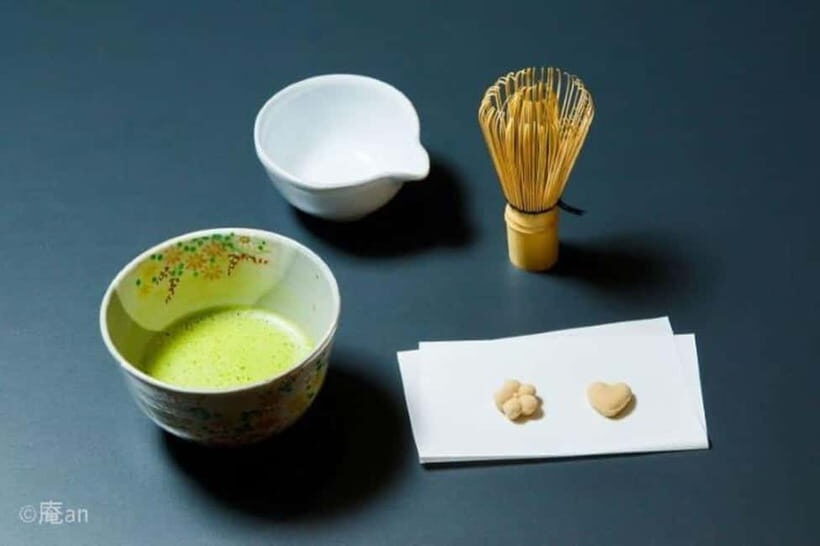
If you like food that has a story attached, this is your moment. Amazake tea-house culture is tied to the old travel route, so the stop helps you understand why travelers once depended on these points along the highway. Also, admission for this stop is included, so you can focus on soaking up the atmosphere rather than calculating costs mid-day.
One practical note: tea/coffee and lunch are not listed as included overall, so treat this stop as a cultural intro rather than your full meal plan.
Lake Ashi: a lunch break with crater-lake drama
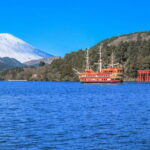
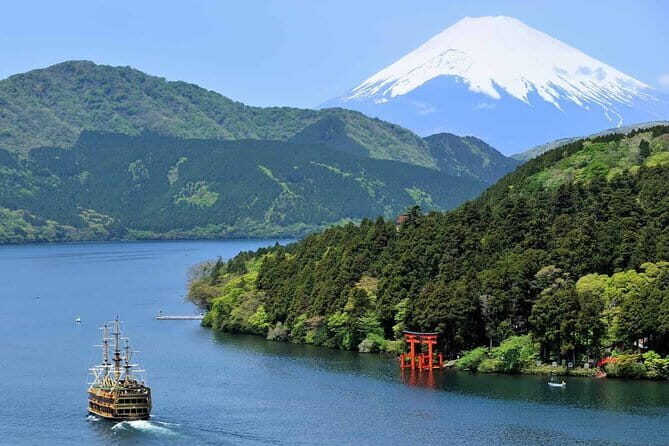
After the morning culture hit, the route moves you toward Lake Ashinoko for a lunch break. Lake Ashi is described as a 700m deep crater lake, and the visual detail that stands out is the red tori gates that appear in the water.
This stop works in two ways. First, it gives your legs a reset—your body will appreciate a break before you shift into the cedar and checkpoint sections. Second, the scenery helps you feel why Hakone is such a magnet: you get lake-and-mountain scale without having to hop between cities.
Lunch itself isn’t included, so you’ll want cashless convenience (Japan’s payment systems are widely used, but your specific lunch purchase will be separate). Still, the scheduling is smart: you’re not eating at some random mall spot; you’re eating near a major landscape feature tied to the region.
If the weather is clear, you may get more “wow” moments in the later ruins/view area too, since the day is built around that possibility.
Cedar Avenue: Edo-era shade under 400-year cedars

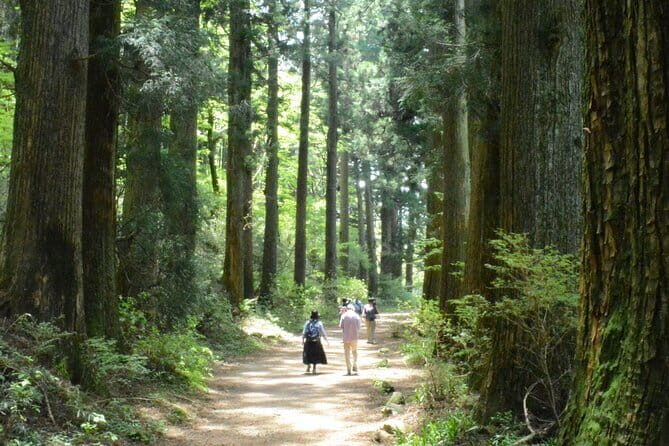
Then comes one of the most classic parts of Hakone: the Cedar Avenue section of the old road. This is where the walk turns soothing and awe-building at the same time. You’re walking beneath towering sugi (Japanese cedar) planted along the Tokaido route to create shade.
The planting is tied to the Edo period: the second Edo Period Shogun, Tokugawa Hidetada, ordered the cedar along both sides of the Tokaido to help travelers on the route. The description says four centuries ago, exactly, so yes—this is not a “nice forest walk” moment. You’re walking under a deliberately engineered travel corridor.
The drawback? Tall trees can also mean cooler, damper air. That’s great in summer, but in rainy weather it can feel slick underfoot. Keep your shoes grippy, and don’t overestimate how dry things will stay once clouds move in.
Still, this cedar section is the kind of walking that makes you forget the time. Even when the day turns wet, the tree canopy helps create a more sheltered feel than open-sky routes.
Hakone Sekisho and the old Tokaido checkpoint system
Next you reach Hakone Sekisho, and it comes with the Hakone Sekisho Museum stop. This is one of those historical anchors that turns a trail into a timeline.
The checkpoint story is straightforward and important: the Tokaido route had intervals of checkpoints to verify travelers were legitimate and to protect the Shogun in Edo. Hakone’s position made it the closest checkpoint to Edo, so it was among the most heavily policed areas.
What I like about this kind of stop is that it gives you a reason for what you’re seeing. A gate area, a checkpoint, a museum—on their own they’re just structures. With the explanation, you start connecting the route design to how travel security worked in the Edo era.
The museum time is short (a half-hour slot), so go in ready to absorb the big picture rather than expecting an all-day museum crawl. If you’re the type who likes “how did this actually function,” this is a perfect match.
Yamanaka Castle Ruins and the Mt. Fuji view gamble
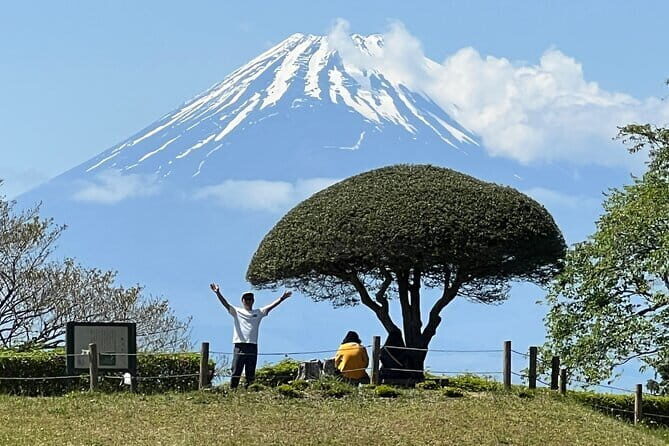
After checkpoints, you shift into ruins at Yamanaka Castle Ruins, linked to Hojo’s western boundary. The name meaning is spelled out in the description: it’s literally “castle in the middle of the mountain,” and the earthwork defenses help you understand the defensive logic of the site.
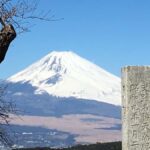
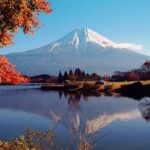
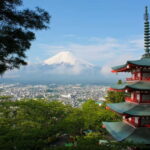
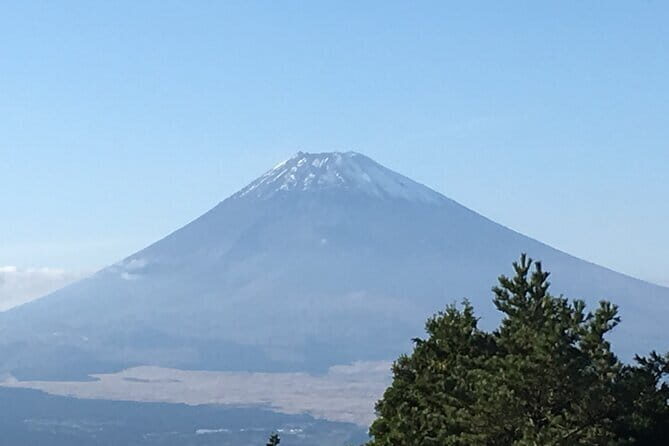
This stop has a view component, with Mt. Fuji appearing from the ruins area if weather cooperates. That means this is a genuine gamble. But it’s also part of the value of Hakone: the region rewards flexibility. If clouds roll in, you still get the ruins and the sense of why this position mattered.
In wet conditions, ruins can become slippery. Take your time and treat steps like you would on a rainy heritage site anywhere—slow and steady wins the day.
The big walking day: 12 km on preserved Old Tokaido between Odawara and Mishima
This is the heart of Hakone Hachiri: a long stretch on the Old Tokaido Foot Highway. You’ll hike a 12 km segment between Odawara and Mishima, described as preserved as a Japan Heritage Area route.
Twelve kilometers sounds like a lot when you read it on paper, but the structure of the day helps you keep your head in it. You’ve already started with a teahouse, then lake scenery, then cedar shade, then checkpoints and ruins. By the time you hit this long segment, you’ve mentally switched into hiking mode.
You’ll also get the benefit of guide context while you walk. The old Tokaido wasn’t just “a road.” It was the artery connecting Tokyo to former capitals, and a guide can turn what would otherwise be “a long walk” into a meaningful route you can place in time.
One more practical reality: this section is long enough that you should plan your energy. Bring water, and don’t wait until you’re tired to slow down. Also, the day doesn’t include lunch, so make sure you treat the planned lunch break by Lake Ashi as part of your energy strategy rather than a casual stop.
Mishima finish and the Genbegawa World Water Heritage Area
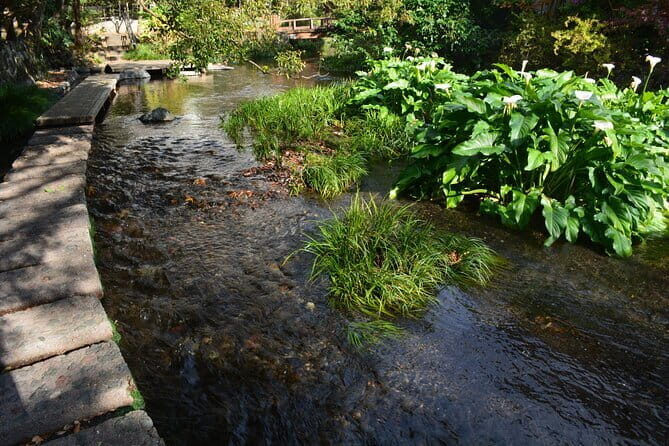
As the hike winds down, you’ll reach Mishima again and walk along the Genbegawa World Water Heritage Area. This is a nice way to finish, because it shifts your focus from “route history” to “water and place.”
A short finish like this keeps the day from feeling like you’re dragging yourself back to the train. It also gives you a closing image—water, not just trees and ruins. If you enjoy nature details that aren’t only about big views, you’ll appreciate this calm wrap-up.
Then it’s back to Mishima Station, ending where you started, which makes the day easier to plan around.
Tony’s guiding style: history that stays practical
The best praise tied to this experience centers on the guide experience—especially Tony. People call him funny, attentive, and quick to adjust, which matters on a long day where weather can change everything.
In rainy conditions, the tour is described as adaptable, with adjustments made to deal with terrible weather. That’s not just comfort; it affects safety and enjoyment. If you’ve ever been stuck on a rigid plan that ignores drizzle and puddles, you’ll recognize why this flexibility is valuable.
Tony’s strength also includes translation support and making history land in plain language. The tour highlights the idea of letting the guide immerse you in the history, culture, and natural heritage of the ancient route, but the practical takeaway for you is that you’ll likely spend less time trying to figure out what you’re looking at and more time understanding why it matters.
What to pack and how hard the hike really feels
This hike calls for moderate physical fitness, and the total duration is about 9 hours. It’s not described as an extreme mountaineering day, but it is long and includes varied ground, including sections that can involve stones.
Here’s what you should plan for:
- Sturdy, comfy shoes with traction (especially if it’s damp)
- Water for a long walking window
- A plan for lunch and drinks since they’re not included
- Light layers you can adjust if the cedar canopy changes the temperature
Rain is the big variable. The experience is weather-dependent, so you’ll get either an alternate date or a full refund if it’s canceled because of poor conditions. That means you should also keep expectations flexible about the view-based parts of the day, like Mt. Fuji.
Price and value: why $231.18 can make sense here
At about $231.18 per person, this isn’t a budget stroll. But the value case isn’t hard to make.
You’re paying for:
- A full-day guide service (not just a marker on a map)
- Included admission for the Amazake tea-house stop
- A structured hike across multiple historic and heritage sites
- A private group setup, so you’re not competing for attention in a huge crowd
Then there’s what you don’t get: lunch, coffee/tea, and an air-conditioned vehicle. Those missing items matter because you’ll need to budget food and drinks separately. Still, the day is built around walking and experiencing places directly, so it’s not trying to sell you a “ride to sights” day.
If you like guided explanations and you want to cover a meaningful stretch of the Tokaido corridor, the guide-led value is the point. If you’re the kind of traveler who just wants to wander independently with an audio app, you might find cheaper DIY options. But if you want the story to match the steps, this price starts feeling more reasonable.
Should you book Hakone Hachiri?
Book this if you want a guided, history-linked hike in Hakone that goes beyond temple-photo stops. It’s a strong choice for people who enjoy Edo-era checkpoints, old travel routes, and walking under cedar that was planted to serve travelers centuries ago. You’ll also like it if you enjoy family-run food culture, since the Amazake tea-house stop centers on Mr Yamamoto’s multi-generation management.
Skip or think twice if you have strict energy limits for a long day. The hike runs around 9 hours and includes a long preserved Old Tokaido segment. And if views like Mt. Fuji are the main goal, remember the tour requires good weather, so it’s smart to be prepared for cloudy conditions and rain.
FAQ
What time does the tour start and where do we meet?
It starts at 8:30 am and the meeting point is Mishima Station (16-1 Ichibanchō, Mishima, Shizuoka 411-0036, Japan).
How long is the hike?
The duration is listed as about 9 hours.
Is this tour private or shared?
It’s a private tour/activity, and only your group participates.
What fitness level do I need?
The experience states you should have a moderate physical fitness level.
What’s included in the price?
Included items are the guide fee, plus admission for the Amazake Tea House stop.
Is lunch included?
No. Lunch is not included (there is a scheduled lunch break by Lake Ashi).
Are coffee or tea included?
No. Coffee and/or tea are not included.
Do we use a mobile ticket?
Yes, the tour includes mobile ticket access.
What happens if the weather is poor?
The experience requires good weather. If it’s canceled due to poor weather, you’ll be offered a different date or a full refund.
If I cancel, can I get my money back?
It’s non-refundable and cannot be changed for any reason.
If you want, tell me your travel month and whether you care most about Mt. Fuji views or the Edo history angle. I can help you decide if this is the right day to schedule in Hakone.