REVIEW · HAKONE
Hike Japan Heritage Hakone Hachiri with certified mountain guide
Book on Viator →Operated by Coconuts Hike Japan · Bookable on Viator
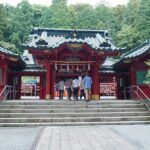
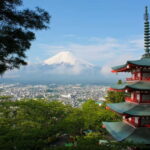
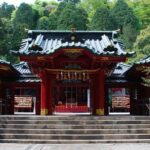
Hakone Hachiri turns a regular day into a time machine. You follow the Old Tokaido route through Hakone’s steep, historic passes, with stops that connect Edo-era travelers to Lake Ashi and the Torii at Hakone Shrine. Mt Fuji can steal the show along the way when the sky behaves, too.
What I like most is the way this feels both manageable and meaningful. You cover about 8 km on foot, then use local transport to keep the day efficient, with a certified mountain guide (wilderness first aid included) steering you. I also love that it’s a max-6 group size, so the pacing stays calm and you can ask real questions instead of shouting into a crowd.
One thing to consider: the price is fair for the guide and the structured route, but lunch and transportation are not included (plan on budgeting extra yen). Also, the tour is weather-dependent, so if conditions are bad you’ll have to switch dates or get a refund.
In This Review
- Key Highlights You’ll Actually Feel
- Hakone Hachiri: An Edo Trail With Real-World Movement
- Your Guide Matters More Than You Think (Aki / Akihiro)
- Meet at Hakone-Yumoto: The Day Starts With a Quick Lift to the Trail
- Wood-Crafts to Lake Ashi: A Route That Feels Like Edo-Day Traveling
- Cedar Trees and the Hakone Checkpoint: Where Movement Was Controlled
- Lunch in Hakone-machi: Fuel Between Hiking Legs
- Using Buses to Skip a Closed Section (So You Don’t Lose the Day)
- Yamanaka Castle Ruins: Fuji Angles on the Shizuoka Side
- Mishima Taisha and Genba River: Closing the Story in Mishima
- Price and Value: What $158.52 Really Covers
- What to Wear and Expect on a 7-Hour, 8-Km Day
- Who This Tour Fits Best (and Who Might Prefer Something Else)
- Should You Book Hakone Hachiri With a Certified Mountain Guide?
- FAQ
- FAQ
- How long is the Hakone Hachiri hike?
- How far will we walk?
- Where does the tour start and where does it end?
- Is lunch included in the price?
- What is included in the tour besides the guide?
- Are transportation fees between sites included?
- What about Mt Fuji sightings?
- How big is the group?
- What happens if the weather is bad?
Key Highlights You’ll Actually Feel
- Edo-era route, not just scenery: you walk heritage paths and learn how Hakone travelers moved between Edo and Kyoto.
- Small group max 6: smoother timing, better photo help, and more personal guide attention.
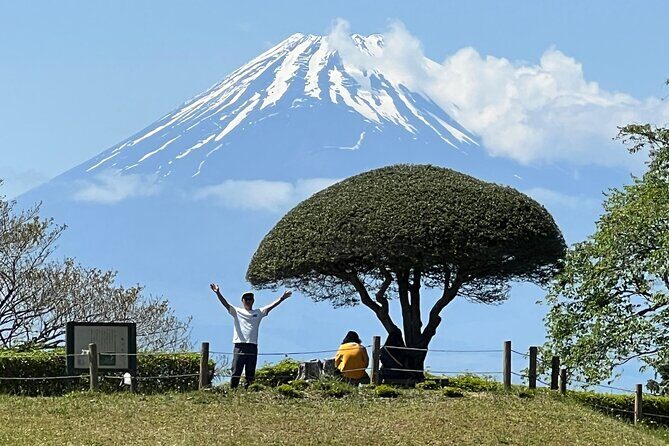
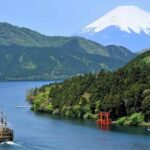
- Lake Ashi viewpoints: the shoreline walk and Torii spots aim you toward Mt Fuji when visibility is good.
- Checkpoint storytelling: you stop at the Hakone Checkpoint area and understand why it mattered.
- Guide with wilderness first aid: included for peace of mind on a mountain hike.
- Real logistical flexibility: buses help you bypass a temporarily closed section so you keep moving.
Hakone Hachiri: An Edo Trail With Real-World Movement
Hakone Hachiri is one of those routes where the setting isn’t just pretty—it’s functional. This is the kind of path Edo-period travelers used when the Old Tokaido Highway pulled people between major cities. The hike is designed to recreate that rhythm: walk hard uphill sections, then use transport where it makes sense, then walk again.
You start in Hakone-Yumoto and end in Mishima. That matters because you’re not doing a boring out-and-back. Instead, you’re tracing a line—Hakone’s mountain pass down toward Shizuoka—then finishing at a shrine and river that feel like a natural closing chapter to the day.
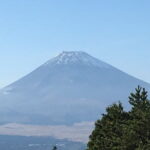
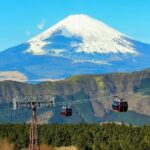
The route also gives you multiple shots at Mt Fuji. Views aren’t guaranteed (weather is king in this region), but the plan puts you in several spots where the angle can work.
You can also read our reviews of more guided tours in Hakone

Your Guide Matters More Than You Think (Aki / Akihiro)

This experience includes a national certified pro guide with wilderness first aid. That’s not a “nice to have” detail on a mountain day—it’s the difference between wandering and having someone actively manage the route, timing, and safety.
From the guide style shown in past groups (including Aki / Akihiro), you get a calm presence and strong history-and-place connections. One practical bonus: your guide also helps with photos, including family shots, so you’re not constantly handing your camera to strangers.
And because the group is capped at 6 travelers, you avoid the classic Japan hiking problem: losing people during stops and then rushing back down the trail just to wait less. Here, you slow down where it counts—at viewpoints and heritage points.
Meet at Hakone-Yumoto: The Day Starts With a Quick Lift to the Trail
The tour starts at 9:00 am at Hakone-Yumoto Station. From there, the plan uses a short shared taxi transfer to reach the trailhead area.
This is smart. You don’t waste energy on aimless getting-ready logistics. You also don’t show up “already warmed up” like some tours do—you begin with structure, then settle into steady walking.
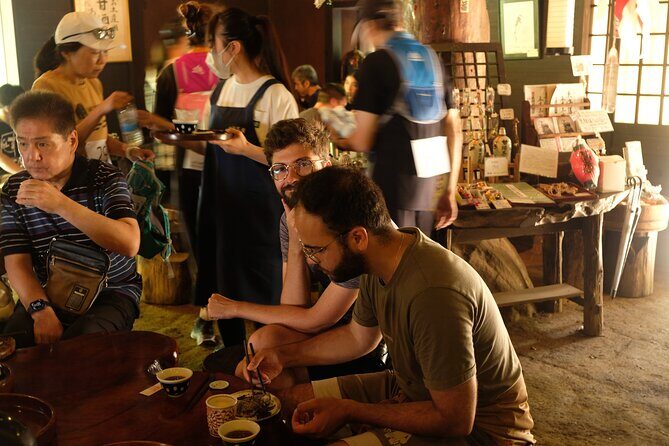
After about an hour of hiking, you reach the area around the Hakone Amazake Tea House and a wood-crafting village setting where artisans use traditional methods. You’ll see how crafts connect to local life here, not just as souvenirs but as a way communities made products in the mountains.
Tip: since amazake and snacks aren’t included, this is one of the places where you might want to budget a bit for a drink or small bites.
Wood-Crafts to Lake Ashi: A Route That Feels Like Edo-Day Traveling
After the craft-focused start, you move toward Lake Ashi via a combination of walking and local transport. Once you’re at Lake Ashi (Motohakone-Ko Pier), the day shifts from craft/forest tempo to open-water views.
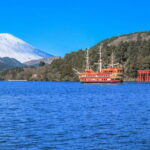
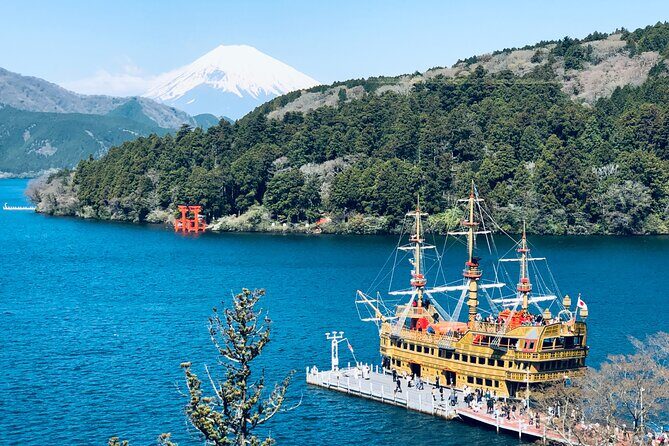
A highlight is walking along the shoreline to see the Heiwa no Torii, with Mt Fuji in the background when weather permits. This spot tends to be popular because it’s photogenic—but the guide value here is context: you’re not just taking a picture, you’re understanding why these landmarks sit where they do in Hakone’s traveler world.
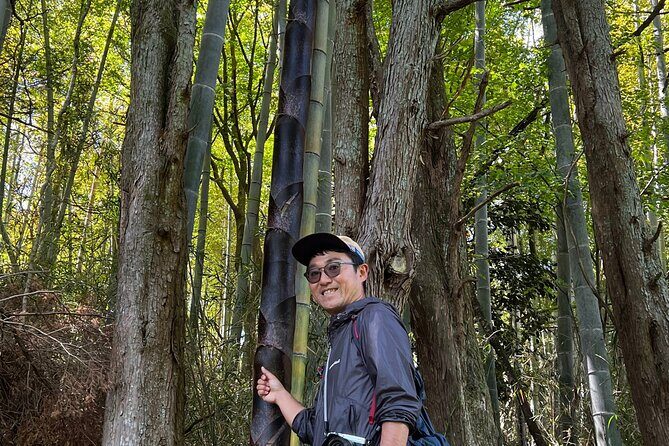
Then comes the cedar avenue experience on the Hakone Old Road side. You’ll pass a long section of tall cedars, which creates a cooler, shaded feel—especially helpful when you’re mid-hike and still building stamina for later.
Cedar Trees and the Hakone Checkpoint: Where Movement Was Controlled
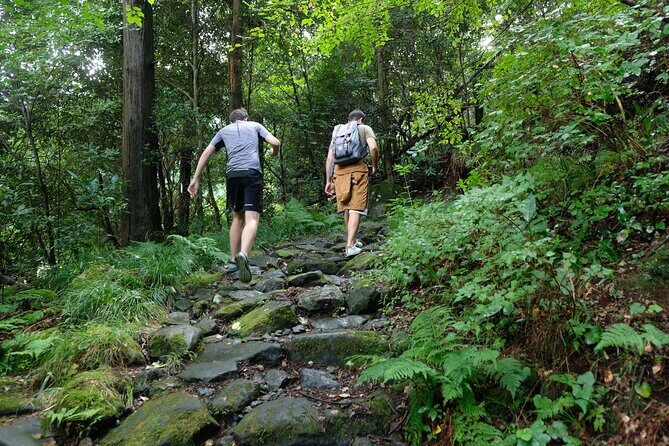
The cedar avenue leads you to the Hakone Checkpoint area, a point that works as both a visual pause and a lesson in how travel used to work.
Today you can move freely across the country with a train ticket and a map app. In the Edo period, travel was different. Checkpoints were a form of organized control—think of them like the formal gate where officials managed who went where and why.
Your guide explains the significance of this checkpoint in terms that make it easier to picture on the ground: who traveled, what kinds of goods or messages moved, and why Hakone mattered as a mountain crossing. It’s one of those stops that turns the walk into a story with stakes.
This section is also a timing reset. Even if you’re not a “history person,” you’ll appreciate the break because you’re about to transition to the next transport-and-walk rhythm.
You can also read our reviews of more historical tours in Hakone

Lunch in Hakone-machi: Fuel Between Hiking Legs
You’ll have lunch near Hakone Checkpoint / Hakone-machi area at a local Japanese restaurant. Lunch is not included in the tour price, so plan around the typical group lunch cost (around 2000 yen).
The lunch stop is practical: it breaks up the day before you head to the Shizuoka side trailhead. It’s also where the day transitions from the Hakone-focused heritage learning into the later ruins and river/shrine finish.
If you’re picky about timing, this is where you’ll be glad a guide is keeping the day structured. In Hakone, “we’ll figure it out” often turns into wasted time.
Using Buses to Skip a Closed Section (So You Don’t Lose the Day)
One smart detail: after lunch, you take a bus to bypass a portion that’s temporarily closed, then resume the walk.
This is exactly what you want on a heritage hike. The goal isn’t to “survive” an imperfect route; it’s to follow the meaningful sections while adapting to what’s realistic that day. The guide handles that transition so you keep momentum and don’t end up stuck at a barrier with no plan.
It also reinforces a core idea of Hakone Hachiri: it’s not only a single continuous footpath. Edo-period travel used different modes depending on terrain, access, and constraints.
Yamanaka Castle Ruins: Fuji Angles on the Shizuoka Side
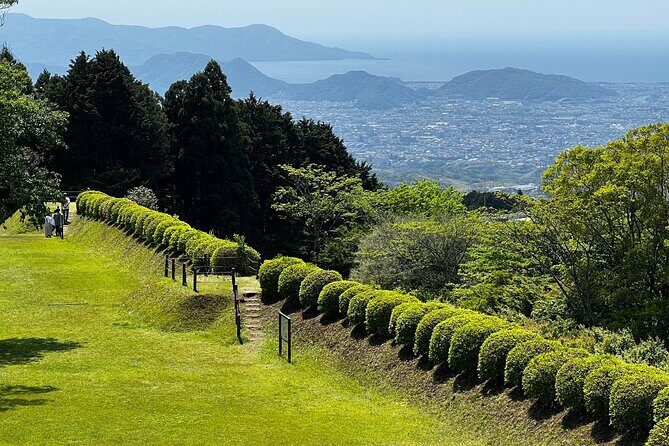
Next up is Yamanaka Castle Ruins, reached along the Hachiri heritage path. This stop is where the hike starts to feel more “strategic”—you’re moving through terrain that once mattered for control and defense.
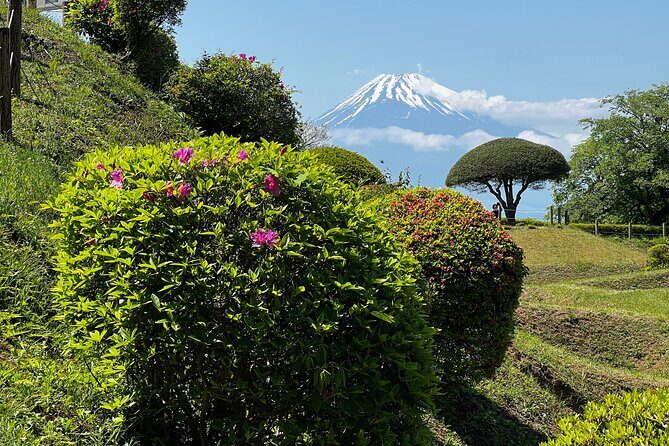
The ruins time is also another Mt Fuji opportunity. If the weather is clear, you might get views from this area as well. Even when Fuji is hidden, the ruins still give you a sense of scale: you’re in a mountain corridor that once demanded planning.
This is also a good moment to check your energy level. By now you’ve done enough walking that you’ll notice fatigue if your shoes aren’t right for you, but the rest of the route is built to keep the day doable.
Mishima Taisha and Genba River: Closing the Story in Mishima
You finish at Mishima Station (end of the tour), after visiting two Mishima landmarks: Mishima Taisha and Genba River.
This ending feels satisfying because it’s not just “get off the bus and go home.” You end in a religious and riverside setting, which helps the day feel like a full route instead of a string of disconnected stops.
From Mishima Station, you can take the Shinkansen back toward Odawara (about 15 minutes, around 2500 yen) or continue to Tokyo (about 45 minutes, around 4400 yen). Shinkansen fare is not included, so plan for that if Tokyo is your final destination.
Price and Value: What $158.52 Really Covers
At $158.52 per person, you’re paying mostly for the guide and the structure of the day. The tour includes the certified mountain guide with wilderness first aid, and the group is capped at 6, which helps quality stay high.
What’s not included:
- Lunch (around 2000 yen)
- Transportation fees to the trailhead and between sites (around 2000 yen by shared taxi or buses)
- Amasake and snacks
- Shinkansen fare from Mishima to Odawara or Tokyo
So the all-in cost depends on how much you eat and drink, and how you get back. But the value is that you’re not guessing your way through a complex day with buses, a heritage route, and timing windows for views.
Also, the tour often gets booked about 61 days in advance on average. If you’re traveling in a busy season, early booking is smart, especially for small-group hikes.
What to Wear and Expect on a 7-Hour, 8-Km Day
This isn’t described as a beginner crawl, but it is framed as a hike for people with moderate physical fitness. You’ll walk about 8 km total, though the overall day is around 7 hours because of transfers and stop time.
I’d plan for:
- Trail walking that can include uneven surfaces
- A day that mixes uphill effort with breaks and transport
- Weather changes in Hakone (forest areas can feel cooler, and clouds can roll in)
Because the tour requires good weather, keep an eye on forecasts close to departure. If it gets canceled due to poor conditions, you’ll be offered a different date or a full refund.
Who This Tour Fits Best (and Who Might Prefer Something Else)
This Hakone Hachiri hike is a great match if you want history that you can physically trace. The Old Tokaido angle makes the route feel purposeful, and the checkpoint and ruins stops turn “walking” into “understanding.”
It also fits well if you prefer a smaller group and clear guidance. If you hate waiting around, this format is useful: you combine walking with local transport and have someone managing the flow.
You might choose a different style of tour if:
- You want a purely museum-style experience (this is outdoors, and weather matters)
- You don’t want to budget for lunch and transport on top of the tour price
Should You Book Hakone Hachiri With a Certified Mountain Guide?
I’d book it if you like day trips that feel like you’re moving through a route, not just checking boxes. The mix of heritage walking, Lake Ashi viewpoints (with Torii and Fuji potential), and a structured ending in Mishima makes it feel like a complete itinerary rather than a scatter of stops.
Book with confidence if small-group hiking and a guide who can connect places to how people traveled in the Edo era appeals to you. And if you’re flexible with weather, you’ll likely come away with that rare combo: scenic Hakone and a story that clicks.
FAQ
FAQ
How long is the Hakone Hachiri hike?
The tour runs about 7 hours (approx.).
How far will we walk?
You’ll hike around 8 km during the tour.
Where does the tour start and where does it end?
It starts at Hakone-Yumoto Station and ends at Mishima Station.
Is lunch included in the price?
No. Lunch is not included and is around 2000 yen for the group.
What is included in the tour besides the guide?
The included item is the national certified pro guide with wilderness first aid certificate. Admission tickets for the listed stops are shown as free, but lunch and transportation costs are not included.
Are transportation fees between sites included?
No. Transportation fee to the trailhead and between sites is around 2000 yen by shared taxi or buses.
What about Mt Fuji sightings?
Mt Fuji views are possible from different points during the walk if weather permits, but they are not guaranteed.
How big is the group?
The tour has a maximum of 6 travelers.
What happens if the weather is bad?
If the experience is canceled due to poor weather, you’ll be offered a different date or a full refund.