REVIEW · TOKYO
From Tokyo: Mt.Fuji, Lake Kawaguchi, Oshino Hakkai Day Tour
Book on GetYourGuide →Operated by Japan Holiday Travel · Bookable on GetYourGuide
Mount Fuji days can make or break your trip. This one-day route gives you a structured way to hit the big view stops plus classic Fuji side trips without fighting transit all day. I especially like the chance to visit the Mount Fuji 5th Station in warmer months and the focused time at Oshino Hakkai for those iconic spring-fed ponds. One drawback to consider: the day includes walking—especially the trek from the shopping street up toward Arakura Fuji Sengen Shrine.
What makes this tour feel practical is the pacing. You get photo stops and time to actually look around at key points like Oishi Park, Lake Kawaguchiko for a short matcha lesson, and Oshino Hakkai, then you cap it with the shrine viewpoint area. Guides can also bring the trip to life; in past tours, guides named Arpan, Toni, and Diffany were praised for being friendly and sharing useful travel tips.
If you’re sensitive to crowds, weather, or schedule changes, plan for flexibility. The 5th Station is weather-dependent and the route can be adjusted due to traffic and conditions, so you’ll get the best attempt at the highlights rather than a guaranteed checklist.
In This Review
- Key things I’d plan around before you go
- How the Fuji loop works from Tokyo Mode Gakuen
- Mount Fuji 5th Station vs Oishi Park: what you’ll actually get
- Oishi Park photo stop: a calmer Fuji break
- Lake Kawaguchiko and the matcha lesson you can actually use
- Oshino Hakkai ponds: the Fuji “water memory”
- Hikawa Clock Shop quick stop: fun, fast, and optional-feeling
- Arakura Fuji Sengen Shrine: the viewpoint with the walk
- Price and value: why $51 can make sense
- Who this day trip suits best (and who should skip it)
- Tips to get the best experience (without stressing yourself out)
- Should you book this Tokyo to Mount Fuji day tour?
- FAQ
- Where is the meeting point for the tour?
- How long is the day trip?
- What language will the guide speak?
- Is lunch included?
- What is included in the matcha experience?
- Do I pay entrance fees during the tour?
- Will I definitely visit the Mount Fuji 5th Station?
- Is the tour wheelchair friendly?
- What’s the cancellation policy?
Key things I’d plan around before you go
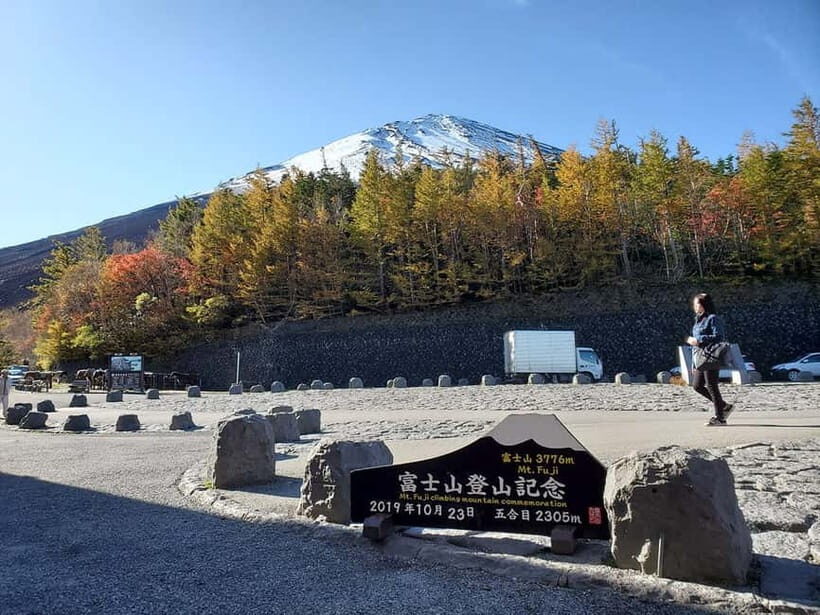
- Mt. Fuji 5th Station timing: goes in summer/spring; otherwise it’s replaced with Oishi Park during winter-season periods.
- A short, real matcha moment: you make matcha and snack as a simple tea ceremony experience (about 30 minutes).
- Oshino Hakkai ponds in one hour: enough time for photos and a relaxed loop without feeling rushed.
- The Arakura shrine walk: budget time and comfortable shoes for the about-25-minute walk from the shopping street.
- Guide support in two languages: English and Mandarin spoken during the day.
- Group-day reality: traffic and weather can shift the order or skip certain stops.
How the Fuji loop works from Tokyo Mode Gakuen
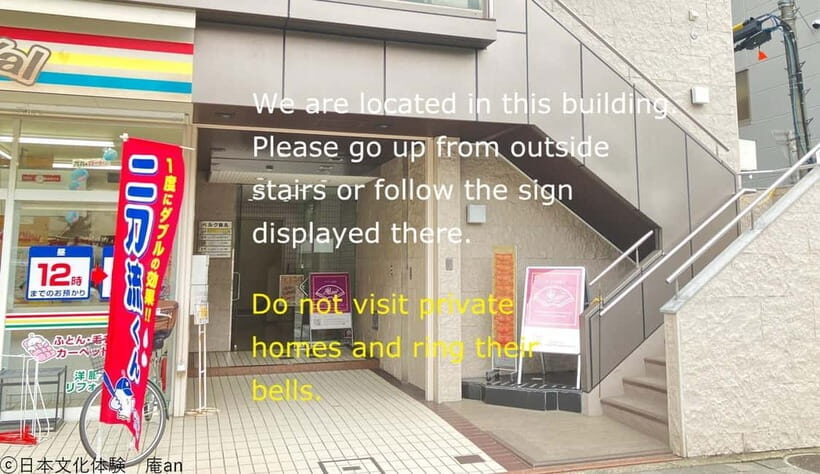
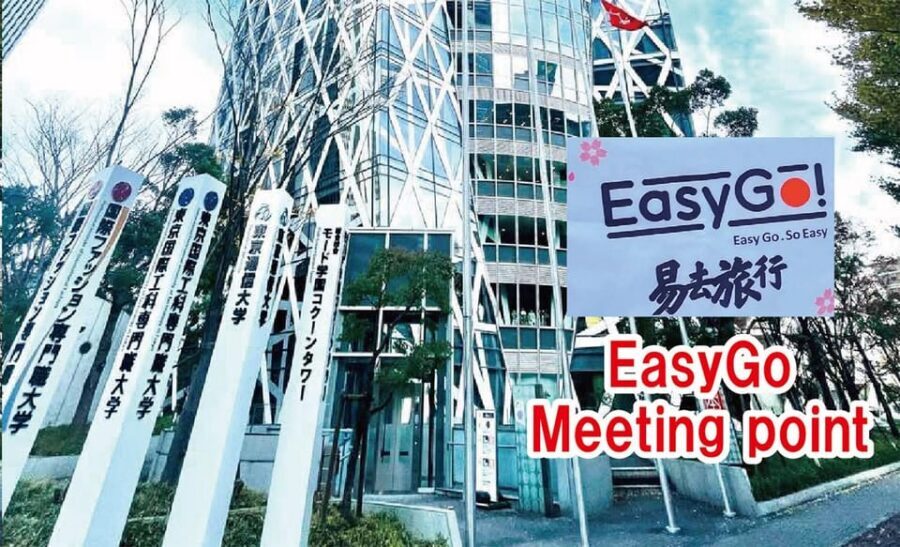
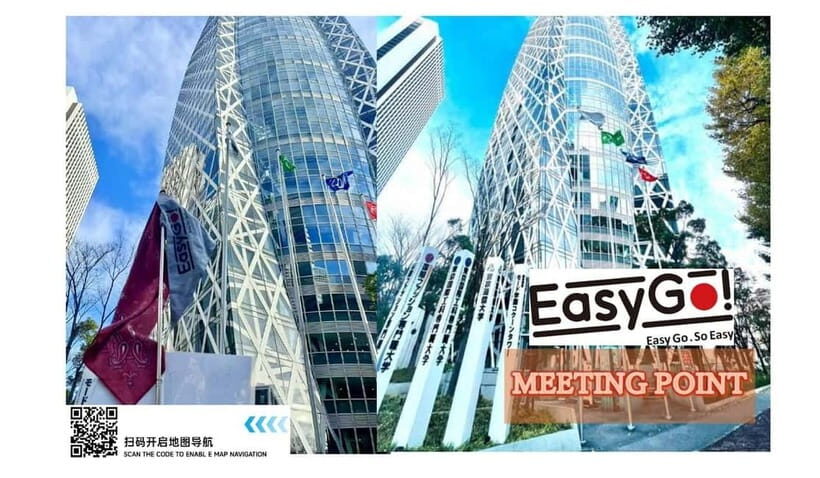
This is a full-day bus tour built for people who want Fuji highlights with less logistical stress. You meet at Tokyo Mode Gakuen, and the guide will be holding an EASYGO flag. It’s a tight but workable morning routine: meet at 7:50, depart at 8:10.
Once you’re on the bus, you’re basically locked into the rhythm of a day trip. You’ll spend about 2.5 hours getting out to the Fuji area, then break the day into clear sightseeing blocks—photo stops, short walks, and a couple of longer viewpoint visits. That structure matters because Fuji days are often about timing, not just destinations.
Here’s the reality check: this is a one-day loop, so you’ll move. That can be great if you want maximum coverage; it can be less ideal if you’re the type who wants to linger for hours in one place. Also, the tour notes that the plan can adjust based on weather and traffic, and some spots might be skipped if conditions require it.
You can also read our reviews of more tours and experiences in Tokyo.



Mount Fuji 5th Station vs Oishi Park: what you’ll actually get
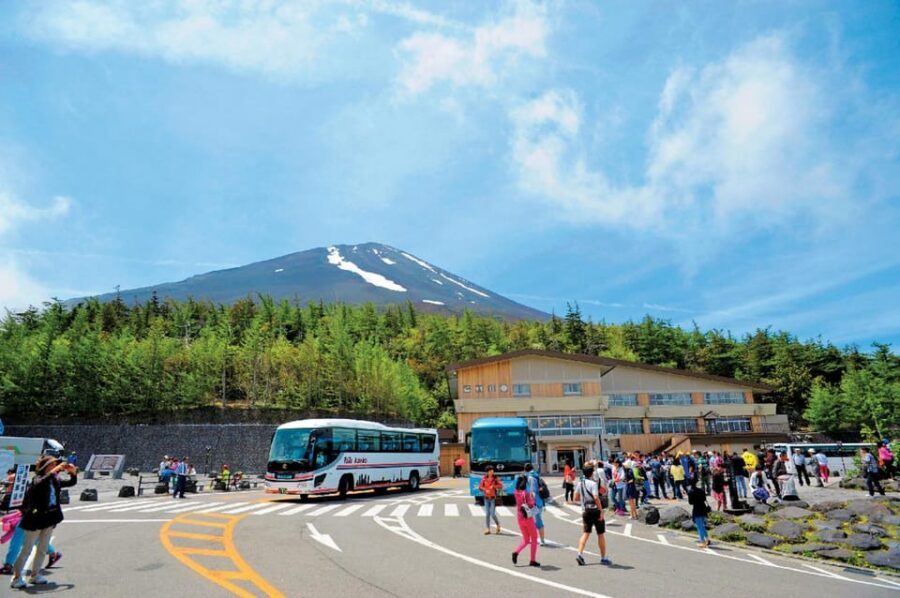
The headline stop is Mount Fuji 5th Station, but when you go changes what you’ll see. In summer and spring, you’ll visit the 5th Station for about one hour for photos and sightseeing. In winter-season periods (around mid-November to April next year), the 5th Station visit is replaced with a trip to Oishi Park.
This matters because the experience feels different depending on the season. The 5th Station is about getting close to the mountain’s altitude and scale—perfect for that “this is really happening” feeling. Oishi Park, on the other hand, is a scenic viewpoint area where you still get Fuji views, just with a more park-and-garden vibe.
Also note that the 5th Station visit is weather-dependent. That means fog, strong wind, or poor visibility can affect what’s possible that day. If you’re booking with the mindset of seeing Fuji no matter what, go in with flexibility and focus on the areas where you can still enjoy the day even if clouds roll in.
Oishi Park photo stop: a calmer Fuji break
After the morning bus ride, the tour includes Oishi Park as a photo stop and sightseeing time. It’s scheduled for about one hour. Even if you still visit the 5th Station, this gives you a second chance at Fuji views from a different angle.
I like Oishi Park because it acts like a breather. You’re not sprinting between towns—you’re allowed to pause, take photos, and breathe while you look toward the lake-side Fuji views. If you’re going in a season when the 5th Station is replaced, this stop becomes even more important. In other words: this is the tour’s “scenic reliability” layer.
If you’re the type who plans your photos carefully, treat this hour as your open window. Fuji visibility can change fast, so having dedicated time here helps you avoid the feeling of chasing the mountain at the last second.
Lake Kawaguchiko and the matcha lesson you can actually use
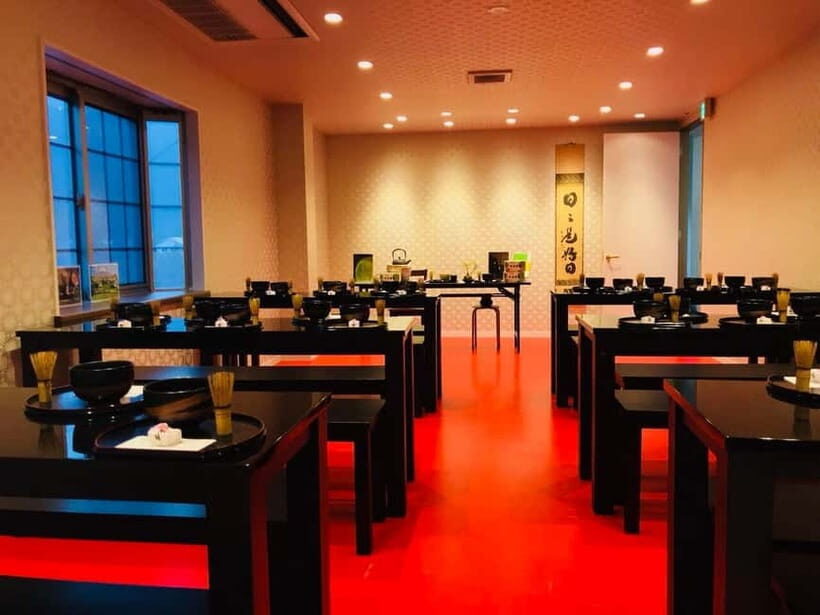
Next up is Lake Kawaguchiko, where you get time to slow down and do something hands-on. You’ll have a guided matcha experience for about 30 minutes. The teacher leads everyone in making Japanese matcha, and you’ll also be provided Japanese snacks.
This part is worth it because it’s not just sitting and watching. You’ll learn the basics of preparing matcha in a guided, simple format, which makes it feel like a real cultural moment instead of a rushed add-on. The tour also describes it as a straightforward tea ceremony experience—so manage expectations: it’s not a full-length ceremony, and it’s designed as a short activity you can fit into a sightseeing day.
Practical note: because lunch isn’t included, your matcha-and-snacks timing can matter. The tea snack helps, but don’t assume it replaces a full meal. If you tend to get hungry during bus rides, you might want to bring small water or plan to find something later after the sightseeing blocks.
Oshino Hakkai ponds: the Fuji “water memory”
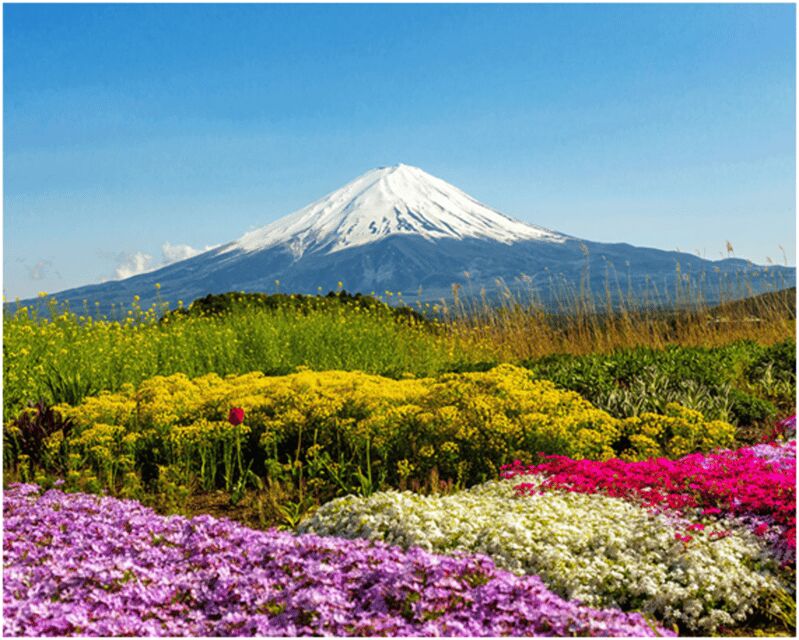
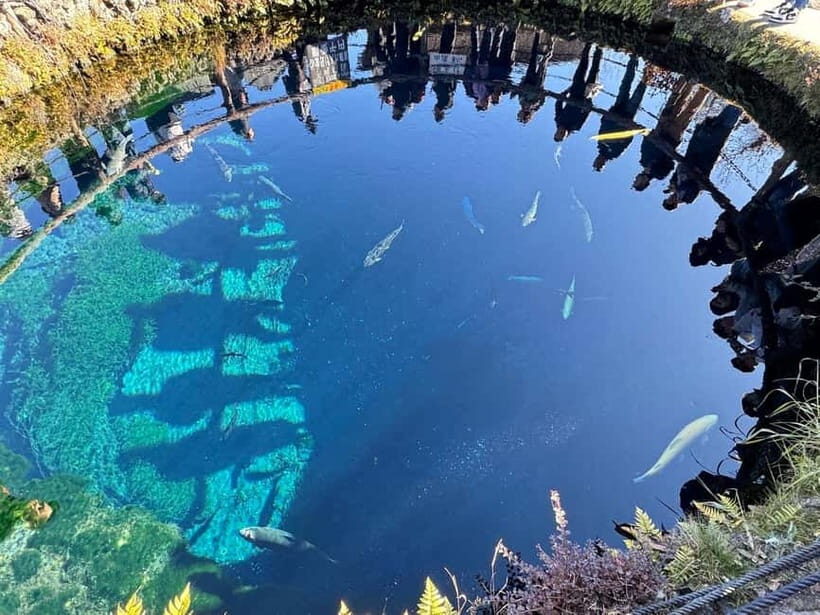
Then comes one of the most photogenic stops on the route: Oshino Hakkai, the collection of eight ponds formed by melted waters from Mount Fuji. You get about one hour here for photo stops and sightseeing.
This stop works well for a day trip because it rewards a slower pace without needing hours. You can walk between the pond areas, snap photos, and take in how the spring water shapes the place. It’s also a nice contrast after mountain viewpoints and lake scenes—you’re suddenly focused on water, reflections, and the small details that make Fuji’s mythology feel grounded.
One thing to keep in mind: one hour is enough to see the main pond area, but it’s not enough for wandering far beyond the core loop. So if you want that “quiet contemplation” vibe, be selective. Spend your time where the reflections and angles are best rather than trying to cover every possible corner.





Hikawa Clock Shop quick stop: fun, fast, and optional-feeling
After Oshino Hakkai, the tour includes a photo stop and short sightseeing/walk at Hikawa Clock Shop. Time here is listed around 10 minutes.
I treat this kind of stop as a quick palate cleanser. It’s not the main story of the day, but it gives you a chance to grab a few photos and experience a small, local-feeling shop stop before the final viewpoint push. If you’re the type who hates being rushed, you’ll still be fine here because the time block is short.
If you want to shop for souvenirs, keep it simple and move quickly. This isn’t the place for a long browse.
Arakura Fuji Sengen Shrine: the viewpoint with the walk
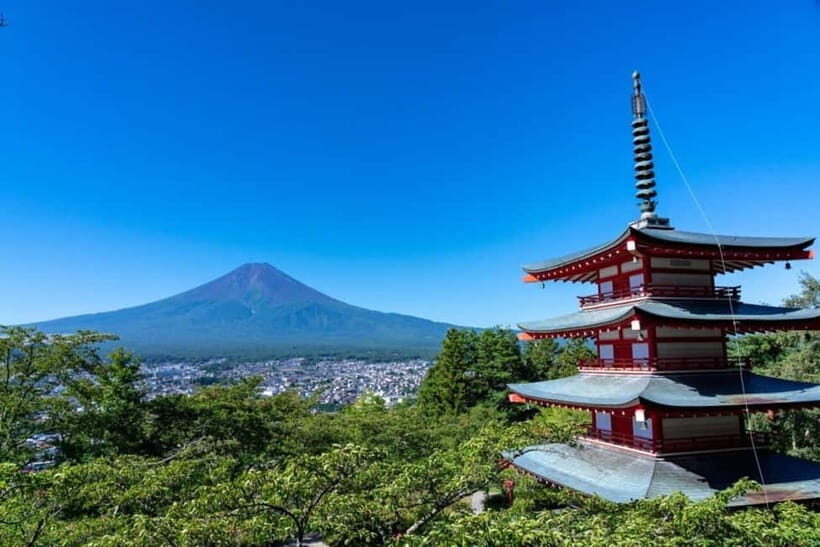
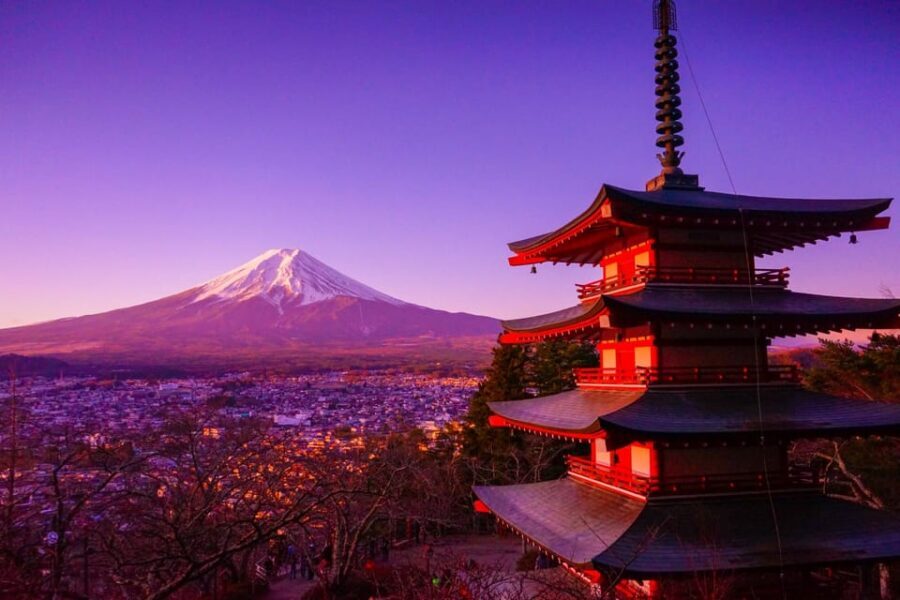
The final major highlight is Arakura Fuji Sengen Shrine. You’ll get a guided tour and sightseeing time for about 40 minutes. But first, plan for the part people often underestimate: visitors need to walk about 25 minutes from the shopping street up to the shrine.
That walk is a big deal. You’ll want comfortable shoes, and you’ll want to pace yourself—especially if it’s chilly or windy. The good news is that this is also where the reward tends to feel worth it: you’re aiming for one of the best spots to view Mount Fuji on this route.
The tour notes “Shinkura Fuji Asama Shrine” as another great viewing spot on the day, and the final shrine area is the moment that typically delivers the classic postcard view. If the weather is clear, this is where you’ll feel the day pay off.
Price and value: why $51 can make sense
At about $51 per person for the day, the price looks low for a one-day bus tour that covers multiple major Fuji-region stops. The big value is that transportation is included: you’re paying for a morning to evening route that would be harder to stitch together on your own without a lot of time and planning.
What you should factor in: lunch isn’t included, and attraction entrance fees aren’t included. So the final “spend in the field” can be higher once you add any entrance tickets or optional purchases. But for many people, the main value here is not just getting to places—it’s not needing to coordinate trains, bus transfers, and timing between sites.
Also, you get a live guide who speaks English and Mandarin. That’s useful when you want context fast—especially on a day like this where schedules can shift and you’ll be asking yourself what you’re looking at. The guide quality is a major theme in the positive feedback for this tour style, with guides like Arpan, Toni, and Diffany noted for being friendly and for adding extra travel tips beyond the itinerary.
Who this day trip suits best (and who should skip it)
This tour fits best if you want a structured Fuji day with minimal planning stress. I’d say it’s ideal for:
- First-timers who want major stops in one day
- People who prefer bus tours over self-transporting across the Fuji area
- Travelers who value guided interpretation and a short cultural activity (the matcha experience)
It’s less ideal if:
- You have limited stamina for walking. The about-25-minute walk up to Arakura Fuji Sengen Shrine is a real factor.
- You’re going with someone who struggles with long days and schedule changes. The itinerary can adjust due to traffic and weather.
- You’re expecting guaranteed 5th Station access. Weather can replace that plan with Oishi Park instead.
One more note from the details you’re given: while the tour is listed as wheelchair accessible, it also says it’s not suitable for wheelchair users. That’s a hint that the walking requirements and shrine approach are the problem. If mobility is a question, I’d treat comfortable walking as a requirement.
Tips to get the best experience (without stressing yourself out)
A few small choices can make the day smoother.
First, dress for mountain weather. Fuji-area conditions can feel different from Tokyo, and wind and cloud happen. You’re outside at viewpoints, and you also have that walk up toward the shrine.
Second, treat the morning as the “photo-critical” period. Your 5th Station (in-season) and Oishi Park time are set up to capture those Fuji views. Then plan to enjoy the rest of the day even if clouds roll in—you still have Oshino Hakkai and the shrine area.
Third, keep your energy for the walk at Arakura. You’ll be rewarded there, but you need legs for it. If you’re deciding what to wear, choose comfort over style. Your future photos will thank you.
Finally, if your language needs are strict, know that the guide uses English and Mandarin during the tour. If you need another language, this tour doesn’t support that.
Should you book this Tokyo to Mount Fuji day tour?
Book it if you want the classic Fuji highlights in one organized day, and you’re okay with a bus schedule plus some walking. The matcha experience gives you a real activity, and Oshino Hakkai is one of those stops that feels best when you can just focus on the ponds and photos without planning transit.
Skip it or choose another option if you strongly need a low-walking, slow-paced day. The about-25-minute walk to Arakura Fuji Sengen Shrine is the deal-breaker for some people, and the weather-dependent 5th Station plan adds uncertainty.
If your top priority is seeing Mount Fuji from multiple angles with a guide and tight logistics, this tour is a solid value at around $51—especially because transportation is included and you’re not dealing with transfers all day.
FAQ
Where is the meeting point for the tour?
The meeting point is Tokyo Mode Gakuen. You’ll find the guide holding an EASYGO flag there, and the scheduled meet time is 7:50 with an 8:10 departure.
How long is the day trip?
The tour runs as a one-day experience. It includes significant bus travel plus sightseeing stops, returning to Tokyo Mode Gakuen at the end of the day.
What language will the guide speak?
The guide provides live commentary in English and Mandarin.
Is lunch included?
No, lunch isn’t included.
What is included in the matcha experience?
You’ll have a simple tea ceremony experience at Lake Kawaguchiko. It includes making matcha with a teacher and enjoying Japanese snacks, with a stay of about 30 minutes.
Do I pay entrance fees during the tour?
Attraction entrance fees are not included, so you should expect to pay any applicable fees on-site.
Will I definitely visit the Mount Fuji 5th Station?
In summer and spring, the tour includes the 5th Station visit. During winter-season periods around mid-November to April, the 5th Station visit is replaced with a trip to Oishi Park, and the 5th Station visit can also change based on weather.
Is the tour wheelchair friendly?
Wheelchair accessibility is listed, but it’s also noted as not suitable for wheelchair users. The tour includes walking, including about a 25-minute walk from the shopping street to Arakura Fuji Sengen Shrine.
What’s the cancellation policy?
Free cancellation is available up to 24 hours in advance for a full refund.