REVIEW · HIROSHIMA
Hiroshima & Miyajima: UNESCO A-Bomb Dome & Itsukushima
Book on GetYourGuide →Operated by Local Gem Tour Hiroshima · Bookable on GetYourGuide
Hiroshima hits different with a local guide. This private day links Miyajima’s UNESCO Itsukushima Shrine with Hiroshima’s Peace Memorial sites, using a route built around real timing (like tides) and human stories passed down in local families. The result is sightseeing with context you won’t get from a basic route card.
I especially love how the day balances spiritual Miyajima calm with the sobering weight of Hiroshima. And I like that you get real personal perspective from Hiroshima-born guides, including second-generation atomic bomb survivors, plus smart, practical help moving across trains, ferries, and tram.
The one possible drawback: the Peace Memorial Museum and nearby sites are emotionally intense, and your schedule can shift with tide and walking/public-transport choices. If you’re hoping for a light, casual outing, this might feel heavier than you planned.
Key reasons this tour works so well
- Local guides with family connection to August 6, not just facts from a screen
- Miyajima timing for the floating Torii (when conditions allow)
- A UNESCO day that connects shrine beauty and peace memorial meaning
- Photo stops plus photo guidance, with photography data provided afterward
- Flexible pacing in a private format, so you can slow down or speed up
- Tickets handled for Shukkeien Garden and the Peace Memorial Museum
In This Review
- Why Miyajima and Hiroshima Feel Like Two Different Kinds of Time
- Local Guides With Family Stories From August 6
- Miyajima Island: Itsukushima Shrine, Floating Torii, Deer, and Temple Details
- Omotesandō Street Time: Workshops, Lunch, and Local Snacks
- Returning to Hiroshima: Shukkei-en Garden and a Smart Castle Stop
- Atomic Bomb Dome, Hypocenter, and Peace Park: What to Notice
- Peace Memorial Museum: Emotional, Guided, and Best When You Control Your Pace
- Price and Logistics: Is $177 Good Value for This Kind of Day?
- Who Should Book, and Who Might Want a Different Plan
- Should You Book This Hiroshima & Miyajima Private Tour?
- FAQ
- FAQ
- What are the main places covered on this tour?
- How long is the tour?
- Is the tour private, and what languages are offered?
- What’s included in the price?
- Do I need to pay for transportation and food separately?
- Is the Peace Memorial Museum ticket included, and is there a ticket line?
- Is the tour wheelchair accessible?
Why Miyajima and Hiroshima Feel Like Two Different Kinds of Time
Most day trips try to check boxes: shrine, garden, dome, museum, done. This one works because it treats the day like two chapters with different rhythms. First, Miyajima moves at a calmer pace—temple steps, shrine views, and that peculiar peace you get when the island feels like it’s holding its breath. Then Hiroshima shifts gears, and the tour asks you to pay attention in a different way.
You’re not just going to famous places. You’re learning how locals think about them. That sounds soft until you’re standing at the Peace Memorial sites and realizing how memory is carried forward in ordinary family conversations—not only in monuments.
The tour is also built for the real-world stuff that matters: tides at Miyajima, walking vs. transit, and the fact that public transportation is great when you know how to use it. You get that local choreography, so you don’t waste time hunting down transfers while trying to take in the view.
Local Guides With Family Stories From August 6
Here’s the big difference maker: the people guiding you aren’t only professionals. Many are Hiroshima-born, and the experience includes guides with second-generation atomic bomb survivor perspectives. That means you’ll hear stories shaped by family memory—what was taught, what was protected, what was rebuilt.
In real terms, this changes how the stops land. Instead of reading the tragedy as a timeline, you start understanding it as inherited responsibility. You’ll still get the historical facts, but you’ll also hear the “how families live with that history” layer—loss, recovery, and hope, passed along through generations.
And the guide quality matters because the day covers a lot of emotional ground. Tour guides in this format often become your buffer: they translate the meaning, pace the group, and answer questions without making it feel like a lecture. Names that show up in recent bookings include Masa (Masayo Kobayashi) and Yuka, both praised for thoughtful explanations and for adjusting to what the day needs.
A quick practical note: you can ask for specific adjustments. I like that the tour is private, so you can mention a priority—like adding Hiroshima Castle—and the guide can shape the flow around it when possible.
You can also read our reviews of more tours and experiences in Hiroshima.
Miyajima Island: Itsukushima Shrine, Floating Torii, Deer, and Temple Details
Your day starts on Miyajima Island, home to the UNESCO Itsukushima Shrine area. Even if you’ve seen photos of the famous Torii Gate, being there changes the scale. The shrine complex isn’t just a backdrop; it’s designed around water, worship, and visibility.
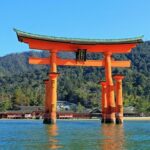
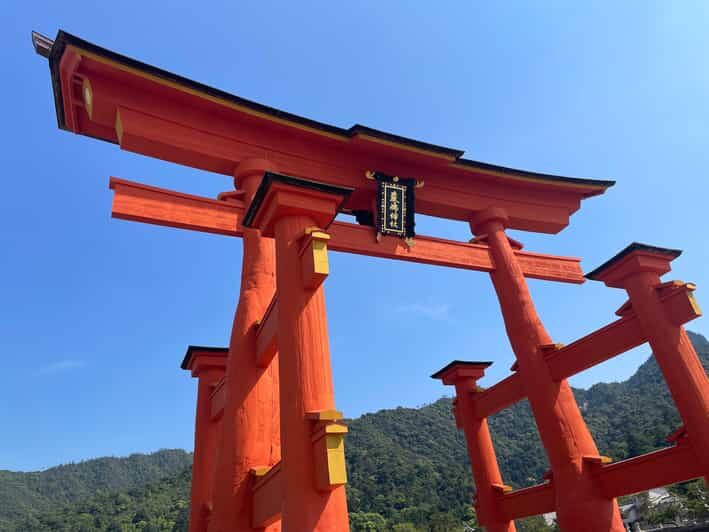
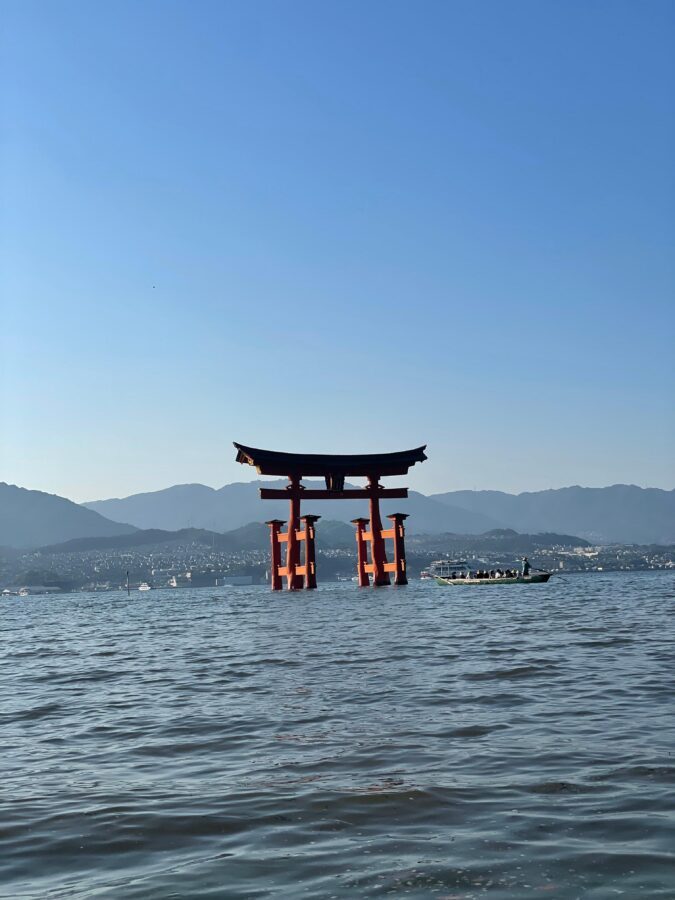
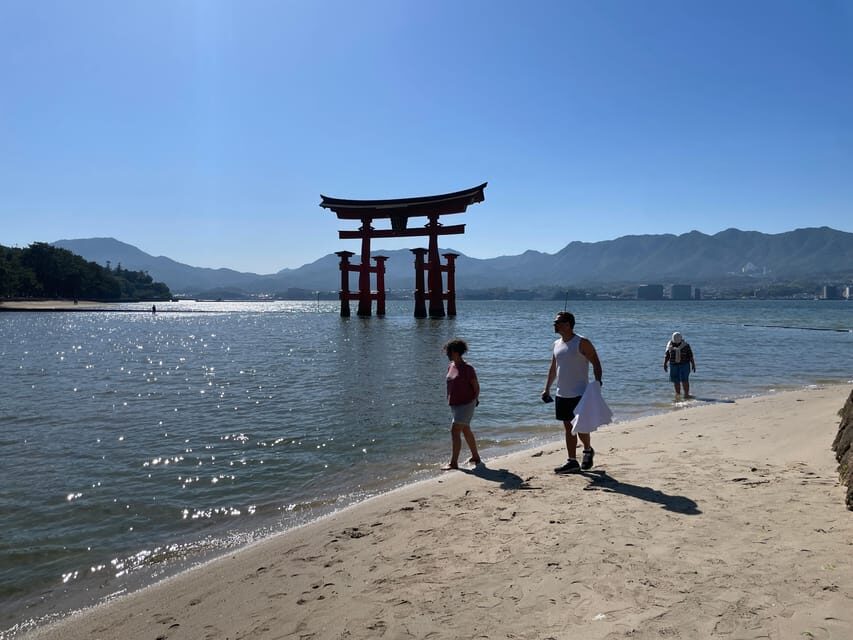
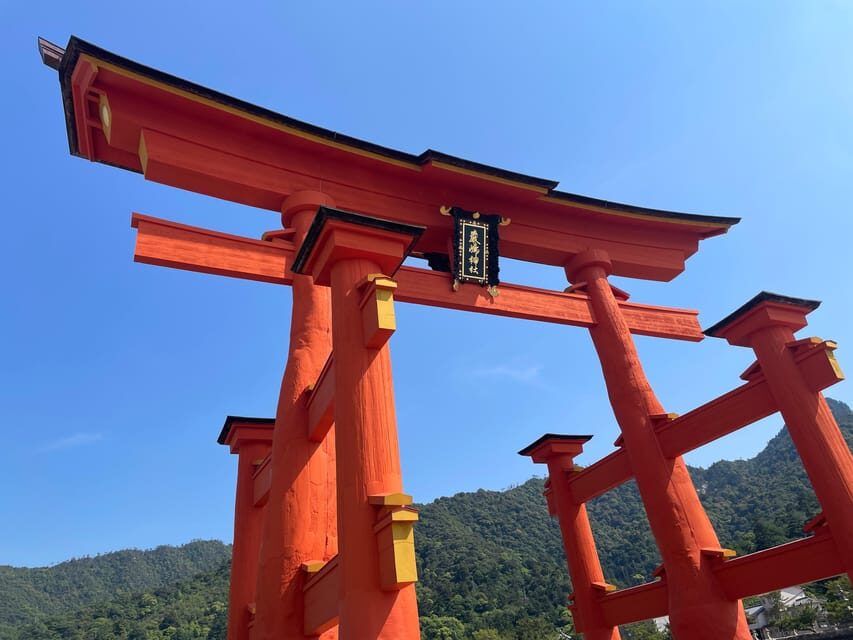
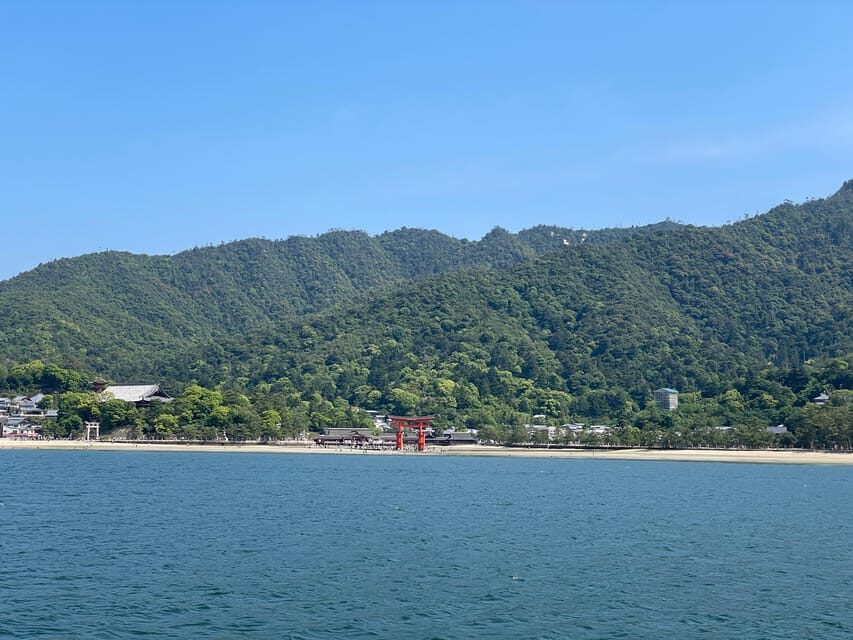
One of the standout elements is the Itsukushima Floating Torii Gate photo stop. Timing depends on tides, so the guide may adjust the order to improve your odds of seeing it as it’s meant to look. You’ll also get a guided walk that helps you understand what you’re seeing—how the shrine’s setting and symbolism connect to the island’s identity.
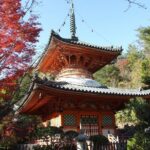
Next comes shrine time with room to breathe. After that, you’ll head toward Daishoin, with a guided visit plus photo stops along the way. This is the part where Miyajima stops feeling like a postcard and starts feeling like a living place. You might spot wild deer (they’re part of the island’s everyday scene), and the atmosphere tends to be unhurried compared to the city.
Then there’s Senjokaku Pavilion—another strong “look closer” moment. It’s memorable partly because it has that in-between feeling: grand and ceremonial, but also a reminder that places endure through changing times.
If you want one simple takeaway for Miyajima: go slower than you think you need to. The island works best when you’re not trying to rush between photo angles.
Omotesandō Street Time: Workshops, Lunch, and Local Snacks
Miyajima’s Omotesandō Shopping Street is more than “shop now, snack later.” The tour includes a workshop segment here, and then you get lunch, street food, and regional shopping.
This is also where the guide’s taste becomes useful. You’ll get ideas for what to try beyond the obvious tourist treats. For example, I’d keep an eye out for island favorites like momiji manju (a Miyajima-origin maple-shaped sweet) if it’s available during your visit.
Lunch time is generally where the day refuels for the heavier Hiroshima portion. Some days run on ferry and tram schedules, and if you skip a real meal, the afternoon can feel harder than it needs to. Here, you’re given that built-in chance to eat, browse, and reset before heading back.
A practical heads-up: this portion includes optional workshop time, and your spending outside the included meal/shopping is up to you. If you’re the type who hates “shopping pressure,” focus on eating and wandering and skip anything you don’t want to buy.
Returning to Hiroshima: Shukkei-en Garden and a Smart Castle Stop
After Miyajima, you head back toward Hiroshima. The route uses public transportation for the day, including a tram portion, though the tour can also use taxi if you want it. That choice matters if your feet are already tired from shrine steps and island walking.
One highlight that I think more people should notice: Shukkei-en Garden. The tour includes entry tickets here, and this is a great palate cleanser before you face the most serious sites. It’s also a chance to slow your brain down. After Miyajima’s religious setting, Shukkeien’s garden calm shifts the mood into something quieter and more reflective.
Then there’s Hiroshima Castle as a photo stop plus guided visit. Even if you don’t go deep into castle museums, the point is timing and context. The castle stop helps re-balance the day so you don’t only experience Hiroshima through its 20th-century trauma. The city has other stories too, and the tour gives you a brief look at that.
Atomic Bomb Dome, Hypocenter, and Peace Park: What to Notice
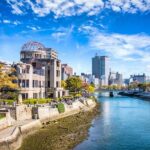
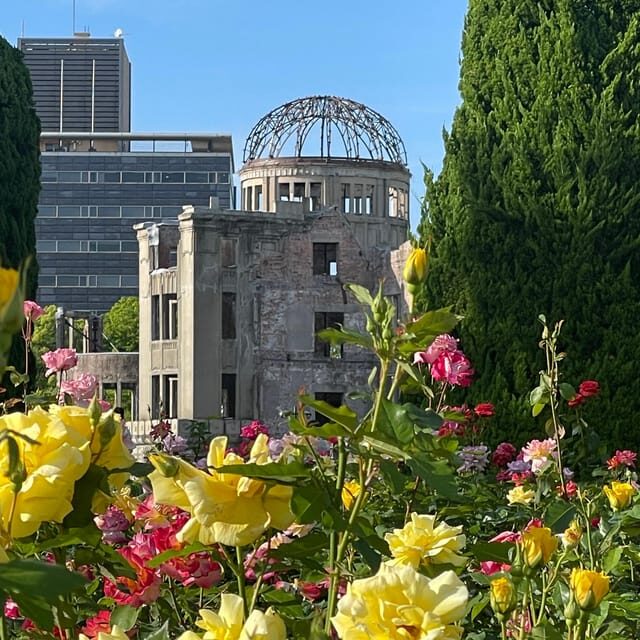
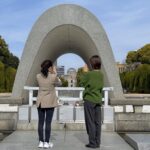
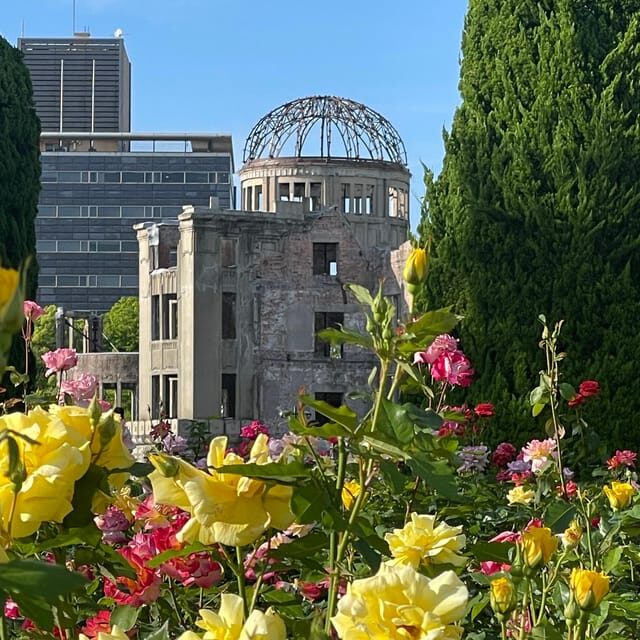
The Hiroshima stops are the heart of the day. You’ll visit the Atomic Bomb Dome, the Hypocenter area, and Hiroshima Peace Memorial Park, plus the Children’s Peace Monument. The tour design includes guided explanations with photo stops, then time to take it all in.
What’s most striking here isn’t the number of sights. It’s the way the spaces guide your attention. The Dome is a single image that refuses to become only a photo. Up close, it’s easier to feel the shock of how something so physical can also represent an idea: the cost of war and the insistence on peace.
Then the Hypocenter stop adds meaning. Without turning it into drama, the guide helps you connect the location to what happened and why it matters now. This is also where family stories can do something subtle. Facts are still facts, but when your guide shares how their family carried memories forward, you start seeing the sites as living reminders—not just museum exhibits.
The Peace Park sequence is thoughtful, not rushed for the sake of checking off. You’ll have time in the park area before moving to the museum.

Peace Memorial Museum: Emotional, Guided, and Best When You Control Your Pace
The tour includes entry to the Peace Memorial Museum, plus a guided visit (about 1 hour). This is one of those places where “time” matters more than speed. Too little and you miss the shape of the story. Too much and it can feel overwhelming.
Because the tour is private, you can manage your pace better than on a crowded group day. You’ll likely get guidance on what to focus on first, and you can ask questions as you go. Many people find museum visits intensely emotional, and it’s normal to want to pause. If you start to feel too much, take breaks when the guide suggests them—or just stand quietly for a minute and regroup.
Important scheduling note: the Peace Memorial Museum is closed Feb. 16–21 due to renewal. If your trip falls in that window, you’ll want to plan around that and confirm the day’s flow with your guide before you go.
Also, the tour includes data delivery for your photos. That’s a small mercy on a day when you may not feel like photographing much. You can focus on looking and listening.
Price and Logistics: Is $177 Good Value for This Kind of Day?
At $177 per person for a roughly 7-hour private tour, this isn’t a budget bargain—and it shouldn’t pretend to be. You’re paying for three things that add up quickly:
- A private, Hiroshima-born guide with family-connected perspectives
- UNESCO and memorial-site access support, including entry tickets for key stops
- Time saved from navigating trains, ferries, trams, and transfers while you’re trying to make sense of what you see
Transport fees (taxis/tram/bus costs) aren’t included, and neither are the Miyajima visitor’s tax or drinks/food. So your true spend can run a bit higher depending on how you travel and what you eat. Still, the structure matters: you’re not coordinating anything. The guide handles the flow and makes the day usable.
If you’re someone who likes to move with intention—especially on emotionally heavy sites—this format tends to feel worth it. If you only want quick photos and minimal explanation, you could do parts on your own. But you’d lose the human layer that’s the whole point of this experience.
One extra practical detail: the tour can be wheelchair accessible, but you need to let them know in advance. The “not suitable for people with a cold” note is also important—if you’re feeling sick, this day’s walking and indoor time might not be a friendly match.
Who Should Book, and Who Might Want a Different Plan

This is a great fit if you:
- want a human understanding of Hiroshima and Miyajima, not just landmark shopping
- appreciate a guide who can translate meaning and answer questions calmly
- prefer a private format where you control pace and reflection
- like photo guidance and dislike figuring out routes mid-day
It’s probably less ideal if you:
- want a light, casual day with minimal emotional weight
- are expecting a totally self-guided experience (this is guided, and the sites require attention)
- are traveling with conditions that make walking or museum time hard right now (and if you have a cold, the tour notes it isn’t suitable)
Should You Book This Hiroshima & Miyajima Private Tour?
If your goal is to see Hiroshima and Miyajima in one day and understand what the places mean, I’d book it. The combination of Miyajima’s UNESCO shrine world and the Peace Memorial sites is already powerful, but the private guiding—especially with Hiroshima family-connected perspectives—turns it into something more grounded than a checklist.
Just go in with eyes open: this is a day that includes intense memory. If you’re ready for that, the experience is worth serious attention. If you’re unsure, you can still get value from the Miyajima portion and the garden/castle balance—but confirm dates around the museum closure (Feb. 16–21) so you’re not caught off guard.
If you like flexibility, this tour also offers free cancellation up to 24 hours in advance and reserve now, pay later, which helps if your Hiroshima schedule might shift.
FAQ
FAQ
What are the main places covered on this tour?
The tour includes Miyajima Island (Itsukushima Shrine, Torii Gate photo stop, Daishoin, Senjokaku, and time on Omotesandō Shopping Street) and Hiroshima (Shukkei-en Garden, Hiroshima Castle photo stop, Atomic Bomb Dome, Hypocenter, Hiroshima Peace Memorial Park, Children’s Peace Monument, and the Peace Memorial Museum).
How long is the tour?
The duration is 7 hours.
Is the tour private, and what languages are offered?
Yes, it’s a private group tour. The live guide provides English and Japanese.
What’s included in the price?
Included items are a live guide, pick-up service on foot, photography (data provided), entry tickets to the Peace Memorial Museum, and entry tickets to Shukkeien Garden.
Do I need to pay for transportation and food separately?
Yes. Transportation fees (taxi, tram, bus, etc.), the visitor’s tax to Miyajima Island, and drinks/food are not included.
Is the Peace Memorial Museum ticket included, and is there a ticket line?
Yes, entry tickets to the Peace Memorial Museum are included, and the tour offers skip-the-ticket-line service.
Is the tour wheelchair accessible?
The tour is listed as wheelchair accessible, and you should let them know in advance.